
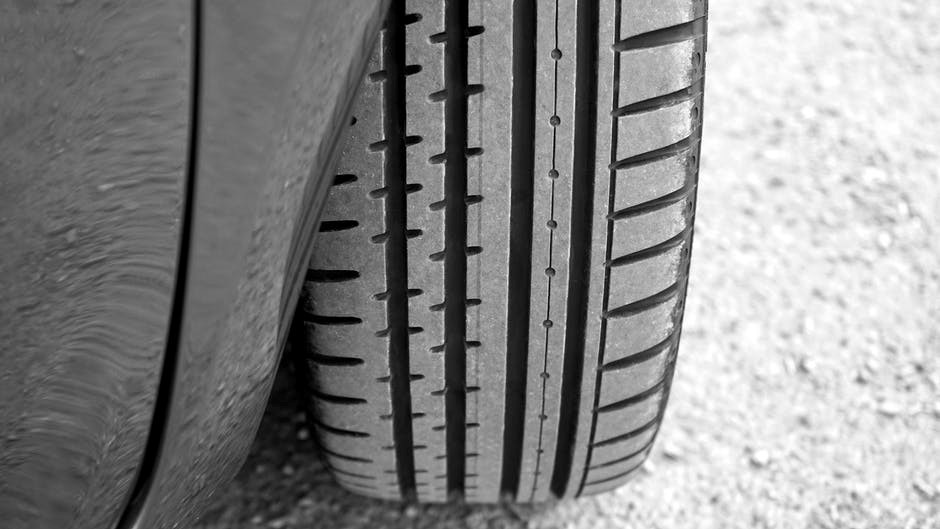
Automobile and truck tires are made up of a few dozen materials but the main three are: natural rubber, synthetic rubber and carbon-black. Let’s look at the sources of these three primary materials.
Three major materials
You probably know that natural rubber comes from the latex of tropical rubber trees. It is a nice sustainable product but much of it is produced in countries with unstable economies. Synthetic rubber, on the other hand, comes from combining various petroleum-based materials and compounds to make a rubber that is similar to natural rubber. The third substance is Carbon Black. Carbon Black is a powdery black substance, made up mostly of pure carbon, and is made from petroleum as well. Carbon black is the main filler substance used in the tire making process and more of it is used percentage-wise in tires (28%) than any other material.
The supply problem
There are two problems for the World’s tire manufacturers. The first involves petroleum. Petroleum is a product that subjected to the pricing and availability dictated by the World oil markets. At the present time, petroleum is relatively affordable but when fluctuations do occur (and history tells us that they occur a lot) that the tire manufacturers have to scramble. Because of this, the manufacturers would prefer substances that are less price sensitive.
The second problem is with the natural rubber. Yes, it is a sustainable product but many of the countries that harvest rubber are politically unstable. This can cause wild swings in supply and demand.
Finding substitutes
Researchers at Ohio State’s Biomaterials Group received federal funding to search for alternate materials that could be used in the manufacturing of tires. Of special interest were waste biomaterials. This is because waste biomaterials are cheap to obtain (almost free) and there is an awful lot of it.
Well, guess what? The researchers discovered that egg shells, of all things, make an excellent filler material. First, they are composed of an inert substance: calcium carbonate. This means that the filler is resistant to deterioration over time. They also have microscopic pores on their surfaces that allow the rubber compounds in the mixture to stick to the eggshell surfaces quite well. Best part is, there are a lot of eggshell around.
Eggshell “supplies”
According to the United Eggs Producers Association, the U.S. produces around 80 billion eggs annually. Of that 80 billion, commercial food factories crack open about half of them for the egg white and yokes inside, and then send the shells to a landfill. This means that thousands and thousands of pounds of eggshells are available essentially for just the cost of having them transported to processing facilities.
Next step
The processes to utilize eggshells in tire manufacturing have been established and Ohio State has begun licensing the technology to interested parties. At the present time, several of the big tire manufacturers are looking into these processes and are evaluating results. According to Hyundai of Louisville (Louisville, Ky), Hankook tires (the factory stock tires on most Hyundais) is one of the first Asian manufacturers to evaluate alternate filler materials such as those made from eggshells.