
 Forward collision warning systems (FCWS) are now being offered on many vehicles. Some of them are standard equipment on the cars and some are optional features that the dealer can install. In the latter case, do you want FCWS system in your car? Let’s take a look at what they are all about.
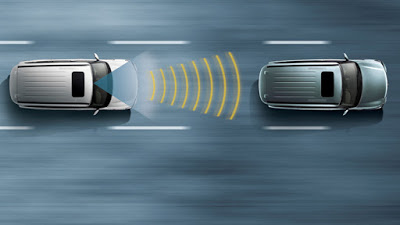
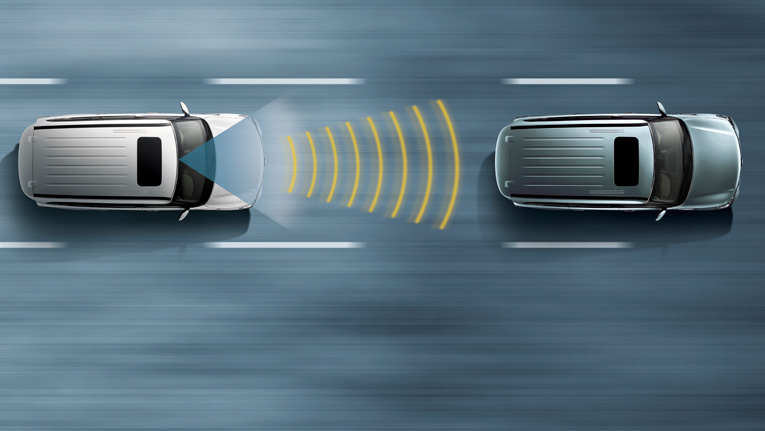
A FCWS (sometimes called a front crash prevention system), is technology that detects when your car is getting to close to another car in front of it. It does this using technologies such as cameras or radar sensors. These systems are most useful for preventing rear end collisions and they work quite well. The automotive technicians at Holt Fiat of Hurst, a popular Texas-based Fiat dealer explained to us that the way they work is that they issue a warming beep or flash a high-intensity light on the dashboard when the system senses a crash is about to occur. The most advanced ones automatically apply the brakes if the driver doesn’t respond quickly enough.
A major safety technology
Forward collision crashes, where the front of a vehicle collides with the vehicle ahead of it, are be very common. According to automotive insurance company statistics, this type of collision makes up about a quarter of all automobile accidents. Forward collision crashes occur when the car in front of you applies their brakes unexpectedly, or if you’re not paying attention and you get too close to the vehicle you are following. As you may know, rear-ending someone is typically seen as an at-fault collision by insurance companies and your insurance company will have to cover the damages.
How useful are they
According to the Insurance Institute for Highway Safety (IIHS), FCWS provide major reductions in not only automotive damage but in bodily injury. The reason for this is simple: cars with FCWS get into fewer crashes! While these systems are basically optional now, it wouldn’t be surprising if FCWS become mandatory technology in the future. Their safety advantages are just too compelling.
The technology
Currently, there are two main types of collision warning systems: camera-based systems and radar-based ones. Camera-based systems were the first type developed and are becoming quite common. Radar-based systems are a bit more advanced and are being installed on a small number of cars now. Both types of systems are highly effective at preventing rear-end collisions but they can be affected by bad weather and poor lighting conditions. Basically, the systems aren’t perfect yet, but they do help a great deal to prevent collisions.
Some say they are annoying
Some complain that the FCWS systems are somewhat annoying because they can issue false alerts when a rear collison really isn’t about to occur. That being said, we have been told that most drivers leave the systems turned on just in case.
Why Your Next Car Should Have FCWS
FCWS are a really nice safety feature to have, especially if you have an inexperienced driver behind the wheel. It can help remind them to pay attention while driving, and help mitigate accidents. In the best case scenario, the system will never kick in to prevent an accident, but like airbags and seatbelts, if an accident does occurs, you’ll be glad you had it!