
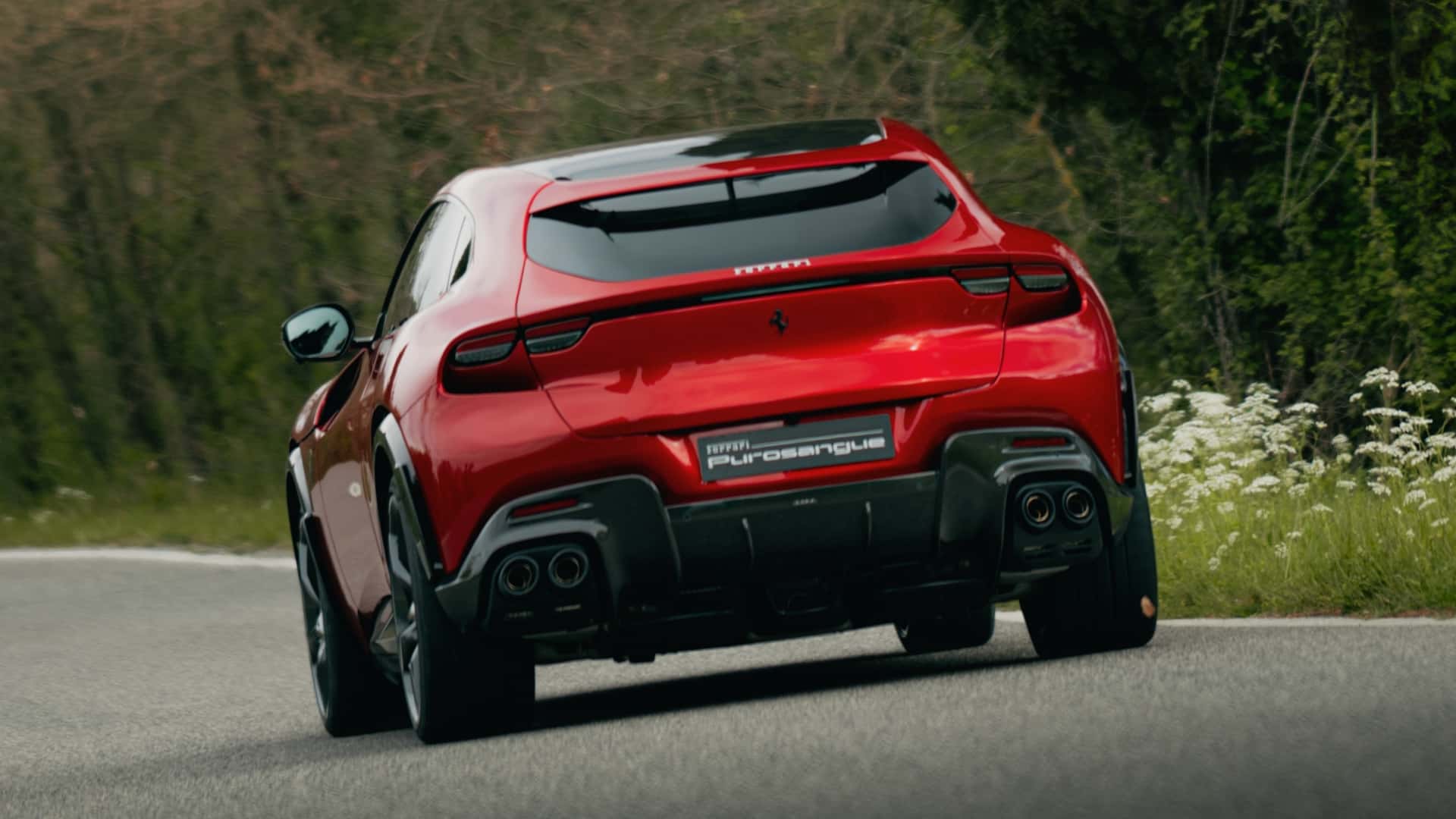
Ferrari’s Purosangue carries a starting price in the United States of around $400,000, but in reality, very few buyers will ever leave a dealership anywhere near that figure once the options list comes into play. Customisation is practically expected, especially when buyers are trying to secure allocations from Ferrari dealers. Still, even ultra-wealthy owners may pause for thought when they discover what maintaining the V12-powered “FUV” could eventually cost once the warranty expires.
Interestingly, servicing itself is not the problem. Ferrari includes its seven-year maintenance programme with all standard production models, excluding ultra-limited offerings such as Icona-series cars. That package covers both labour and replacement parts, which means owners mainly need to budget for tyres, fuel and, depending on driving habits, brake replacements.
The catch lies in the warranty coverage. Ferrari only provides a three-year warranty, meaning any major component failure after that point becomes the owner’s responsibility.
That detail becomes particularly relevant for Purosangue owners because the vehicle relies on one of the most sophisticated suspension systems currently fitted to a production car. The advanced setup is largely responsible for the Ferrari’s uncanny ride quality and sharp handling balance despite its size.
Should one of the dampers fail outside the warranty period, owners could reportedly face a replacement cost of at least $21,414 per corner (around R350,000), excluding shipping and labour. Replacing all four units could push the invoice close to R1.5m.
The pricing surfaced through a mechanic discussing the issue on Reddit, noting that labour costs had not yet been factored into the estimate. According to the same discussion, the suspension system itself is hugely impressive from an engineering standpoint.
Ferrari partnered with Canadian suspension specialist Multimatic, a firm already respected for its work on vehicles such as the Ford GT and high-performance GM pickup trucks like the Chevrolet Silverado. Their systems have earned praise for blending comfort with serious performance capability.
Inside the Purosangue, the setup uses liquid-cooled 48-volt three-phase brushless electric motors integrated into the dampers. These motors actively apply force through a geared ball-screw mechanism, constantly adjusting suspension behaviour based on instructions from the vehicle’s control systems to maximise comfort and performance simultaneously.