
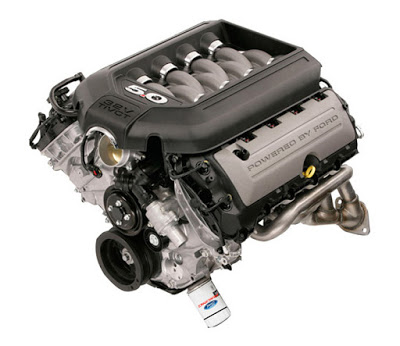
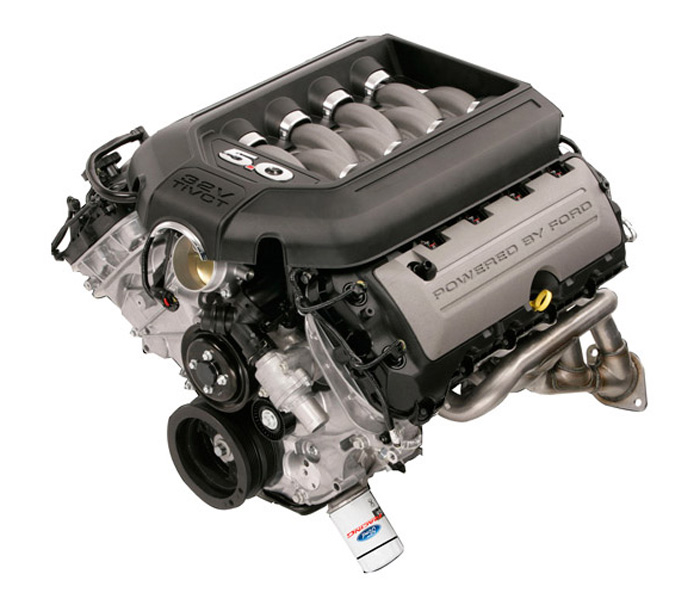
 In the race to improve MPG and cut emissions, more and more automakers are turning to forced induction engines. Forced induction engines are basically turbocharged engines. Some automotive journalists have prophesized that the old, naturally aspirated engine may go the way of the passenger pigeon.
The reason for this is efficiency. For years automakers have been increasing efficiency with techniques such as variable valve timing, direct fuel injection and other techniques. However, engineers claim they are running out of options. Forced induction techniques, such a turbocharging, is a proven method to increase fuel efficiency and reduce emissions so many manufacturers are doing it.
The staying power of the old school
Despite falling out of vogue though, natural aspirated engines are not without their merits. Frankly, they are simpler and cheaper to build. They are also better down the road as the miles and years accumulate on a vehicle. Frankly, the service techs at Ken Garff West Valley Used, a Chrysler, Dodge, Jeep, Ram dealer in Utah, revealed to us that since turbocharged engines have more components to deal with and lots of extra plumbing, there simply is more stuff to fail as the years add up. Simply put, turbos are a lot more expensive to initially purchase (on a car) and to maintain as they age.
That being said, some engineers see ways that naturally aspirated engines might continue to be used for at least a little while longer. Mating a naturally aspirated engine with continuously variable transmissions (CVTs) is one way. CVTs are very efficient transmissions and they allow automotive engineers to design the naturally aspirated engine attached to operate in a more optimum power range. In this limited range, emissions can be reduced and fuel economy increased.
The hybrid salvation
Another technique that is being worked on is pairing naturally aspirated with batteries and electric motors, in other words, in hybrid cars. Naturally-aspirated internal combustion engines in hybrids can also be designed to run in optimum power ranges. This allows the auto manufactures to fine tune the efficiency and emission characteristics just like the engines driving CVT-based cars. Also, hybrids, like the Toyota Prius, can be built with much smaller engines and that helps with fuel economy and emissions also.
New techniques
For some manufacturers, turbocharging is clearly the way forward, but that doesn’t mean there aren’t some technologies on the horizon that could be used to improve naturally aspirated engines. One technique is called homogeneous charge compression ignition (HCCI), which is a technology that sort of blends the characteristics of a diesel and gasoline engine. In this type of combustion, the air-fuel mixture is highly-squeezed and ignites spontaneously under pressure without the need for a sparkplug. Lower emissions and better efficiency can result. The problem is that HCCI is still experimental so you won’t be seeing it soon.
So is extinction on the horizon?
While we will continue to see more and more turbocharged engines being produced by the world’s automakers, prophesizing that the naturally aspirated engine is going extinct is a bit premature. Newer techniques may continue to be developed that will keep naturally aspirated engines around for a while.