Bentley’s connection to the Supersports name stretches back to 1925, when the first version of the 4½ Litre broke through the magic 100 mph (160 km/h) barrier and set the tone for Bentley’s motorsport success in the late 20s and early 30s. That early run of victories helped define the brand’s identity long before luxury and performance had to share the same sentence.
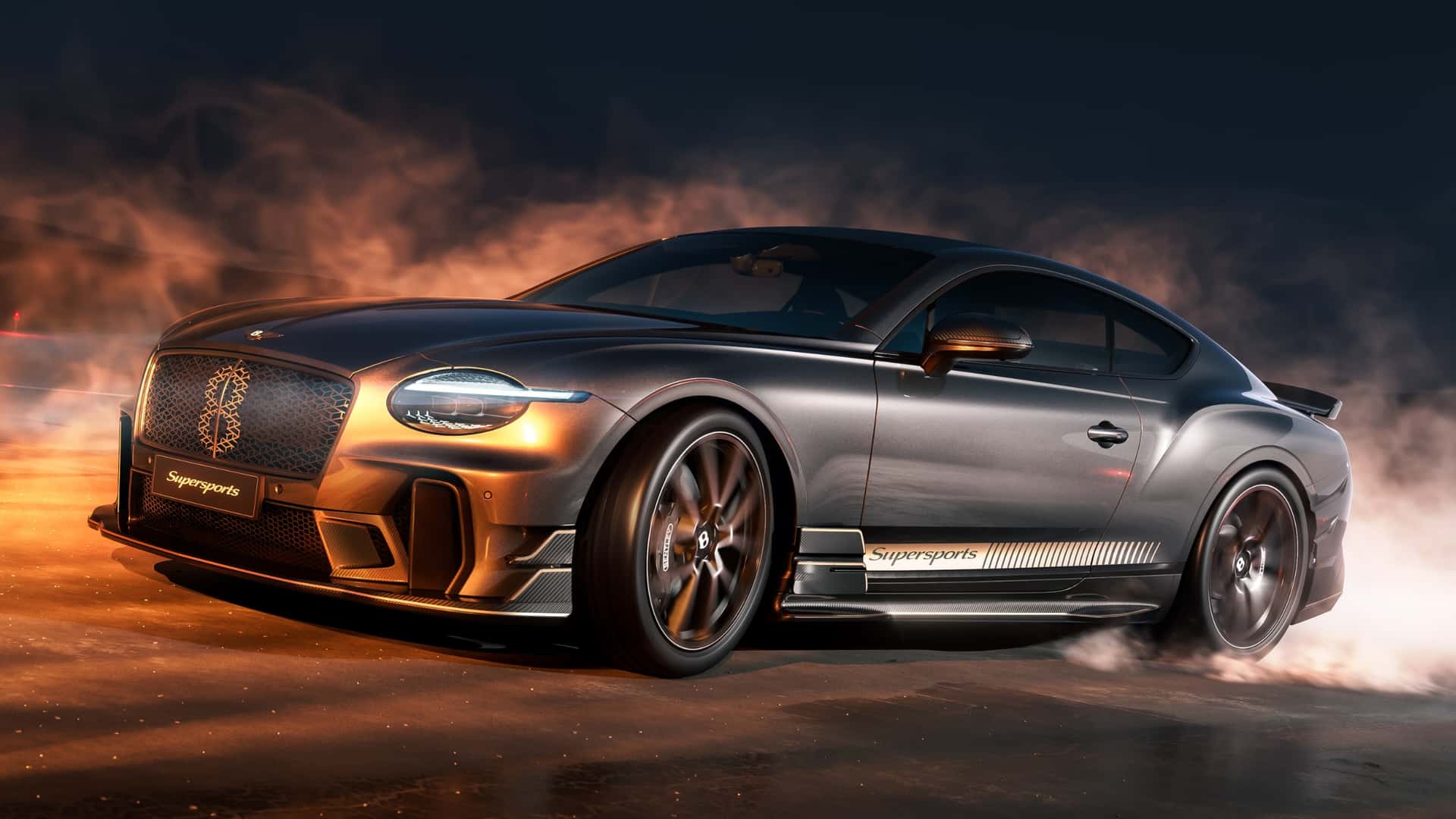
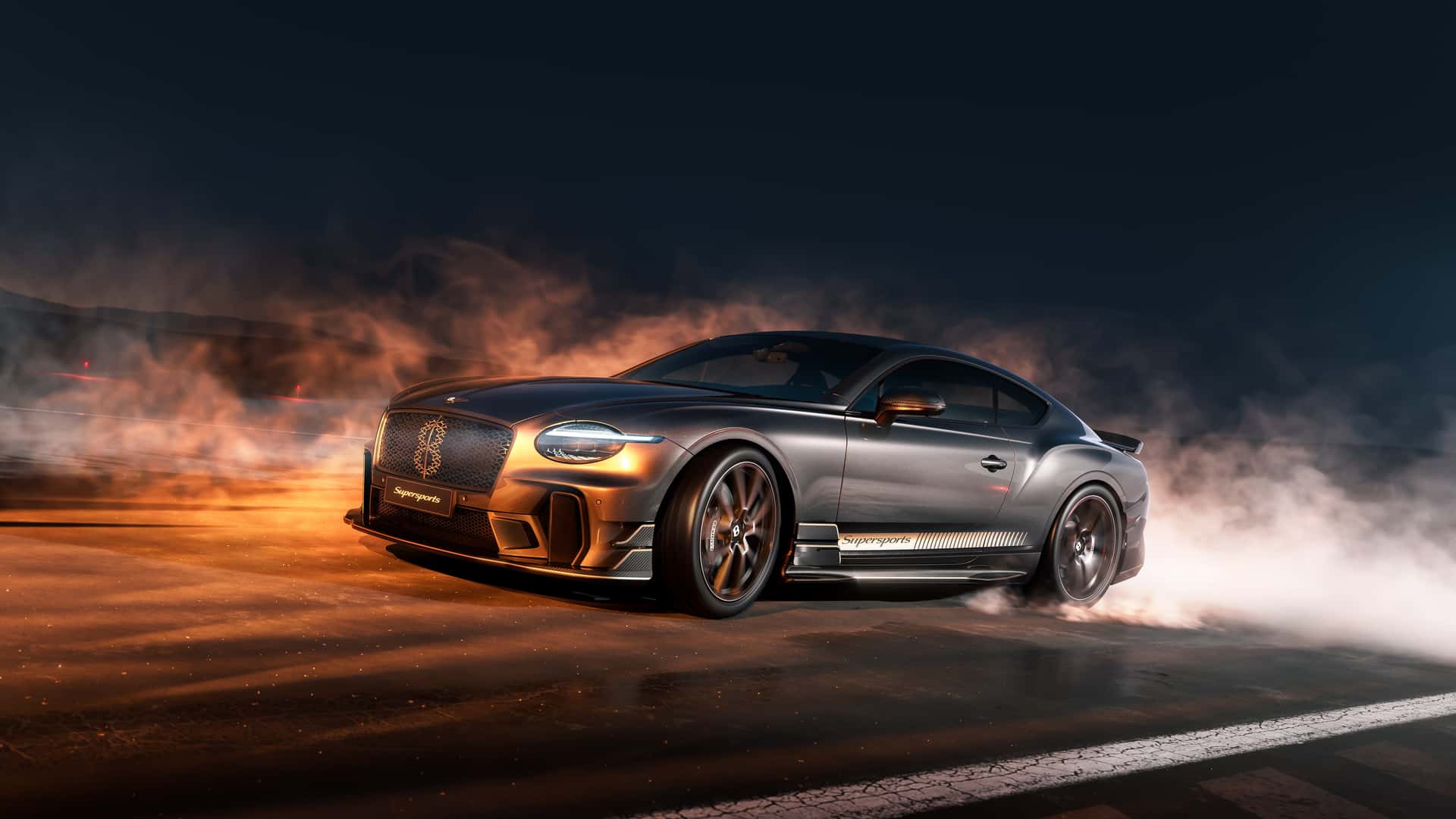
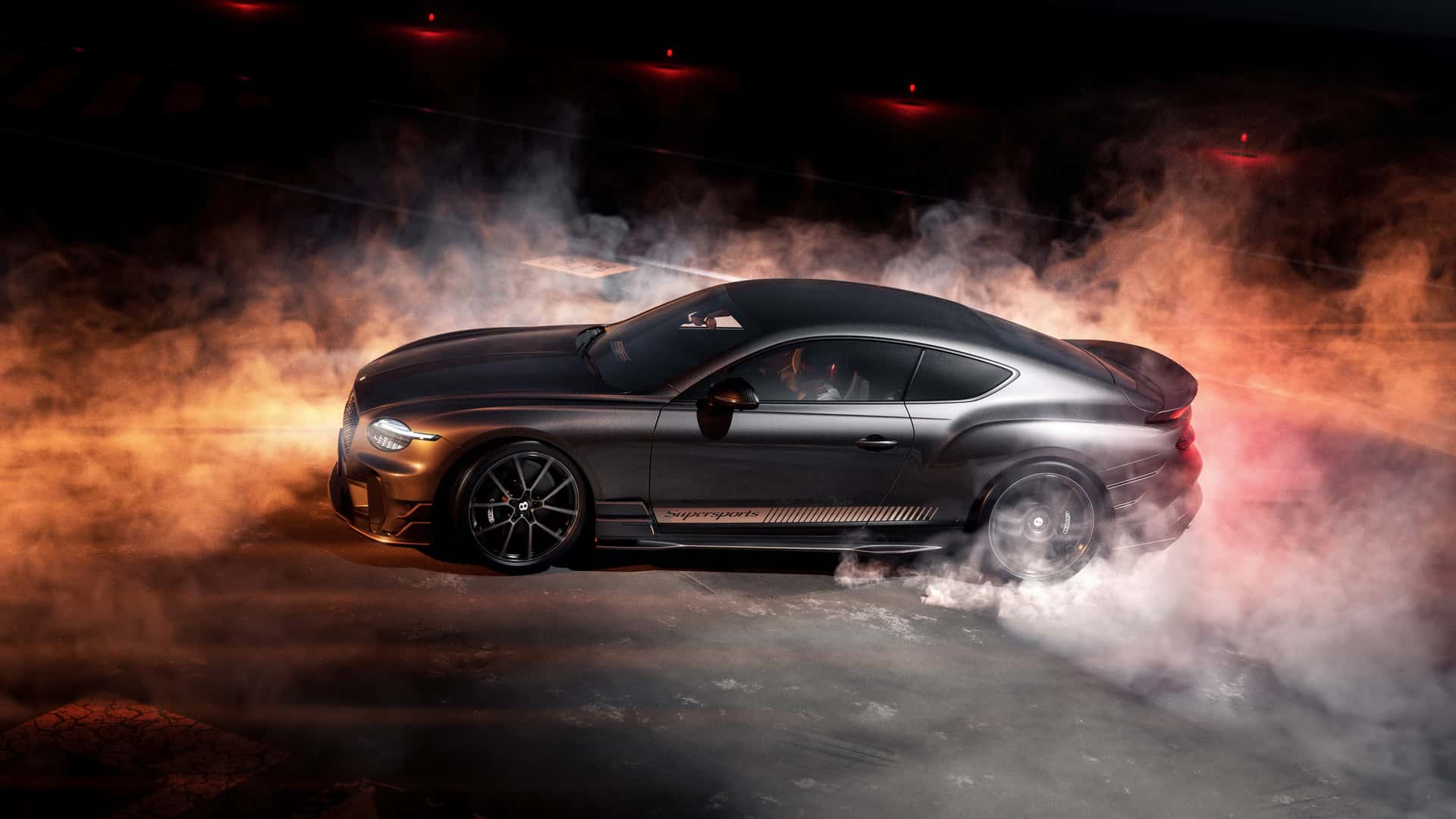
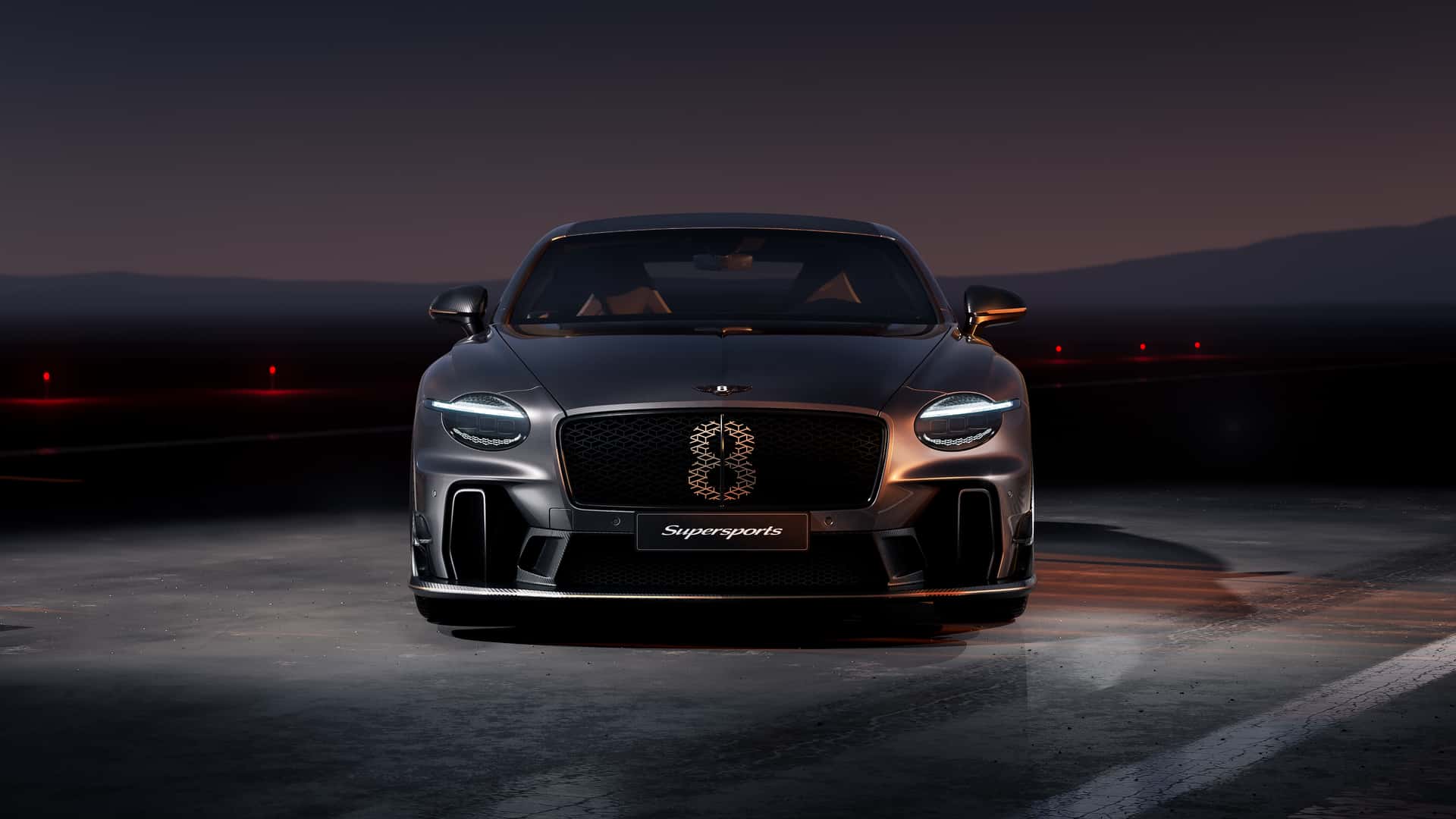
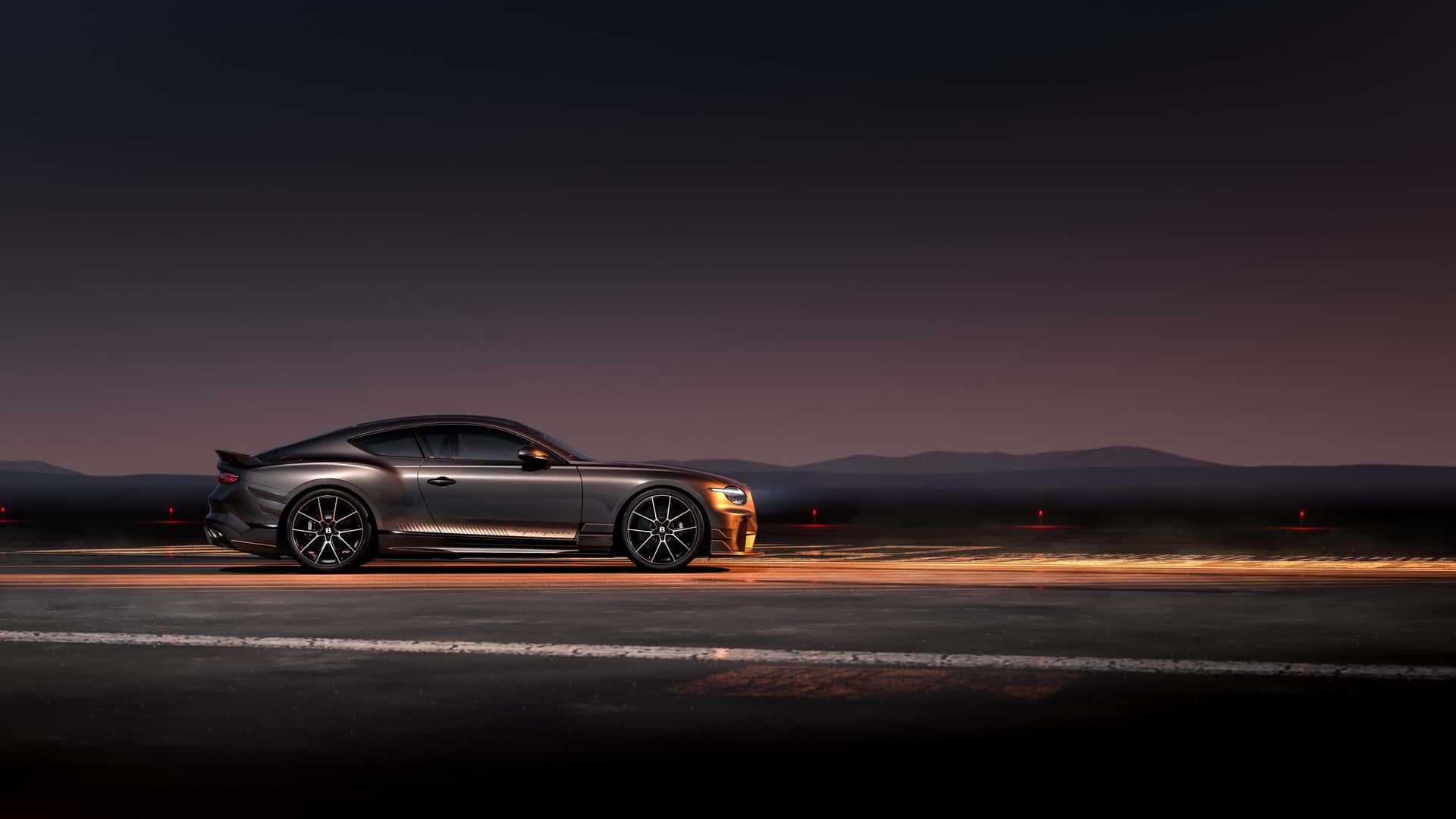
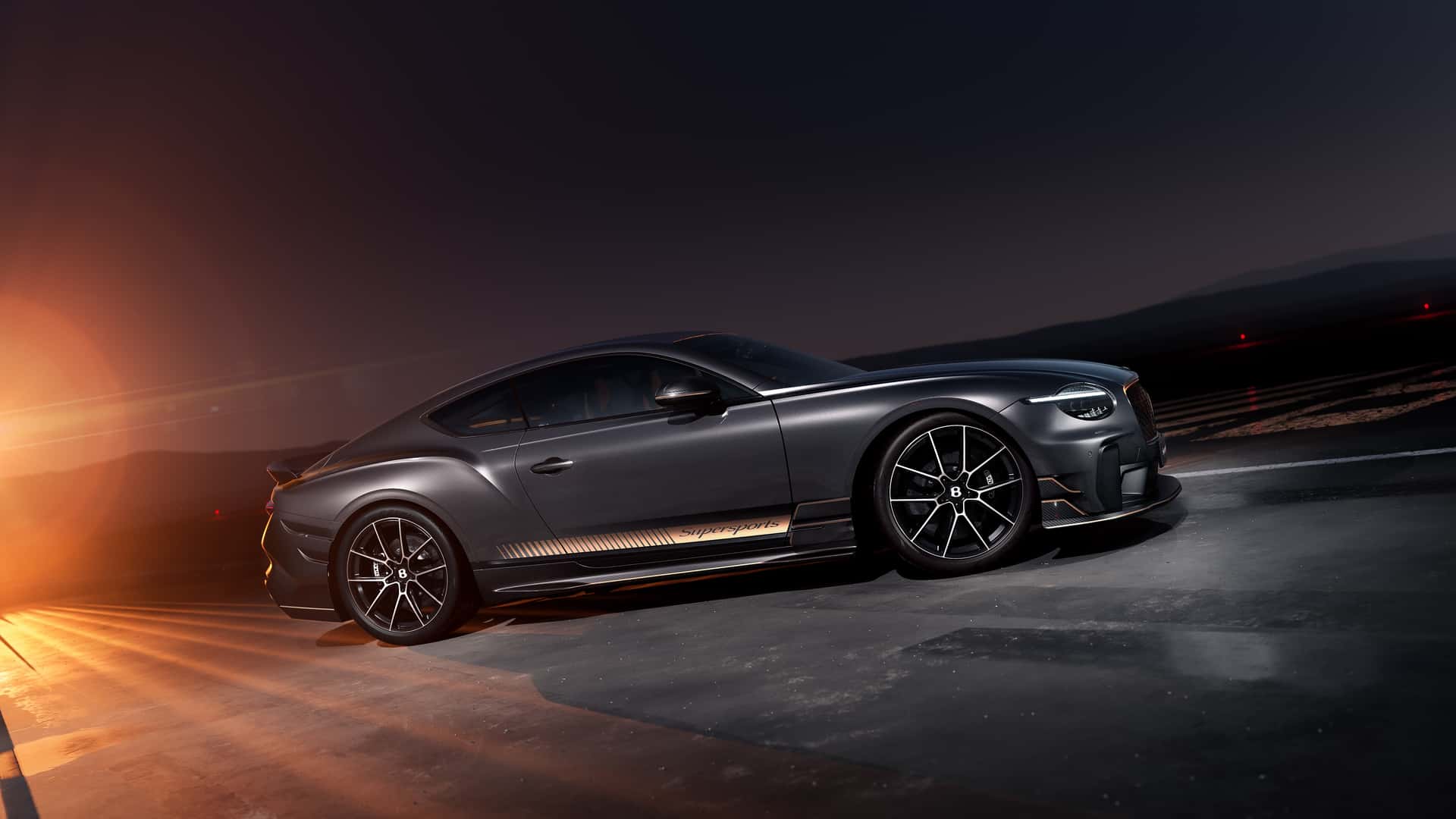
A century later, the Supersports badge returns in a very different world. This time it sits on a stripped-back, rear-drive evolution of the Continental GT, built with one goal in mind, and that is to make a big Bentley feel awake, alive, and willing to misbehave.
Under the long bonnet sits a twin-turbo V8 producing 657 horsepower (490 kW) and 800 Nm (590 lb-ft) of torque. It feeds an eight-speed dual-clutch gearbox that sends every bit of it to the rear wheels. No hybrid hardware, no electric motor, nothing to dilute the old-school charm.
Zero to 100 km/h (62 mph) happens in 3.7 seconds, and if you keep your foot planted, the car will run on to 309 km/h (192 mph).
Because it skips all the hybrid components found in the rest of the Continental lineup, this Supersports comes in noticeably lighter. Bentley calls it the lightest Continental GT ever, weighing just under 2,000 kg (4,409 lbs), dropping more than 500 kg compared to the GT Speed. It’s still a big machine, but for a Bentley, this is as lean as it gets.
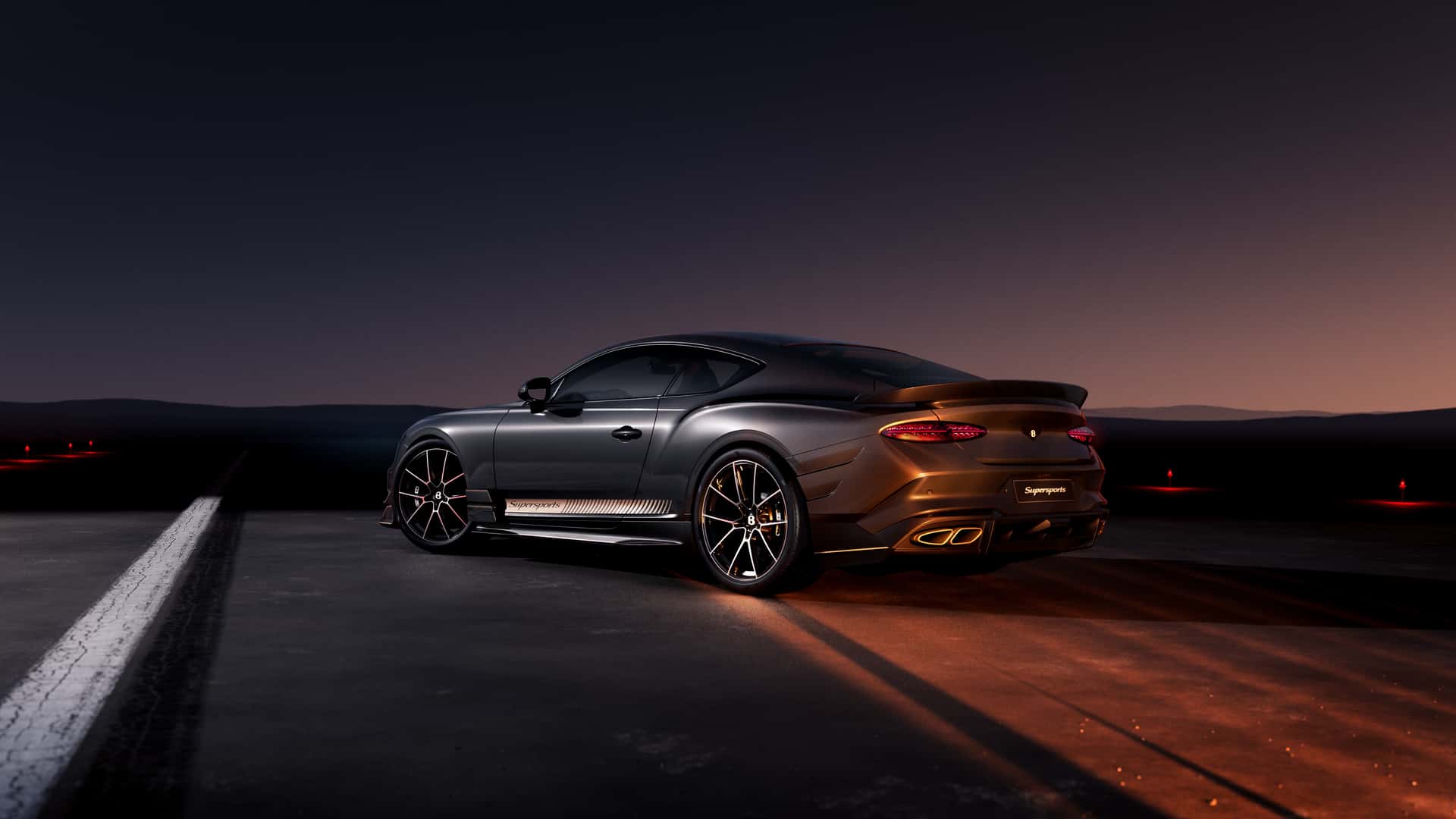
A new electronically controlled limited-slip diff helps put the power down cleanly, while a 16 mm wider rear track and torque-vectoring by braking add precision. Rear-wheel steering is part of the package, and the steering, damper tuning, and traction systems have all been rebuilt to suit the car’s more focused brief.
The suspension uses a double-wishbone setup up front and a multi-link arrangement at the back, tied together by a 48-volt anti-roll system that can counter body movement in just 0.3 seconds. Stopping power comes from massive hardware. 10-piston calipers and 440 mm Carbon-Silicon-Carbide rotors in front, paired with four-piston calipers and 410 mm discs at the rear. Bentley claims no other modern production car uses bigger brakes.
Three drive modes shape the car’s attitude. Touring mode softens everything for longer trips. Bentley mode adds some edge without going full attack. Sport mode is where the car feels the most alive, sharpening the chassis and throttle for proper mountain-pass antics.
Bentley says the Supersports can corner 30 percent quicker than a Continental GT Speed and achieve up to 1.3 G of lateral grip.
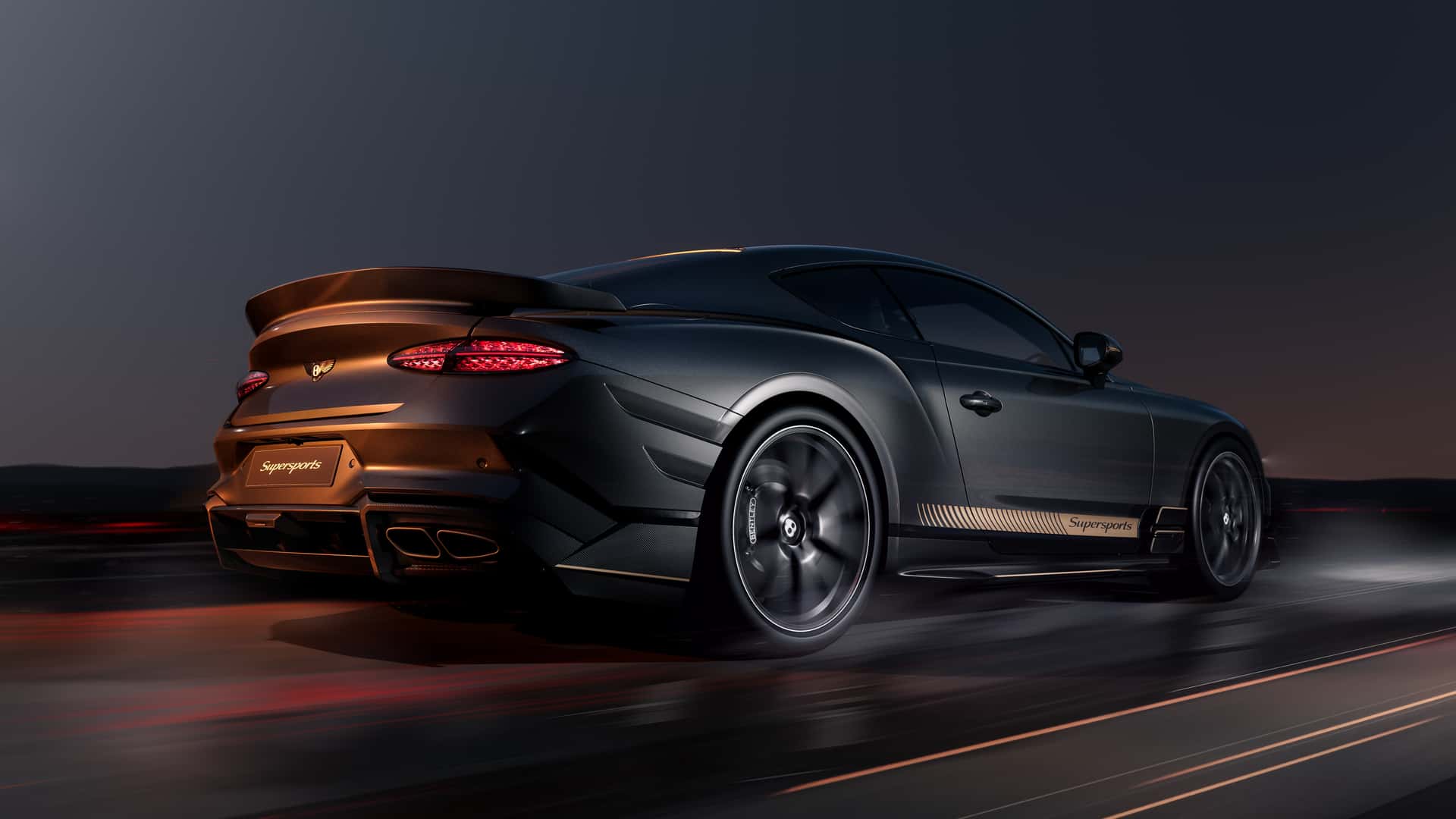
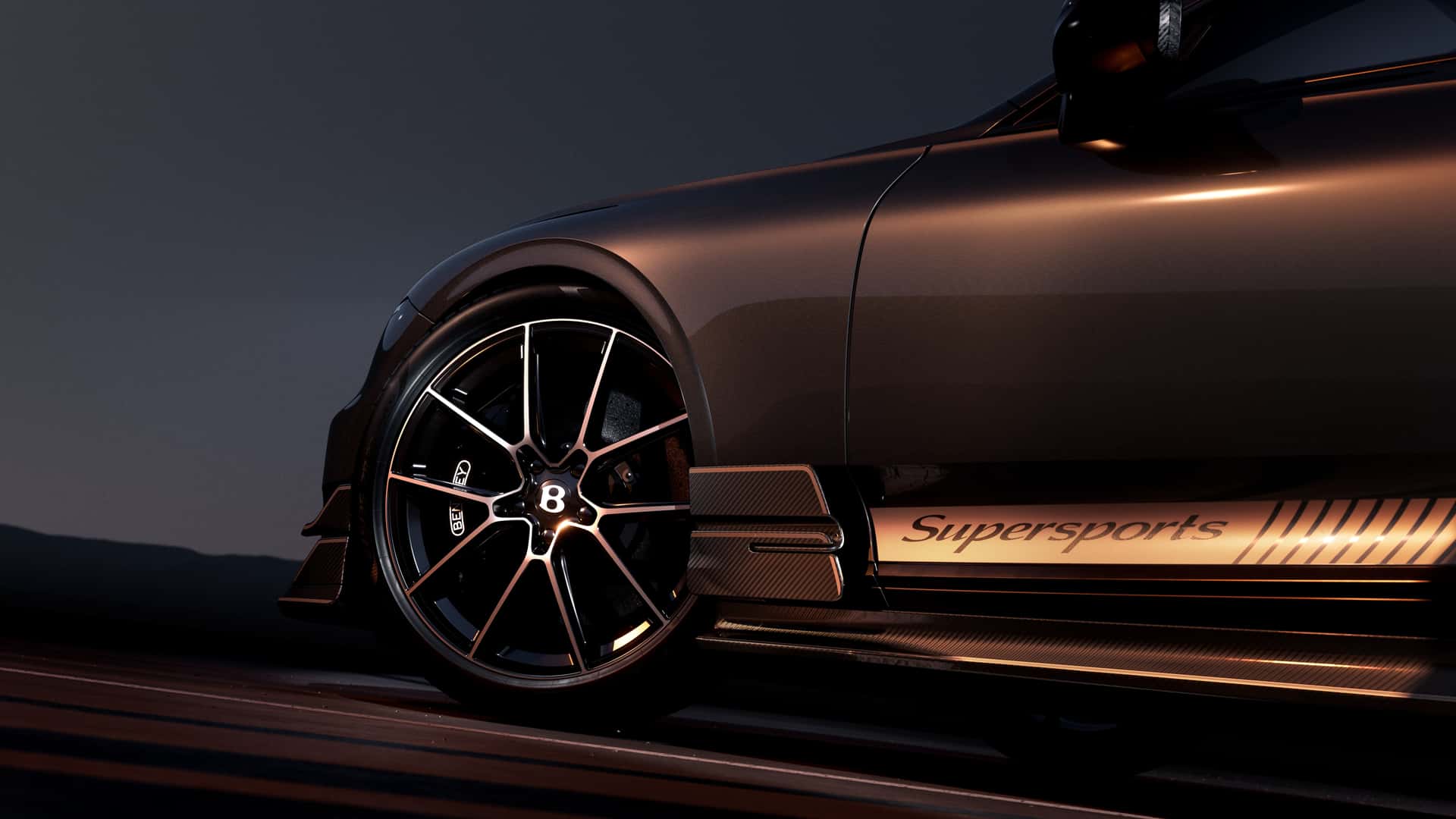
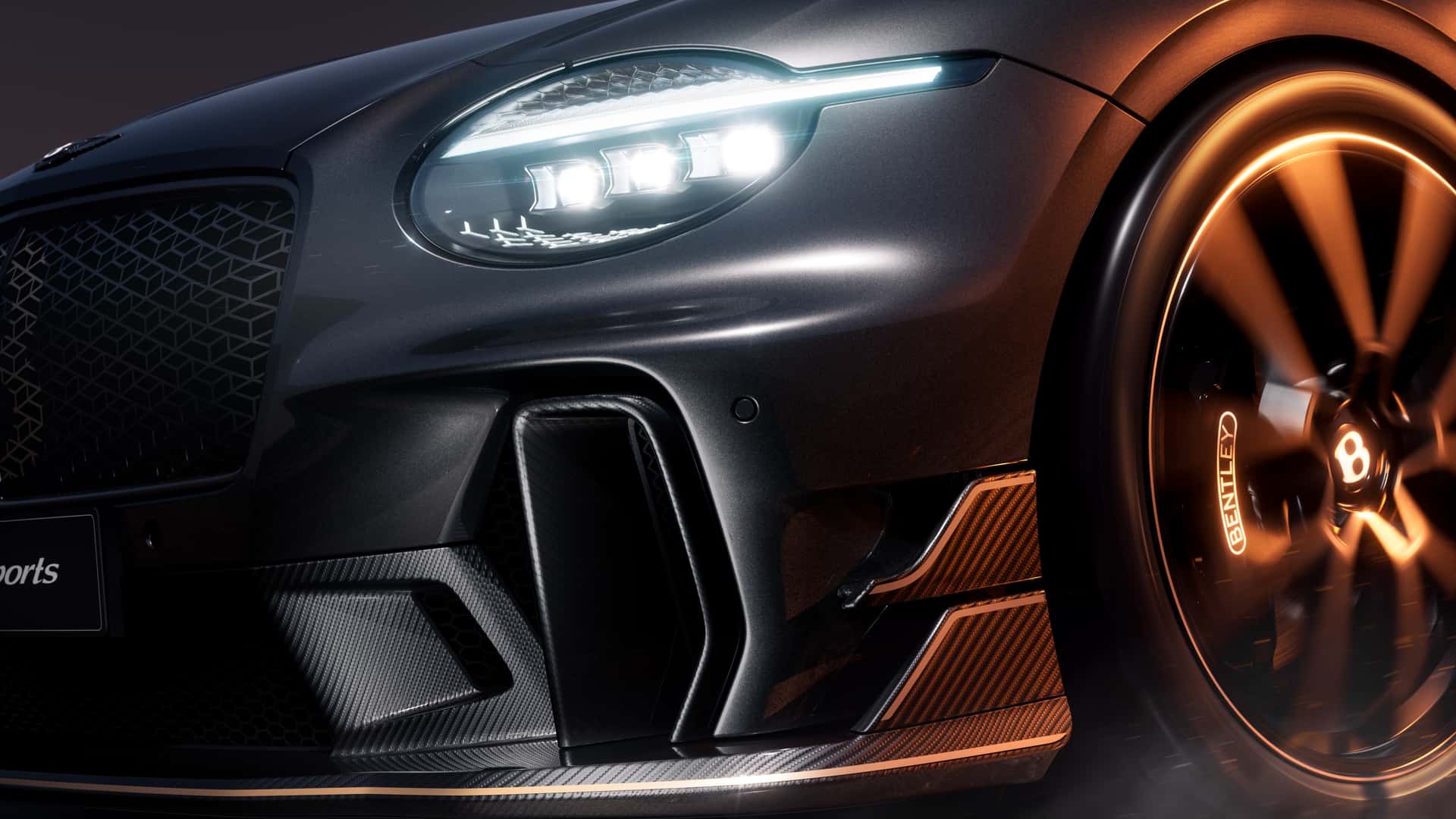
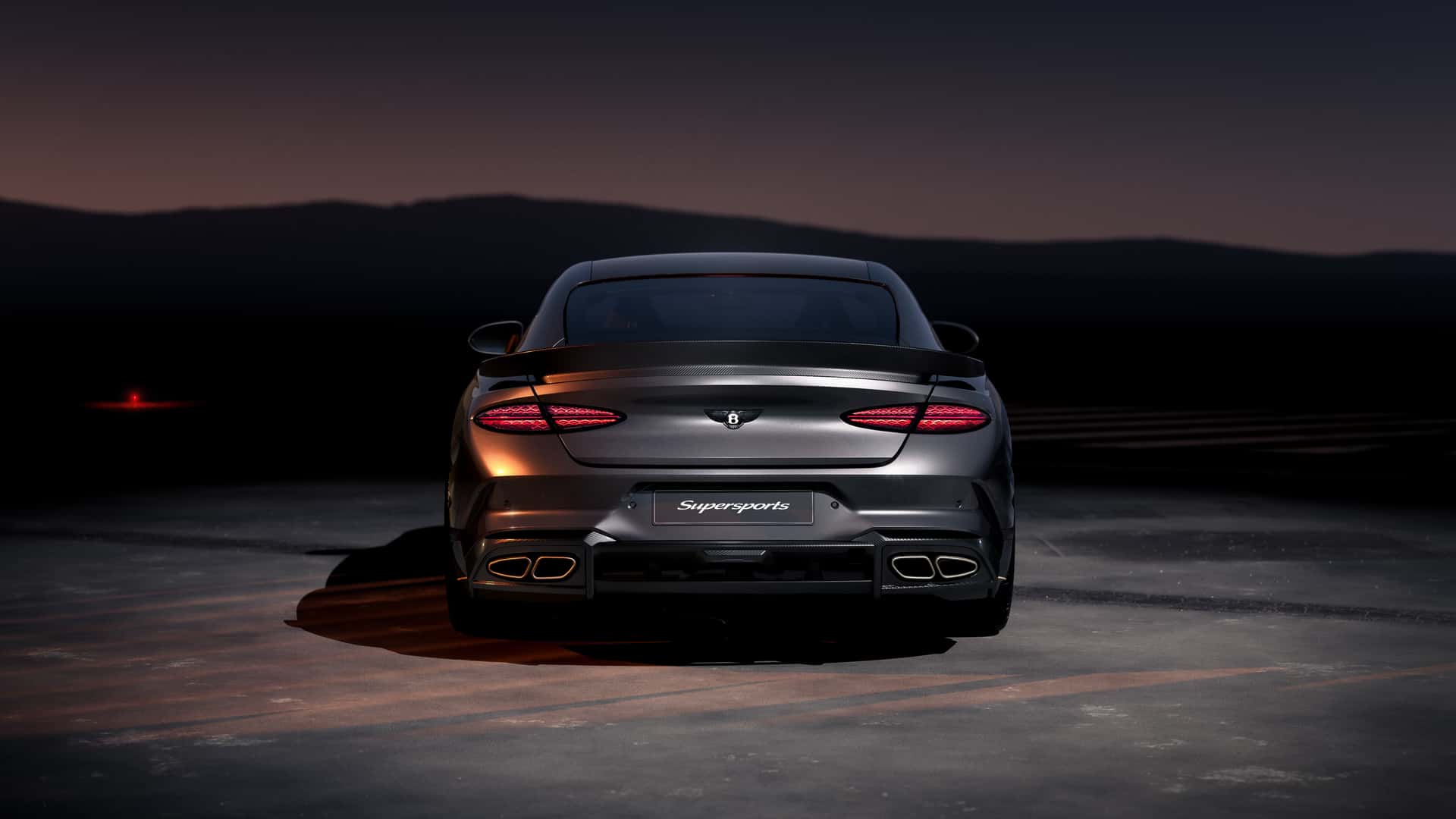
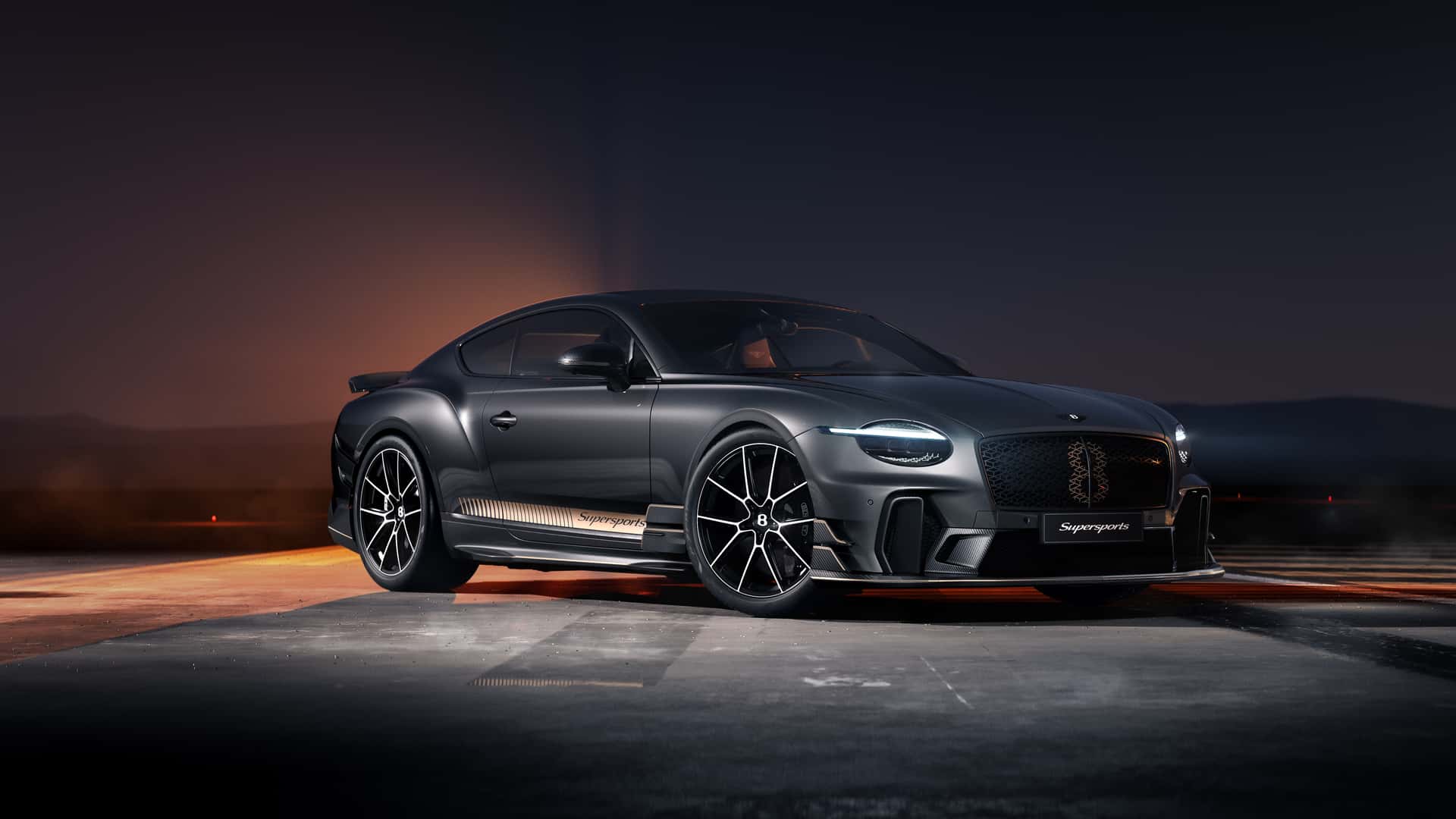
The styling leaves subtlety behind. Carbon fibre dominates the exterior, from the huge front splitter integrated into the redesigned bumper to the dive planes at each corner that cut lift. At the rear, a deep diffuser and a fixed one-piece wing on the boot lid add serious downforce, with the wing alone generating 300 kg more than a standard Continental GT. The 22-inch forged wheels were developed with Manthey Racing to keep weight down.
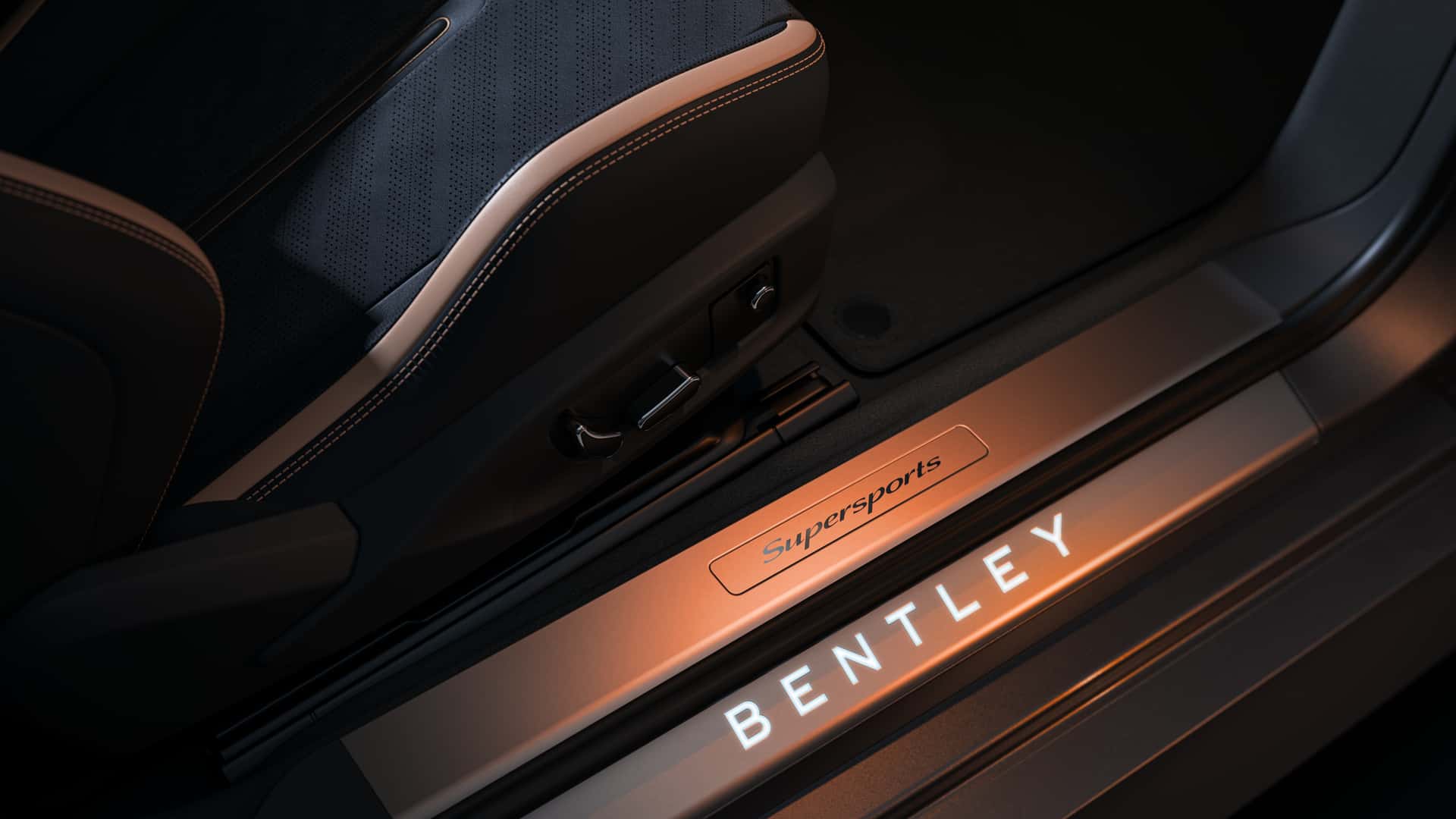
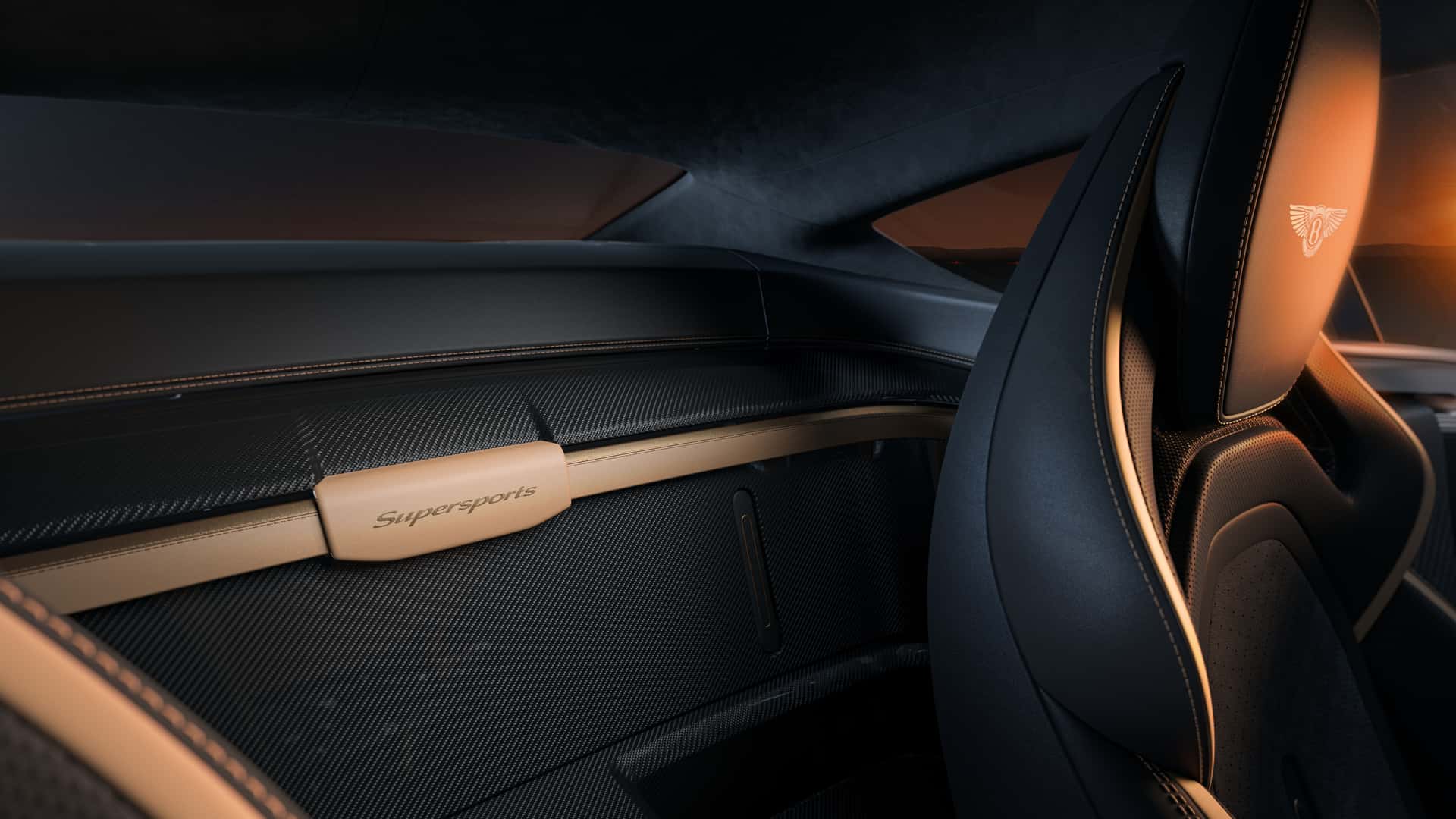
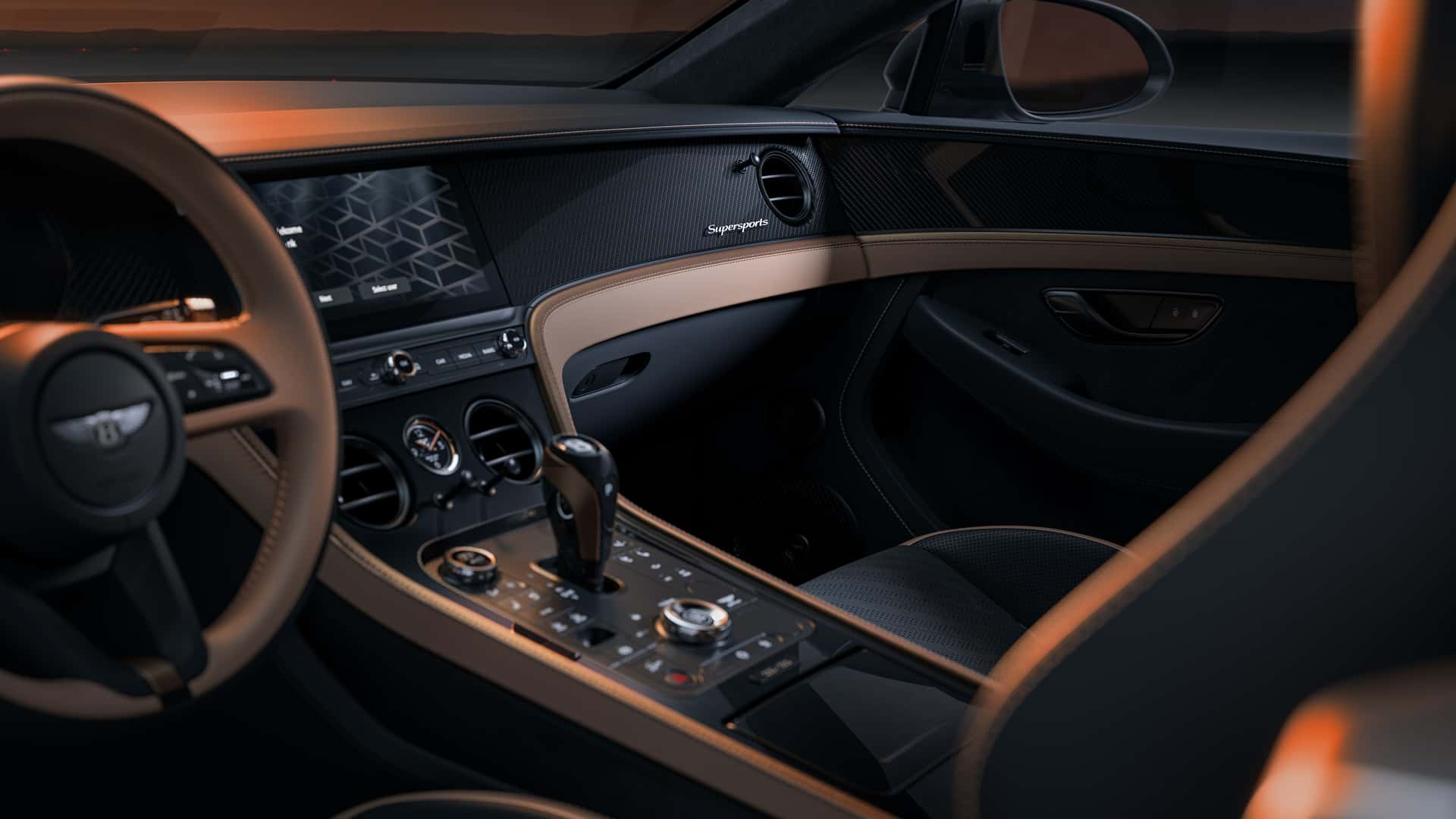
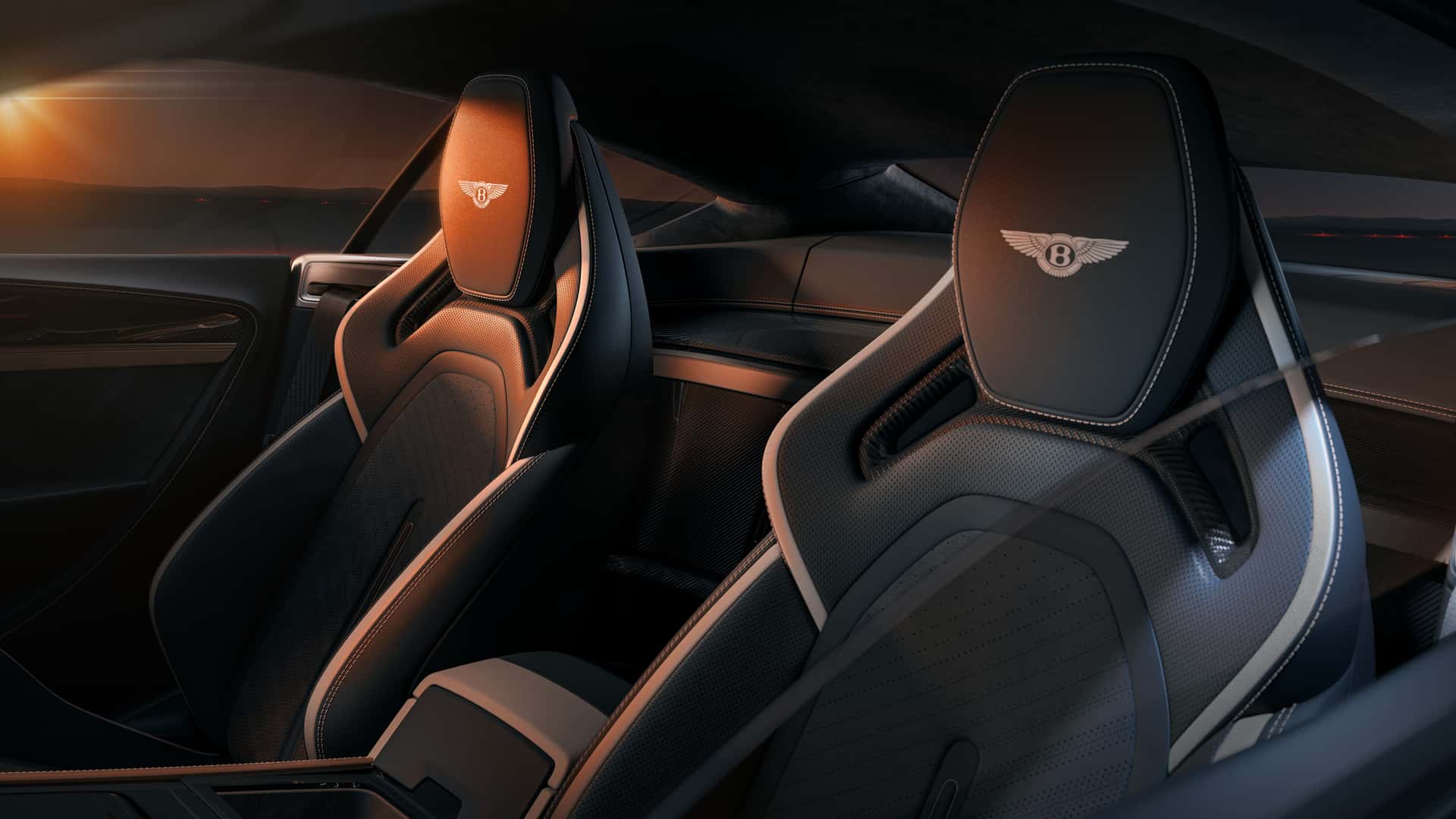
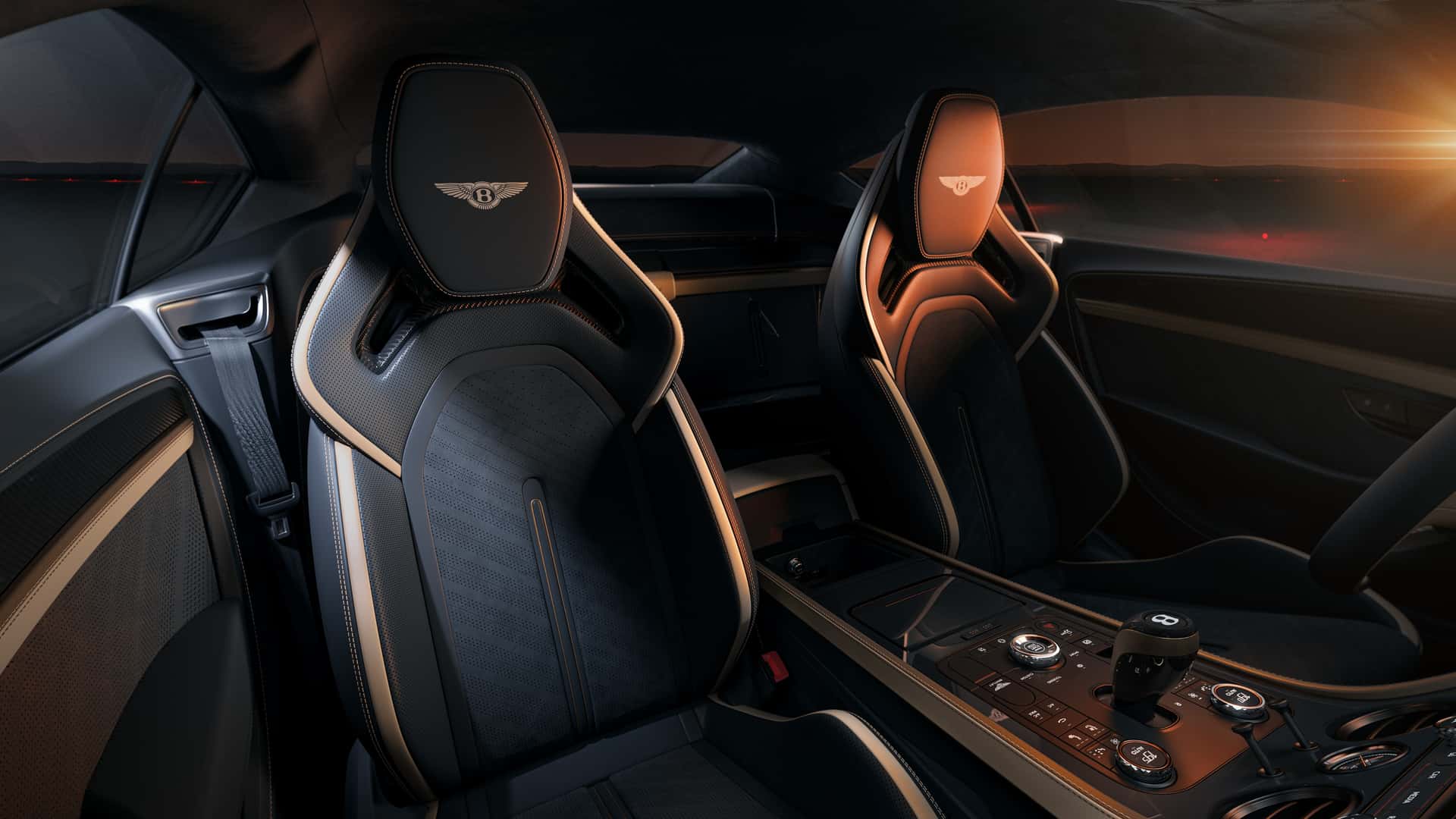
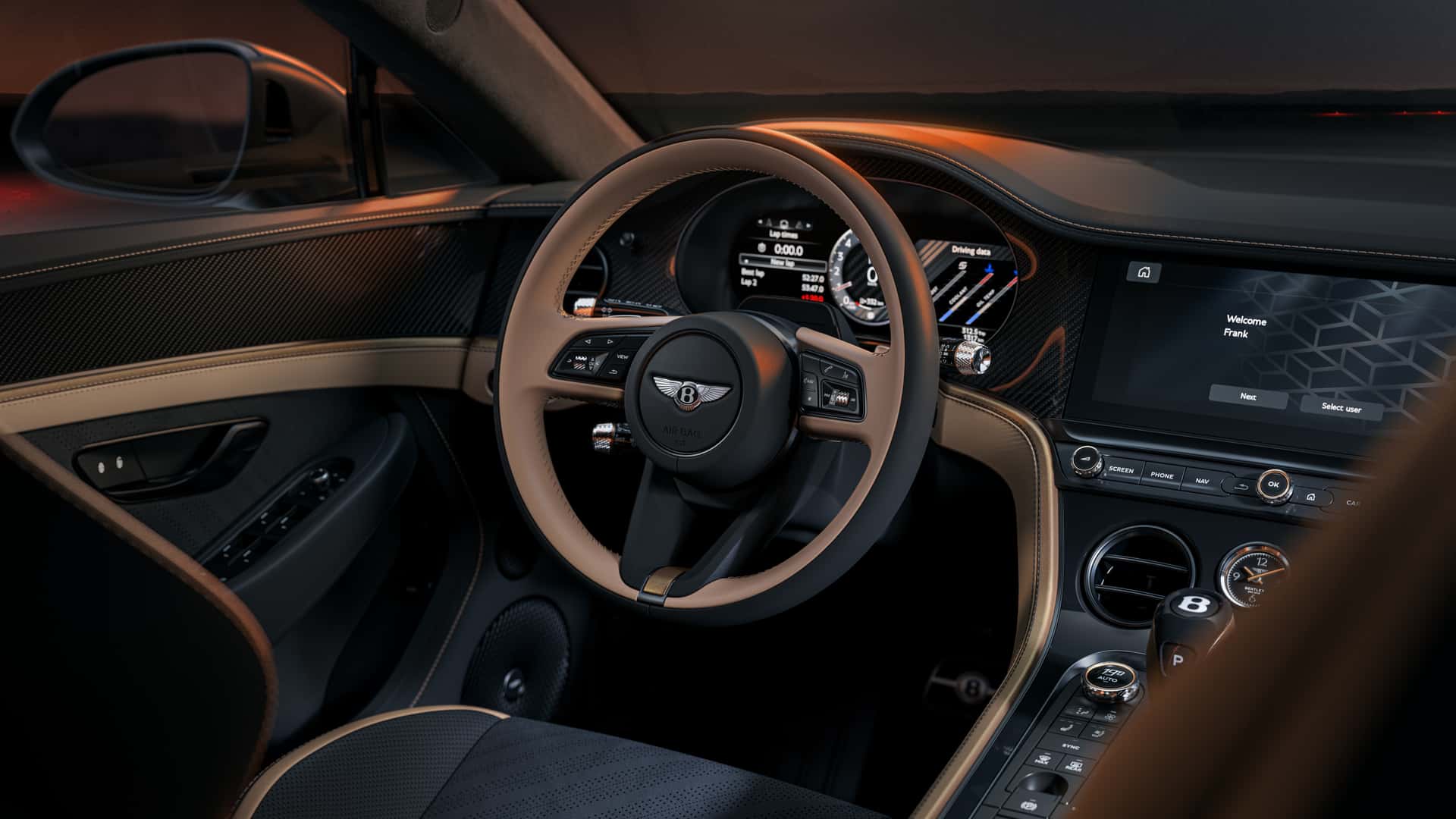
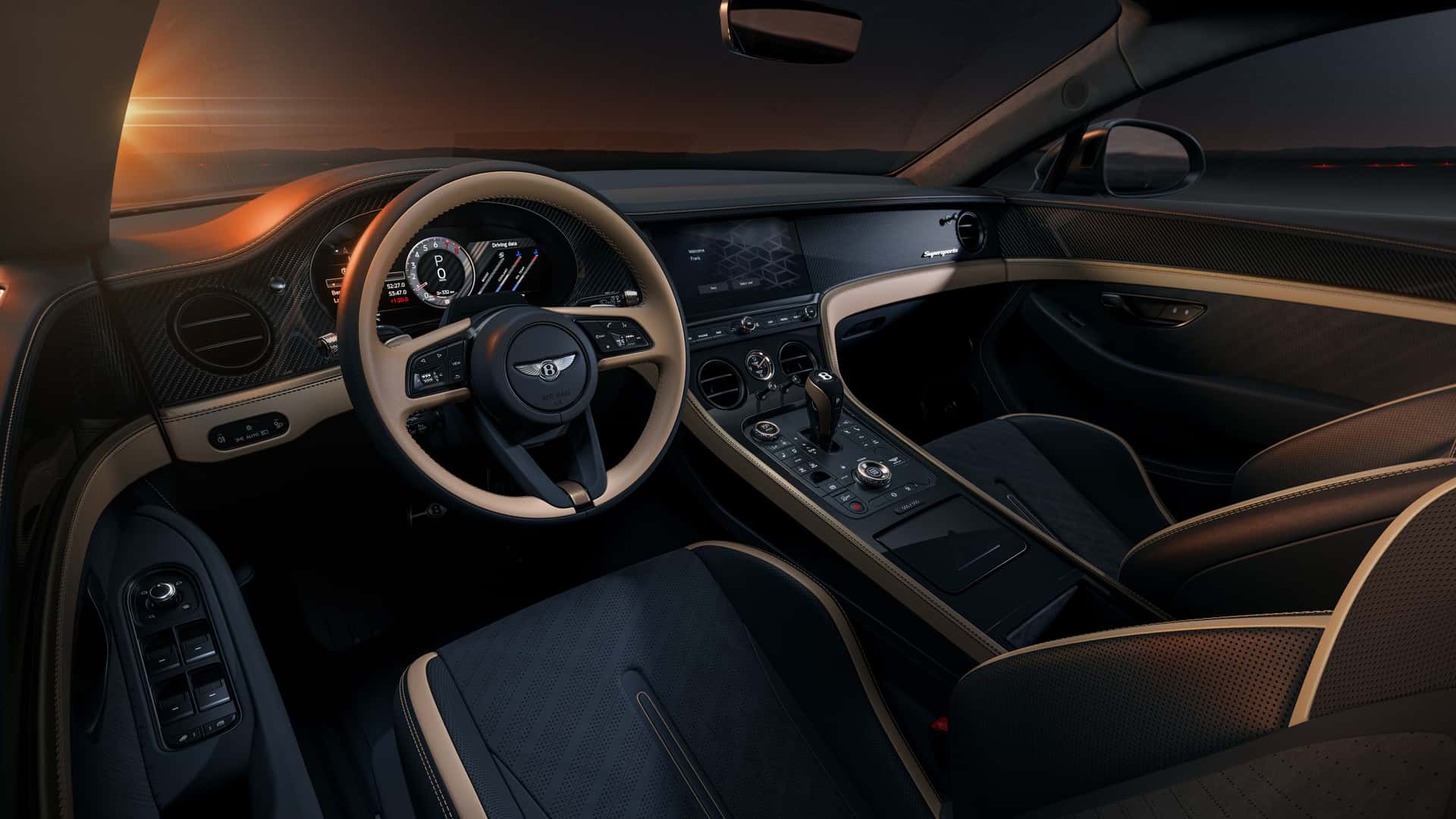
Inside, the diet continues. The rear seats are gone, the secondary audio system is gone, some insulation is gone, and the front seats are slimmed down. The result is a louder, more connected experience that lets the Akrapovic titanium exhaust take centre stage.
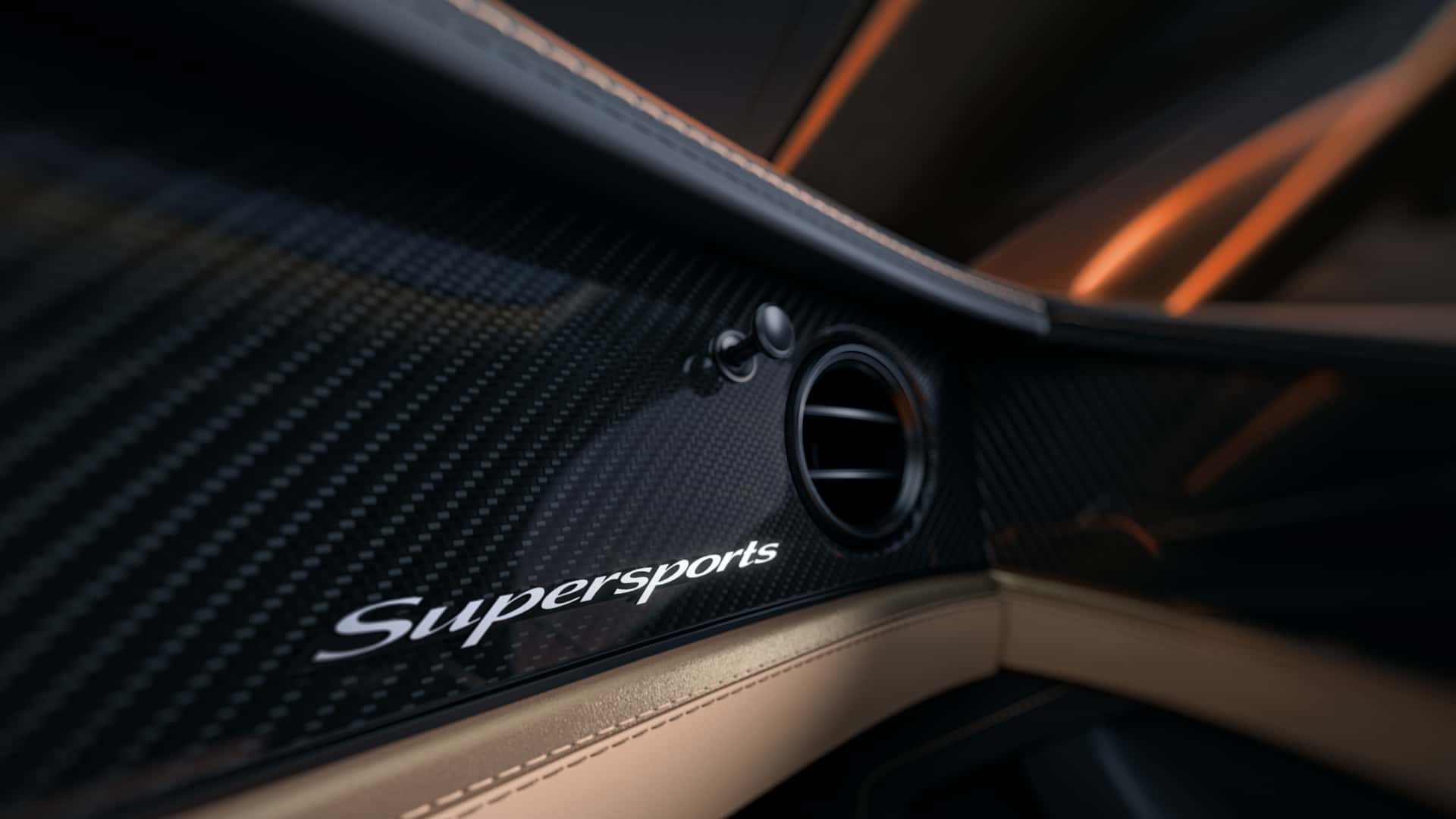
The remaining seats are low-mounted bucket shells with hefty bolsters, and buyers can spec the cabin in single-tone, dual-tone, or tri-tone combinations using leather, Dinamica, and carbon fibre.
Bentley’s Chairman and CEO, Dr Frank-Steffen Walliser, comments: “The new Supersports is more than just the most driver-focused Bentley yet. It signifies a return to Bentley making more extreme cars – ones that combine extraordinary breadth of ability with true driver engagement, while remaining pieces of automotive artwork, unique and bespoke to each customer. Bentley has always thrived when revealing a more daring side, and the new Supersports is a statement of our intent while celebrating 100 years of the name. This is the first project developed from start to finish since I joined Bentley Motors, and I’m proud of our team and the speed at which we’ve created a car so different to the GT on which it’s based.”
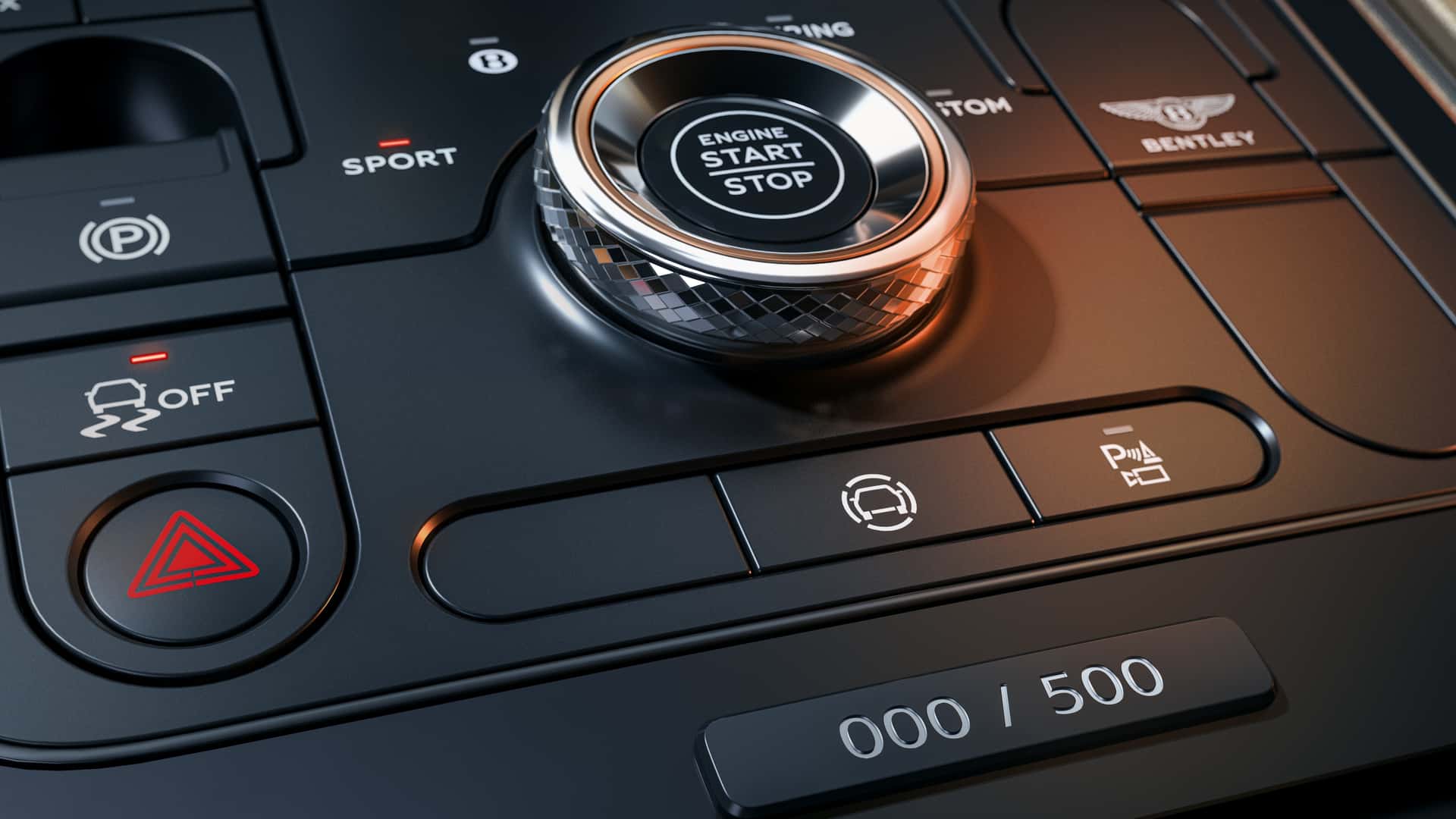
Production will be extremely limited. Bentley plans to build just 500 examples worldwide, each carrying its own number plate. Orders open in March 2026, with production kicking off later that year.
Pricing hasn’t been revealed yet, but expect it to land well above the R7,65m Continental GTC Mulliner.