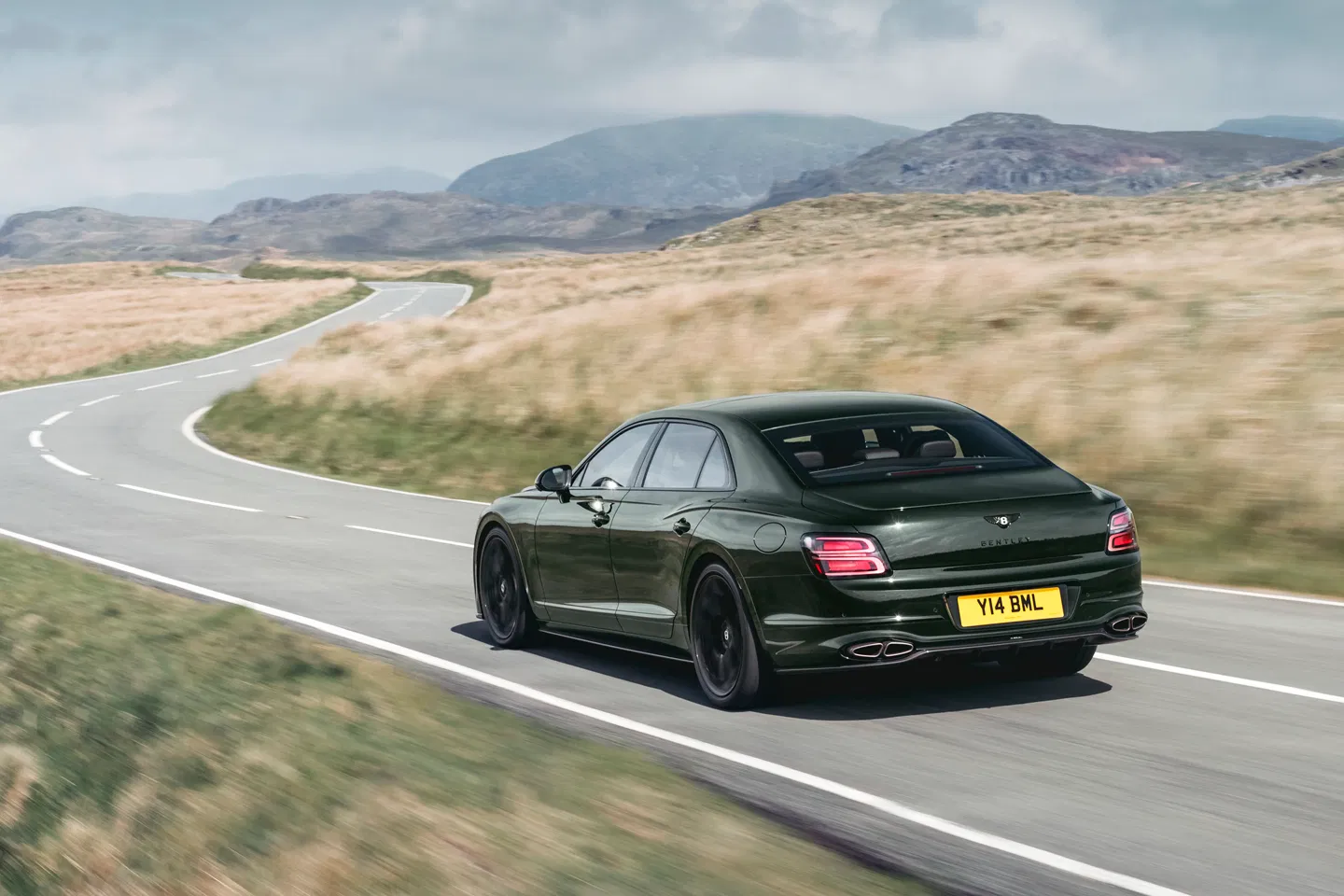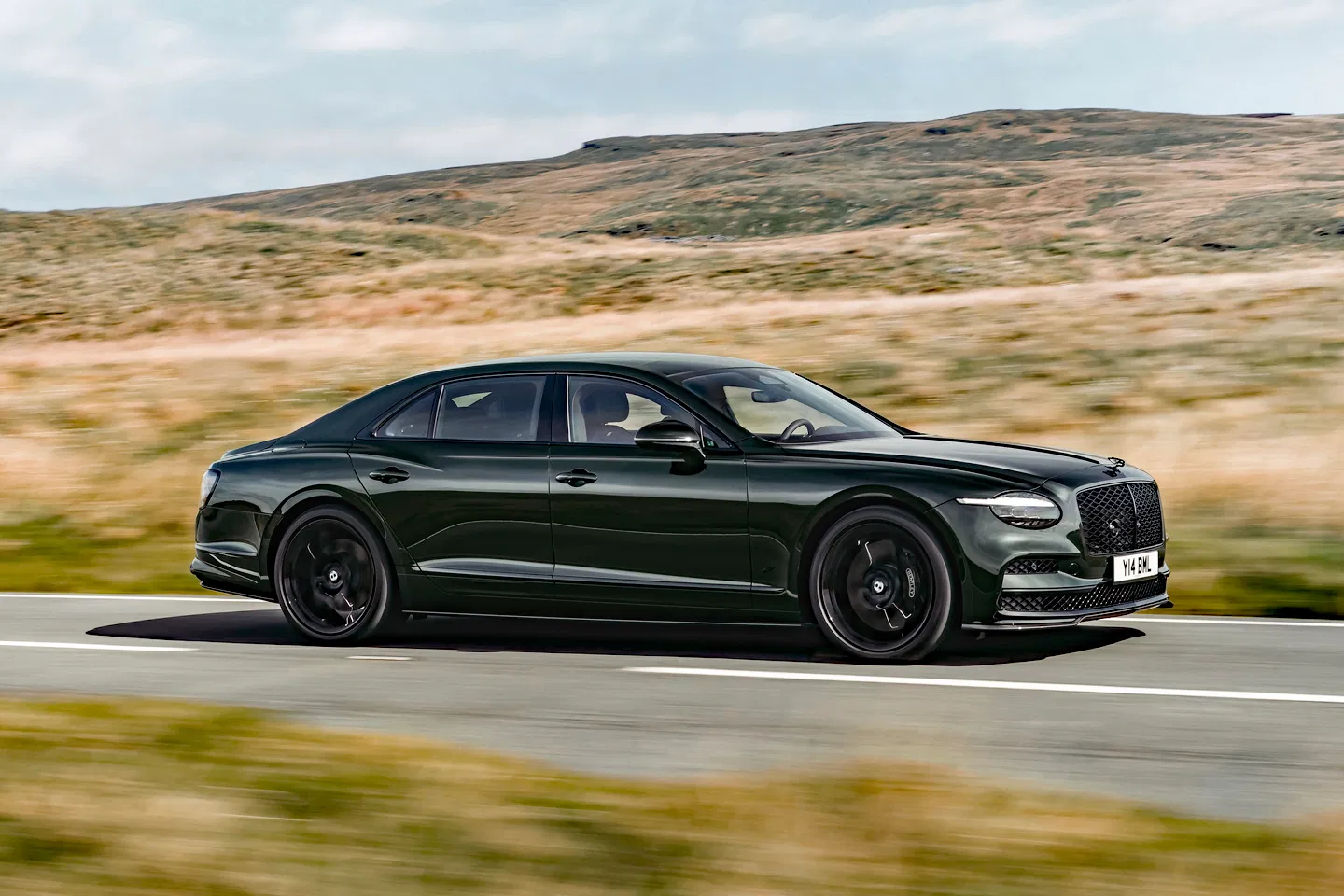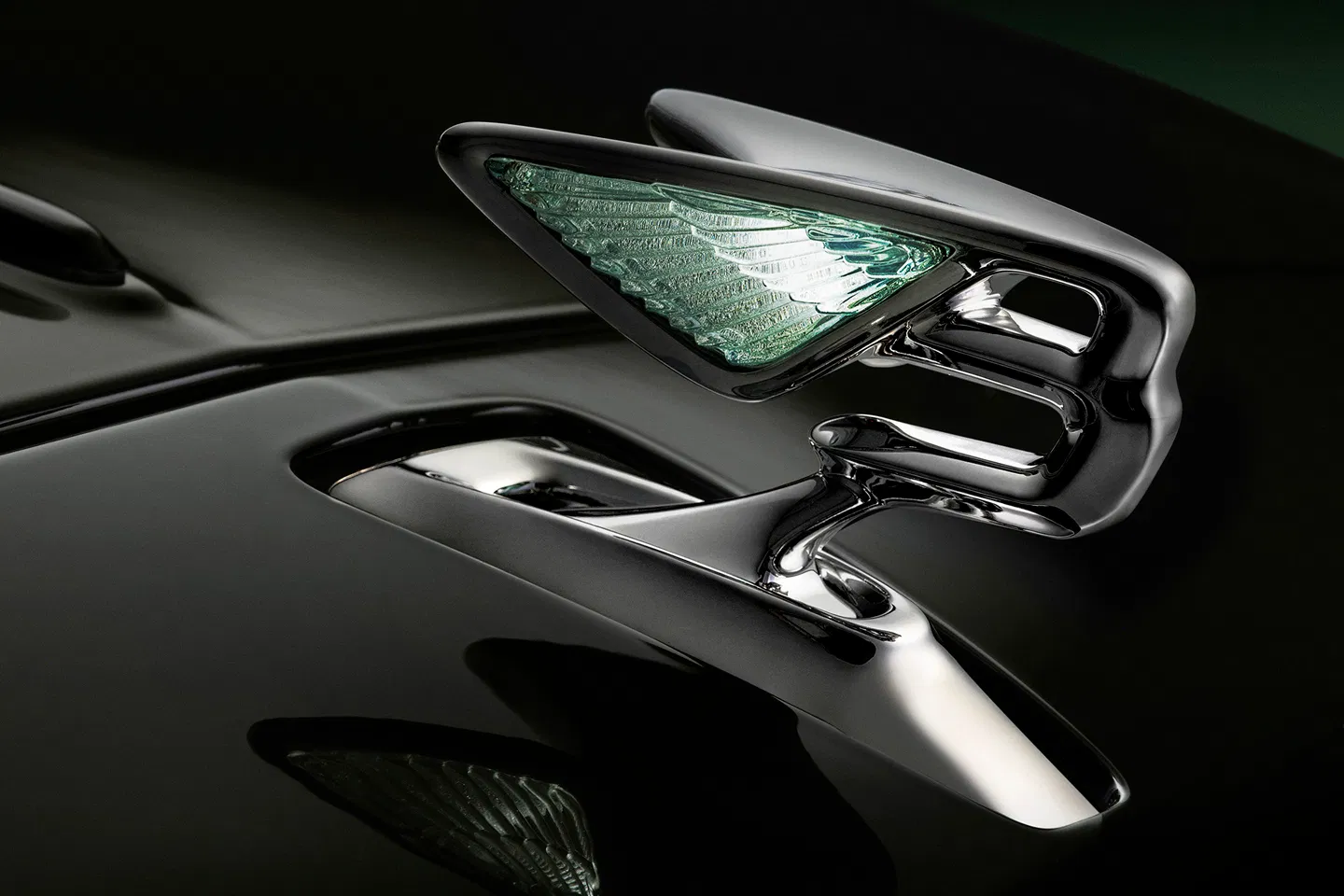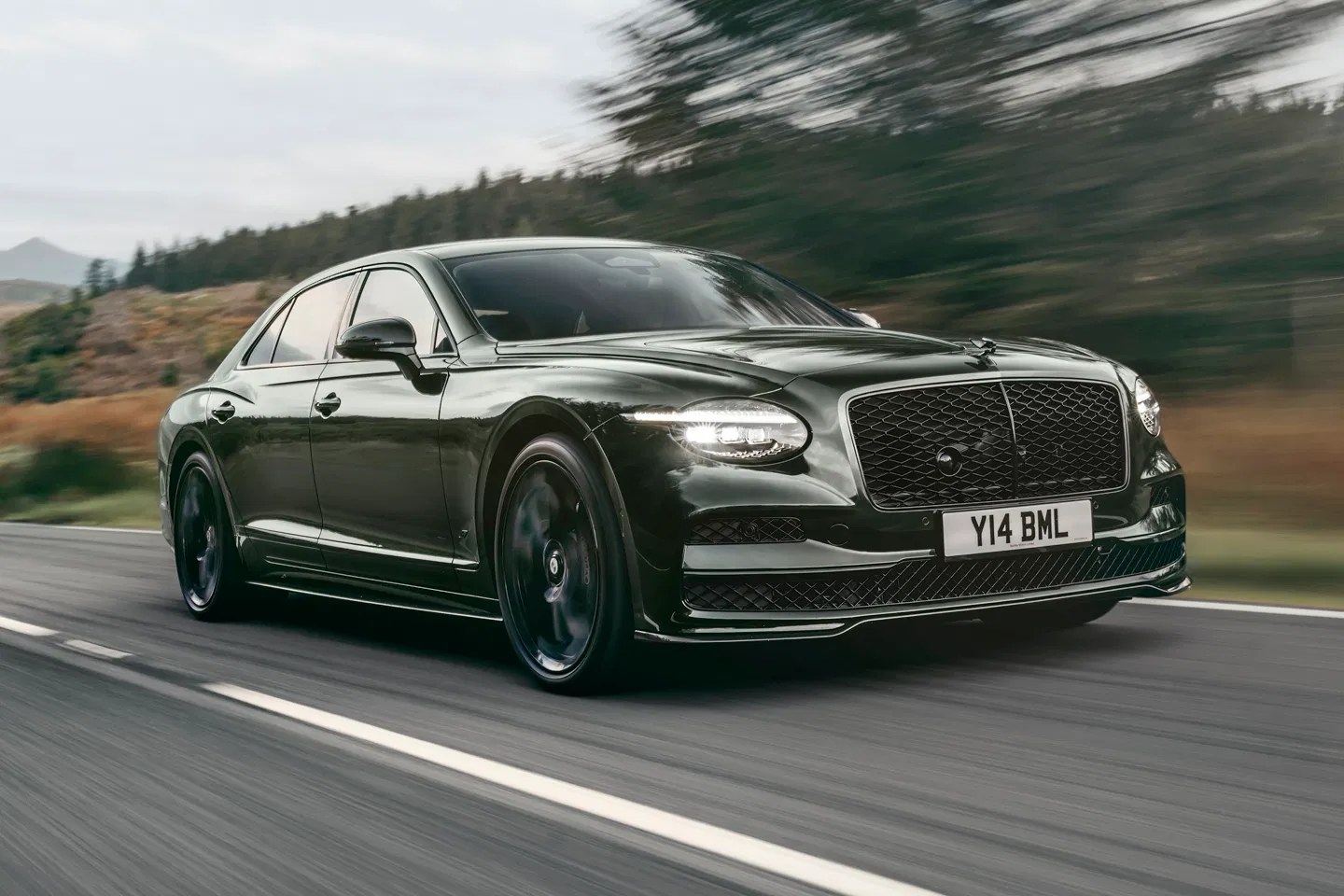
Bentley has given the latest Flying Spur a subtle but meaningful refresh, bringing its design language closer to the newest Continental GT while quietly marking the end of an era. For the first time since the early 1960s, the British luxury marque has fitted a modern four-door model with single headlamps instead of the familiar twin-light arrangement that became a signature on cars like the Mulsanne, Arnage and Turbo R.
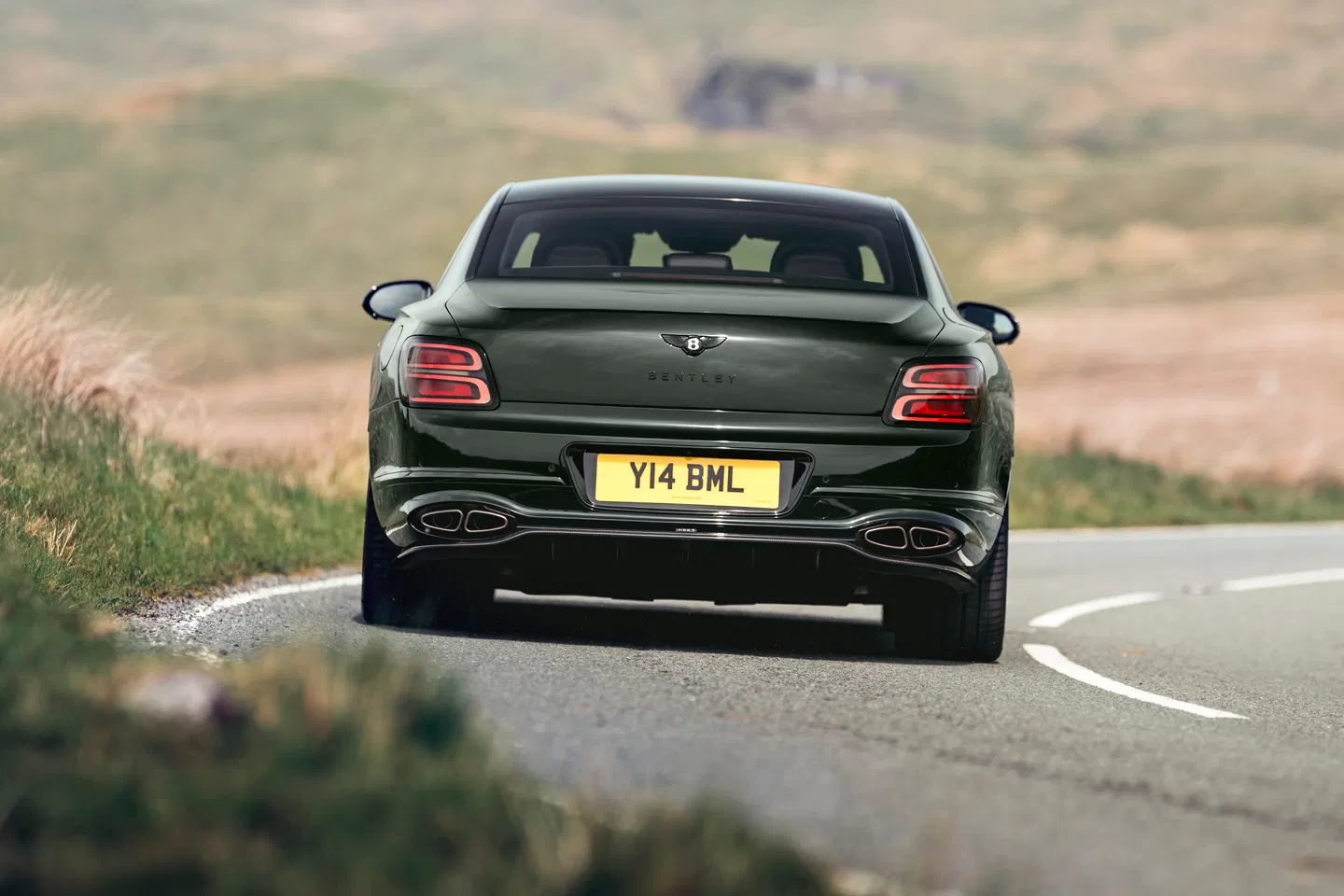
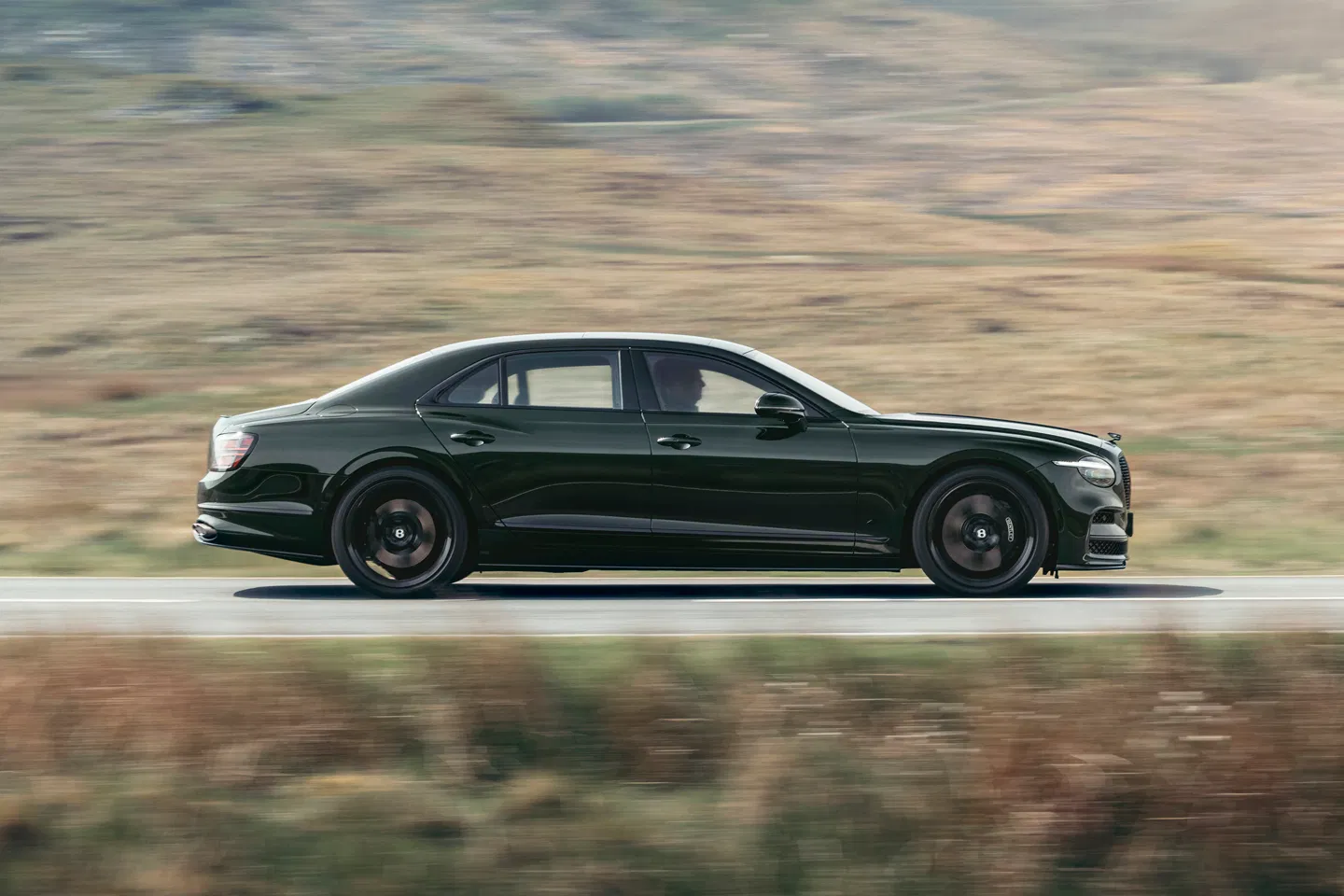
The visual changes are evolutionary rather than dramatic, but they sharpen the Flying Spur’s overall presence. Up front, the grille is now integrated more cleanly into the bumper design, while revised rear lighting and a reworked boot lid slightly modernise the sedan’s silhouette. Bentley has also introduced a fresh set of 22-inch wheel designs, and keen-eyed enthusiasts will notice that the traditional wing vent detailing has disappeared in favour of a cleaner front fender treatment with discreet badging positioned behind the front wheel.
More importantly, Bentley has revived the Flying Spur S badge. Positioned between the standard High Performance hybrid and the range-topping Ultra Performance Speed model, the new S borrows heavily from the more powerful flagship. Its plug-in hybrid V8 setup develops 671 hp (500 kW), while incorporating chassis and handling technology previously reserved for the 771 hp (575 kW) Speed derivative.
That means buyers get Bentley Performance Active Chassis, Bentley Dynamic Ride and revised ESC calibration aimed at delivering a more engaging driving experience without sacrificing the car’s trademark refinement. Compared to the previous Flying Spur S, the newcomer produces an additional 130 hp. Performance is properly serious too, with the luxury sedan capable of hitting 100 km/h (62 mph) in 3.7 seconds before topping out at 307 km/h (191 mph).
The updated Flying Spur also introduces several new personalisation options. Dark Teal joins the exterior colour palette, while customers can now choose from five distinct seat configurations. Bentley is additionally launching something called the Virtuoso Collection, which adds Champagne Gold trim elements, bespoke embroidery and upgraded cabin materials intended to elevate the sense of craftsmanship even further.
Every Virtuoso-spec car comes standard with the optional Naim for Mulliner sound system, though it can still be ordered separately on other Flying Spur variants. Developed originally for the limited-run Batur, the system costs around £25,000 and represents one of the most extravagant audio upgrades currently available in a production car.
Bentley claims it delivers the most immersive in-car audio setup the company has ever offered. The system uses 21 speakers inspired by Focal’s flagship Grand Utopia speakers and is engineered to provide improved clarity, depth and frequency response throughout the cabin. In a segment where rear-seat comfort matters just as much as outright speed, it is likely to become one of the most frequently selected options.
Production of the revised Flying Spur is scheduled to begin at Bentley’s Crewe facility in September, with first customer deliveries expected before the end of the year. Pricing has not yet been confirmed, although the previous model started just below R5 million while the Speed asked at least R6.2 million. The new Flying Spur S is expected to slot neatly between the two.
Ironically, this update may also increase interest in older Flying Spur models, particularly for buyers who still prefer Bentley’s more traditional twin-headlight look.