
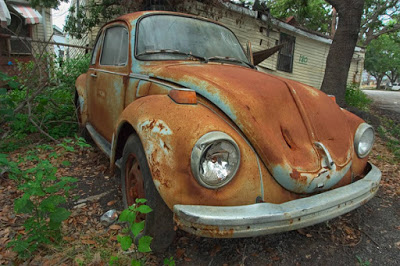
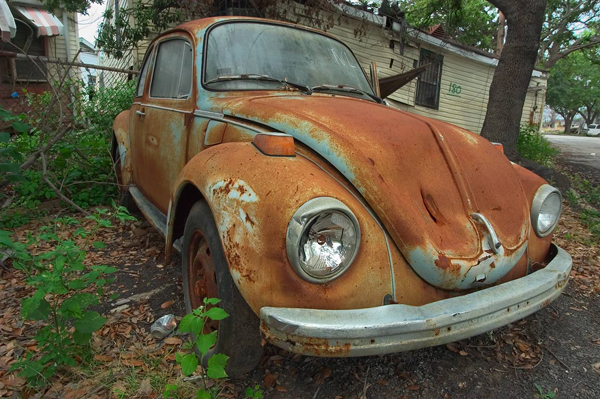
 If you have an old car and rust is starting to appear, it’s not a good sign. It means that an electro-chemical corrosion problem has started to occur that isn’t going to stop unless you take action. The good news is that rust can be stopped. Whether it is stopped by a professional body repair person, such as by the guys at Akins of Winder, GA, a full-service Mopar dealer, or if you do it yourself doesn’t really matter. It just should be attended to soon. In this article we will look at the options you have.
What is rust?
Rust is the result of an electro-chemical reaction between iron and oxygen. The end result is iron oxide, also known as rust. As with many chemical reactions we need a third compound to assist the reaction and that compound is water. Water can be in the form of rain or just relative humidity, so the dryer the climate you live in, the less rust you will experience. This is why the best antique cars come from Arizona and other western states with dry climates.
Your options
If your car is starting to show rust, it isn’t going to stop. If you are going to keep the car, you have four options to stop the rust:
• Physically remove it
• Chemically remove it
• Encapsulate or seal it
• Convert it
Physical removal
Physical removal of rust involves using something like sandpaper, wire brushes, grinding or sand blasting. Wire brushing will take the longest time and isn’t really used by professionals, Sandpaper is better and if you use a power tool or air tool it’s even faster. Grinders are great if you have a lot of rust on heavy metal. Sand Blasting is messy but is a great way to remove rust.
Chemical removal
You can use chemicals to remove rust. There are several products on the market that have some form of acid (Phosphoric Acid, typically) and can be applied to rust. Care should be taken when using these chemical rust removers as they are real acids and can cause burns. The advantage of using chemicals is that there is a lot less work involved, and the liquid can easily squeeze in to cracks and crevices.
Encapsulate or seal
Take away one component of the electro-chemical reaction and further rust cannot form. For example, if you can keep oxygen from getting to the base metal you can halt the rust process. Some rust sealers can be top coated with paint and even filled with body filler and sanded for a smooth finish.
Rust Conversion
Similar to encapsulating, rust converters seal off the base metal from oxygen using a coating of the rust itself. The rust is chemically converted into a hard durable layer which does not allow the oxygen in the atmosphere to further react with the metal underneath. The advantage of using this method is that the rust converter is often water soluble and safer than using acids.
Which process is best?
Well, it depends on where the rust is.
Body Panels: on a body panel, it is best to actually remove the rust by sanding or grinding it out. Following up with a chemical removal product if any rust remains in pits or crevices. Immediately follow up with an epoxy primer and finish panel with your paint of choice.
Frame components: If you have light rust on your frame, an encapsulator paint is the quickest way to stop the rust and provide a finish which is presentable.
Wheels: If you have steel wheels that are rusting, I would recommend sandblasting and then a good coat of paint
What about Rust Prevention?
Rust prevention or rust proofing involves interrupting electro-chemical reaction before the rust can form. Generally this means keeping water and oxygen out.
• Paint: Most modern paints provide a great barrier to prevent rust.
• Undercoating: Sometimes applied at the factory, sometimes sold as an add-on at a used car dealer, undercoating is a thick coating which protects the underside of your car
• Rust Inhibitor: A thin petro-chemical which is sprayed on the underside of your car and creates a barrier to keep moisture and oxygen from reacting with the steel underneath.