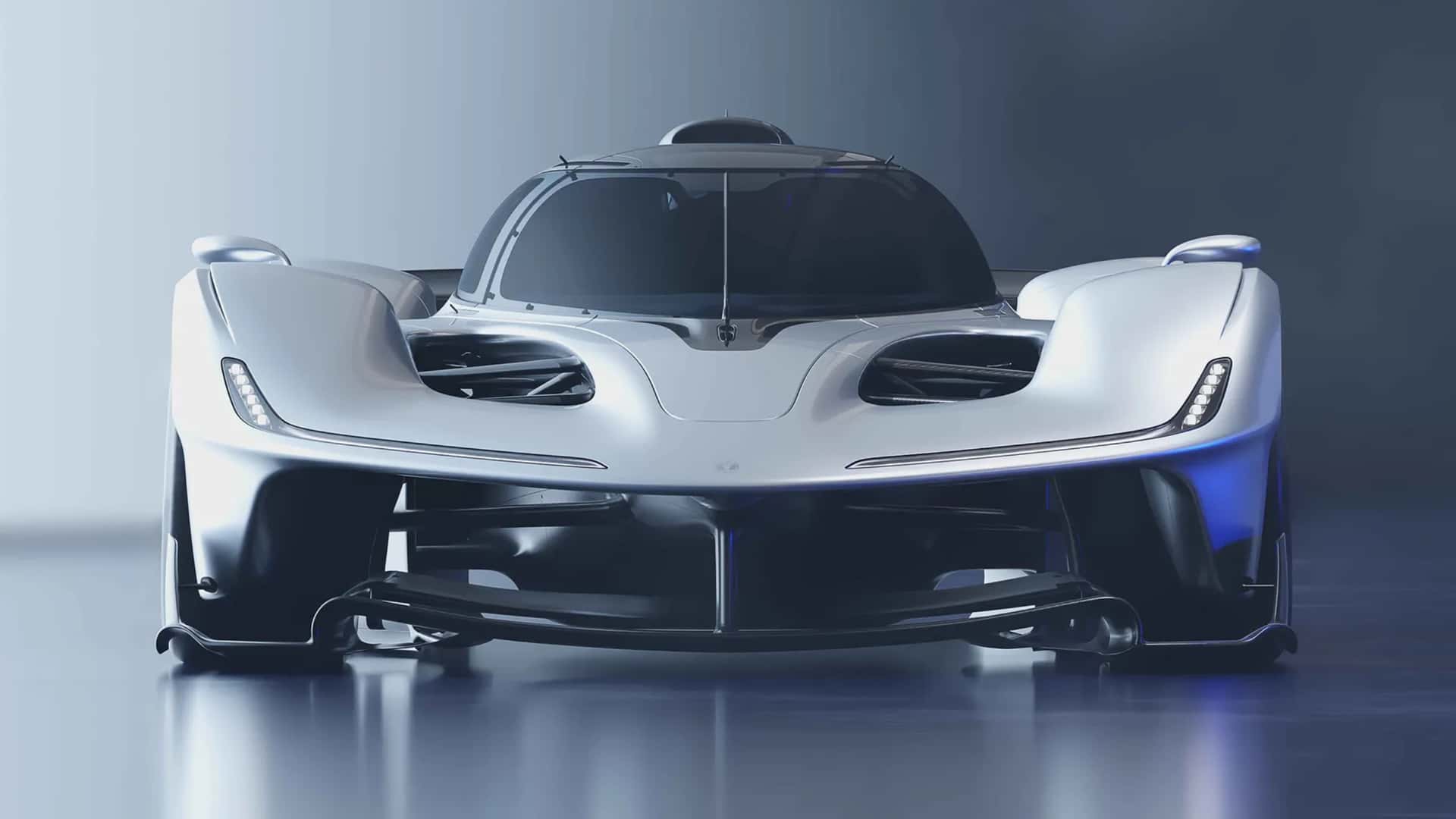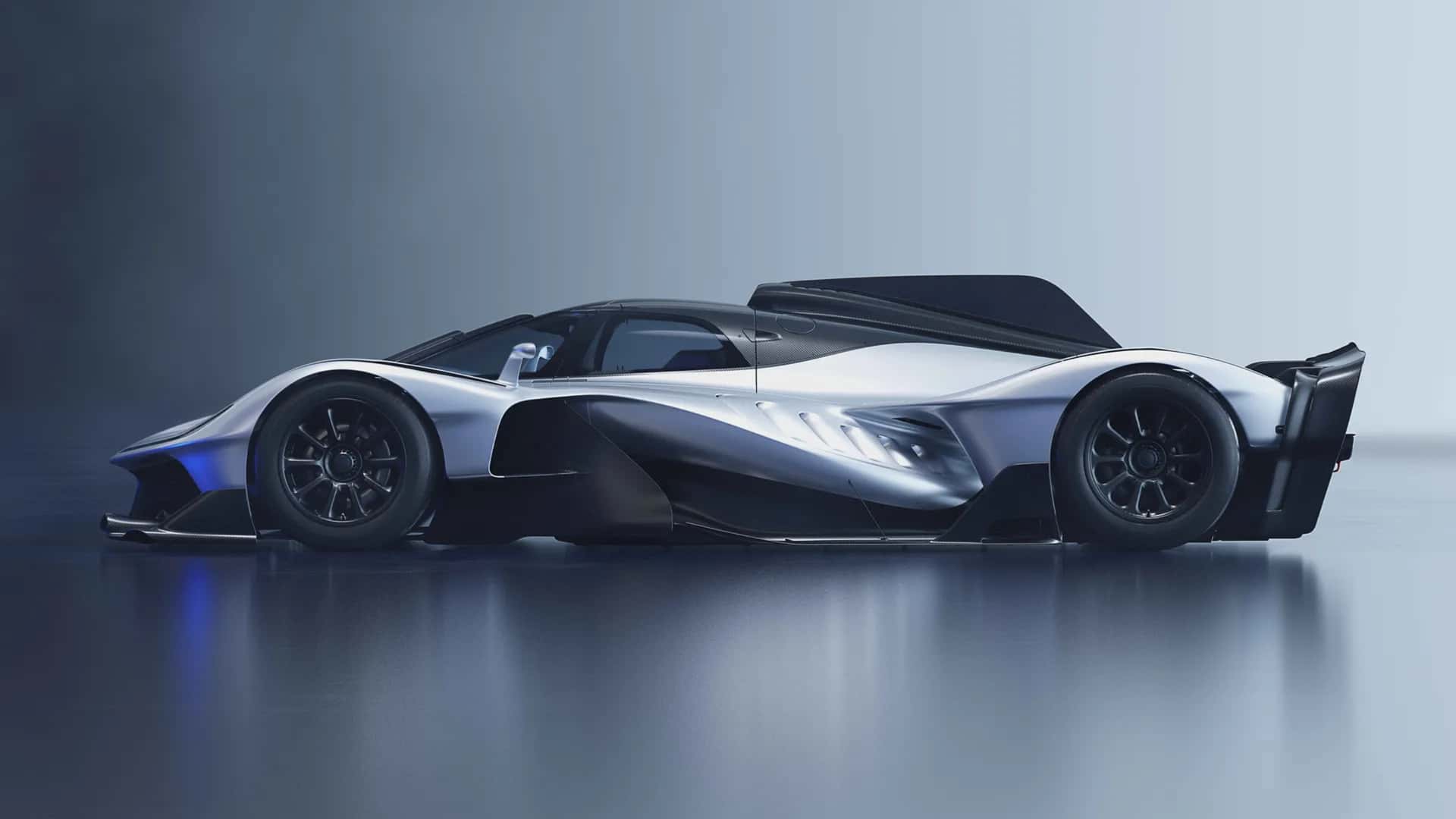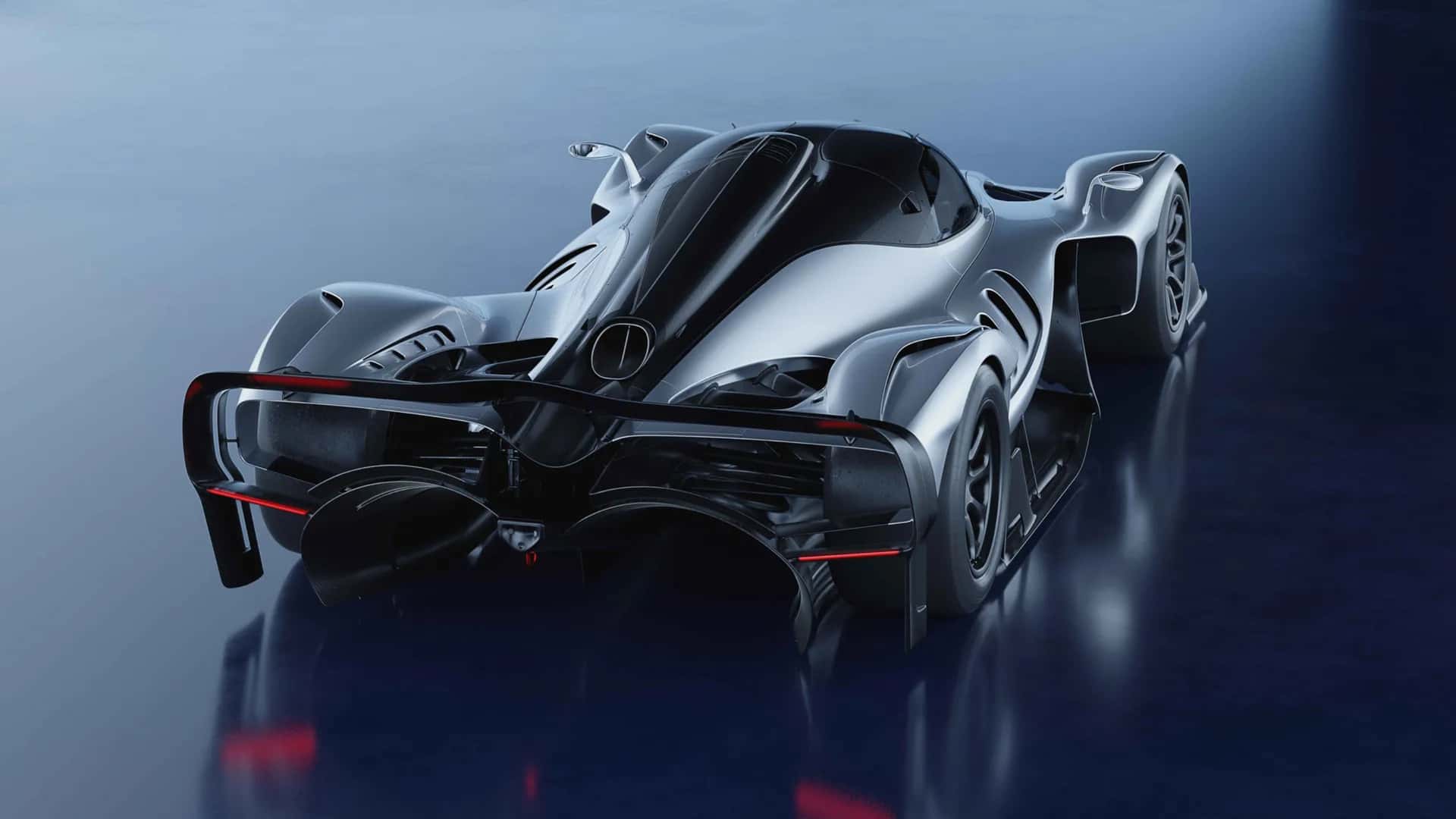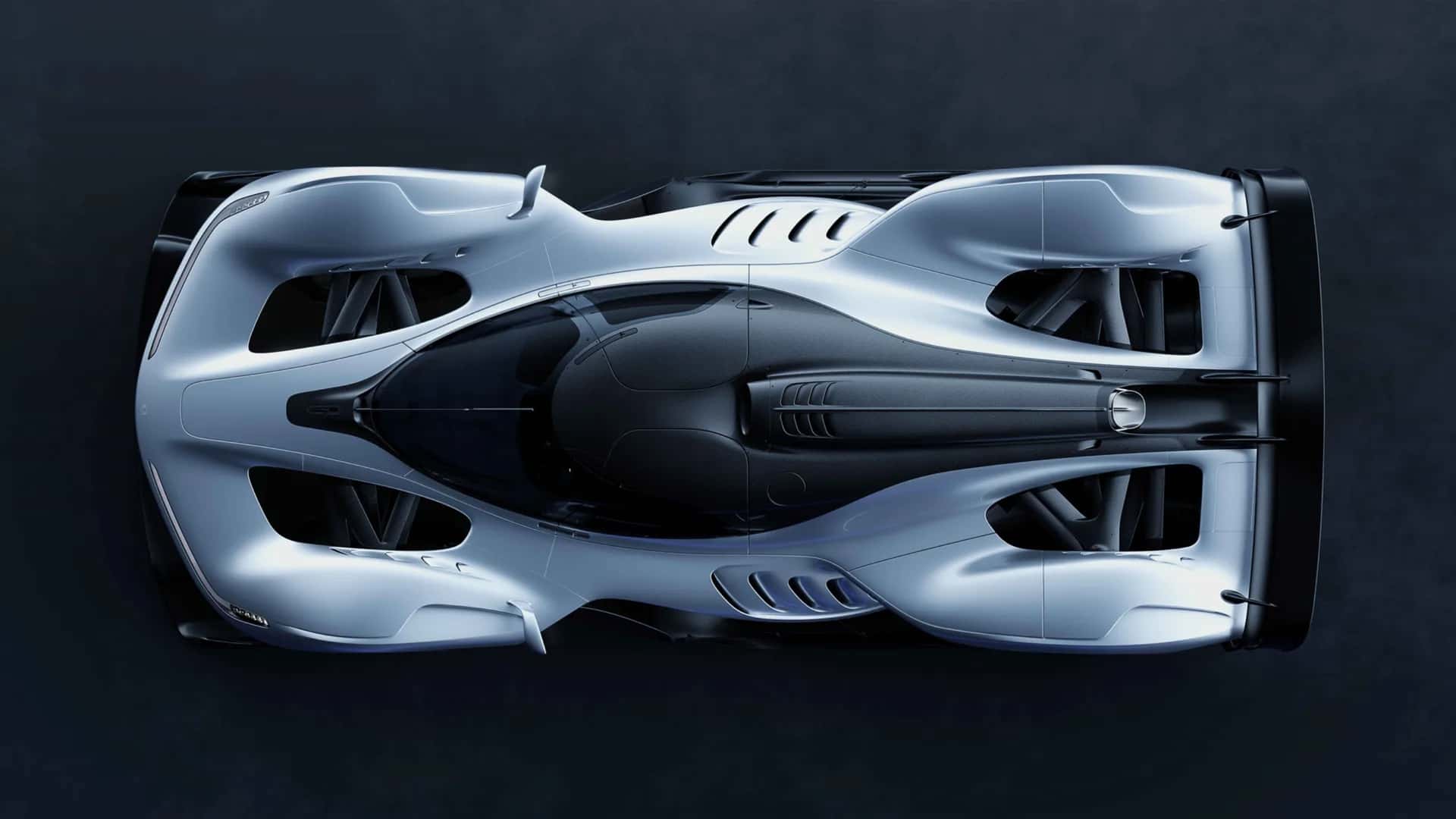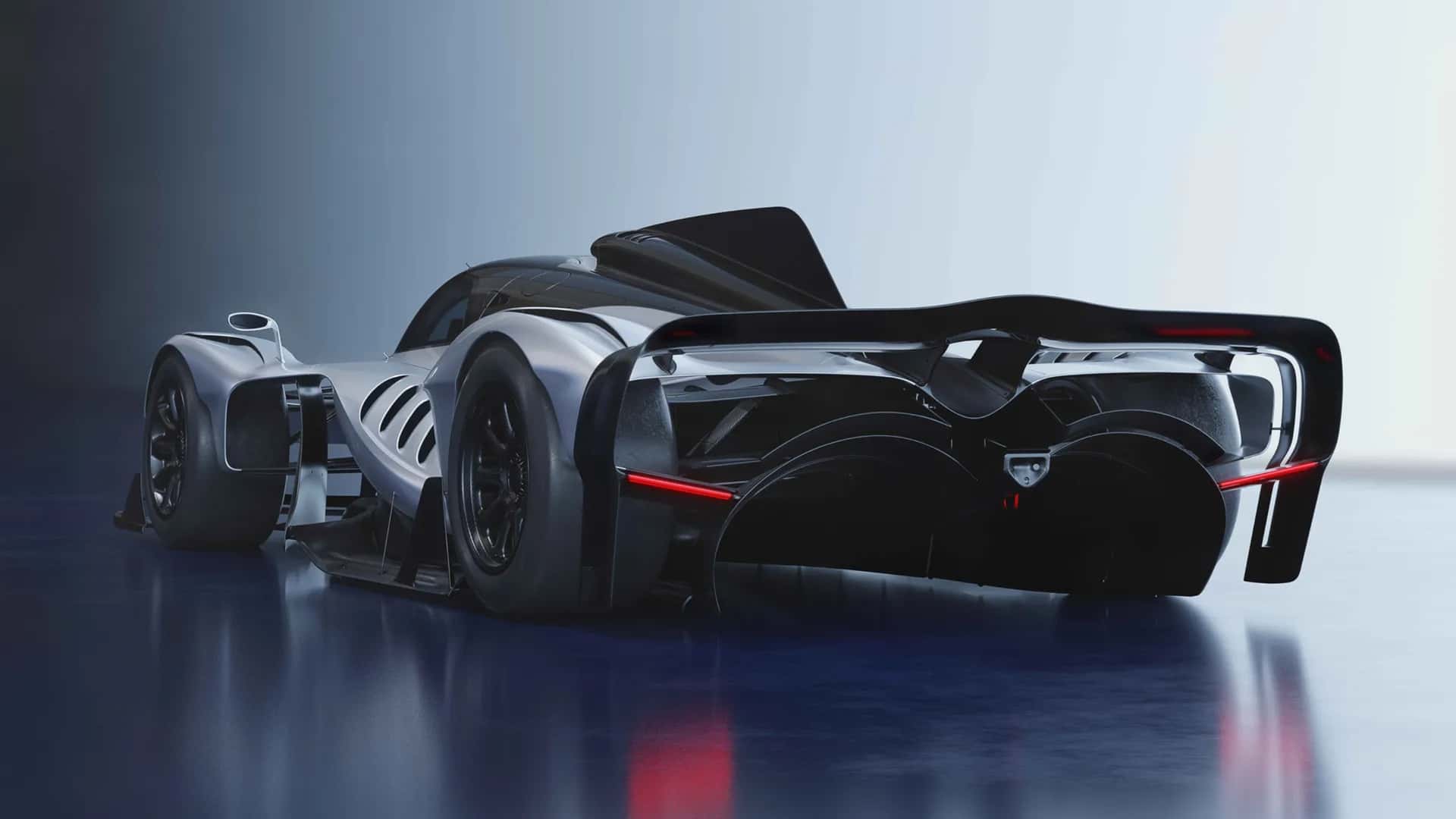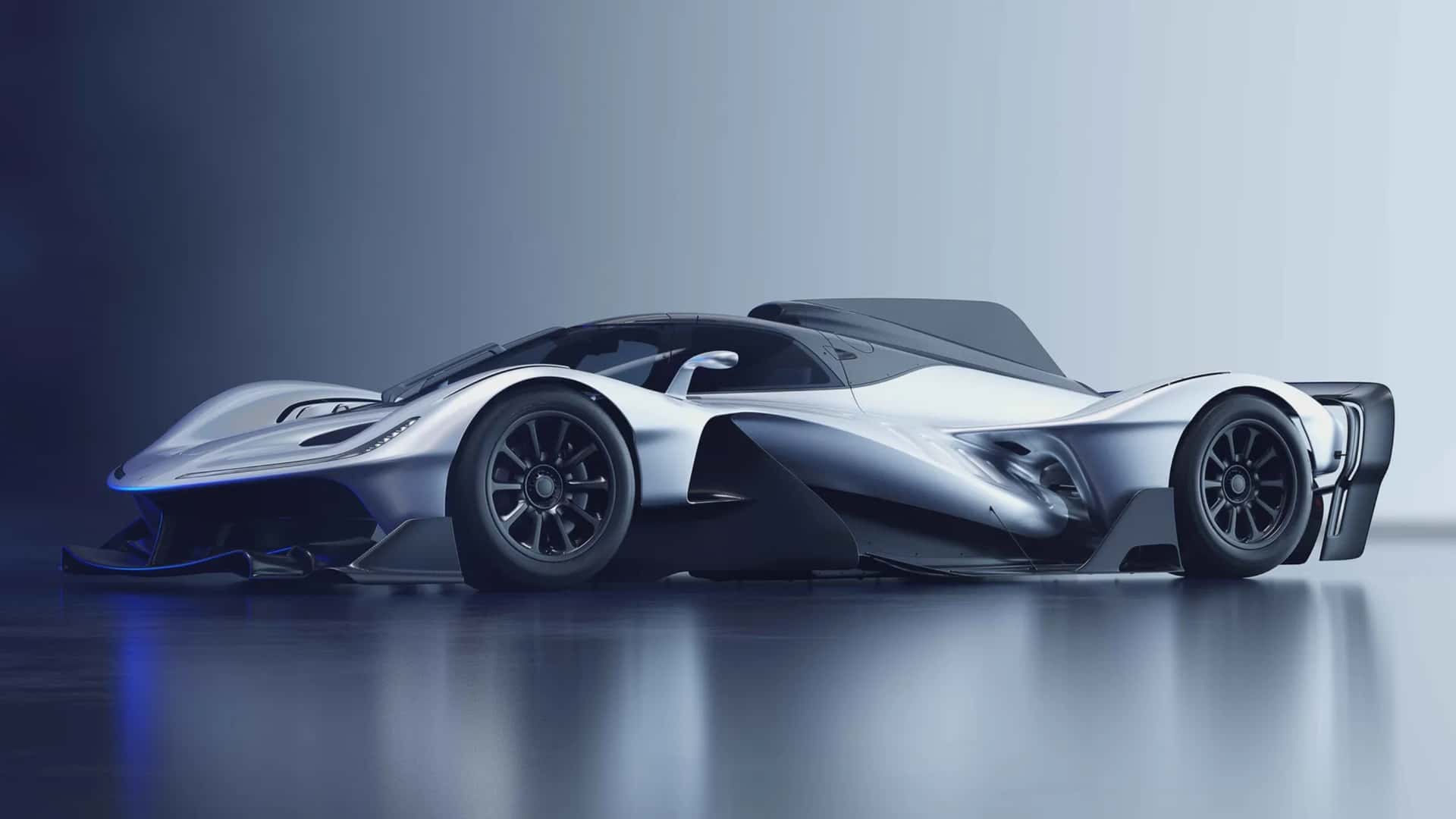
As Adrian Newey settles into life at Aston Martin, his final Red Bull project continues to evolve. Red Bull Advanced Technologies has released a fresh set of images of the RB17 hypercar, revealing a number of changes since the hybrid V10 machine made its public debut at the 2025 Goodwood Festival of Speed.
A few practical concessions have been introduced, including larger hockey stick-style headlights, proper exterior mirrors, and a windshield wiper. A fin has appeared along the spine of the car, while the many vents scattered across the bodywork now look sharper and more defined. The latest version is also slightly larger than the car shown at Goodwood, although its footprint still closely mirrors that of a modern Formula 1 car. According to Top Gear, which spoke to Red Bull Advanced Technologies technical director Rob Gray, the changes reflect both development progress and ongoing input from Newey.
Adrian is still allowed to consult on the project and remains closely interested in how it is developing, Gray explained. He added that the team already understood Newey’s original vision for the car, and that he remains available whenever further guidance is needed.
Newey’s 19-year run with Red Bull Racing stands as one of the most successful designer and team partnerships in Formula 1 history, producing seven drivers’ championships, six constructors’ titles, 101 pole positions, and 118 race victories. During that time, Red Bull gave Newey freedom to pursue hypercar projects on the side, first with the Valkyrie and later with the RB17. Aston Martin’s evolution into a full works F1 team brought that partnership to an end, along with Newey’s involvement in the Valkyrie programme, making his current situation feel more than a little familiar.
Newey was deeply involved in every aspect of the RB17’s design, and that influence continued even after the car was unveiled. One significant late change saw the exhaust relocated onto the engine cover, a move that required additional engineering work to prevent surrounding components from overheating. The new exhaust layout amplifies the sound of a bespoke Cosworth V10 that revs to 15,000 rpm and produces 1,000 horsepower (746 kW) on its own. An electric motor contributes a further 200 hp (149 kW), filling torque during upshifts and eliminating the need for a conventional reverse gear.
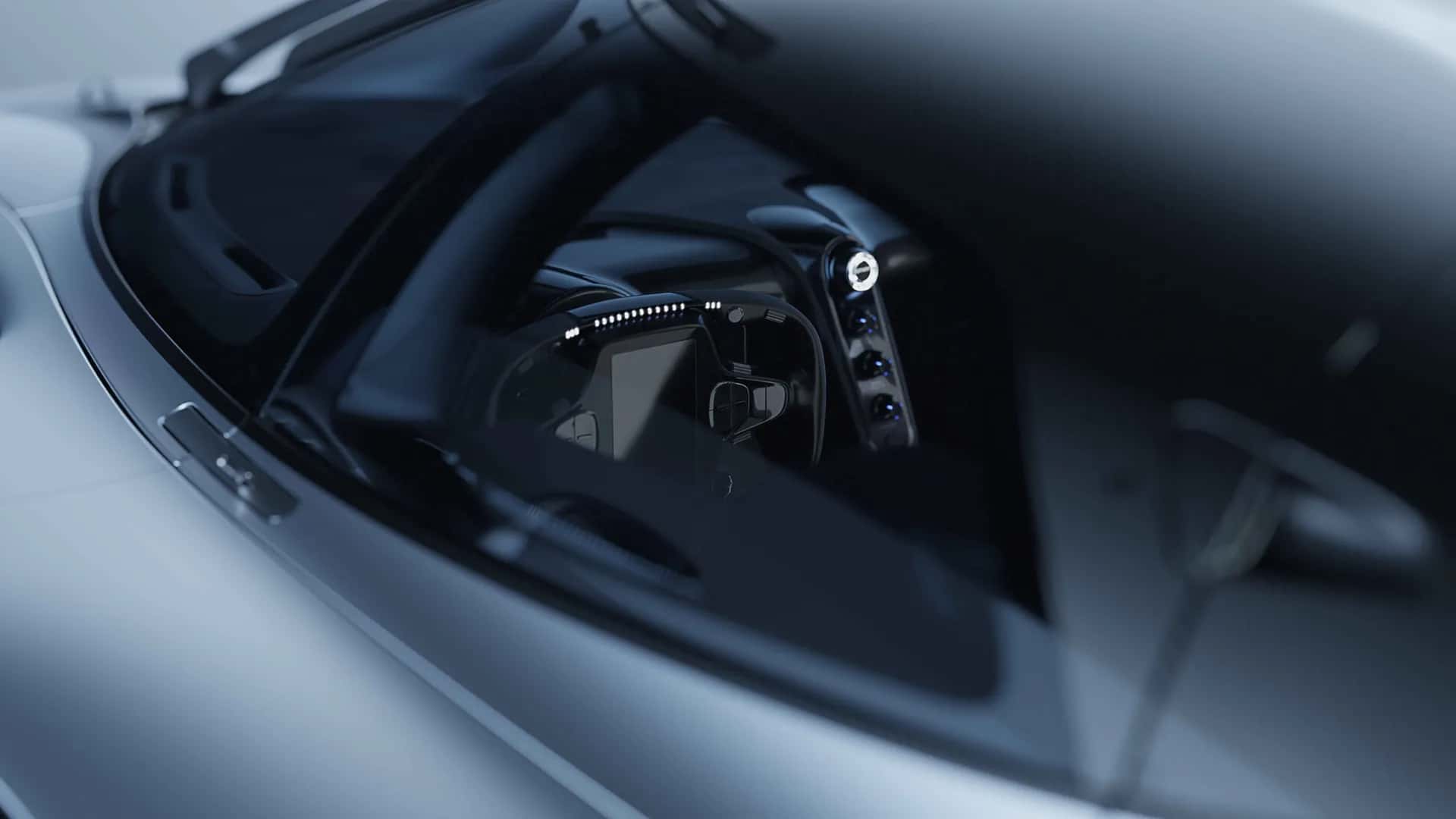
The interior has also been revealed for the first time, and it is refreshingly free of touchscreens and haptic controls. With the RB17 designed to operate at performance levels comparable to an F1 car, the focus remains firmly on physical controls and driver engagement. Despite not being intended for competition, the car is being engineered to Le Mans prototype crash standards. Front-hinged doors have been chosen to improve access compared to the Valkyrie’s gullwing setup.
The first RB17 prototype is currently under construction, with a public debut expected later this year. Only 50 will be crafted, each with a £5 million (plus local taxes) price tag and a left-hand drive configuration.