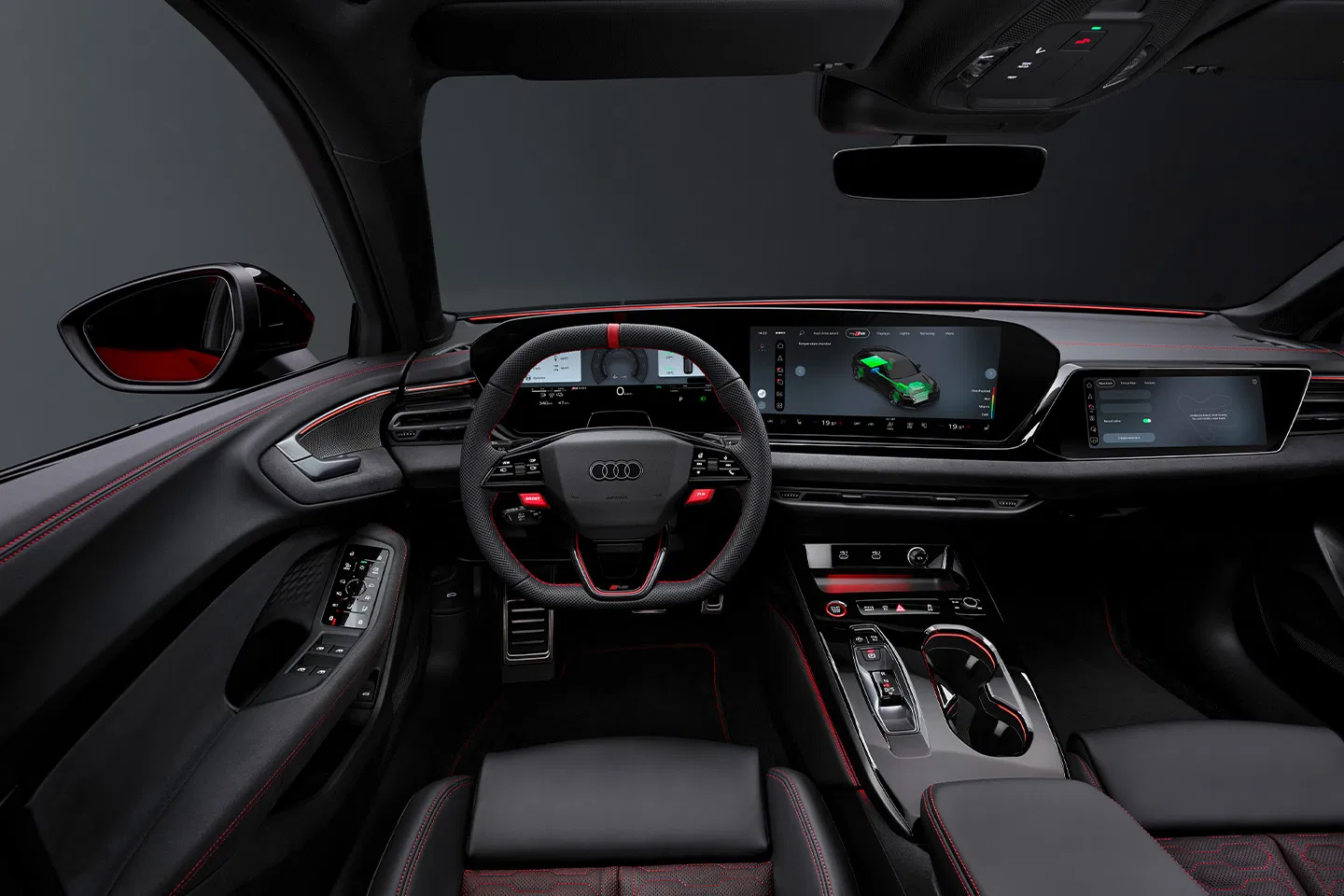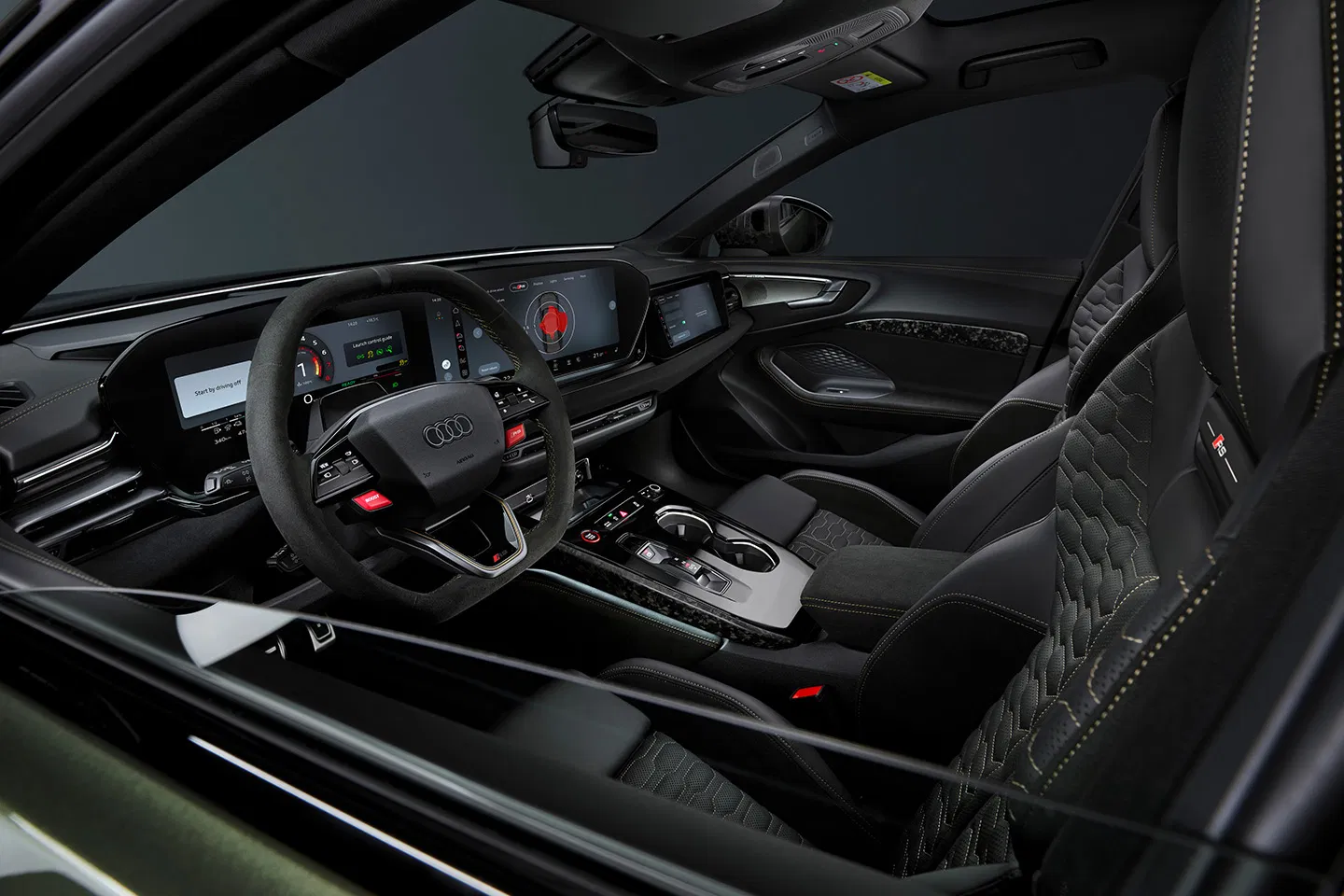
The all-new Audi RS 5 has officially stepped in as the successor to the RS4, and it marks a major turning point for Audi Sport. For the first time, one of the brand’s core RS performance models adopts a plug-in hybrid powertrain, blending traditional combustion muscle with electrified punch.
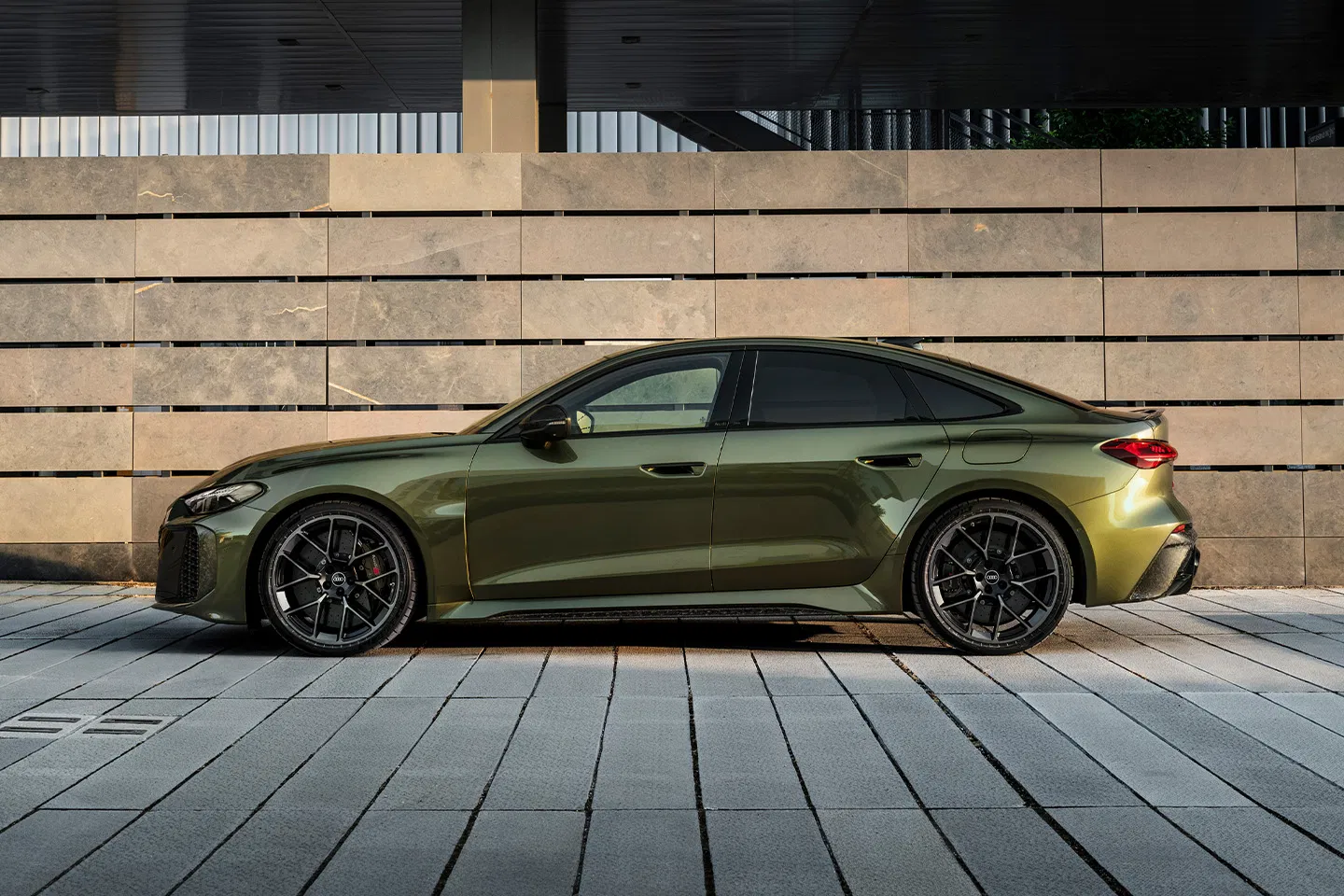
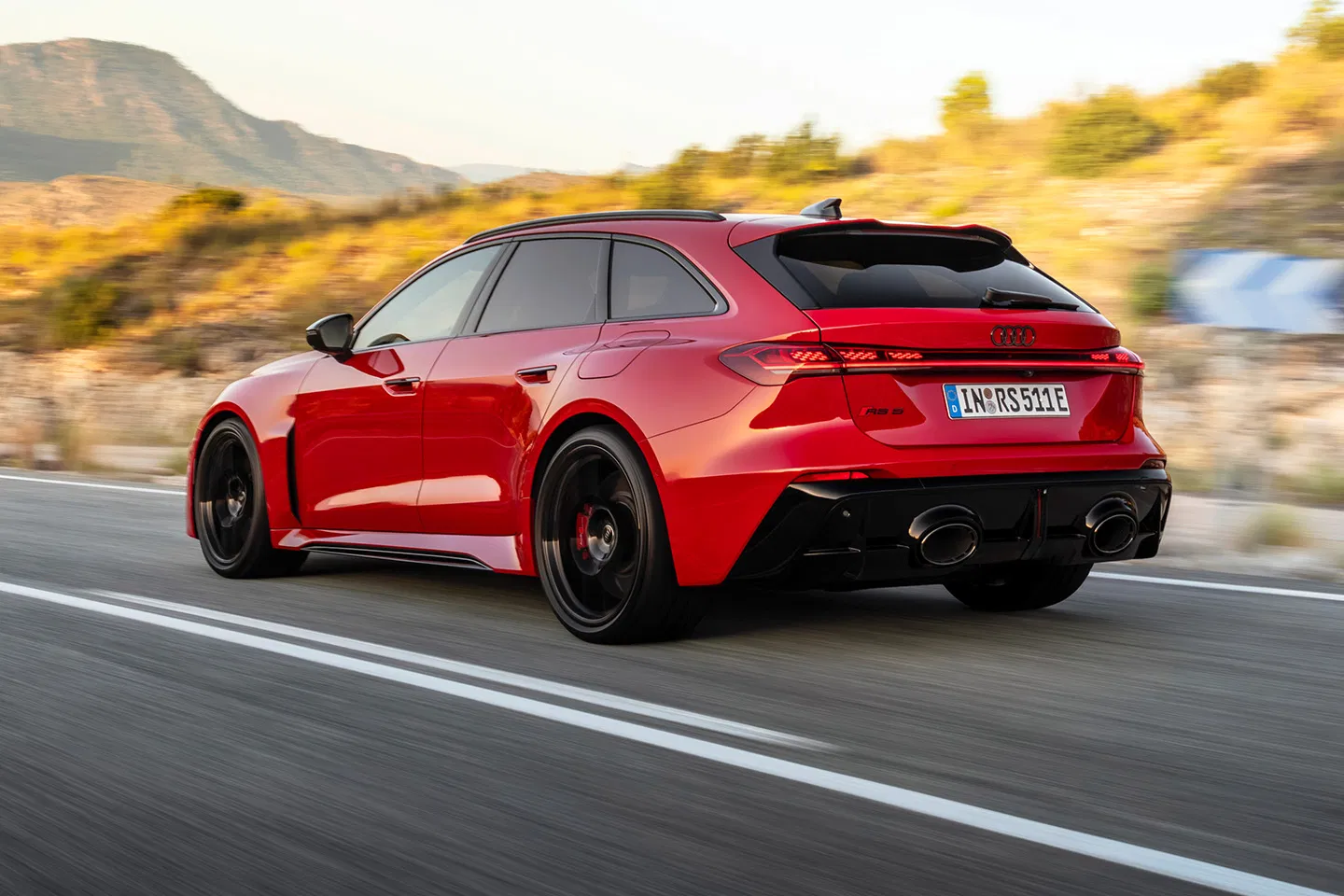
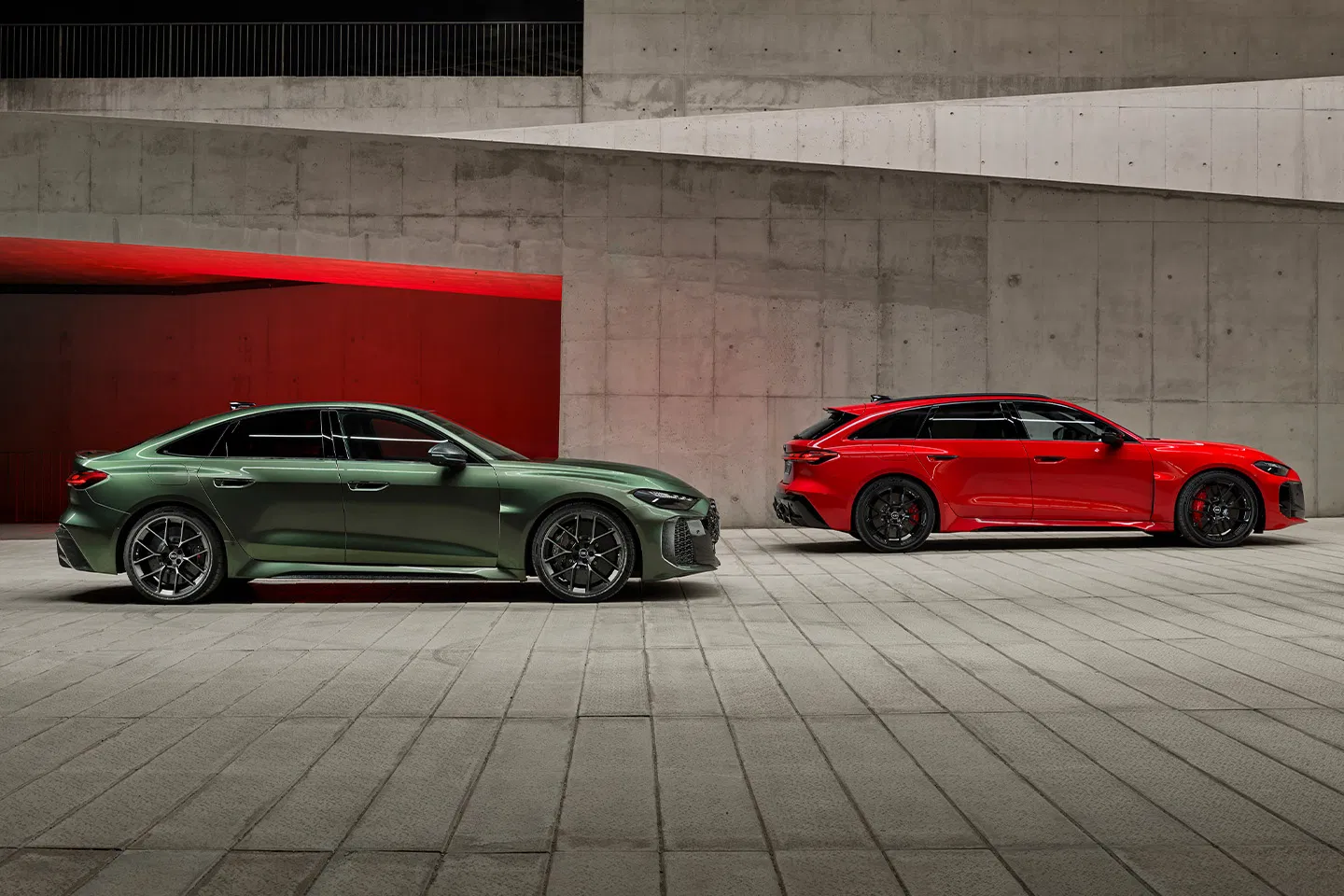
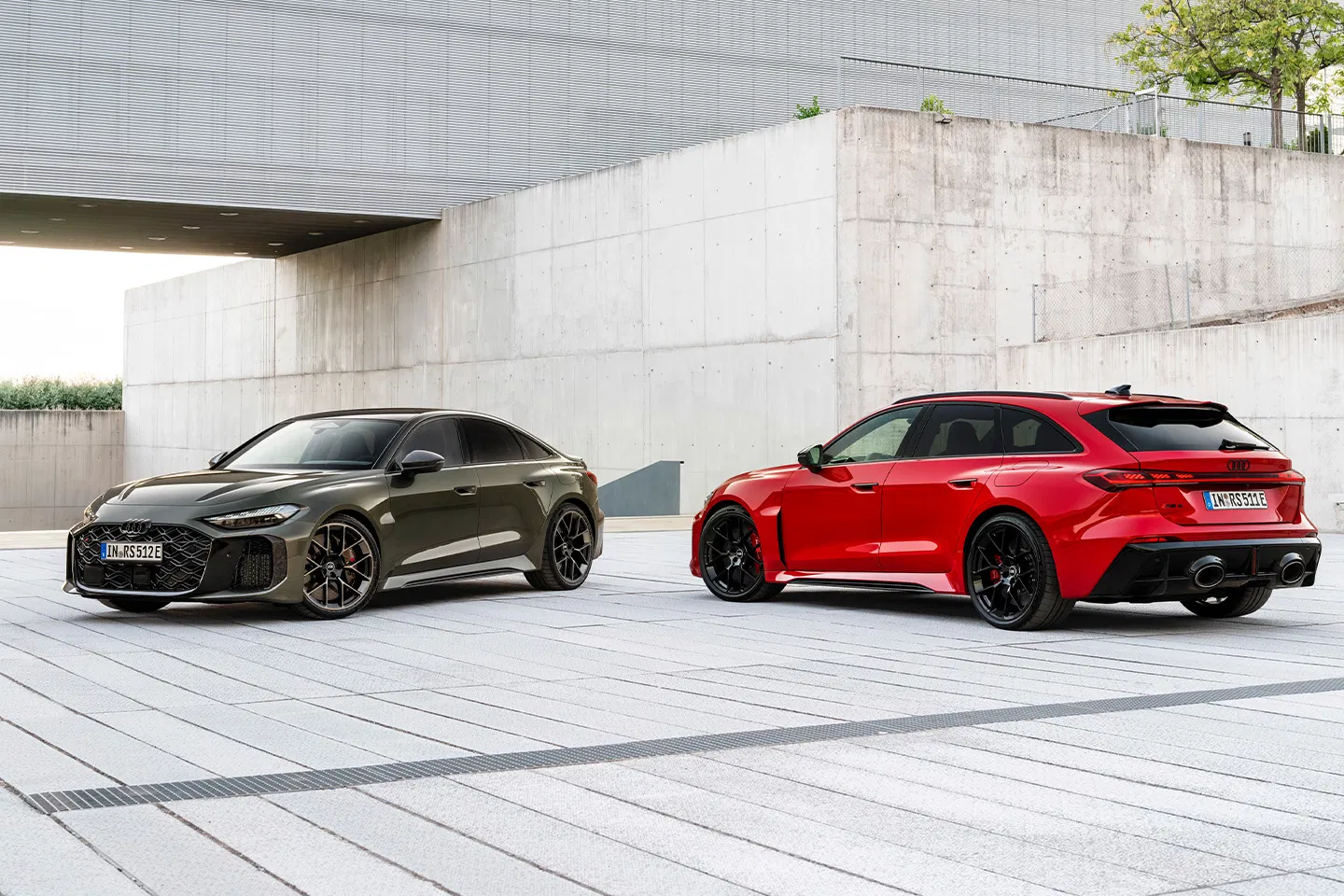
The name change follows Audi’s abandoned plan to separate ICE and EV models using odd and even numbers, but what matters more is the substance underneath. The new RS 5 arrives in both Avant Sedan form, and visually, it is far more assertive than the RS4 it replaces. Audi’s leadership also claims a long-standing criticism has finally been resolved: understeer is no longer part of the RS conversation.
At its core sits a heavily reworked twin-turbocharged 2.9-litre V6, now paired with a 22kWh usable battery and a 174 hp electric motor integrated into the gearbox. While the displacement remains familiar, Audi Sport boss Rolf Michl has made it clear that very little else carries over unchanged.
The V6 now runs a revised Miller combustion cycle, closing the intake valves earlier to improve efficiency and meet upcoming Euro 7 emissions standards. Injector pressure has been increased, and new water-cooled variable-geometry turbochargers sharpen throttle response while managing intake temperatures more effectively.
On its own, the combustion engine now produces 510 hp (380 kW). With the electric motor contributing, total system output climbs to 630 hp (470 kW), representing a 166 hp (124 kW) jump over the outgoing car. Power is delivered through an eight-speed automatic transmission.
Performance figures tell part of the story. The RS 5 sprints from 0 to 100km/h (62mph) in 3.6 seconds, shaving a tenth off its predecessor. Top speed is capped at 285km/h (177mph), slightly lower than before. Despite a kerb weight of 2,370kg for the Avant, Audi insists real-world acceleration feels significantly more urgent. In internal testing, the RS 5 reportedly pulls two car lengths on the previous RS4 Competition within just 2.5 seconds in a rolling drag race, largely thanks to the electric motor’s instant torque delivery.
The hybrid system also enables up to 80 km (50 miles) of electric-only driving, which makes this 470 kW family weapon surprisingly usable for daily commuting or even company car duty.
Braking hardware is serious. Up front sit 420mm steel discs, with 400mm units at the rear. Buyers can opt for carbon-ceramic brakes, trimming 30kg of unsprung mass.
Audi says the new electrified drivetrain plays a key role in curing the RS4’s traditional nose-heavy feel. A new Dynamic Torque Control system incorporates an electromechanical torque-vectoring rear differential. Essentially a limited-slip diff with its own 11bhp motor, it can shift up to 2,000 Nm (1,475lb ft) between the rear wheels almost instantly. Working alongside this is a locking centre differential capable of sending up to 100% of the drive to the rear axle. There is even an RS Torque Rear mode, effectively a drift setting for those who want to lean into the rear-biased character.
According to Audi Sport, the result is a fundamentally different driving balance. The claim is simple: understeer has been engineered out of the equation.
This places the RS 5 squarely against rivals such as the BMW M3 and Mercedes-AMG C63, both of which now employ all-wheel-drive systems with strong rear-drive bias.
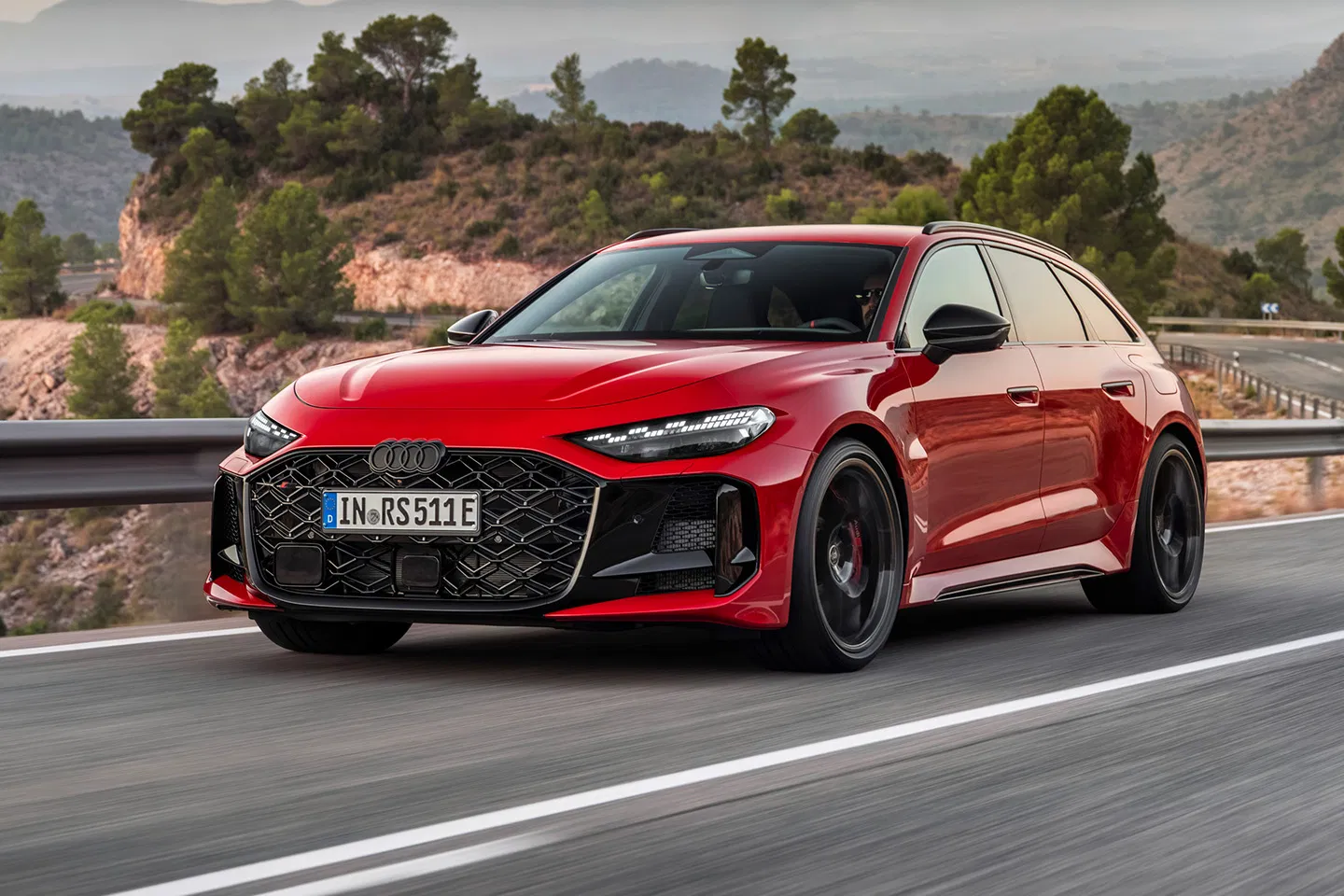
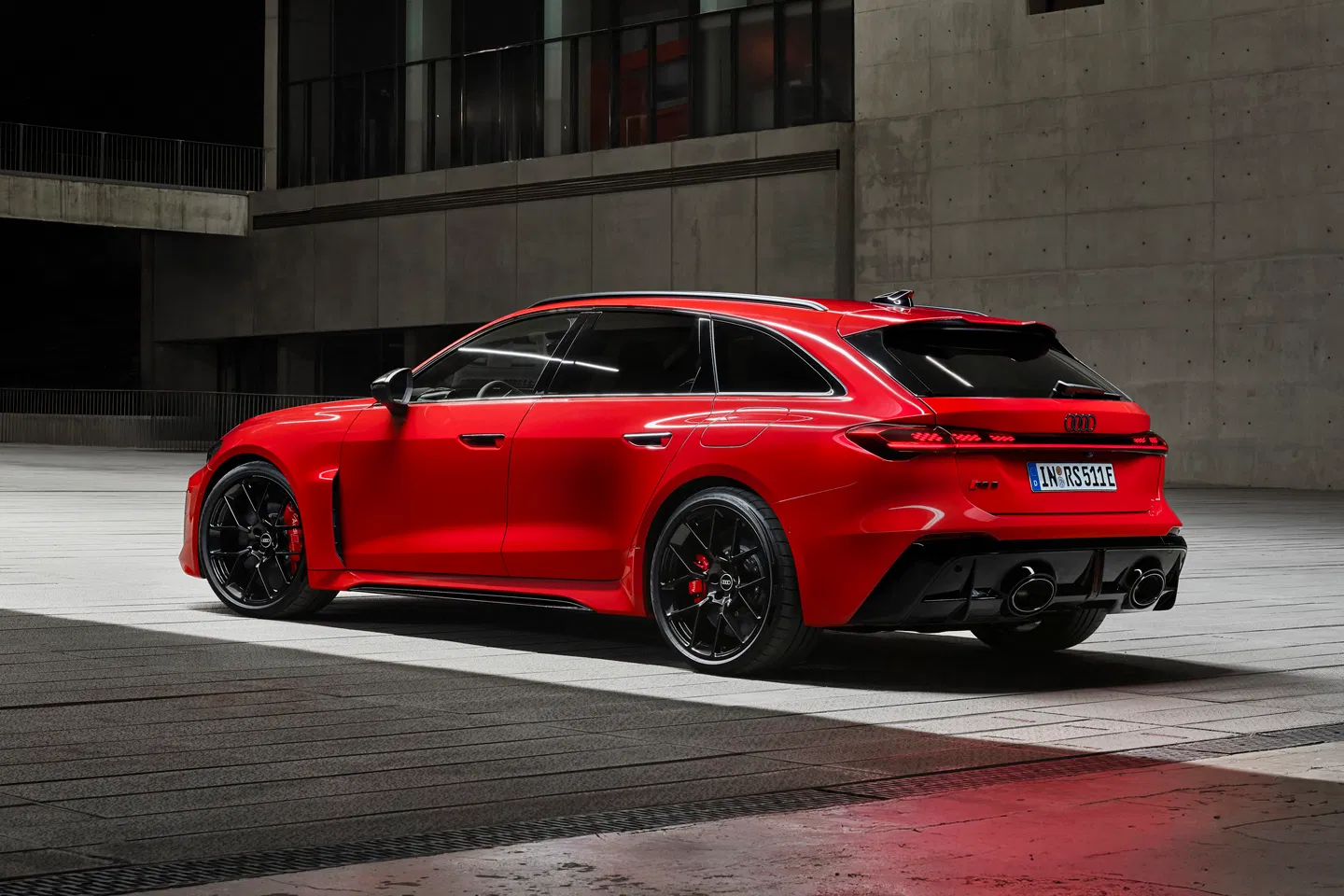
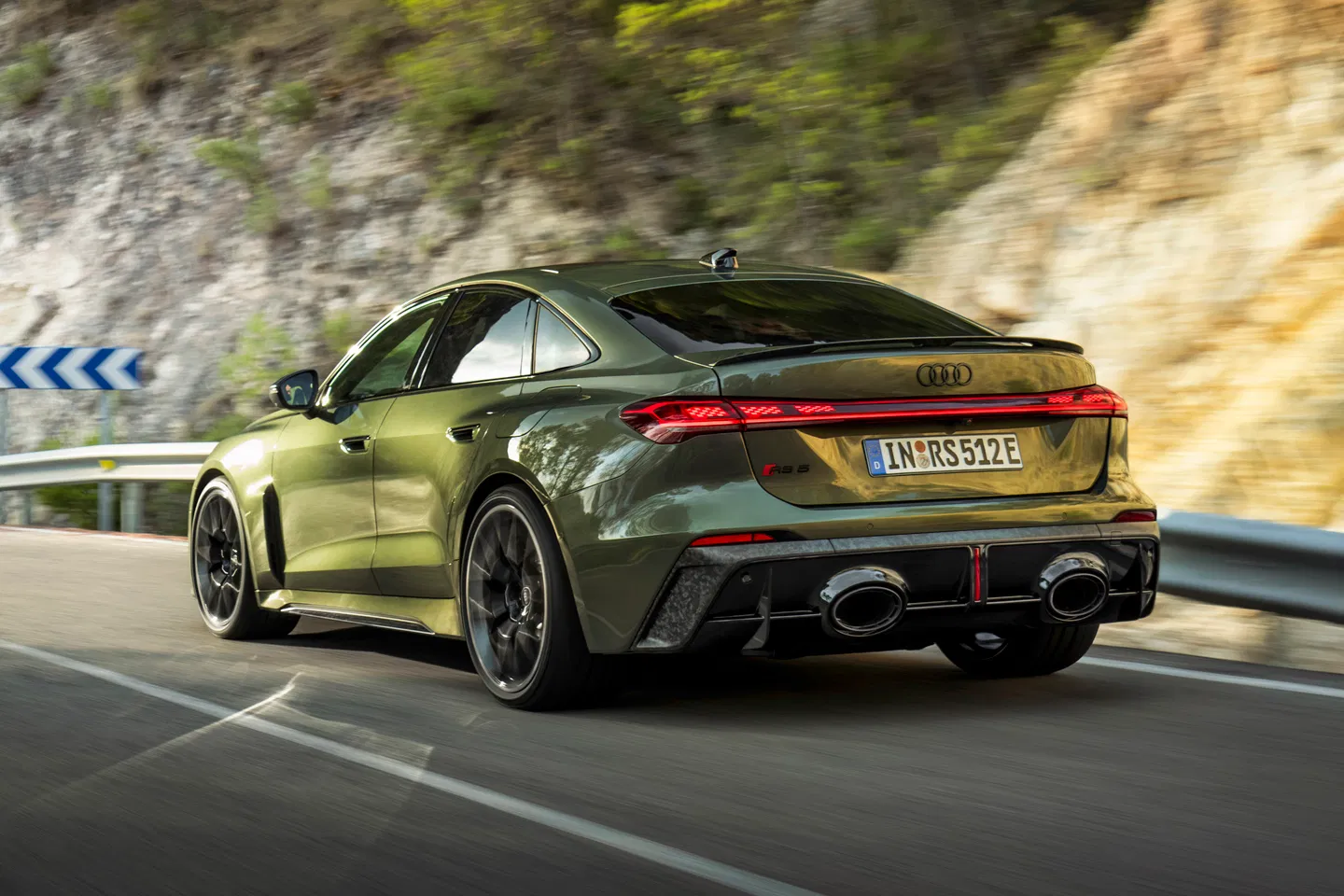
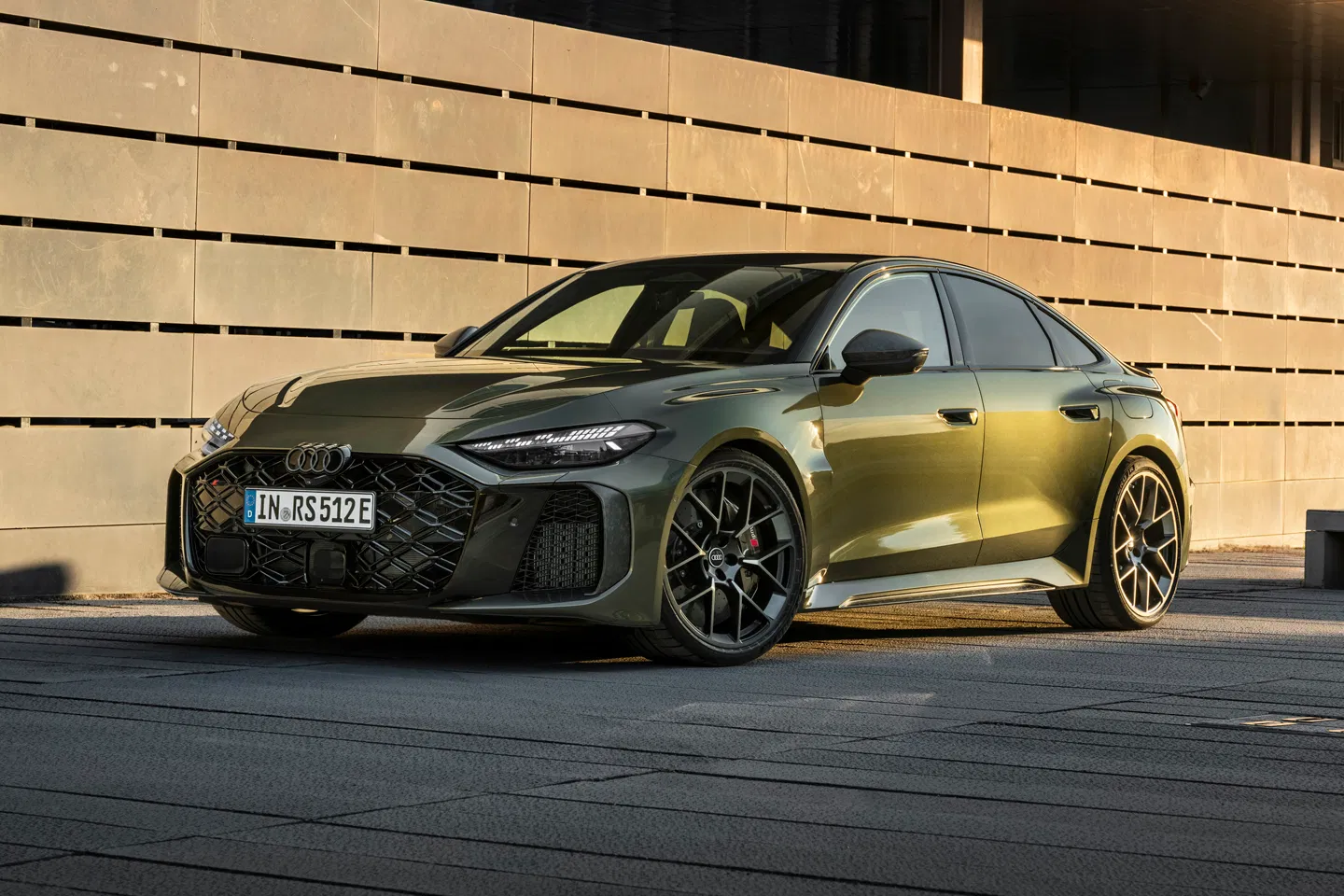
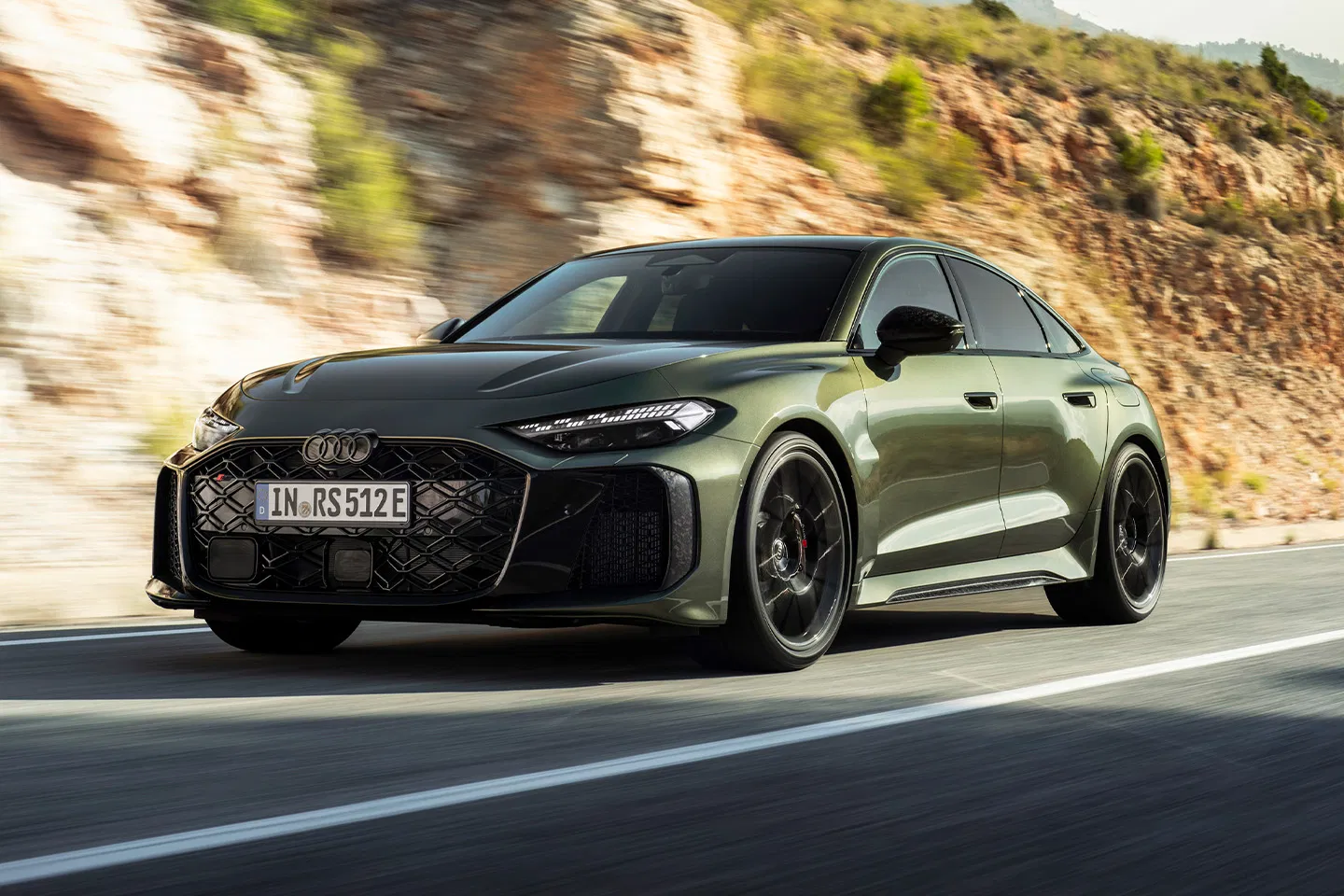
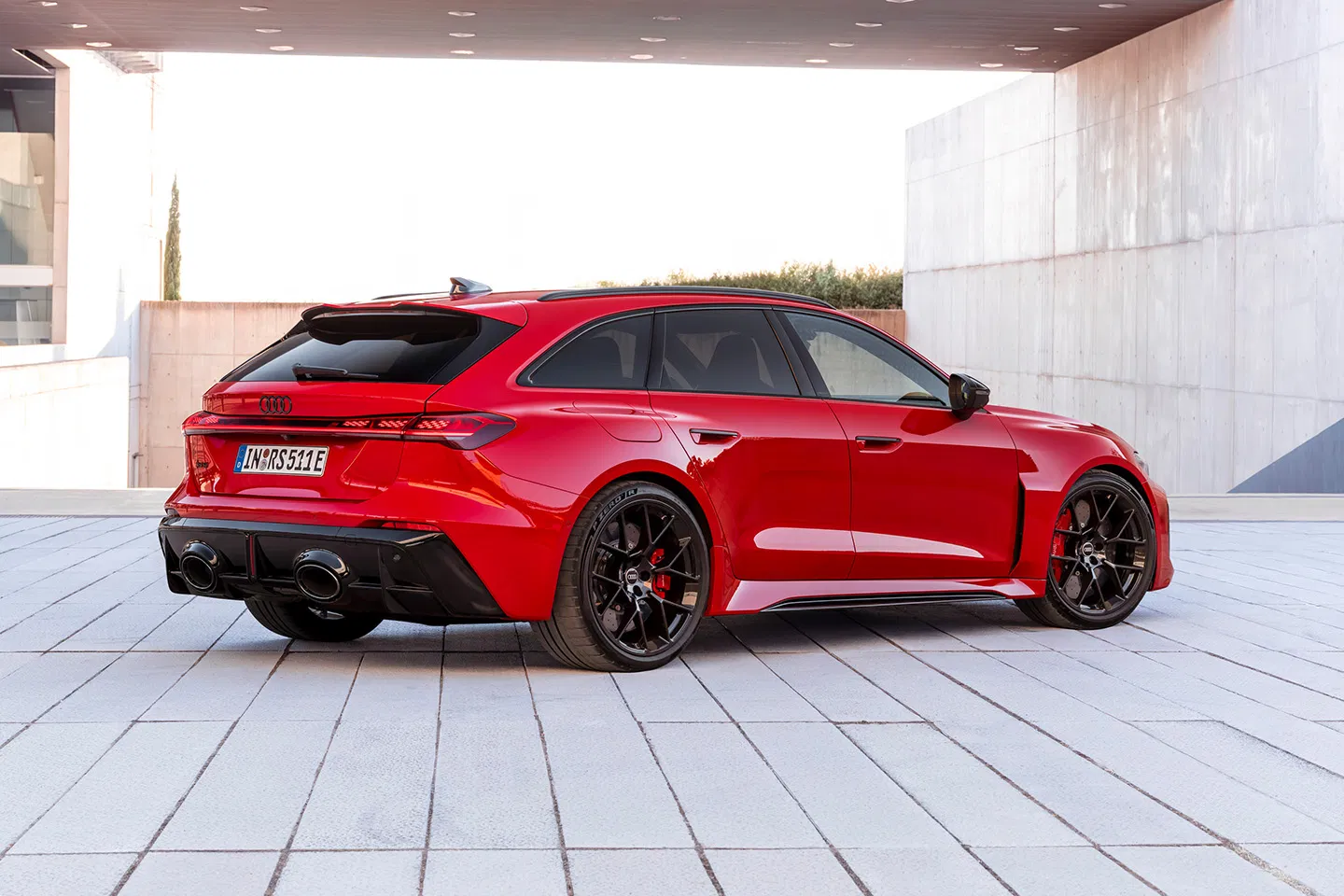
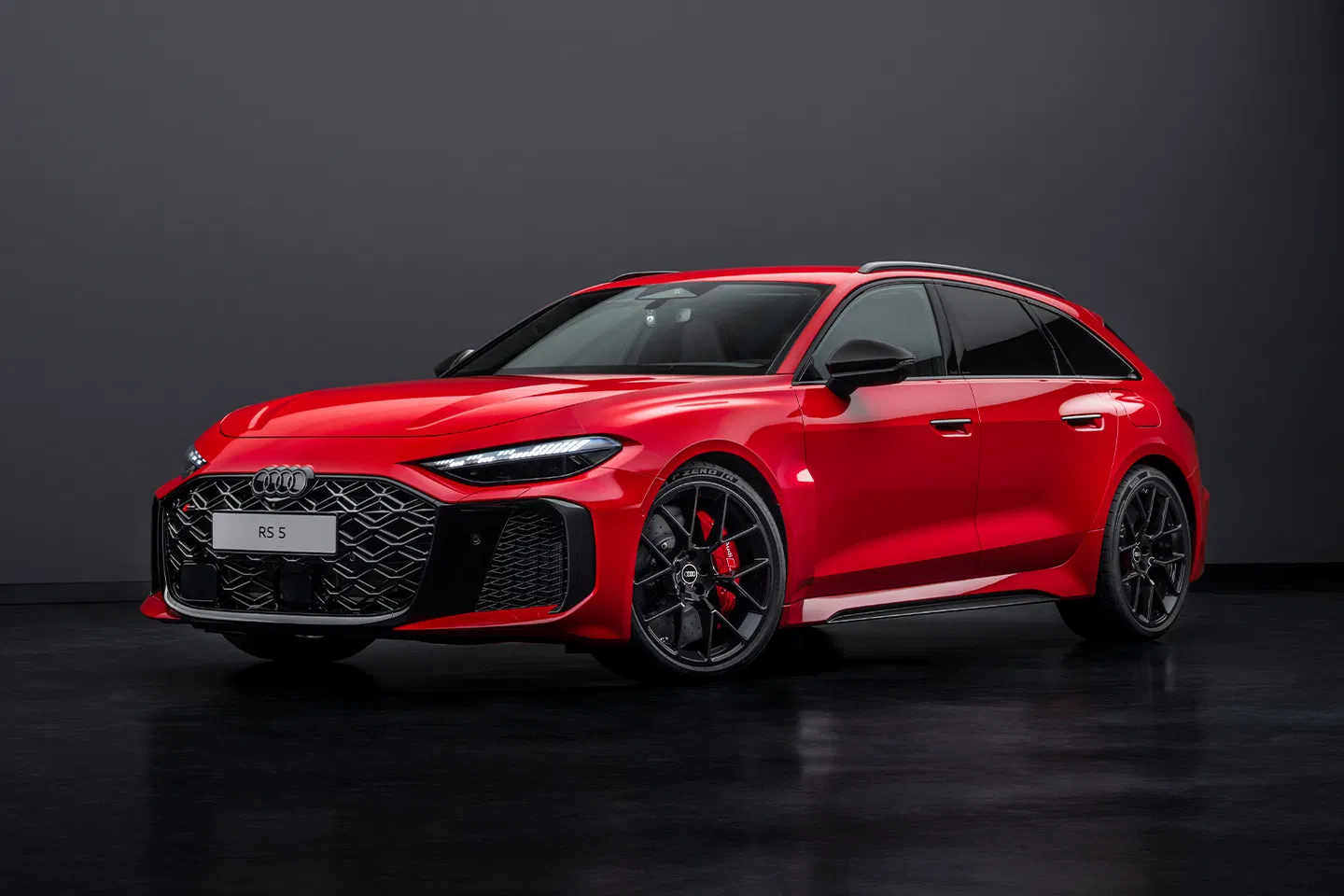
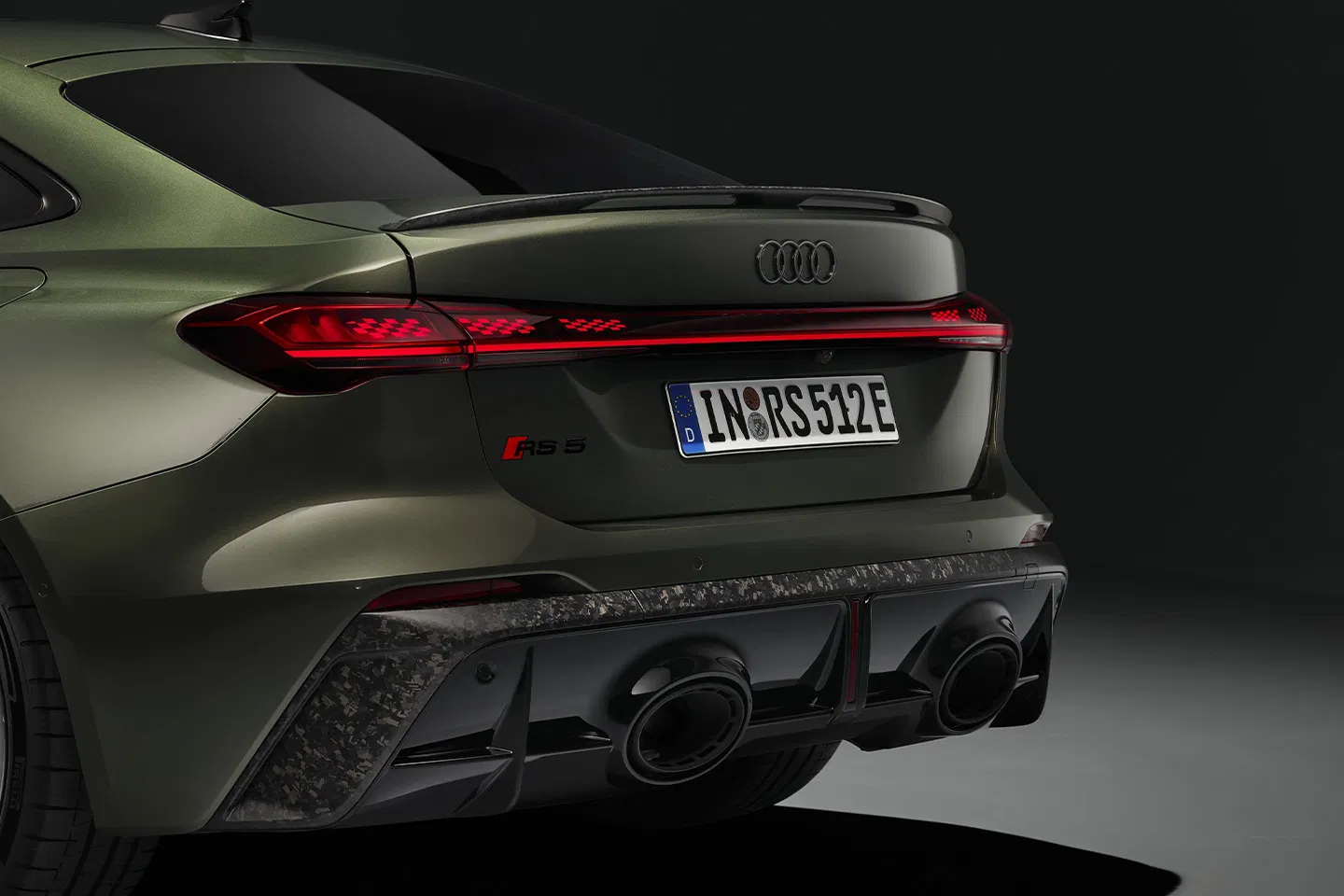
Visually, the new RS 5 leaves no doubt about its intent. It sits lower and wider than the standard A5, filling its arches with 20-inch or optional 21-inch alloy wheels. The front fascia is dominated by a large blacked-out grille designed to maximise airflow for both the V6 and its hybrid components. The daytime running lights and rear brake lights feature a subtle chequered-flag motif, while the rear end is defined by a pair of enormous inboard exhaust outlets that are impossible to ignore.
The local offering is yet to be confirmed, but one can assume we will be offered both body styles with pricing kicking off around the R2.2m mark.