
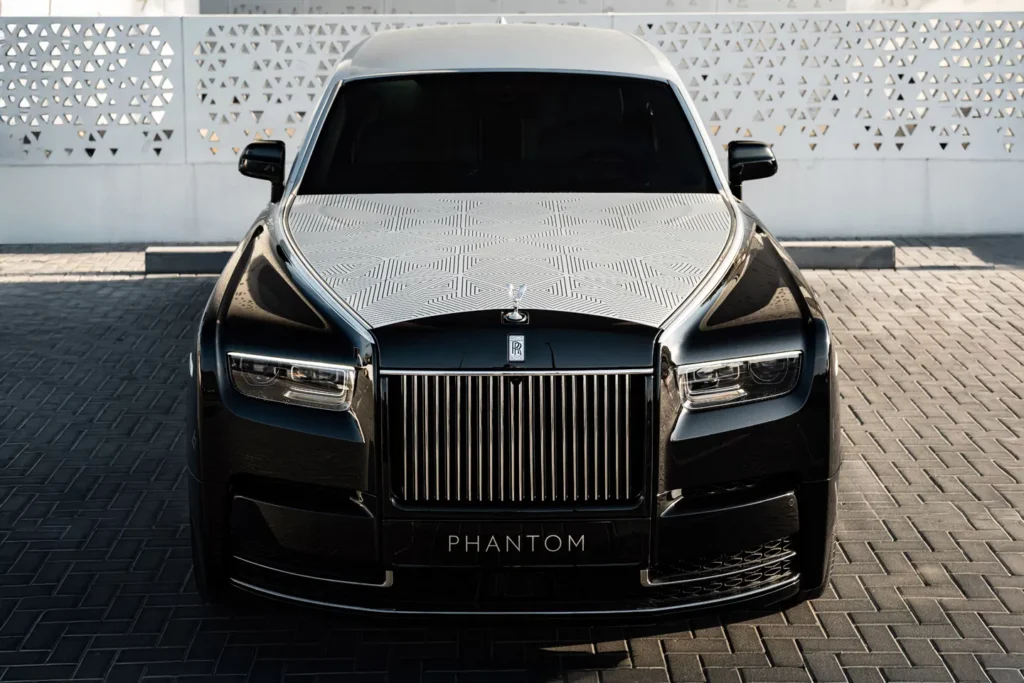
For a brand built on near-silent wafting and effortless torque, the move to electric always felt like a natural evolution for Rolls-Royce. Its V12 engines delivered power so smoothly you barely noticed the mechanical complexity underneath, so swapping that for whisper-quiet electric motors seemed like an obvious next step. Weight was never a concern either, given Rolls-Royce has never chased lightweight performance, which only strengthened the case for electrification.
On top of that, access to BMW’s advanced EV tech put the British marque in a strong position. When the Spectre arrived in 2022, then-CEO Torsten Müller-Ötvös made a bold call that the entire lineup would ditch internal combustion by the end of the decade. “By the end of 2030 we will no longer be in the business of producing vehicles with internal combustion engines.” It sounded ambitious, but not unrealistic. The Spectre was widely praised, and with annual production hovering around 5,000 units, Rolls-Royce looked well placed to pivot entirely from V12 to EV.
That plan has now shifted. Current CEO Chris Brownridge has walked back the all-electric timeline, confirming that V12 engines will remain part of the lineup beyond 2030. While he acknowledged that the original strategy made sense at the time, changing regulations and evolving market conditions have altered the landscape. Emissions targets have softened in key markets, and more importantly, customer sentiment has not moved as quickly as expected. Buyers still value the near-imperceptible operation of a V12, and for many, it remains a defining part of the Rolls-Royce experience.
Brownridge pointed out that interest in EVs among clients is effectively split, suggesting that for every buyer drawn to electric, another still prefers combustion. With Rolls-Royce delivering 5,664 cars last year, that puts the Spectre at roughly half the mix, although exact model breakdowns remain undisclosed. What is clear is that demand for traditional engines continues to outweigh expectations, something many luxury manufacturers are currently grappling with. For a brand that operates so closely with its clientele, ignoring that preference simply wouldn’t make sense.
Rolls-Royce is not alone in adjusting course. Bentley has also eased back on its electrification targets. The company previously indicated that every model would be electrified by 2026, with a fully electric lineup to follow by 2030. While hybridisation has rolled out across its range, high-performance combustion models like the Supersports remain very much part of the picture and continue to attract strong demand.
Bentley’s first fully electric model, previewed as a Luxury Urban SUV, has also been delayed. Initially expected to reach customers by 2027, the launch has now been pushed back as the brand works to bring buyers along for the transition. CEO Frank-Steffen Walliser admitted there is still significant effort required to convince customers to move away from V8 power. He also highlighted a renewed interest in combustion engines as a key factor behind a broader rethink of the product strategy.
That rethink comes at a cost. Bentley’s profits dropped by 42 per cent last year to €216 million, largely due to scrapped plans for a shared EV platform with Porsche and Audi. The brand now sees a more balanced future, combining EVs, plug-in hybrids, and a limited number of carefully selected petrol models.