
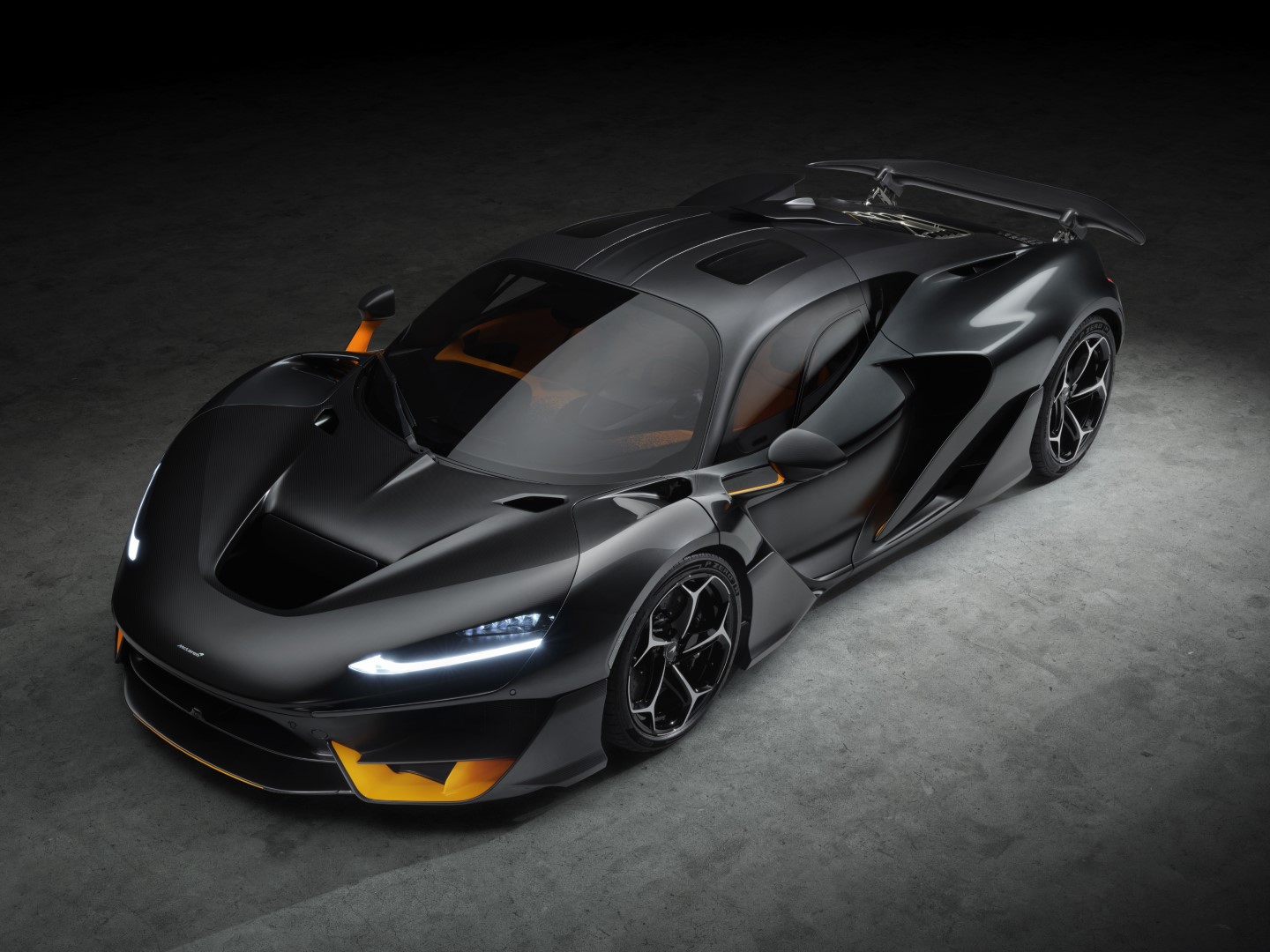
McLaren is gearing up to reveal its next chapter, marking the first new product showcase since its high-profile tie-up with start-up Forseven. The Woking-based brand isn’t just teasing a single car either, with several new models powered by combustion engines already lined up for release before the end of the decade.
The shift comes after McLaren’s acquisition by Abu Dhabi-backed CYVN Holdings roughly a year ago, a move that effectively brought Forseven into the fold. The integration placed Forseven CEO Nick Collins at the helm of the newly combined business, steering its long-term direction.
With an investment of around £1.5 billion (approx. R33 billion) injected into the company, McLaren now has the financial backing to expand beyond its traditional focus on two-seat, mid-engined supercars.
Collins had originally indicated that a full roadmap would be shared publicly before the close of 2025. That timeline slipped, reportedly due to internal strategy adjustments, but the plan is now to begin unveiling details in the next couple of months.
According to Collins, the brand will start gradually revealing its future direction, with early insights tied either to the rollout of the upcoming W1 hypercar or initial previews of what’s in the pipeline. He also confirmed that scale models of every vehicle planned through to 2030 have already been presented to dealers, hinting at a broader and more diverse range than before.
Any announcements are expected to align closely with the introduction of the W1, positioned as the successor to the highly regarded P1.
While specifics on this year’s reveal remain under wraps, insiders suggest McLaren won’t show a final production car just yet. Instead, expect a strong indication of the design and engineering direction the brand is heading in.
On the electrification front, Collins made it clear that McLaren is in no rush. He stated the company will only introduce a fully electric model when there is clear demand from its customers, adding that the current market isn’t there yet. As things stand, all vehicles planned up to 2030 will retain combustion power, although the company says it can pivot if needed.