
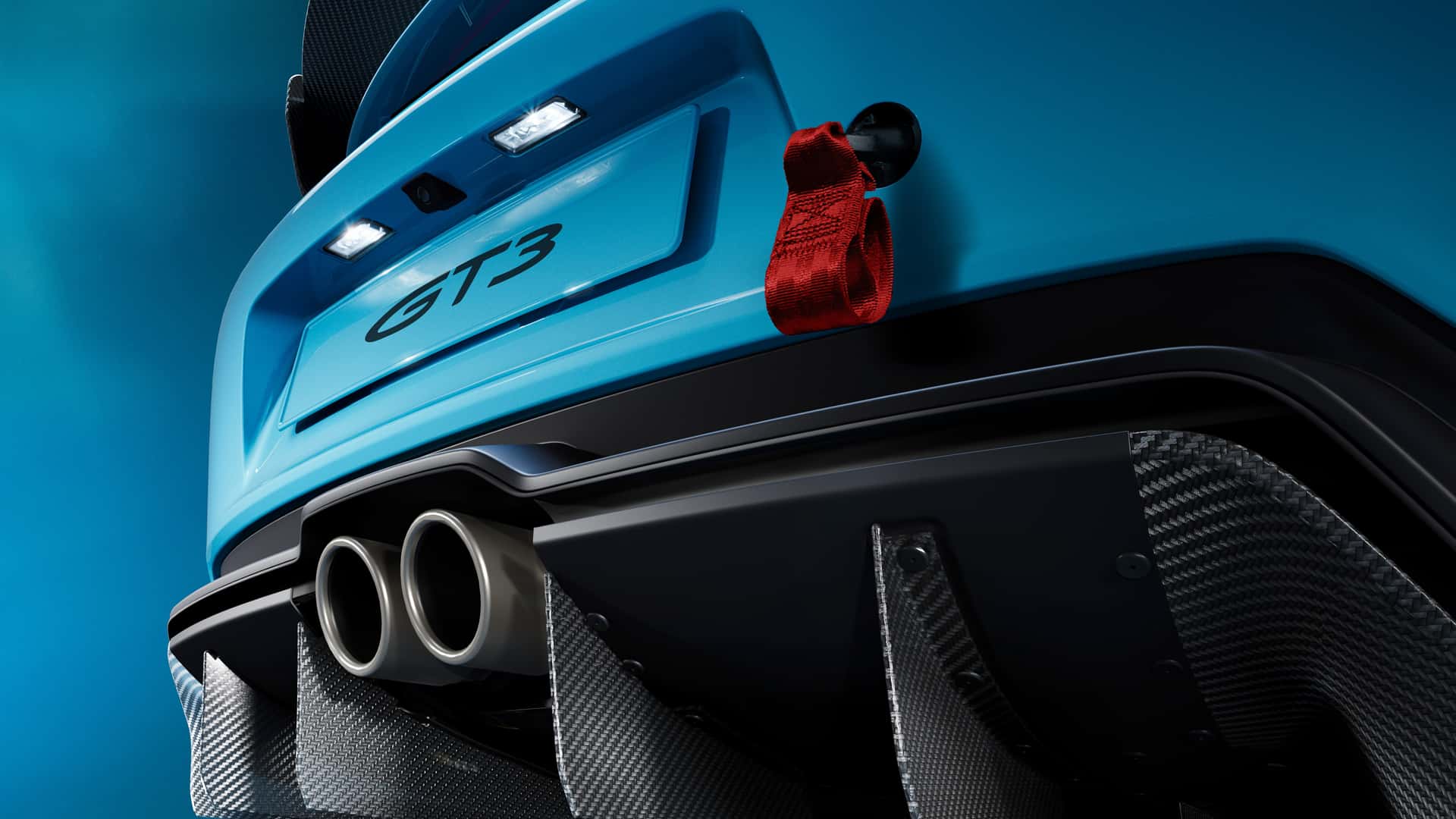
Since the Porsche 911 GT3 first arrived in 1999 as part of the 996 era, its character has been built around one key ingredient: a naturally aspirated flat-six. That formula has survived six generations, even as emissions rules tightened year after year. Now though, it’s starting to look like the current 992.2 version could mark the end of that long-running recipe.
In a short conversation with Car and Driver, Andreas Preuninger hinted that the familiar 4.0-litre engine is running out of road in its current form. When asked how long it could continue without help from turbocharging or hybrid systems, his answer wasn’t exactly reassuring for purists. In the United States, there may still be some breathing room, but in Europe the timeline looks far tighter, potentially just a few more years unless major changes are made. Push the question further and turbocharging doesn’t get ruled out either. In fact, it’s very much on the table.
Even if the naturally aspirated setup lasts a bit longer in certain regions, it’s highly unlikely that Porsche would split the GT3 into separate versions for different markets. That approach would mean developing and certifying two distinct models, each needing its own homologation process, which quickly becomes expensive and time-consuming. The more realistic path is a single global solution that meets tightening European standards, especially with the EU targeting a 55 percent cut in vehicle emissions by 2030 compared to 1990 levels.
If the next-generation GT3 does move to forced induction, it raises a bigger question about the rest of Porsche’s GT lineup. The Porsche 718 is expected to return in the future with a mix of electric and combustion options, which leaves the next GT4’s setup uncertain. Then there’s the inevitable return of the GT2. Traditionally defined by its turbocharged edge over the GT3, that gap could shrink if both models start sharing similar technologies, potentially reshaping the hierarchy enthusiasts have known for years.