
The trucking sector, which transports a staggering 72.5% of all U.S. goods by weight, is vital to the global economic engine. However, like many industries, it stands on the brink of significant transformation due to tech advancements and shifting market needs.
As we look to the future, the trucking landscape promises to be markedly different, shaped by advancements that optimize operations, enhance safety, and revolutionize vehicular designs. For fleet managers, navigating these changes requires not just awareness but proactive adaptation. Delving into the emerging trends provides insights into what the future holds and how to harness these shifts for sustained success in the trucking domain.

Telematics is no longer a futuristic concept; it’s here, revolutionizing the trucking industry. Essentially, a fleet telematics system utilizes technology to oversee and control vehicles in real time, offering insights into vehicle location, speed, fuel usage, and beyond, giving a comprehensive perspective on fleet activities.
A significant advantage of telematics is its potential to drive efficiency and safety. By optimizing routes, managers can reduce fuel consumption and ensure timely deliveries. Moreover, through telematics data, it becomes feasible to avoid traffic congestions or adverse weather conditions, enhancing the fleet’s overall safety profile.
An equally compelling use of telematics is in predictive maintenance. By continuously monitoring vehicle health, managers can anticipate when a truck might need repairs. This forward-thinking approach reduces downtime, ensures trucks are always in optimal condition, and can significantly cut down unexpected repair costs.
Furthermore, monitoring driver behaviour becomes simpler and more effective with telematics. Fleet managers can identify potential issues like hard braking, rapid acceleration, or even prolonged idling. By addressing these concerns promptly, they can ensure driver safety and vehicle longevity.
Electrification of the Trucking Industry
What used to be a peripheral idea, electric trucks, are now emerging as a primary trend in the trucking scene. Their growth represents not just an environmental move but also a financial one. Electric trucks, devoid of complex transmissions and exhaust systems, promise reduced maintenance costs and longer operational lifespans.
However, the growth of electric trucks hinges on a robust charging infrastructure. As more fleets transition to electric, there will be a pressing need for charging stations that can accommodate large vehicles and ensure quick turnaround times.
Yet, the promise of operational cost savings is driving many to consider this shift. Electric trucks, in many analyses, have shown a potential to reduce overall expenses when compared to their diesel counterparts, especially as battery technology continues to improve and become more affordable.
Incorporating Advanced Driver Assistance Systems (ADAS)
Often termed ADAS, advanced driver assistance systems are revolutionizing the way drivers engage with their vehicles. Ranging from lane-keeping aids to adaptive cruise settings, they hold a crucial position in contemporary trucking.
Safety remains the foremost concern in the trucking industry. ADAS, with its myriad features, actively works towards reducing the risk of accidents. Take collision prevention systems, for example; they can identify possible hazards and either notify the driver or initiate countermeasures. This not only protects the driver but also reduces possible harm to the freight and truck.
Beyond safety, ADAS also plays an important role in operational efficiency. Features like adaptive cruise control can lead to consistent driving speeds and better fuel efficiency. Moreover, by reducing instances of hard braking or rapid acceleration, ADAS can lower wear and tear, ensuring vehicles remain in service for longer durations.
The Growth of Autonomous Trucking
The buzz around autonomous vehicles has persisted for some time, but their significance in the trucking realm is now more evident than ever. When discussing autonomous navigation, it’s important to recognize the spectrum of automation, spanning from Level 0 (zero automation) to Level 5 (complete automation).
The benefits of autonomous trucking are manifold. Reduced labour costs, increased operational hours, and potentially safer roadways are just the tip of the iceberg. However, challenges abound. Technological advancements are necessary to ensure that trucks can navigate complex road scenarios. Regulatory concerns and public perception are other significant roadblocks that the industry will need to address.
Yet, one thing is clear: the role of fleet managers will evolve. With autonomous trucks, their responsibilities might shift from micromanaging routes and drivers to overseeing a fleet of self-driving vehicles, ensuring they operate efficiently and intervene only when necessary.
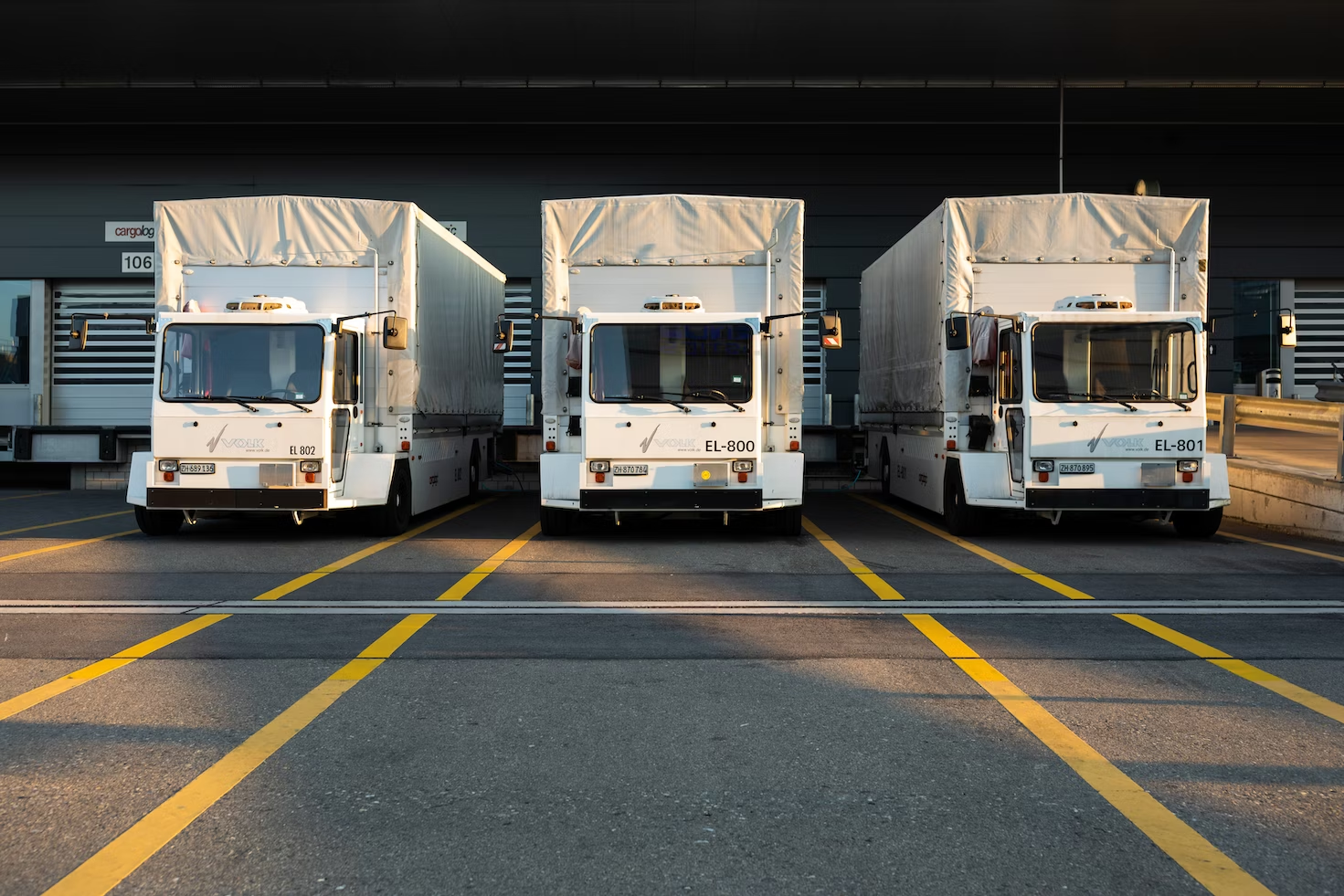
The dawn of a new era in the trucking industry is unmistakably upon us. As technology entwines more deeply with transport, fleet managers find themselves on the frontline of monumental change. Keeping abreast of trends such as telematics, electrification, ADAS, and autonomous trucking isn’t just advisable; it’s imperative.
Embracing these innovations not only charts a course for success but also anchors a fleet’s position in a rapidly evolving landscape, ensuring resilience, prosperity, and a forward-focused vision for the future.