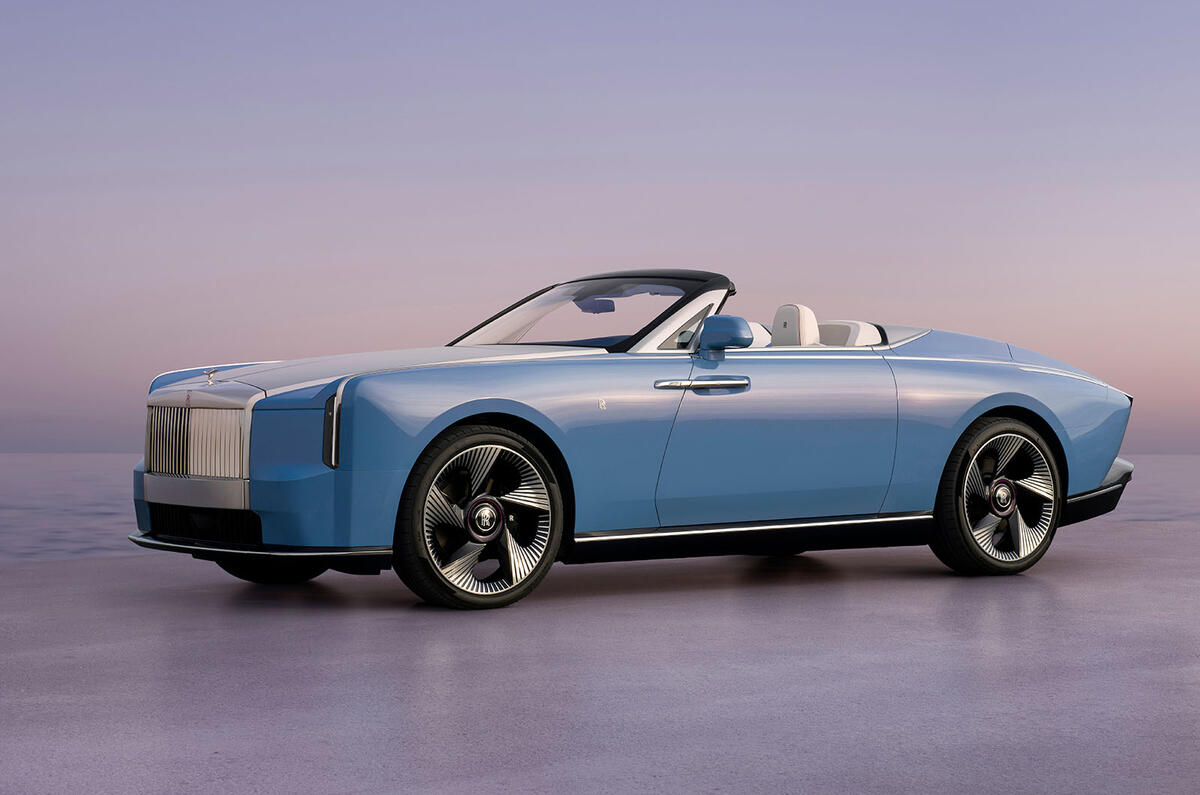
Rolls-Royce has quietly taken the wraps off something very different, a limited-run electric convertible known internally as Project Nightingale. It marks the beginning of a new family of ultra-exclusive models from the Goodwood marque, and according to the brand, it could reshape how future Rolls-Royce vehicles are imagined and created.
Only 100 units of this two-seater will be produced, forming the debut offering from a newly introduced Coachbuild Collection. Pricing is expected to start at around £7 million (approx. R155,000,000), although that figure is just the baseline. Given the level of customisation available, most buyers will likely push well beyond that.
This new Coachbuild Collection sits in an interesting space within the Rolls-Royce hierarchy. It slots between one-off commissions like the Phantom Goldfinger and the ultra-rare full Coachbuild creations such as the three-unit Boat Tail that commanded around £20 million. The idea is to offer something deeply personalised, without requiring the same time commitment as a full bespoke build.
Future products under this banner are already planned, with new releases expected every two to three years. Each one will carry its own unique design direction, with a heavy focus on individuality.
Every single example of Project Nightingale has already been allocated, with Rolls-Royce hand-selecting buyers rather than simply selling to the highest bidder. The brand is clearly prioritising long-term custodianship over quick turnover, choosing clients who genuinely intend to use and appreciate the cars.
Development is already underway, with testing set to begin later this year ahead of deliveries scheduled for 2028. Despite still being labelled as a concept, the car is said to be almost production-ready.
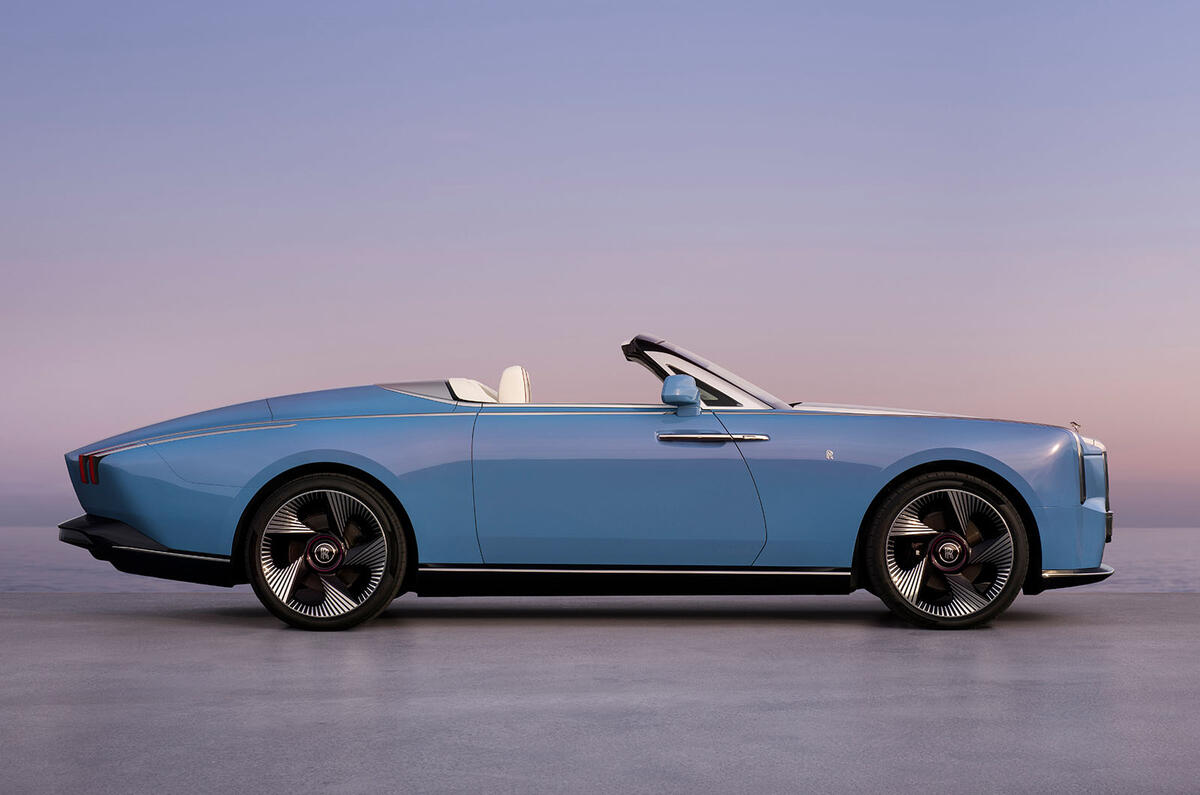
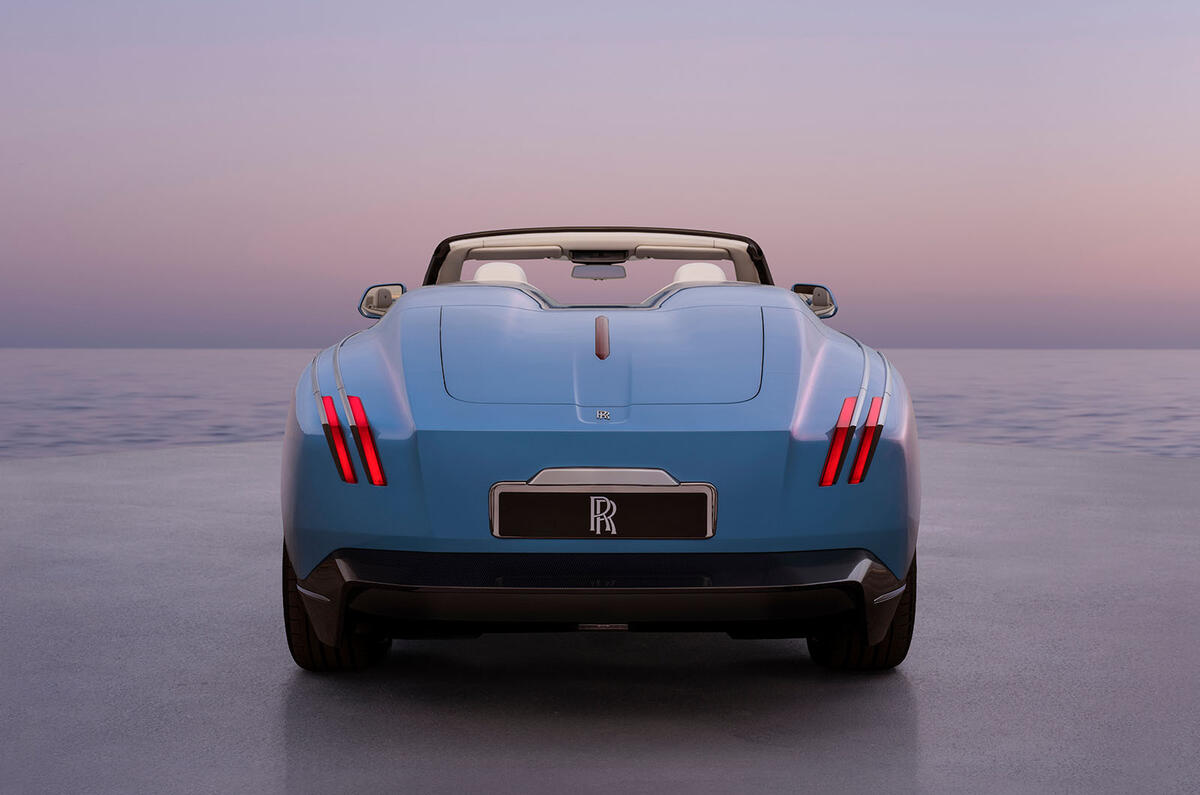
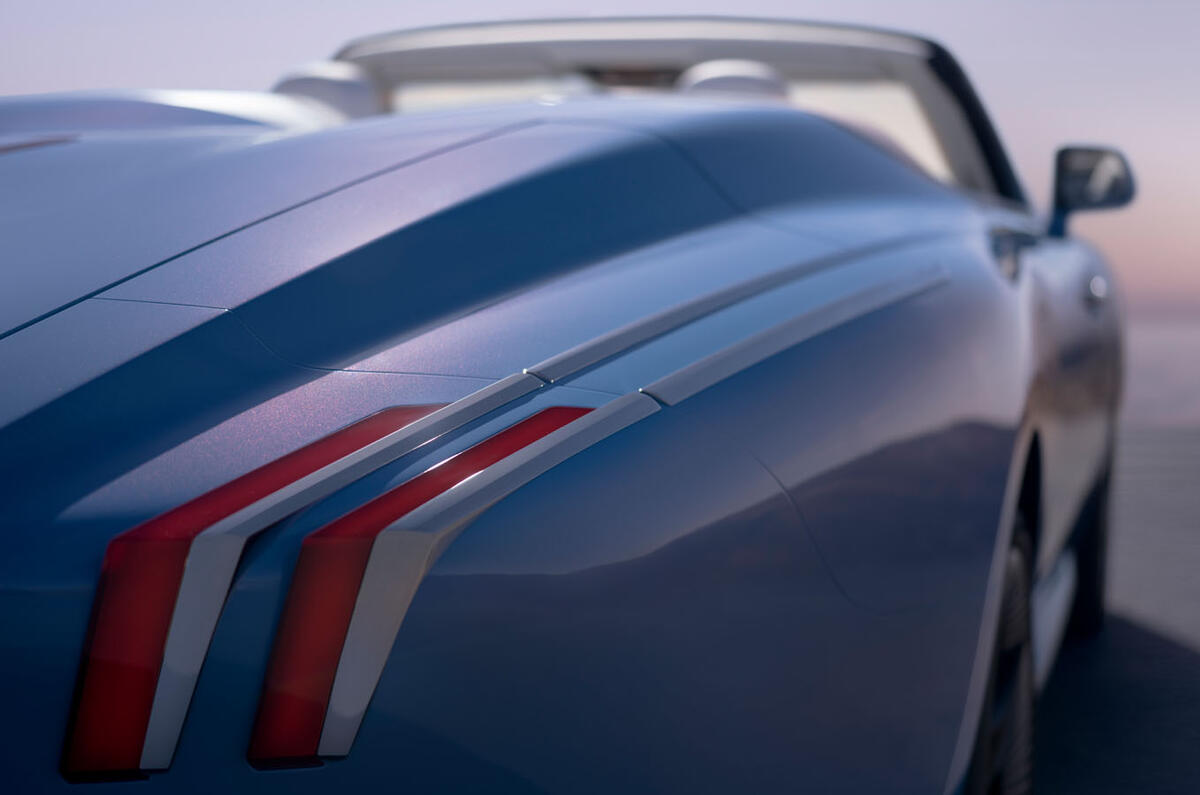
Design-wise, the car takes cues from the historic 17EX Torpedo, a streamlined experimental chassis from the late 1920s based on the original Phantom I. The modern interpretation stretches out to 5.76 metres, matching the length of today’s flagship Phantom, with a dramatic rear section that dominates its proportions.
This design direction also hints at a broader visual shift for Rolls-Royce under Domagoj Dukec, who moved across within the BMW Group in 2024 to lead design at the luxury brand. The influence of this project is expected to ripple through future models.
Although it rides on the same Art of Luxury platform used across the current range, Rolls insists that most of the components are unique. It also distances itself from the smaller Rolls-Royce Spectre, despite both being fully electric offerings.
The thinking behind the Coachbuild Collection came directly from customers who wanted something bespoke, but without the time-intensive process that traditionally comes with full coachbuilding. This approach also allows designers to explore more experimental ideas, many of which could later filter into mainstream models.
From a business perspective, it makes sense too. With Rolls-Royce delivering 5,664 cars last year, these highly personalised, high-margin vehicles are expected to play a significant role in future revenue.
Interestingly, the process itself has been flipped. Instead of revealing a finished product, Rolls-Royce involves clients from the sketch phase. Buyers get to experience the journey without needing to micromanage every detail. Some will even take part in the global testing programme.
The brand is also making it clear that this is not meant to be a garage queen. The decision to go with a convertible layout was deliberate, encouraging owners to actually drive the car rather than simply display it.
The production version has already found homes across the US, Europe and Asia, with both left- and right-hand-drive configurations planned. Future projects in the Coachbuild Collection could vary in volume, but exclusivity will always remain a core principle.
The name itself traces back to Le Rossignol, a property once used by Rolls-Royce designers near Henry Royce’s winter retreat in the south of France.
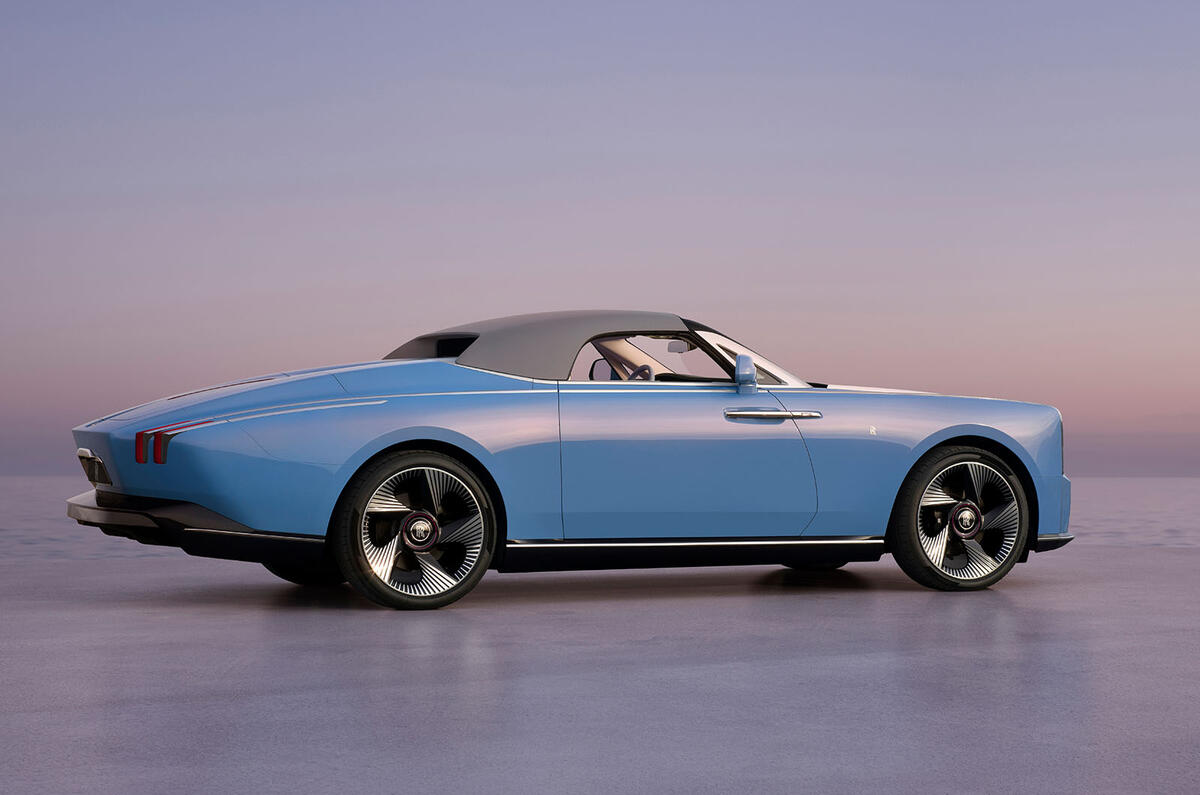
From the side, the proportions are striking. A compact cabin sits far forward, leaving a dramatic, elongated tail. It is essentially the footprint of a Phantom, but designed purely for two occupants.
The open-top configuration plays a big role in the overall experience. This is less about getting from A to B and more about the sensory aspect of driving. Wind, sound and surroundings become part of the journey itself.
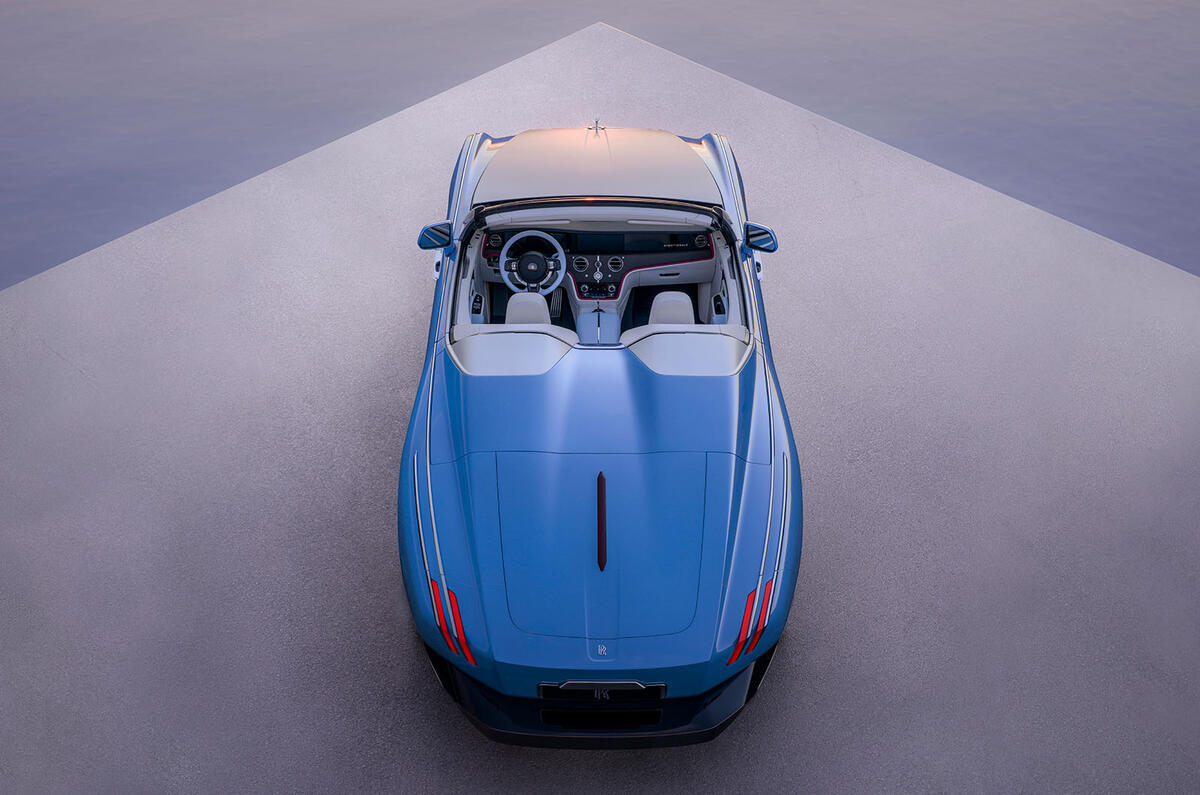
A speedster-style setup without a roof was considered, but ultimately a fabric roof was chosen to improve usability. It aligns with the core idea of building something owners will actually use.
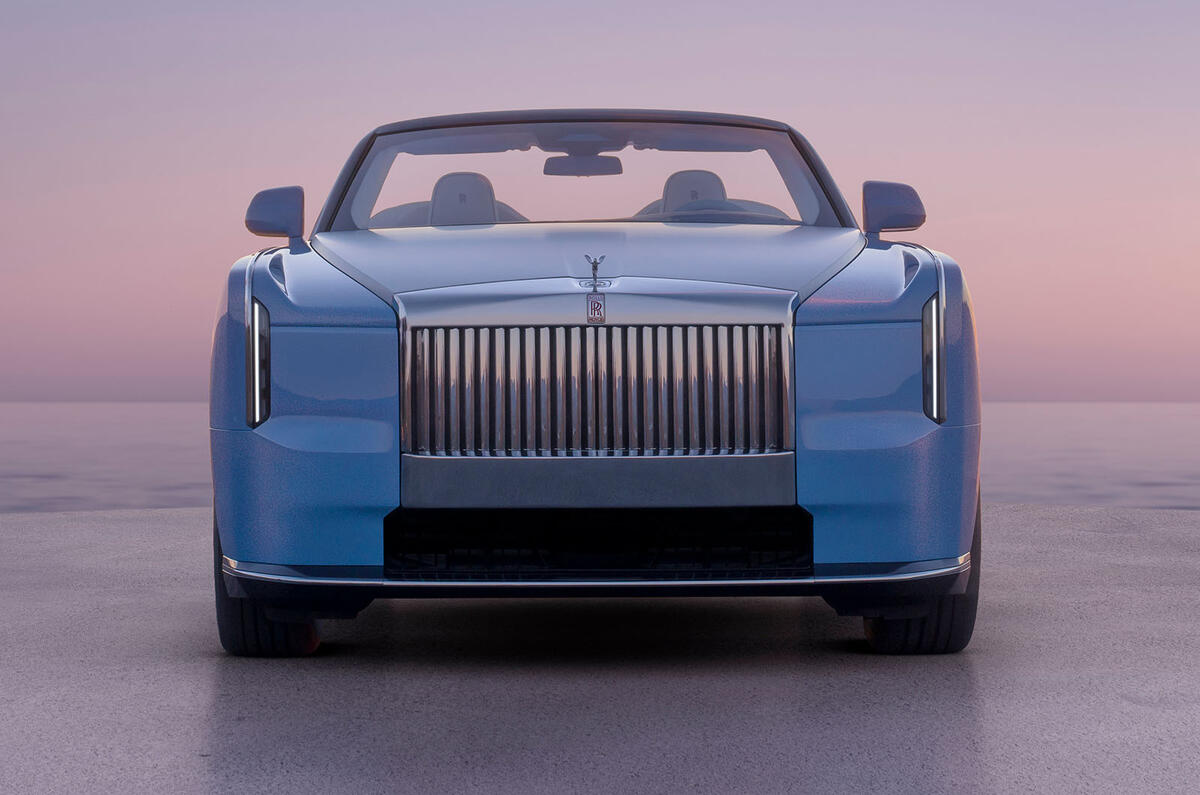
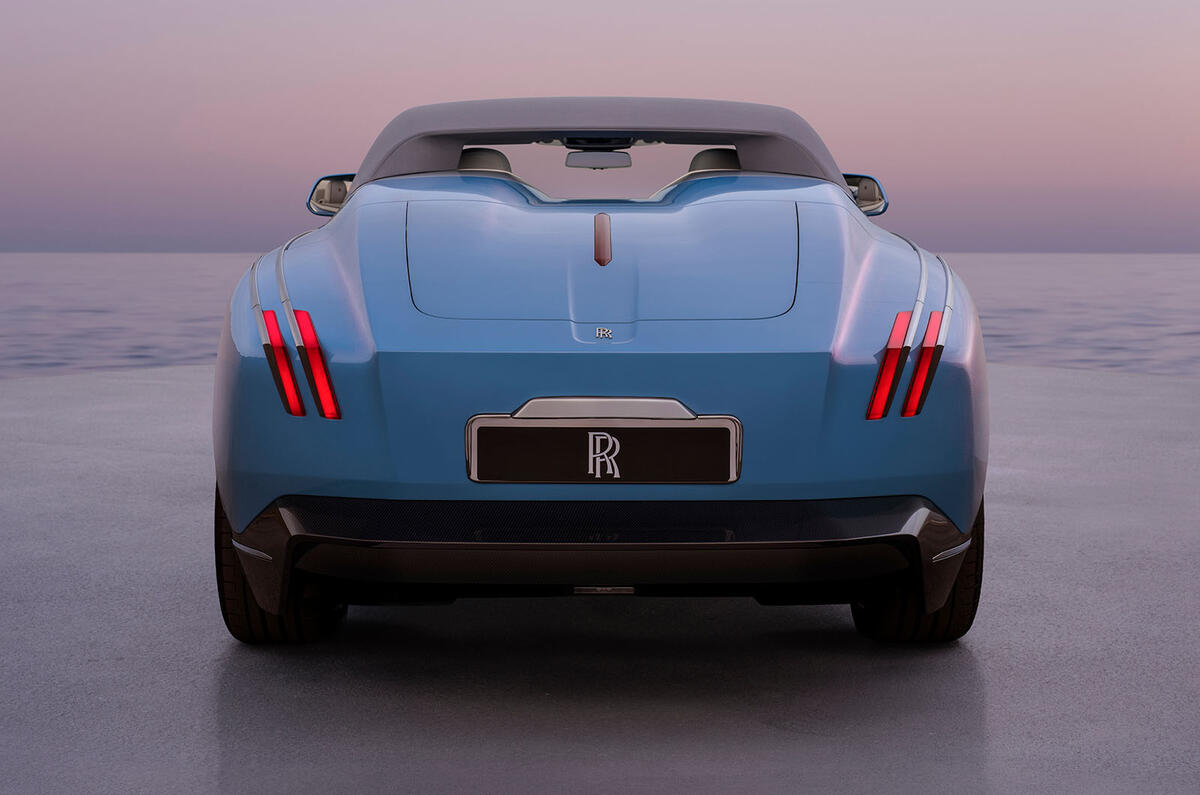
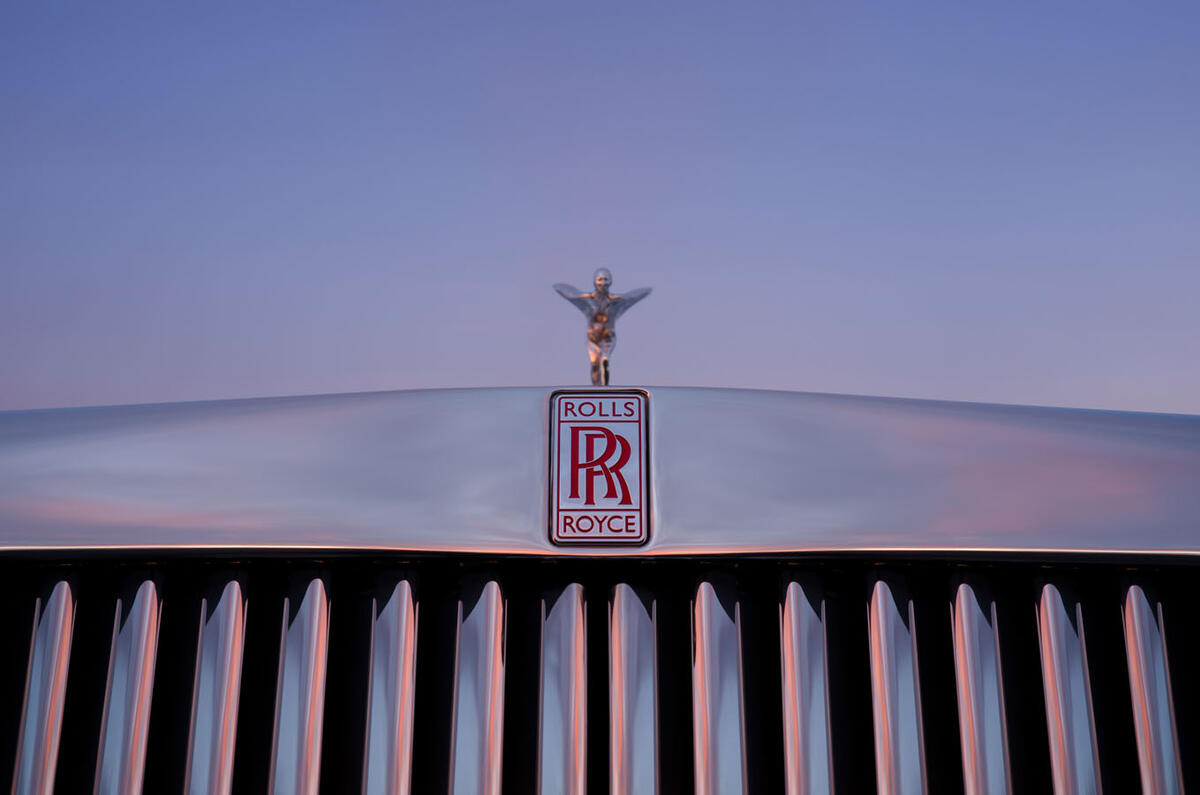
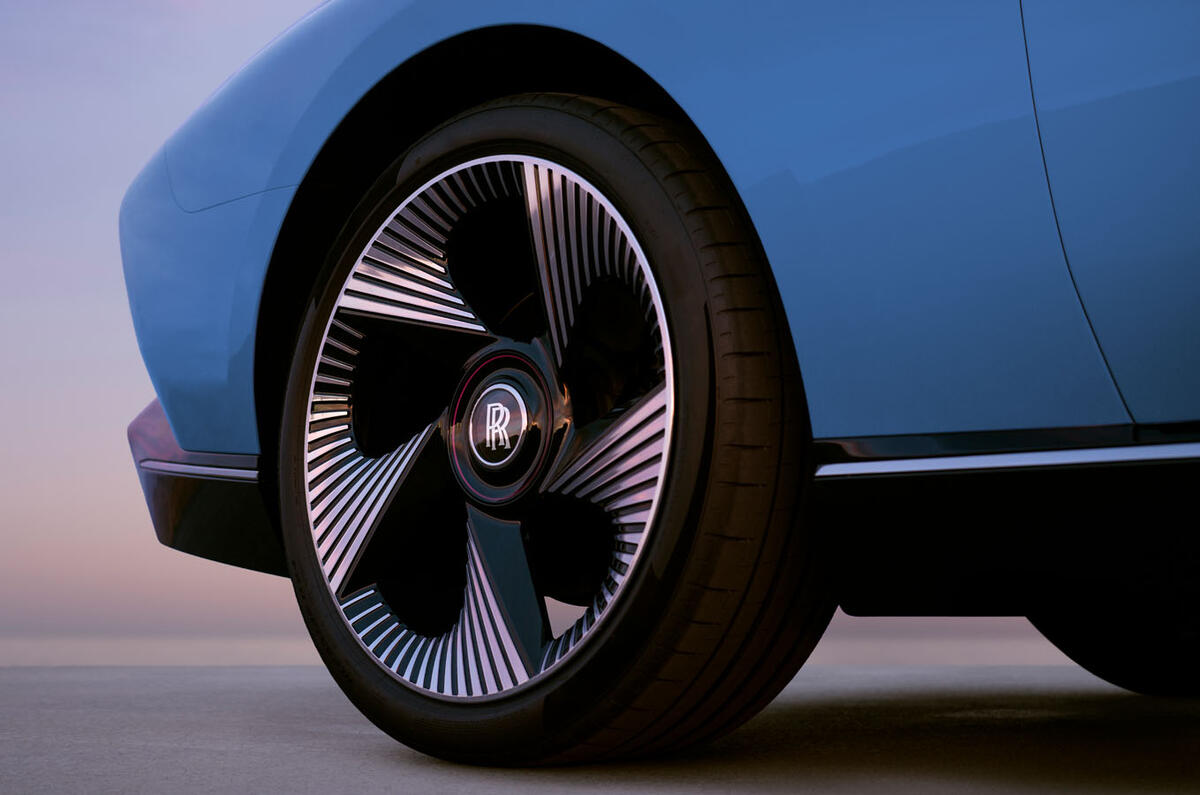
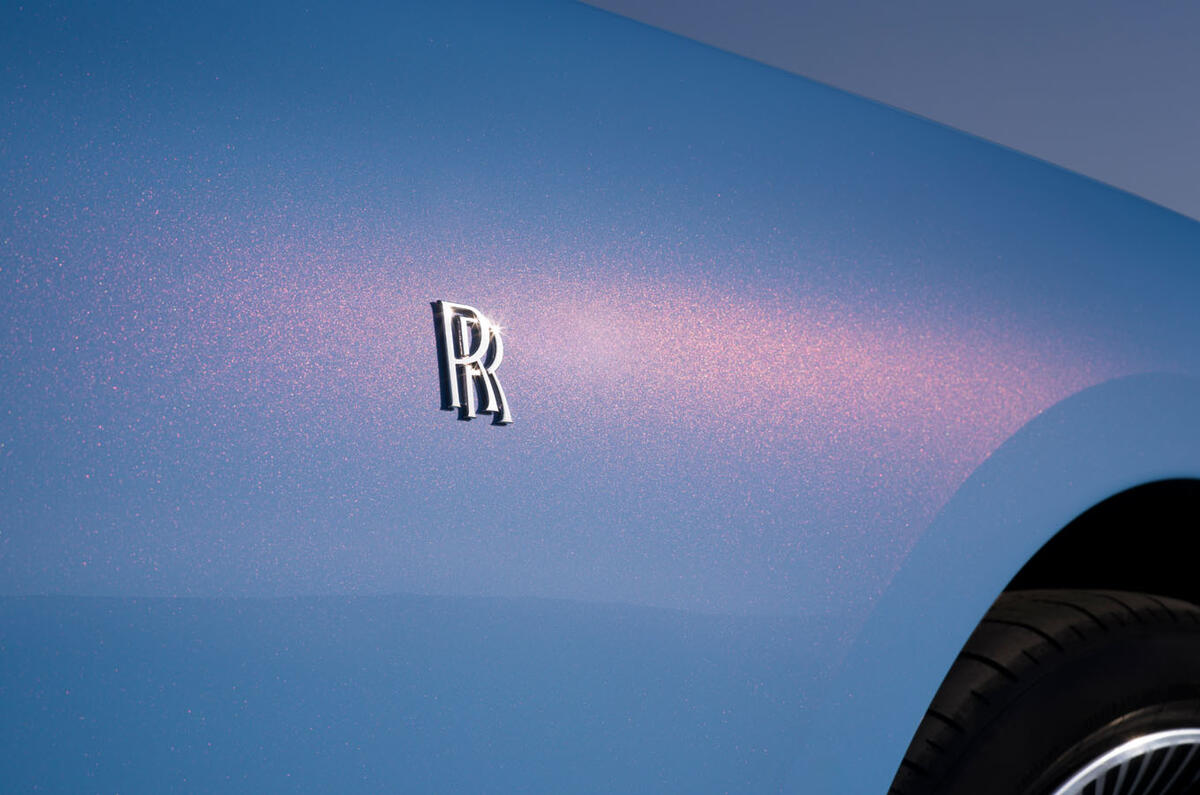
Several standout design elements could influence future production cars. These include massive 24-inch wheels, a frameless RR badge positioned along the rear and flanks, a wide front grille approaching a metre across, and a bold rear diffuser.
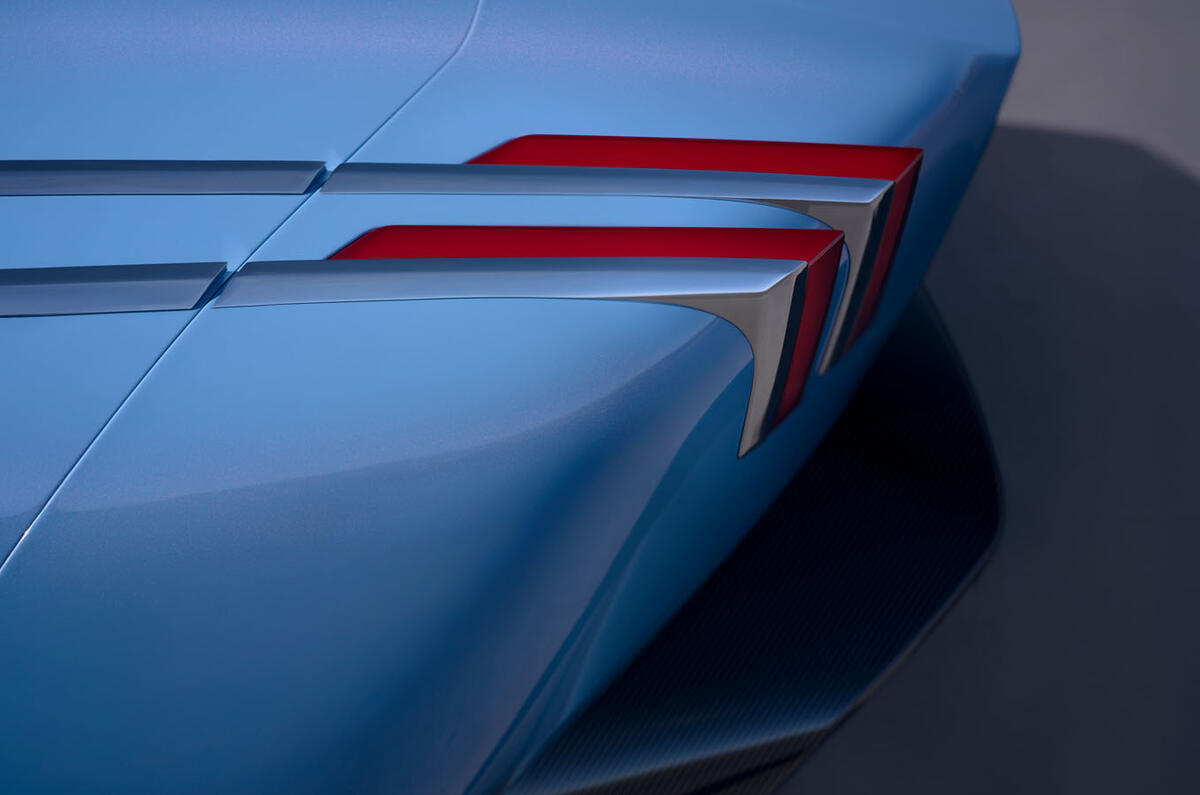
Some features, however, are simply too complex for wider production. The ultra-slim hand-built headlights and the unusual side-hinged bootlid fall into that category, though their design language may still carry forward.
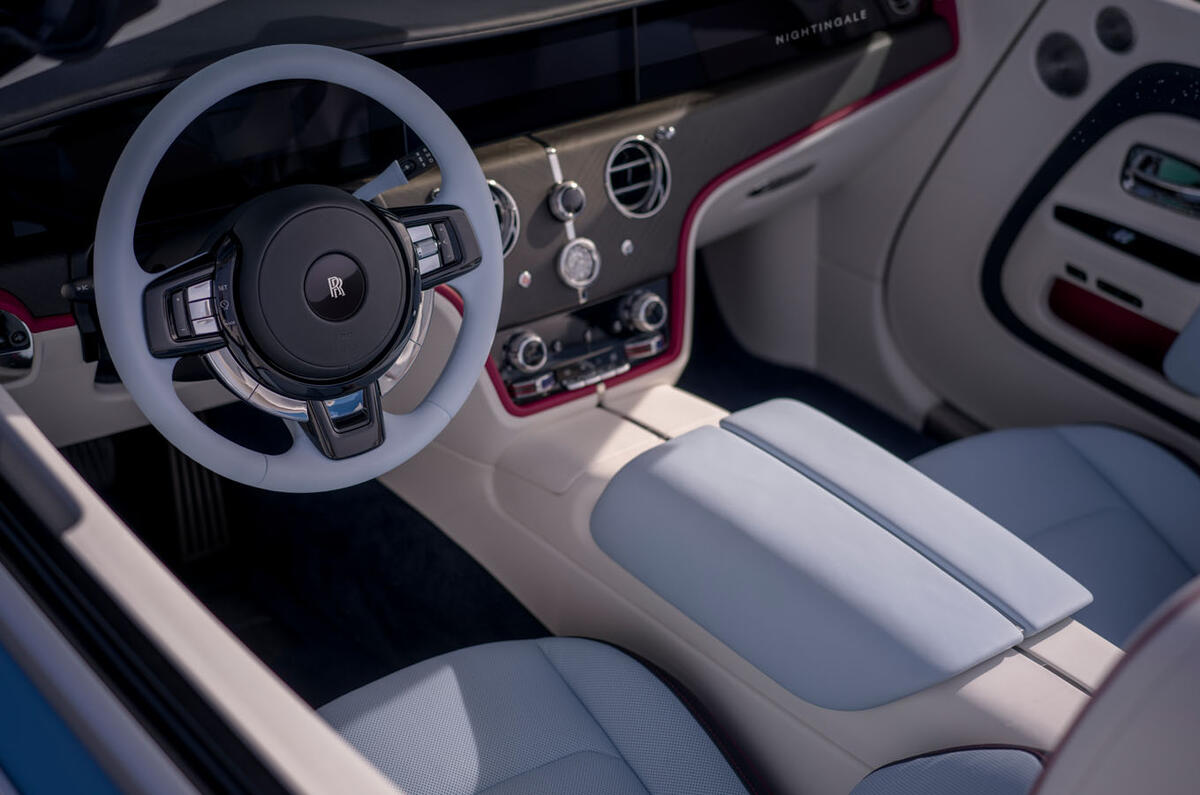
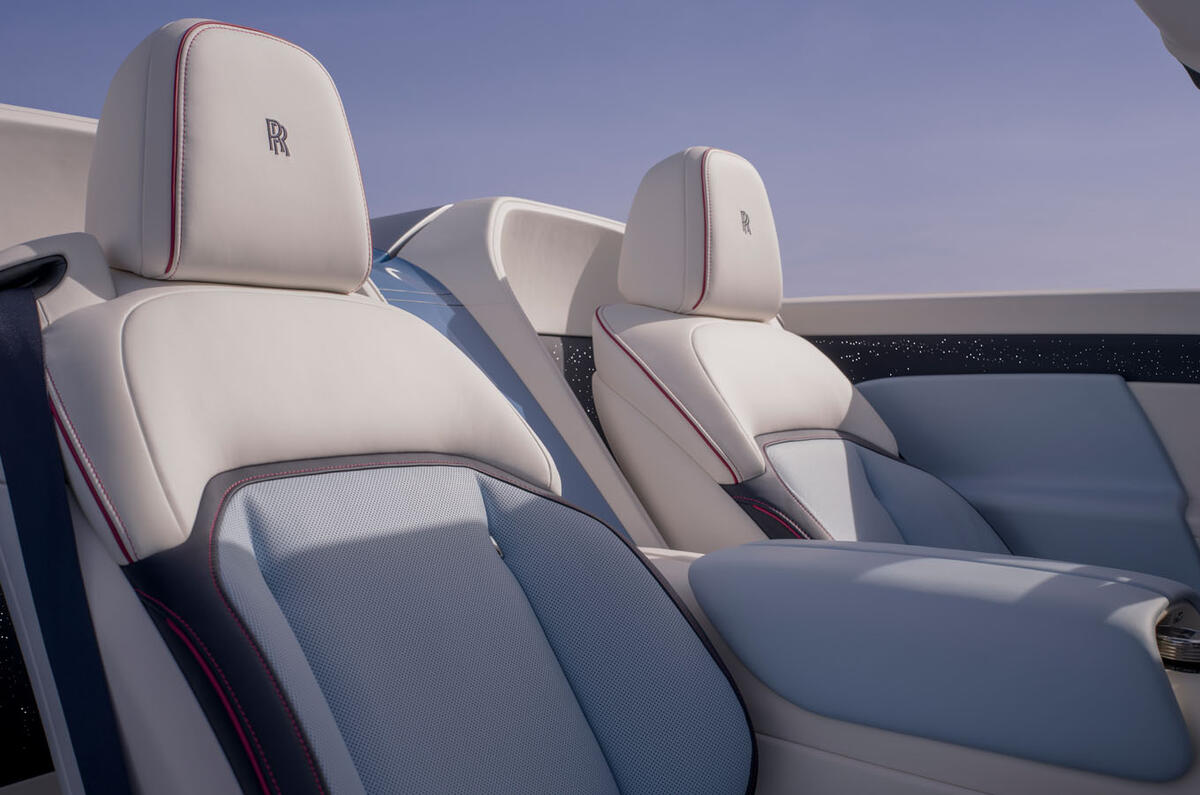
Inside, there are equally interesting touches. The centre armrest takes inspiration from a horse saddle, while the signature Starlight Headliner has been reimagined. Because of the convertible layout, the lighting has been integrated into the doors and rear sections, creating an effect that surrounds occupants.
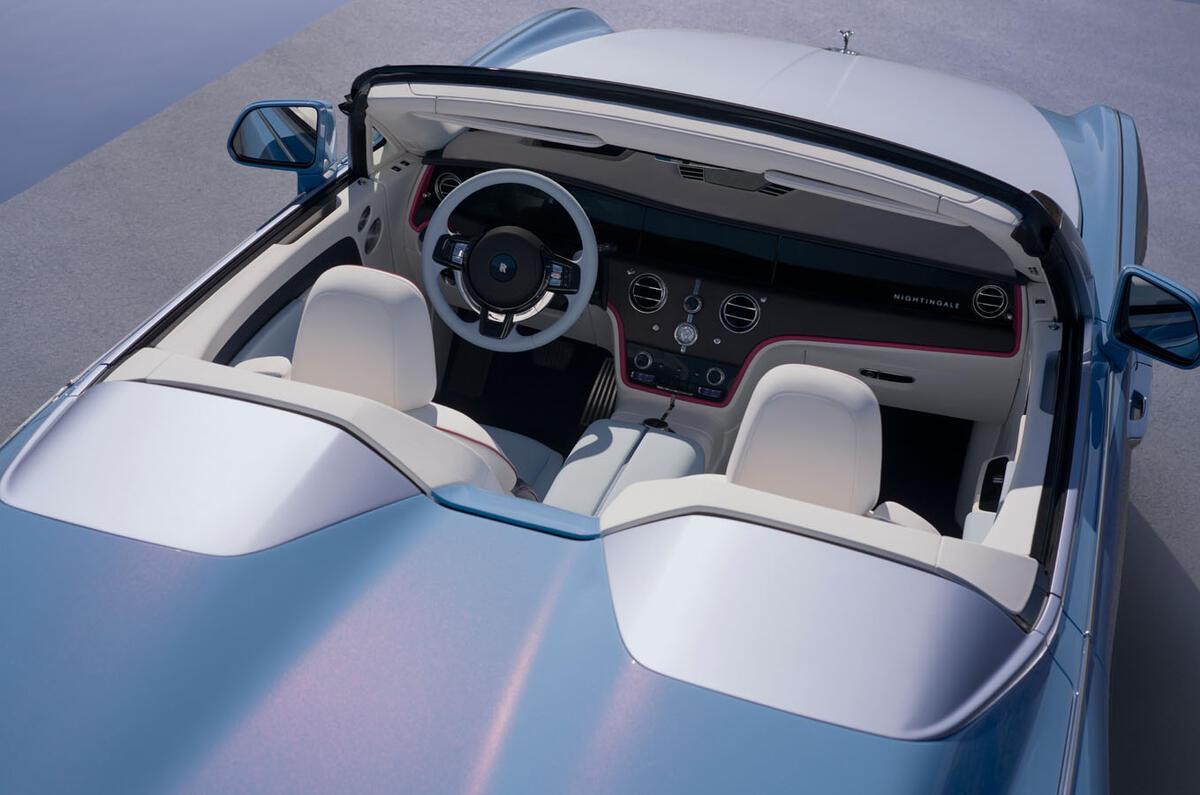
Technical details remain under wraps for now. What has been confirmed is that it will use a larger battery pack than the Spectre’s 107 kWh unit, while targeting a similar range of around 529 km (329 miles).
Performance figures have not been disclosed, but a dual-motor setup is expected, likely producing output in the region of 650 hp (485 kW), similar to the Black Badge Spectre.
Buyers will have a wide palette to work with, including nine exclusive exterior finishes, seven roof options and eleven interior leather combinations.
Rolls CEO Chris Brownridge called Project Nightingale “our most ambitious work” and said it has brought “three things together that have never co-existed within our brand: the complete design freedom of coachbuilding; our powerful, near-silent all-electric powertrain; and a uniquely potent yet serene expression of open-top motoring”.