
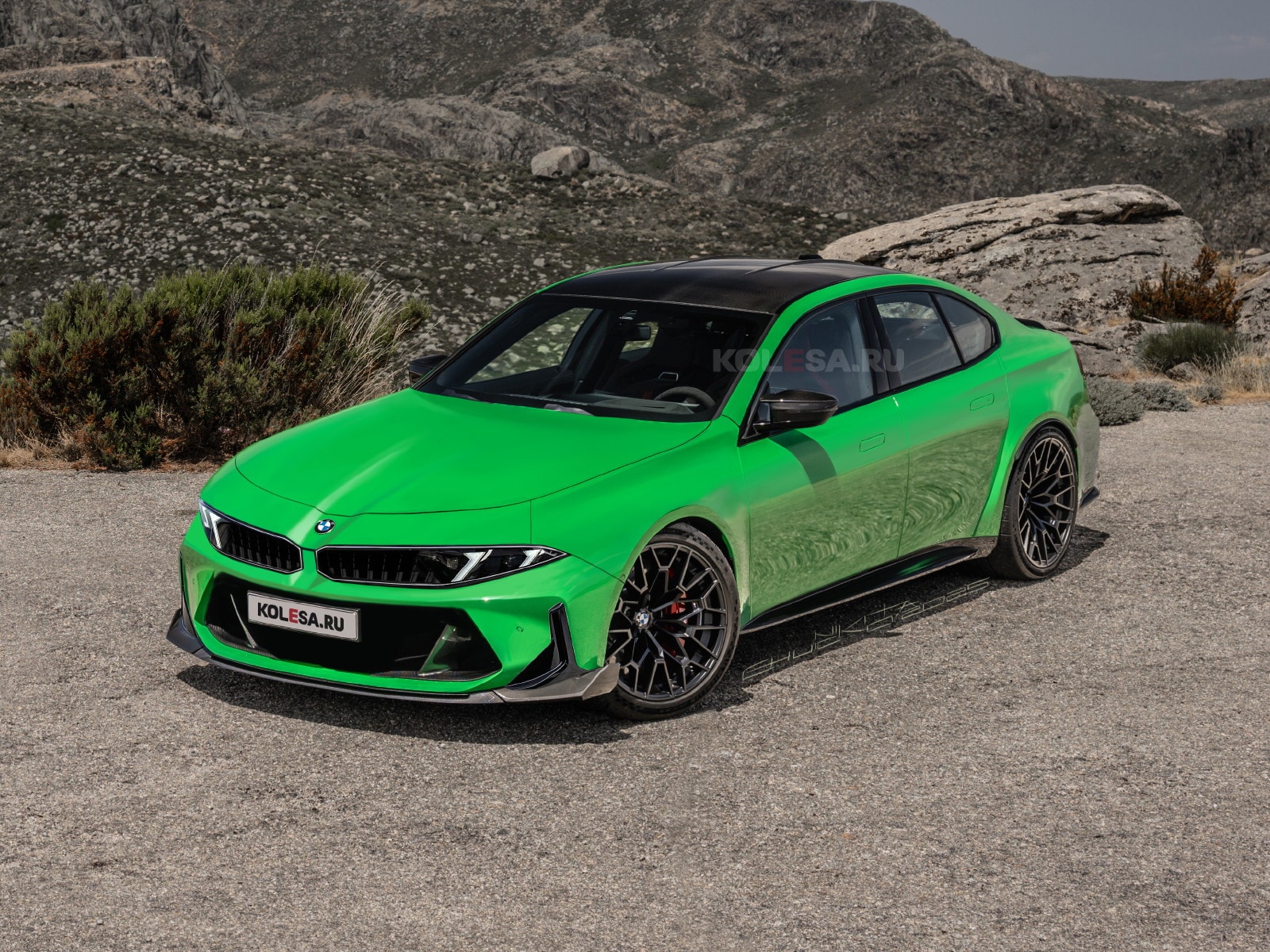
BMW is preparing to launch two versions of its iconic performance sedan in the next cycle, with both an all-electric M3 and a new petrol-powered model expected to arrive around 2027. Rather than replacing one with the other, the brand is positioning them side by side, with pricing expected to land in a similar range.
The electric M3, which has not yet received an official name, will take its foundations from the recently unveiled i3 and ride on BMW’s next-generation Neue Klasse platform. Early prototypes have already been spotted undergoing testing, hinting at a serious performance focus. Power is expected to come from a four-motor setup, one at each wheel, delivering close to 1000 hp (746 kW), which would place it firmly at the top end of the segment.
At the same time, BMW is not walking away from combustion power. A new petrol M3 is in development and will continue to use the familiar CLAR architecture that underpins the current 3 Series. While the core platform remains, the design will evolve to reflect BMW’s Neue Klasse styling direction, creating a visual link between the two models.
According to BMW M’s sales head, Sylvia Neubauer, the electric M3 is being engineered to deliver the same core qualities that define the badge. She emphasised that performance is not just about straight-line speed, but also about precision, control and the connection between driver and machine. In her view, a high-performance EV must inspire confidence at every moment, not just under full acceleration.
Convincing traditional M buyers to embrace electric performance remains part of the plan, but BMW is realistic about the challenge. The brand intends to host drive experiences to give enthusiasts proper seat time in the new EV, with the expectation that some will be converted once they experience it firsthand. For those who are not ready to make the switch, the petrol alternative will remain available.
BMW also appears confident in its ability to adapt to market demand, particularly as EV adoption continues to fluctuate globally. By offering both powertrains simultaneously, the company is giving buyers flexibility rather than forcing a transition.
Visually and conceptually, the two cars will be closely related. While certain functional differences will shape specific design elements, the overall impression is expected to be that of a matched pair. BMW describes them as “twins”, built around the same philosophy but executed with different drivetrains.
Rather than splitting the audience, BMW M sees both versions appealing to the same core group of performance-focused drivers. Some will lean toward electric innovation, while others will remain committed to combustion power. Either way, the goal is clear: regardless of what sits under the bonnet, it still needs to feel like an M3.