
Close Menu
Zero2Turbo
    Facebook X (Twitter) Instagram
    Facebook X (Twitter) Instagram RSS
    Zero2Turbo
    • Home
    • Contact
    • Videos
      Featured

      SSR Performance Twin Turbo Porsche 911 GT3 RS Ready To Torment Tracks

      By Zero2TurboApril 8, 2026
      Recent

      SSR Performance Twin Turbo Porsche 911 GT3 RS Ready To Torment Tracks

      April 8, 2026

      Ford GT Mk IV Sets Nürburgring Record for Pure Combustion Cars

      April 6, 2026

      Ford Mustang GTD Reportedly Smashes Corvette ZR1X Around The Ring

      March 26, 2026
    • South Africa
    • WhatsApp Channel
    Zero2Turbo
    Home»News»Porsche Reveals Power Outputs of Upcoming Taycan’s
    News

    Porsche Reveals Power Outputs of Upcoming Taycan’s

    By Tokoloho MogotlaneJuly 23, 2019No Comments
    Facebook Email Twitter LinkedIn Telegram WhatsApp
    Share
    Facebook Email Twitter LinkedIn WhatsApp Telegram

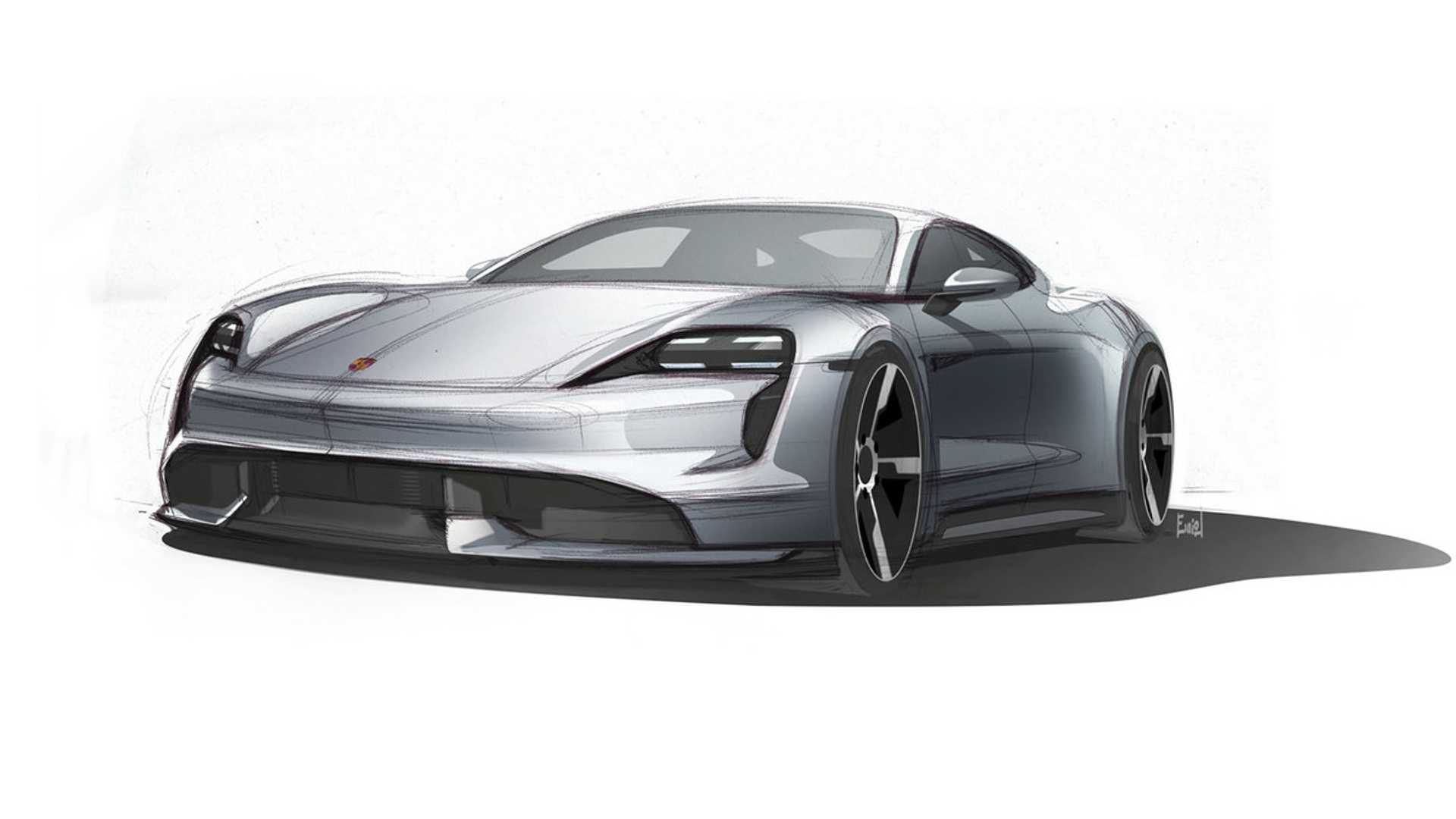
    For a while now it has been apparent that Porsche is set to produce its first-ever all-electric sports sedan called the Taycan. While the German automaker sent the upcoming EV for a run at the Goodwood Festival of Speed earlier this month, we haven’t had official specifications of the production model, until now.

    UK publication Car Magazine was tagged along for the drive at the 2019 Goodwood Festival of Speed. Much to the luck of the publication, this is where Porsche broke the news on the production model of its upcoming Tesla rival. According to the publication, the Taycan will be offered in three trim levels with the range-topping model taking up the Turbo nametag.

    Kicking off the line up will be the base ‘Taycan Carrera’ sourcing electric power from a choice of 322 hp (240 kW) or 376 hp (280 kW) electric motors with an 80 kWh battery pack. All this electric power will be driving the rear wheels in this model. The mid-range meanwhile will be christened the ‘Taycan Carrera 4S’. In this spec, all four wheels will be driven by either a 429 hp (305 kW) or 483 hp (360 kW) electrified setups as well as a larger 96 kWh battery pack.

    As previously mentioned, the Porsche Taycan range will also include a full fat Turbo model. This top-of-the-range model will be powered by a dual electric motor setup which offers a combined power output of 592 hp (441 kW) allowing the ‘Taycan Turbo’ to hit 100 km/h from rest in less than 3.5 seconds, 200 km/h is dealt with in less than 12 seconds. Thanks to a larger battery pack, the Turbo model will reportedly deliver a driving range of up to 320 miles (515 km).

    According to Porsche, the Taycan will be able to charge up to 80 percent in just 15 minutes which is twice as fast as Tesla. Porsche will debut the Taycan at this year’s Frankfurt Auto Show in September. Until then, we will be keeping an eye out for more news of the all-electric sedan, maybe even an online reveal.

    Porsche
    Share. Facebook Email Twitter LinkedIn WhatsApp Telegram
    Previous ArticleLotus Evija May Have A Go At The Nürburgring Production Car Record
    Next Article Kyalami 9 Hour Brings Intercontinental GT Challenge to South Africa

    Related Posts

    SSR Performance Twin Turbo Porsche 911 GT3 RS Ready To Torment Tracks

    April 8, 2026

    Porsche Reimagines 911 S/T With Sonderwunsch One-Off Inspired by Racing Icon

    March 26, 2026

    Porsche Considering New Halo Supercar Above The 911

    March 11, 2026

    This PTS Porsche Carrera GT Sold for Over R100 Million

    March 9, 2026

    Porsche May Merge Taycan And Panamera Into One Model Line

    March 9, 2026

    Porsche and Audi Q9 To Share DNA in Upcoming Luxury Seven-Seater

    February 26, 2026
    Popular Posts
    • 5 Affordable Performance Mods For Your Car
    • Aston Martin Rapide E Revealed With 601 HP (448 kW)
    • Mercedes-AMG GT Sedan Loses Camo For Red Wrap
    • Dubai Police Add Mercedes-AMG GT 63 S 4-Door Coupé to Fleet
    • The Pros And Cons Of Pawning A Car

    Facebook X (Twitter) Instagram YouTube RSS
    Designed by Zero2Turbo.

    Type above and press Enter to search. Press Esc to cancel.