
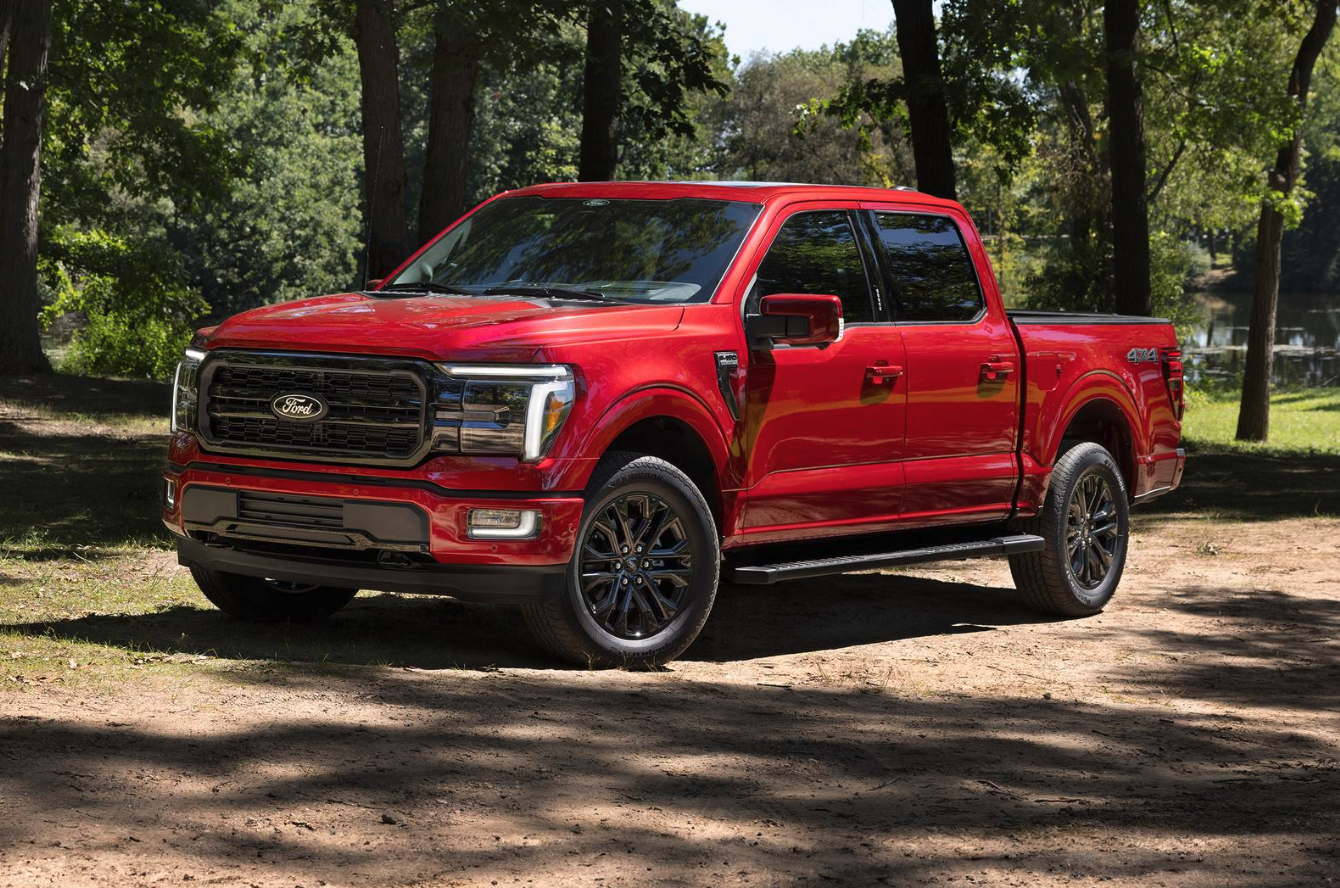
Your pickup truck is one of the most capable machines on the road — but most owners are only scratching the surface of what it can actually do. Whether you use your truck for work, weekend adventures, or both, understanding how to fully leverage its strengths can transform the way you drive and haul. Here’s how to get every last bit of performance out of your rig.
Know Your Payload and Towing Numbers — Really Know Them
The sticker inside your door jamb is not just a suggestion. Your truck’s payload and towing ratings are engineering limits, and respecting them protects your truck, your cargo, and everyone else on the road.
Payload covers everything in the cab and the bed — passengers, tools, gear, and tongue weight from a trailer. Towing capacity refers to the total weight of what you’re pulling. Both numbers work together, so loading the bed heavy while towing cuts into your available capacity fast. Get in the habit of knowing what your load weighs before you head out, not after you feel something shimmy on the highway.
Use Your Bed Smarter
Most truck owners treat the bed like a dump zone. That’s a waste of some seriously useful real estate. Bed liners protect against rust and scratches, but the upgrades that make a real difference are organization-focused. Bed extenders, cargo management rails, and toolboxes keep gear from sliding around and make loading and unloading far less chaotic.
For drivers who spend long hours on remote job sites, ranches, or off-grid terrain, one of the most practical bed upgrades is a truck bed auxiliary fuel tank. Instead of hunting for the next gas station or cutting a work day short, a truck bed auxiliary fuel tank lets you carry extra fuel right in the bed — giving you the range to stay in the field longer without the anxiety of running low. It’s a simple addition that pays for itself quickly in time and peace of mind.
Tire Pressure Is Not an Afterthought
Your truck’s tires are where all that capability meets the road. Running them at the wrong pressure — even slightly — affects payload stability, fuel economy, braking distance, and tire wear. Check them cold, not after a drive, and adjust based on load. A lightly loaded truck and a fully loaded one often need different pressures to handle safely. A quality digital tire gauge and a minute of attention before a big haul can make a genuine difference.
Understand Your Four-Wheel Drive System
If your truck has 4WD, you need to know exactly how and when to use it. Most modern trucks have an Auto mode for slippery conditions, 4-High for low traction situations at normal speeds, and 4-Low for serious off-road or heavy pulling at slow speeds. Using 4WD on dry pavement binds the drivetrain and causes damage. It is not extra grip — it is for specific conditions.
Locking rear differentials and electronic traction control systems also vary by trim level. Take the time to read your owner’s manual for your specific setup. Knowing what you have before you need it is a lot better than guessing in the mud.
Keep Up With Maintenance Under Load
Trucks that work hard age faster if maintenance is neglected. Transmission fluid, differential fluid, and brake inspections matter more when you’re regularly towing or hauling heavy loads. Towing in particular stresses the cooling system, so make sure your coolant is clean and your radiator is clear of debris. If your truck has a trailer brake controller, test it before every serious haul.
Oil change intervals may also need to shorten if you’re towing frequently in hot conditions. Severe-duty driving cycles count against your oil life faster than a typical commute.
Upgrade Strategically, Not Randomly
The aftermarket world for pickup trucks is enormous, and it is easy to spend money on modifications that look great but do nothing for actual capability. Lift kits, for example, can actually reduce payload ratings and handling if not properly spec’d for your truck’s GVWR. Focus first on functional upgrades — suspension improvements designed for load carrying, quality hitches rated to your needs, and lighting if you work early or late.
A well-chosen set of all-terrain tires will do more for your real-world capability than almost any cosmetic upgrade. Match your tires to how you actually use the truck, not how you want it to look in a parking lot.
Your Truck Is a Tool — Treat It Like One
The best thing you can do for your truck is use it with intention. That means planning loads, understanding your limits, maintaining it faithfully, and adding accessories that solve real problems. The drivers who get the most out of their pickups are not the ones with the biggest lift kits — they’re the ones who know their truck inside and out and put it to work every single day.
Maximize what you already have, and your truck will take care of you for a long time.