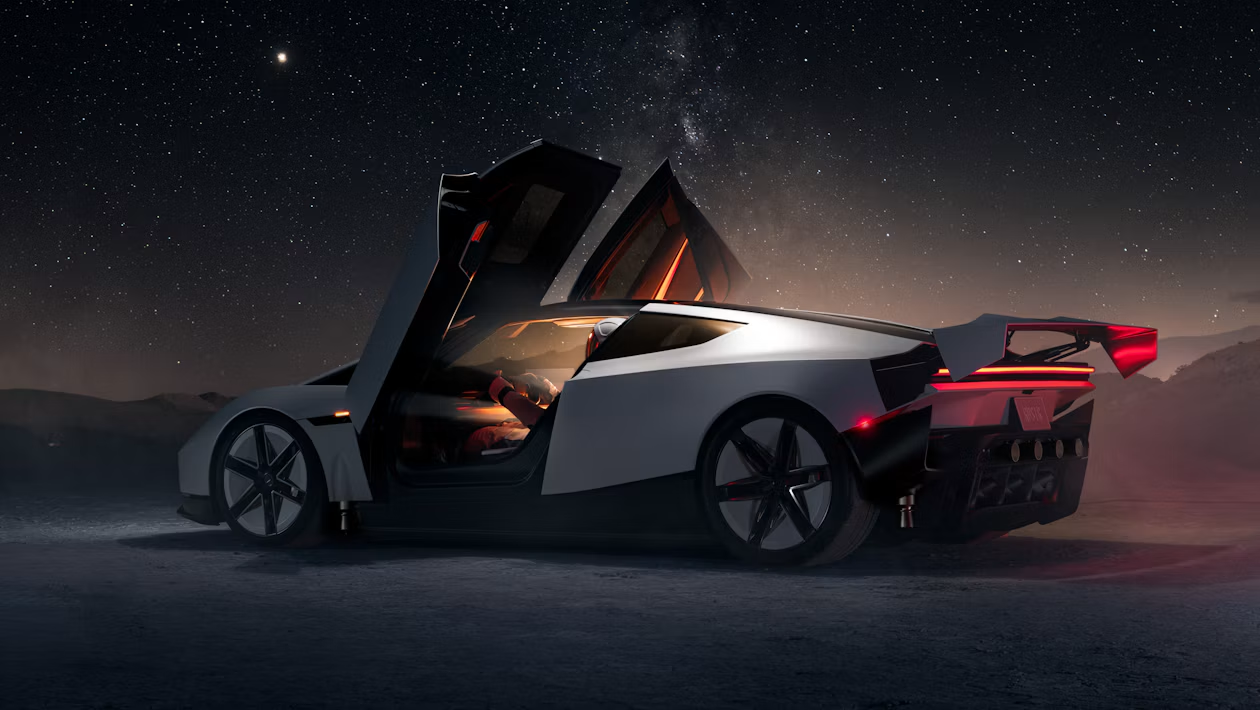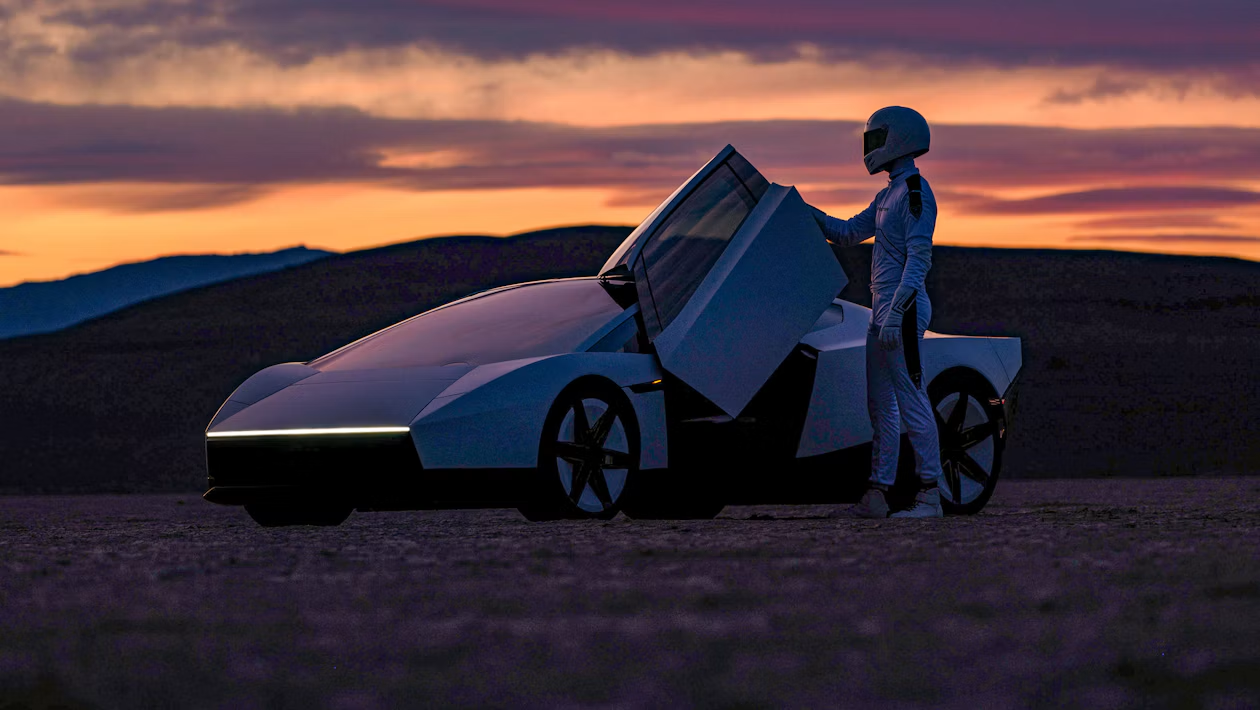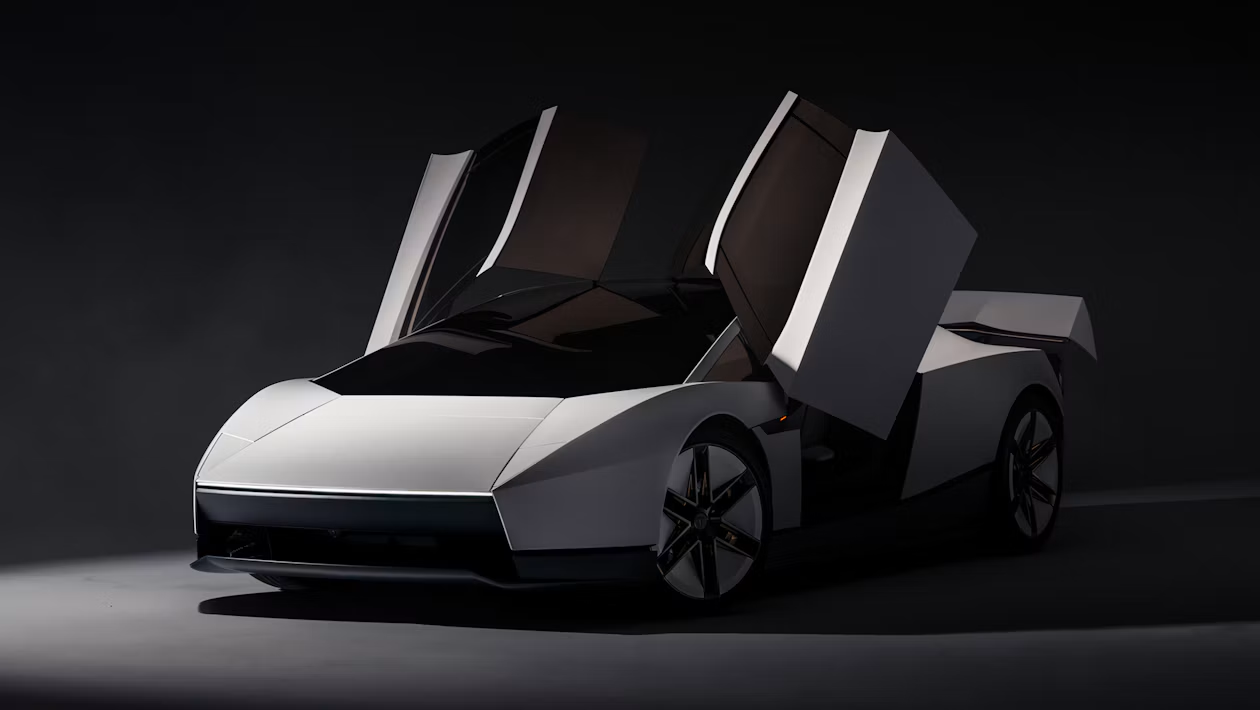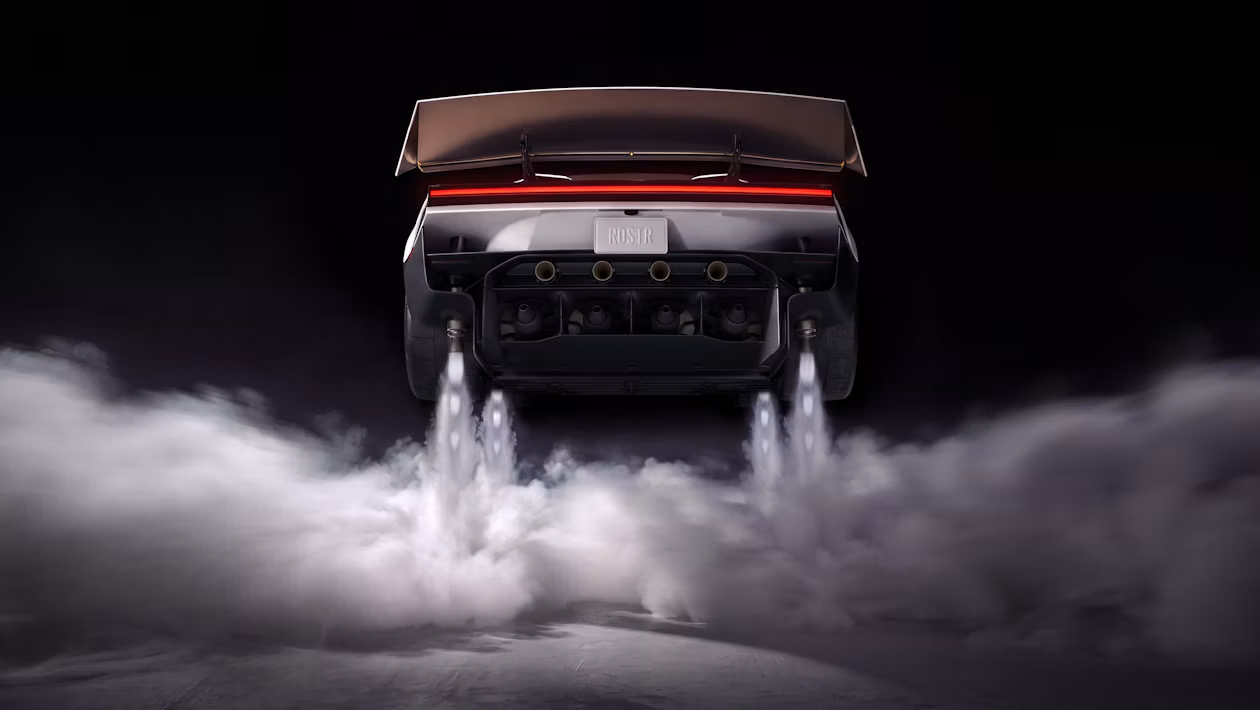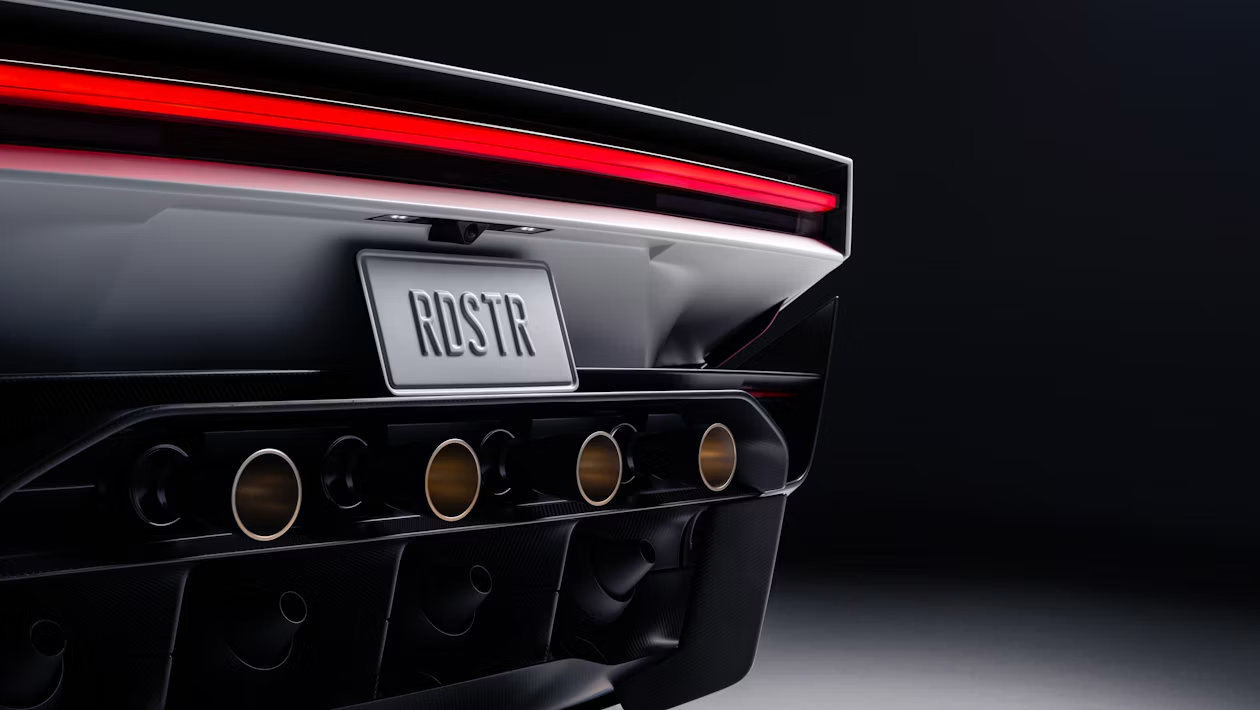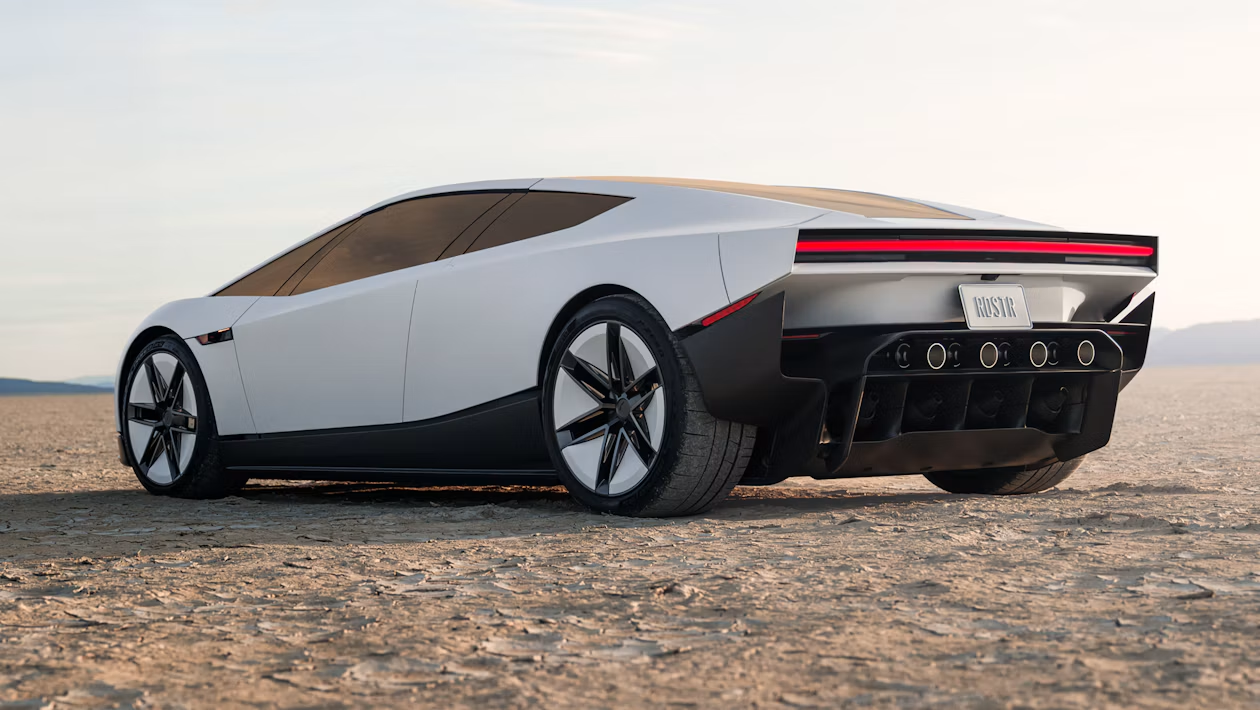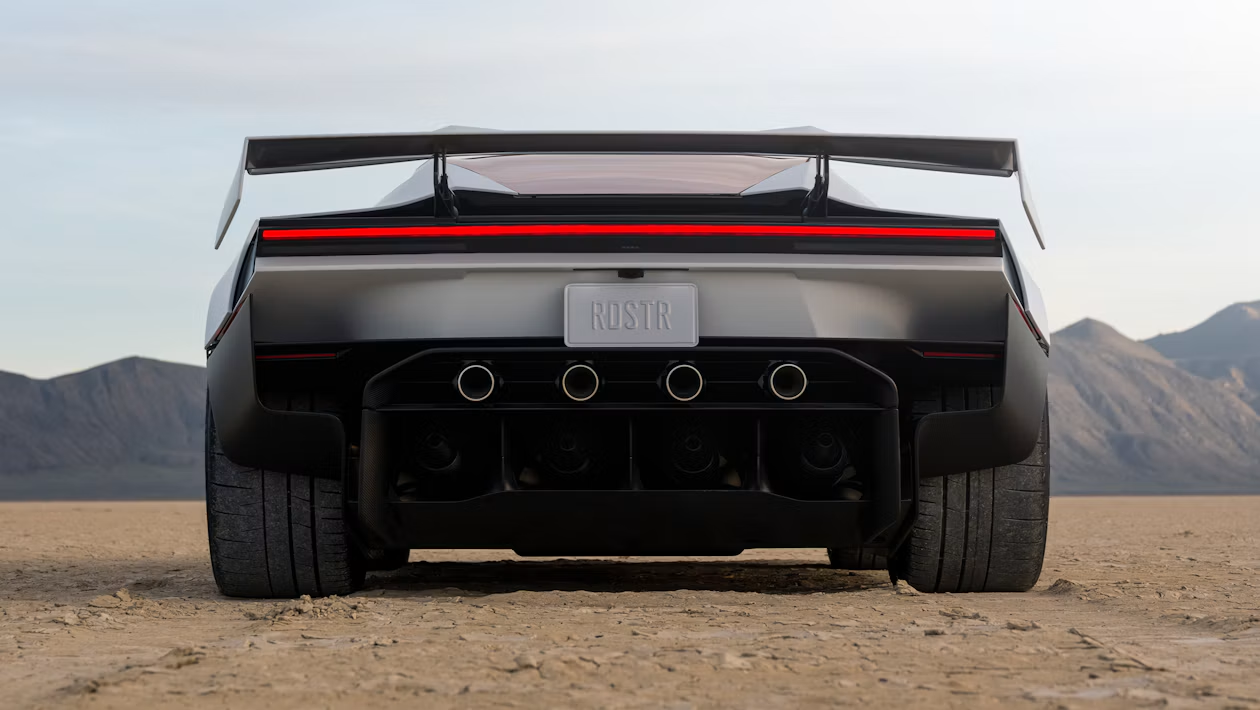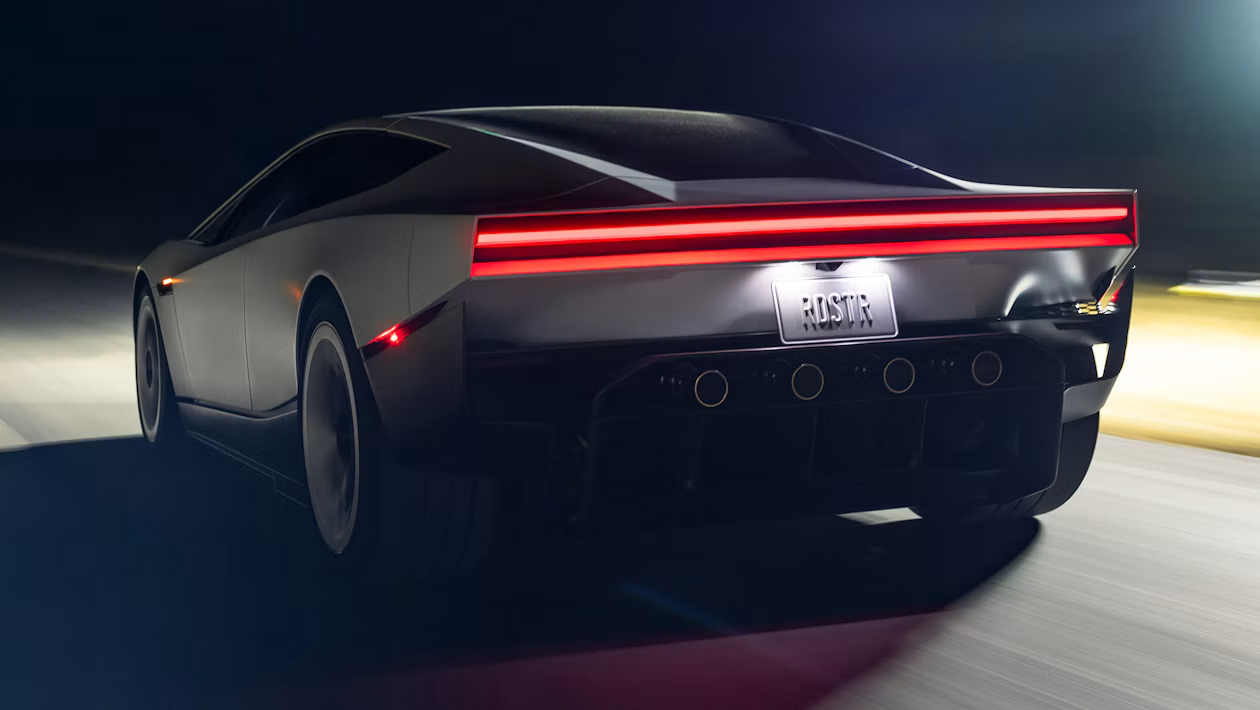
Tesla has finally revealed its reworked Roadster, and the headline feature goes well beyond acceleration. With SpaceX-developed cold-gas thrusters, the electric supercar can briefly lift off the ground and perform aerial manoeuvres.
Unveiled at SpaceX’s McGregor facility in Texas, the Roadster recorded a Tesla-reported 0 to 97 km/h (60 mph) time of just 0.81 seconds during the presentation. Production, however, is still targeted for 2028.
New Tesla Roadster Uses SpaceX Thrusters
Tesla’s sub-second acceleration claims are no longer confined to social media promises. The reveal included a timed demonstration, with Elon Musk suggesting there is more performance to come.
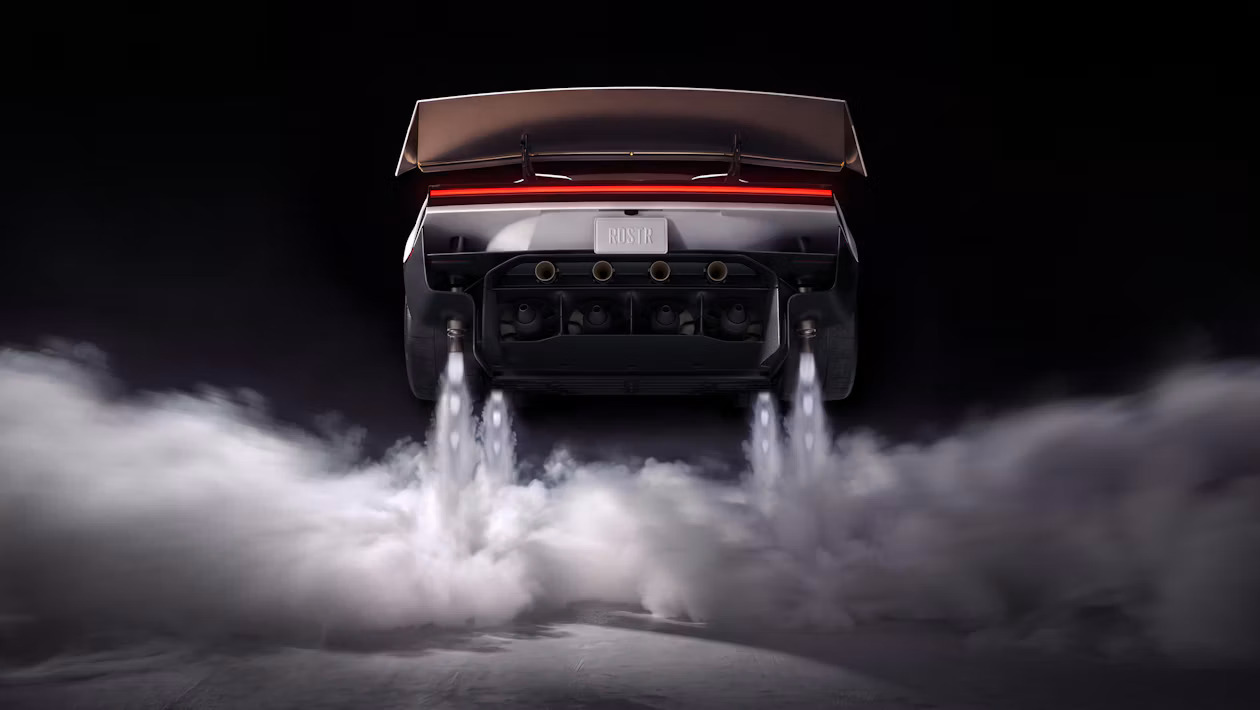
The Thrust version uses rear-mounted cold-gas thrusters that discharge compressed air at supersonic speeds. Tesla claims the system produces more than 80 kN of thrust, helping propel the car beyond the limits of tyre grip alone. Top speed is claimed to exceed 370 km/h (230 mph).
There is an important distinction between the versions. Thrusters are an optional upgrade, rather than standard equipment across the Roadster range. Tesla identifies the specifications on its website as applying to the Thrust configuration.
It is a considerable step beyond the sub-second Roadster acceleration claims Musk made in 2024, although independent testing will determine how repeatable those numbers are.
Invite-Only Rocket Version Can Get Airborne
The Rocket model takes the idea considerably further. Additional thrusters positioned around the body provide upward propulsion and control the car’s movement once airborne.
Fast-acting electric actuators make small thrust adjustments to stabilise it. During the unveiling, Tesla demonstrated aerial rotation and a leap over parked vehicles.
This version has a single seat and will be offered by invitation only. Tesla also acknowledges that the flying configuration is not approved for public roads.
Fan Downforce Lets The Roadster Drive Upside Down
The Roadster’s other party trick comes from beneath the body.
Its Multi-Mode Suction System uses fans to extract air from underneath the car, generating downforce even while stationary. Tesla demonstrated the effect by driving the Roadster along an inverted section of a purpose-built structure.
The company claims cornering forces exceeding 2 G, with selectable settings that prioritise either downforce or reduced drag. Track mode also lowers the car.
Musk believes the Roadster can rewrite circuit records. That remains a claim to prove against established benchmarks, including the record-breaking Rimac Nevera R.
Wedge-Shaped Design Replaces The Original Prototype
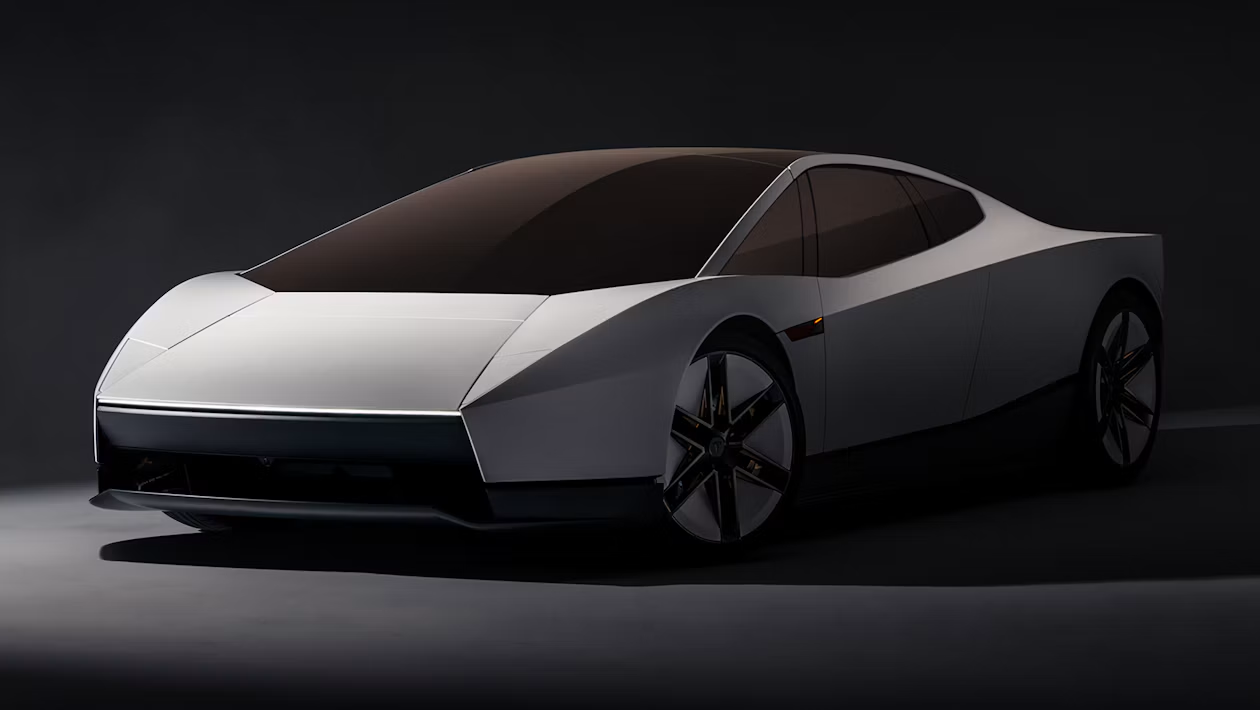
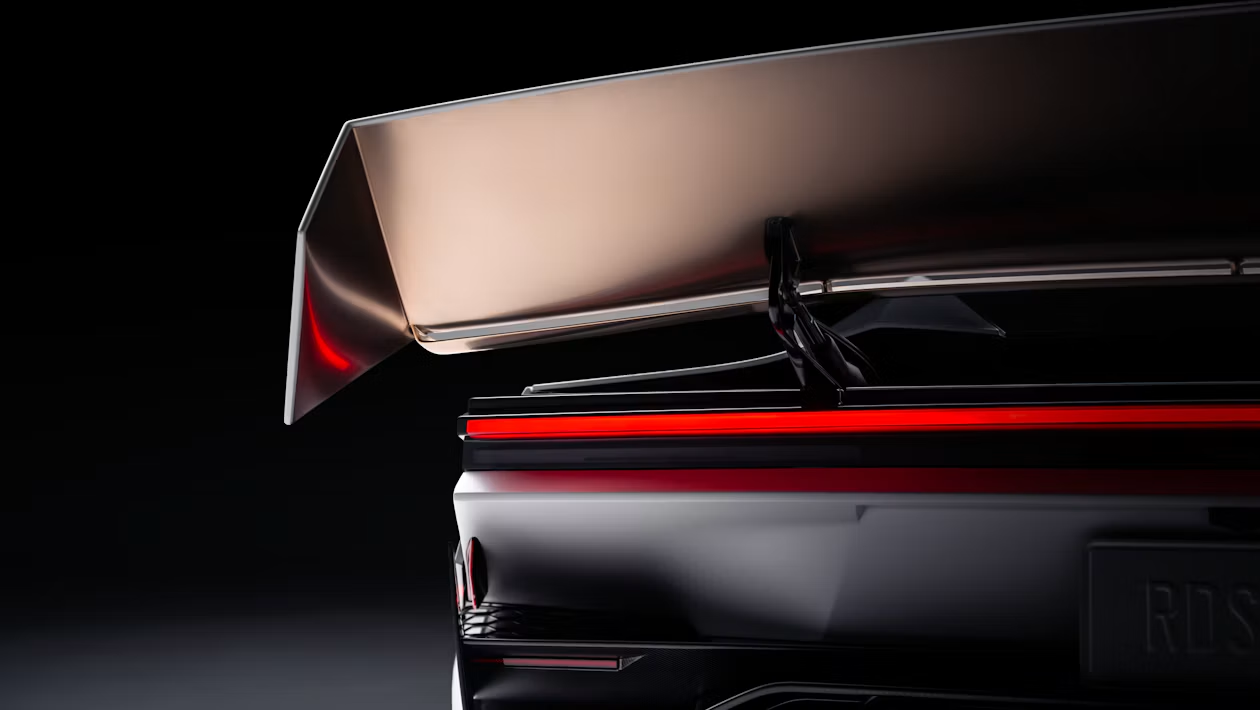
Little remains of the smooth-bodied Roadster shown in 2017. The latest design adopts a sharper wedge profile, extensive active aerodynamics and a large rear wing that deploys from the tail.
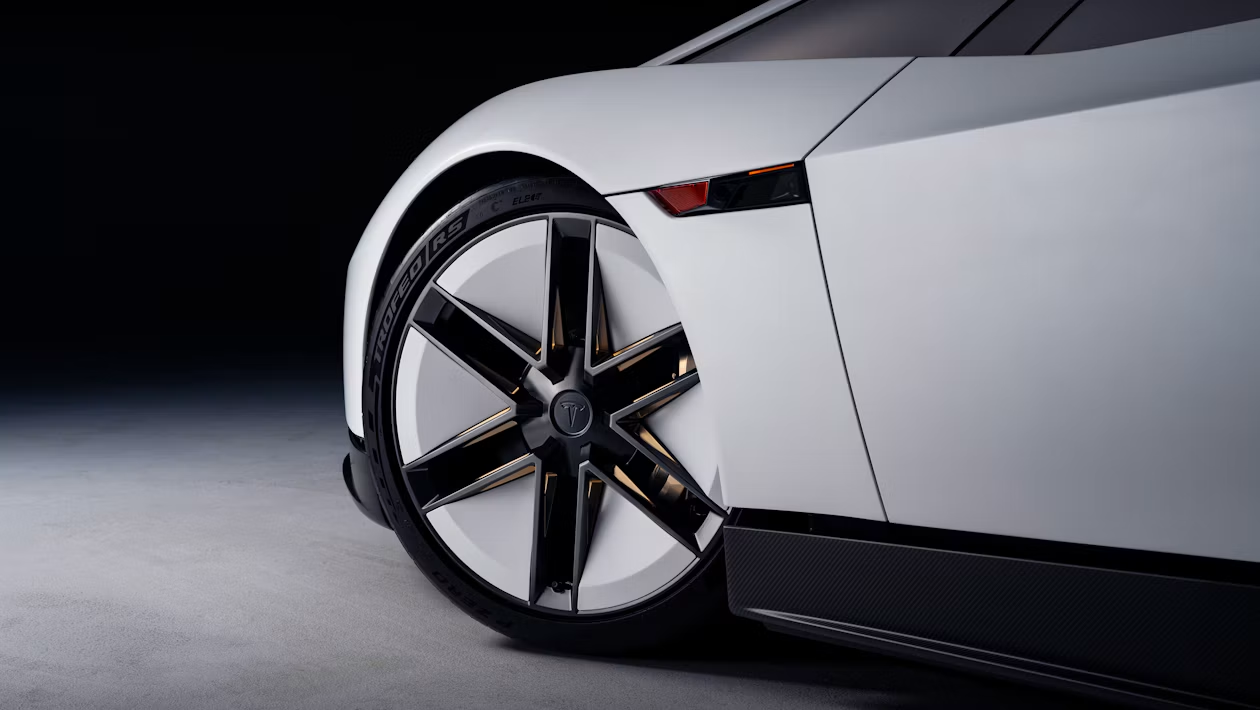
Aerospace influences extend to the tinted glazing, which references the reflective finish of spacesuit visors. Tesla says its Ano White paint was also developed with UV and cryogenic protection in mind.
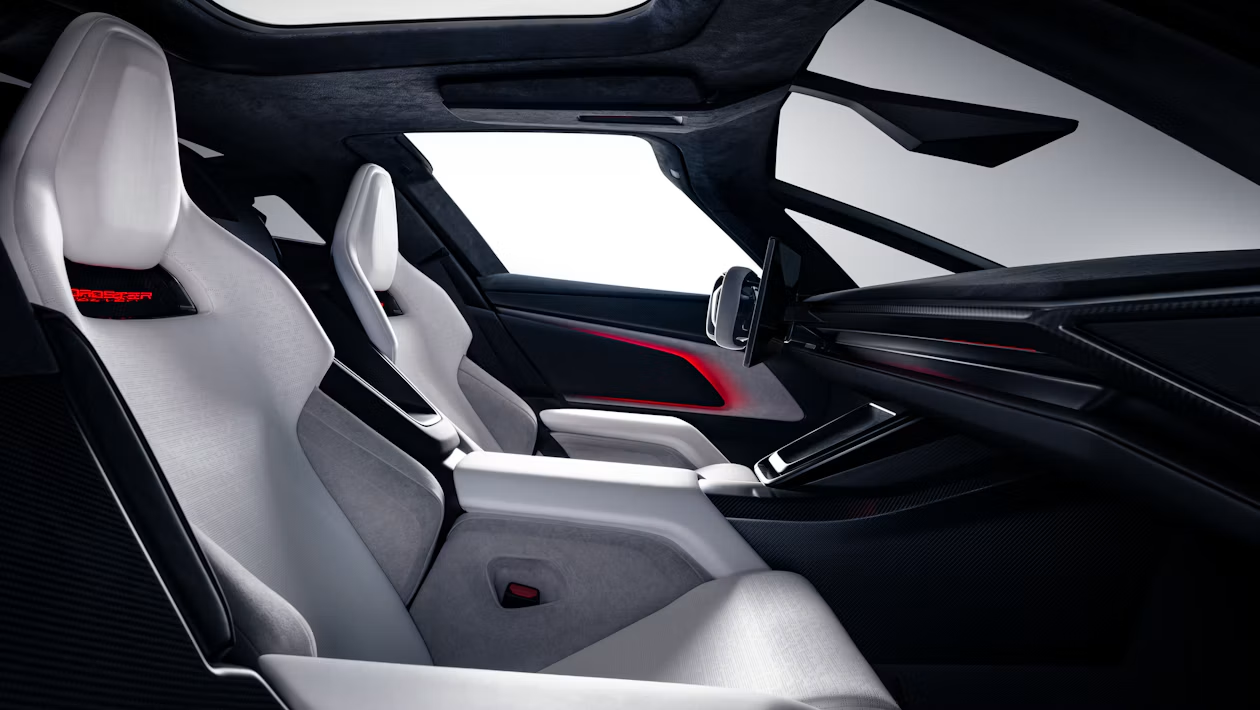
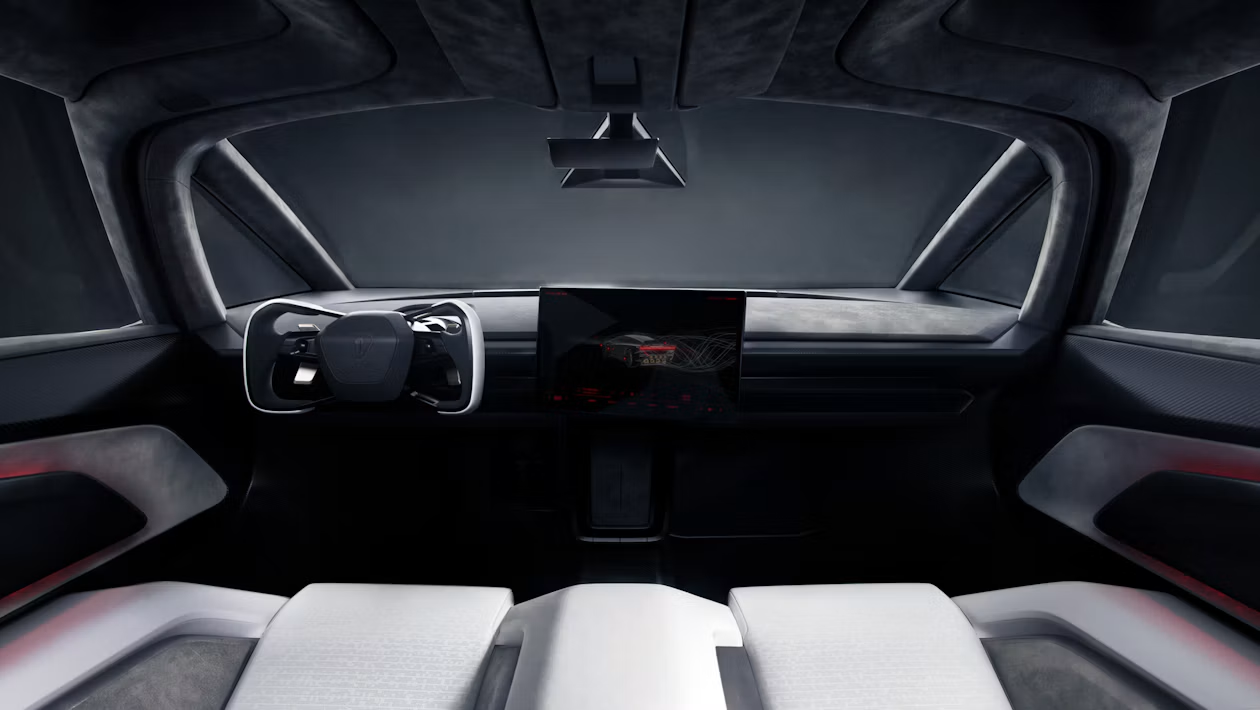
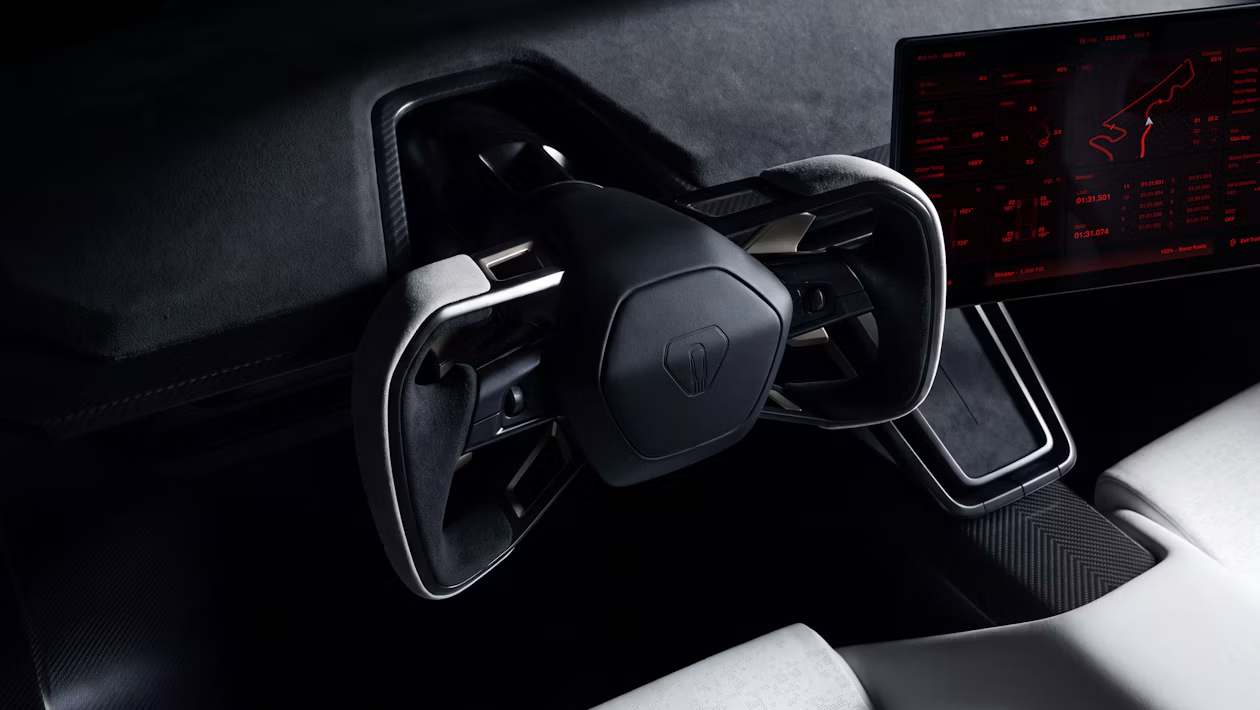
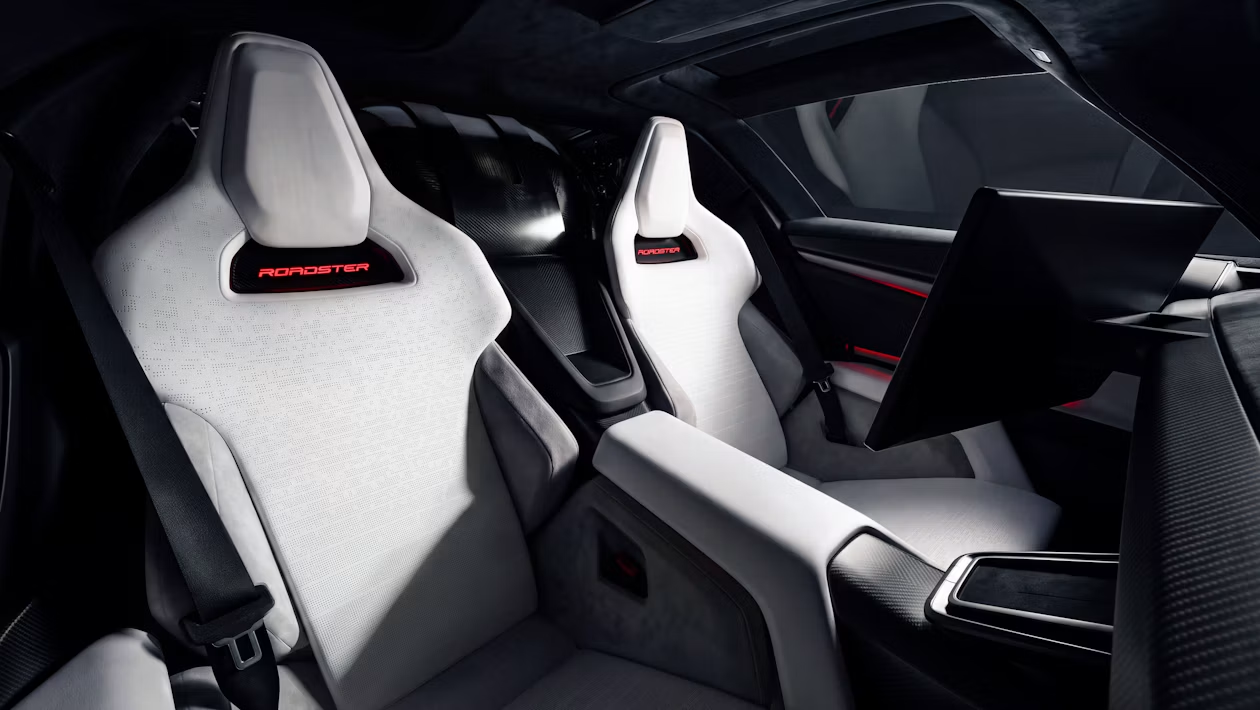
Inside, the approach is more familiar. Microsuede trim, a central touchscreen and a steer-by-wire yoke dominate a deliberately sparse cabin.
The original four-seat proposal has been dropped. The two-seat configuration uses fixed seats to reduce weight, while the Rocket version accommodates only its driver.
Tesla Roadster Production Targeted For 2028
After years of Roadster delays, Musk now points to production in 2028.
The Roadster is expected to be left-hand drive only.