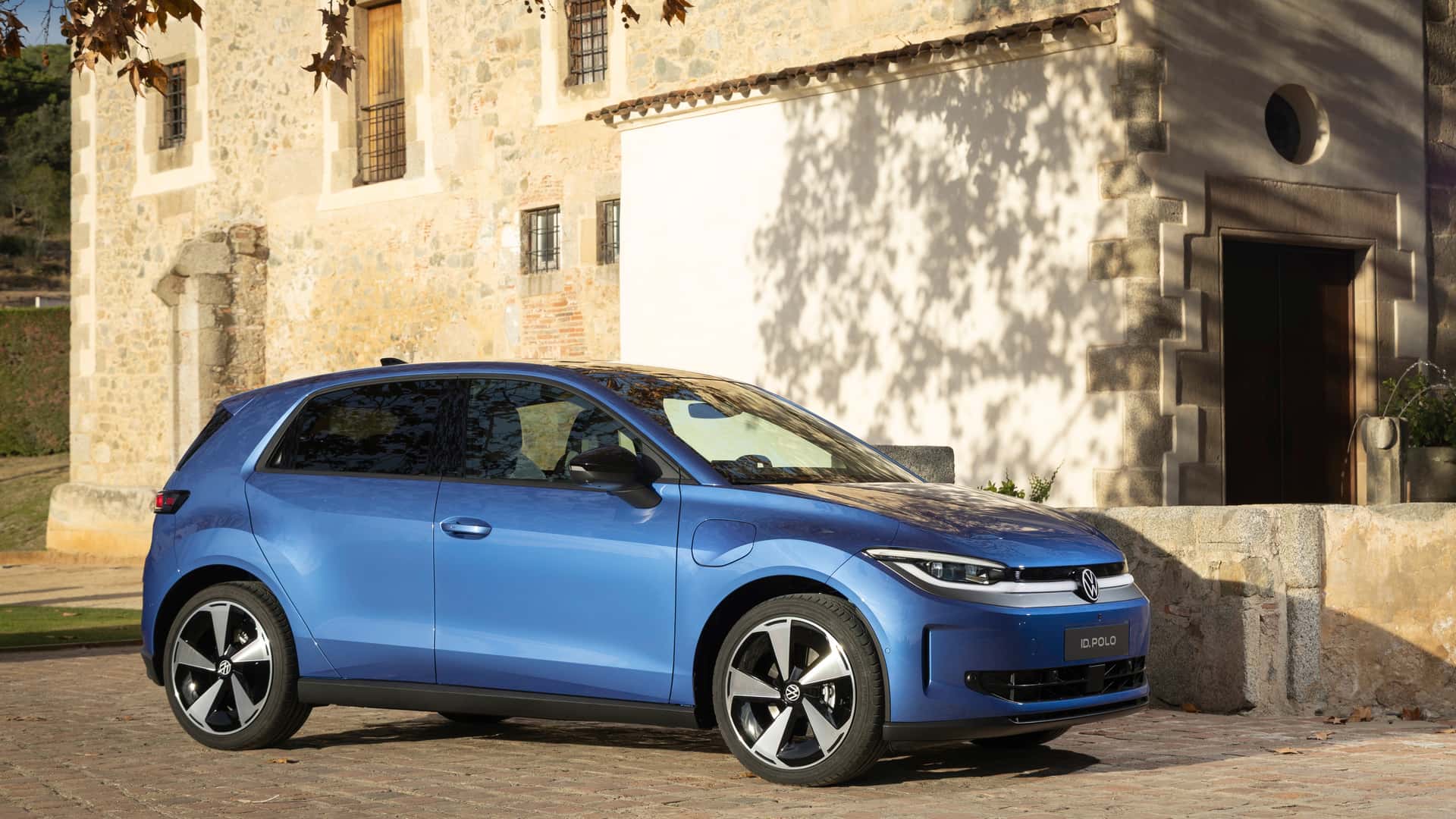
Volkswagen is stepping into new territory with the all-electric ID. Polo, a model that blends one of its most recognisable badges with a ground-up EV platform. It marks a clear shift for the brand, aiming to deliver an affordable electric hatch with a starting price below £25,000 in the UK.
Loaded with modern tech and offering more space than you would expect in this segment, the ID. Polo rivals or even surpasses the Volkswagen Golf in certain areas. It is set to hit the market towards the end of 2026 but it is not yet clear if this will make its way to South Africa.
Unlike the current ID lineup, this one sends power to the front wheels, aligning it more closely with traditional VW hatchbacks. That decision also signals a broader strategy to bring the brand’s electric range back in line with its core identity.
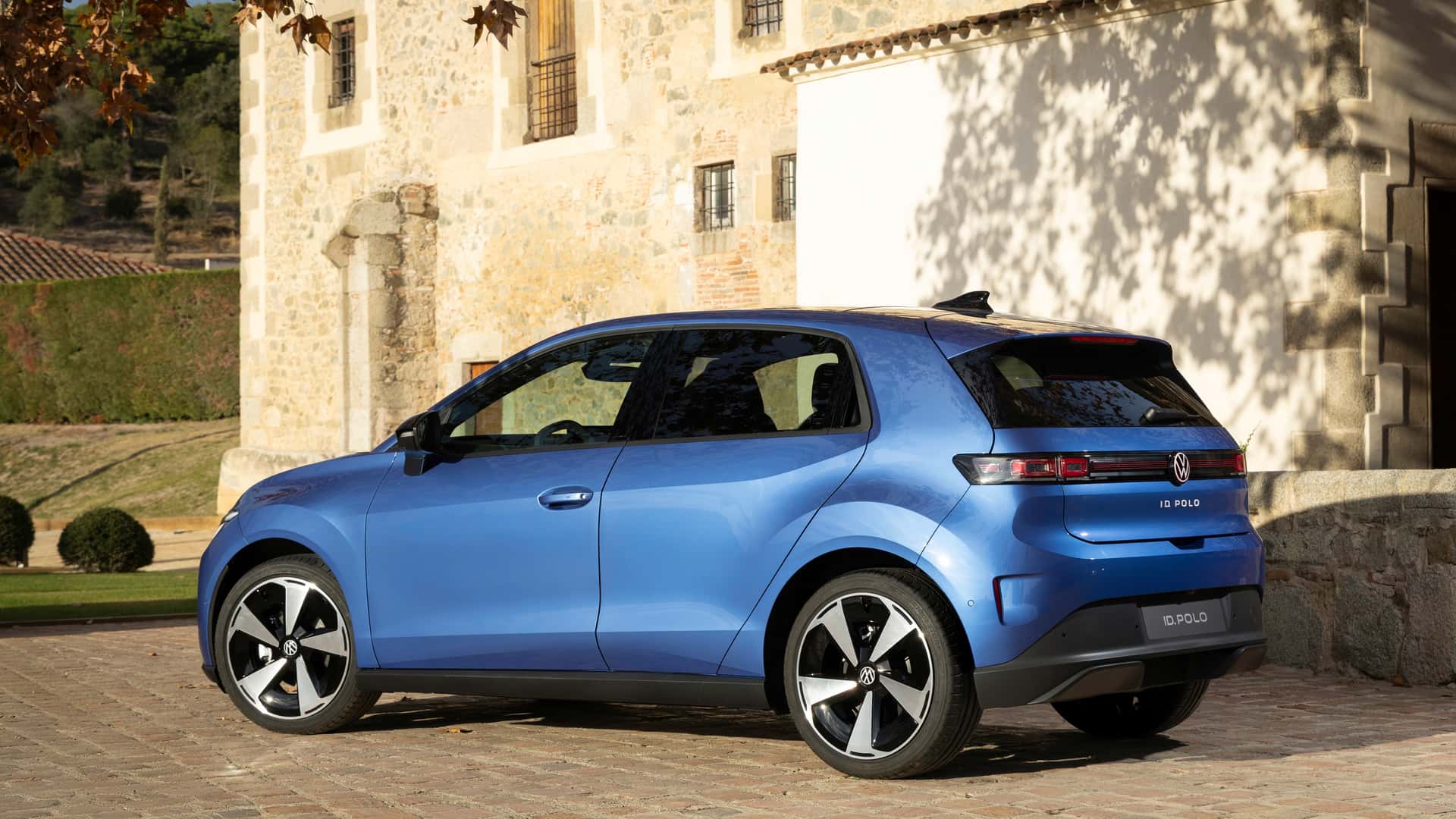
According to Volkswagen insiders, this car represents a reset. Earlier ID models were positioned almost as a separate sub-brand, but the ID. Polo is meant to feel instantly familiar. Interestingly, the car was not always planned to carry the Polo name. During early development around 2021, it was internally known as the ID.2. As the concept evolved and leaned more heavily into Volkswagen’s heritage, the decision was made to revive the Polo badge.
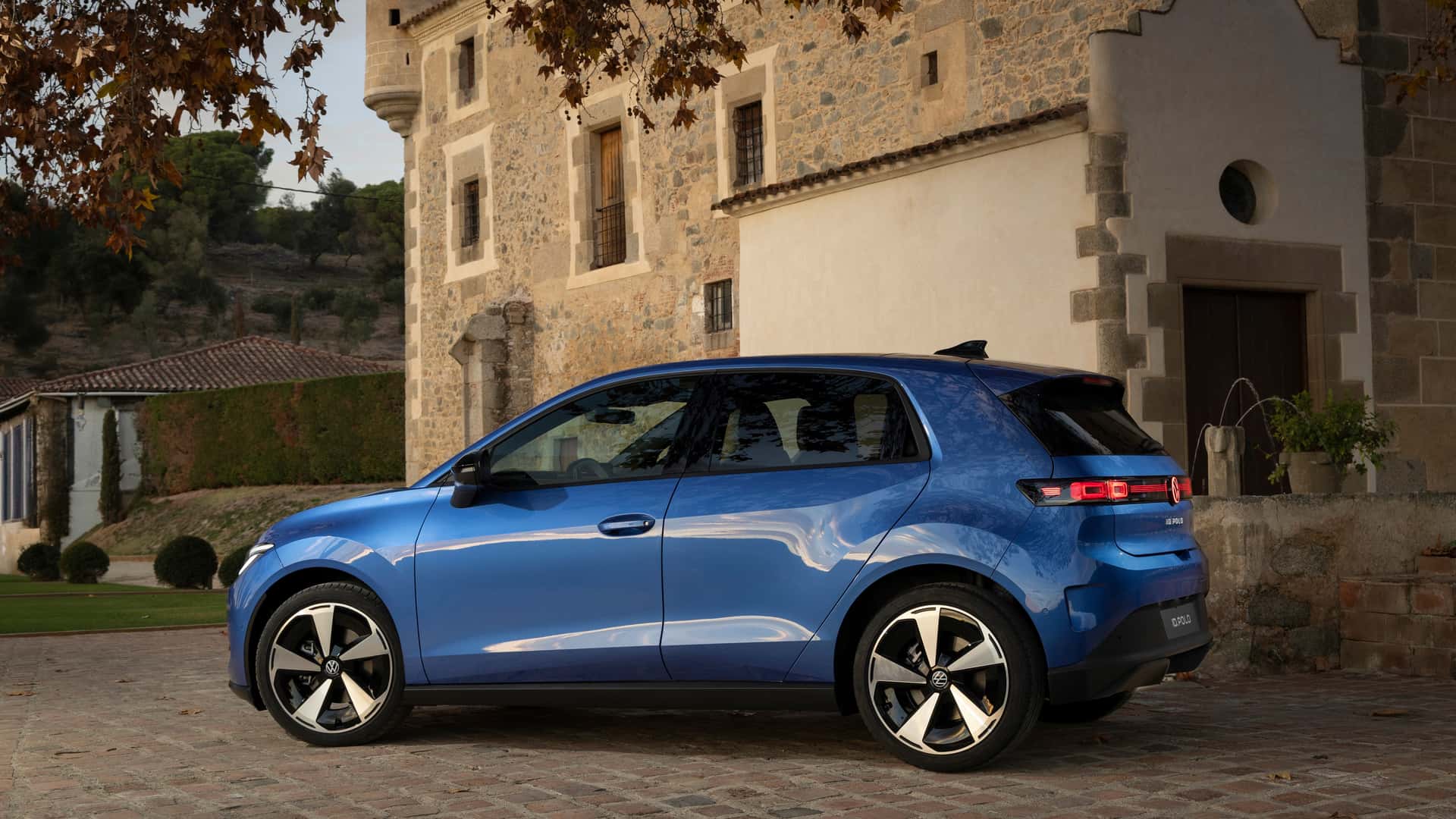
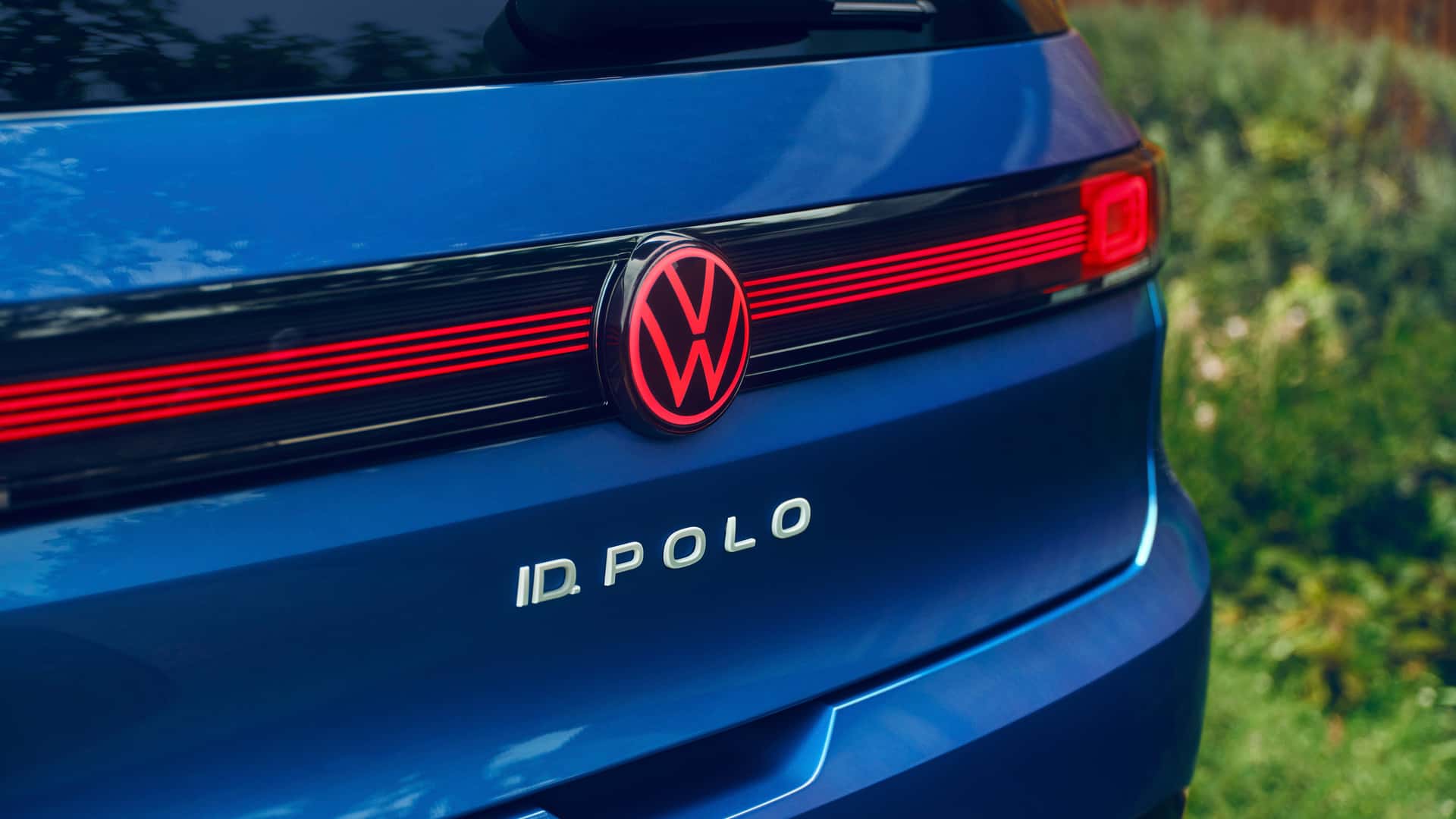
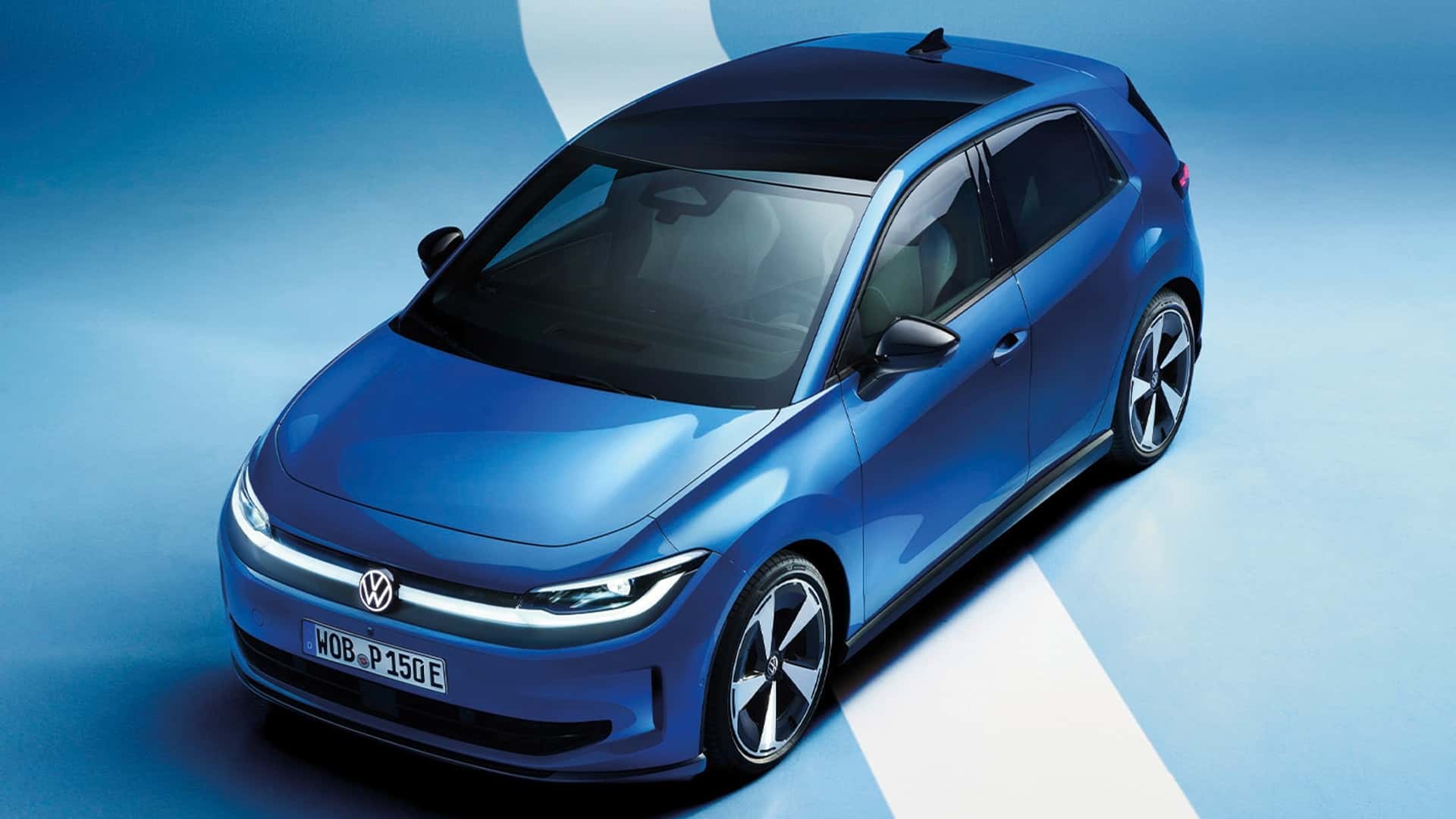
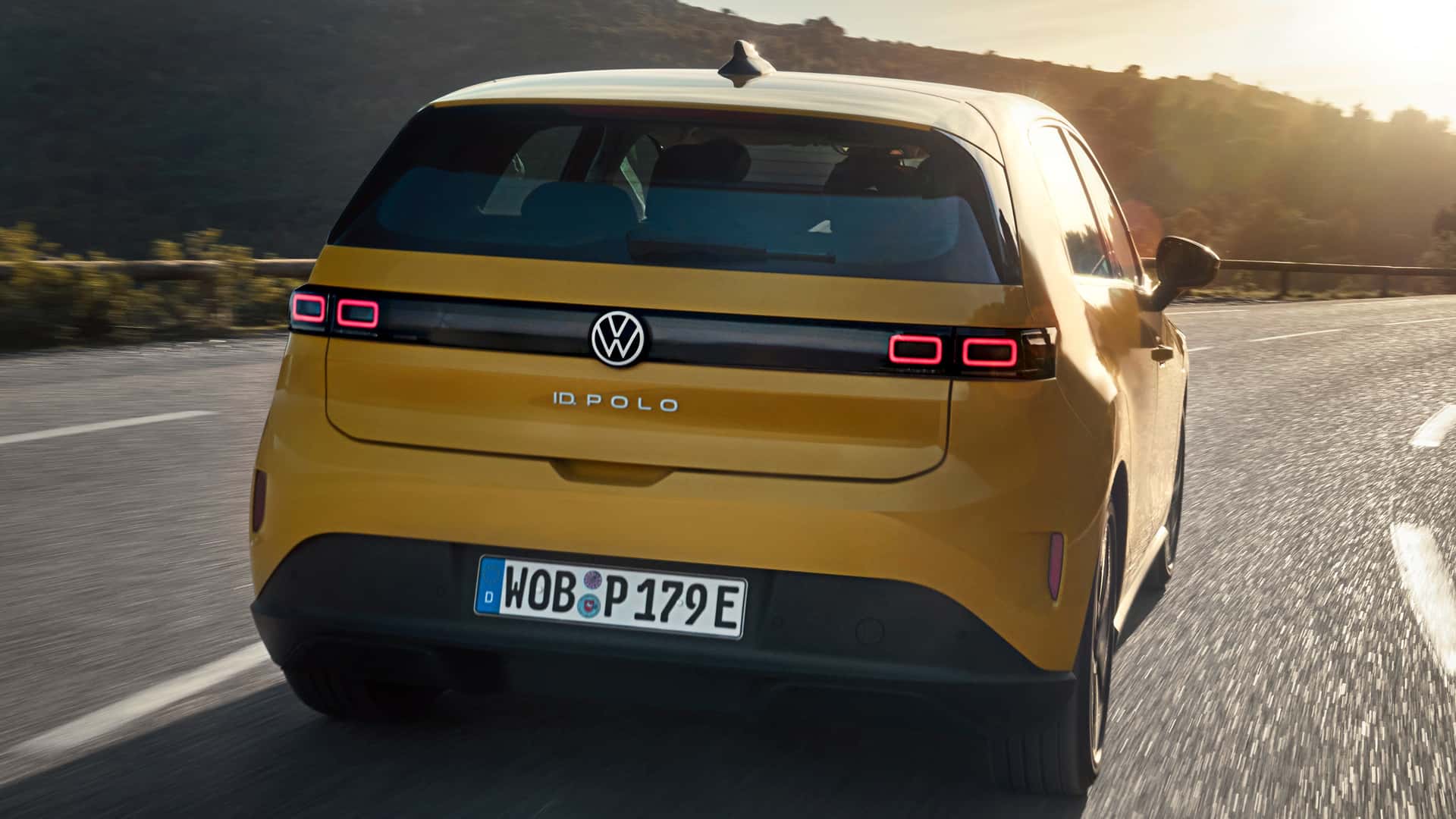
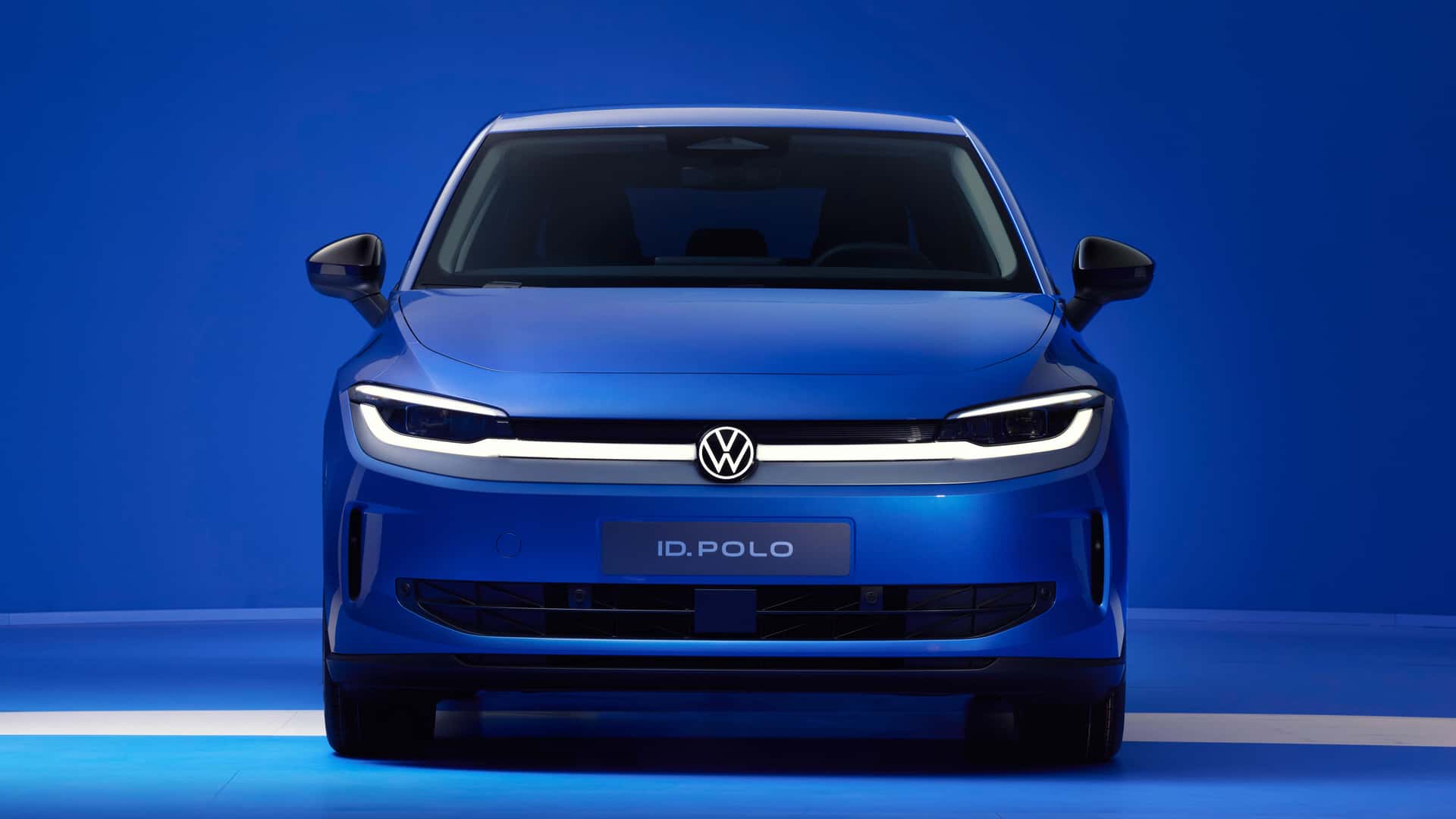
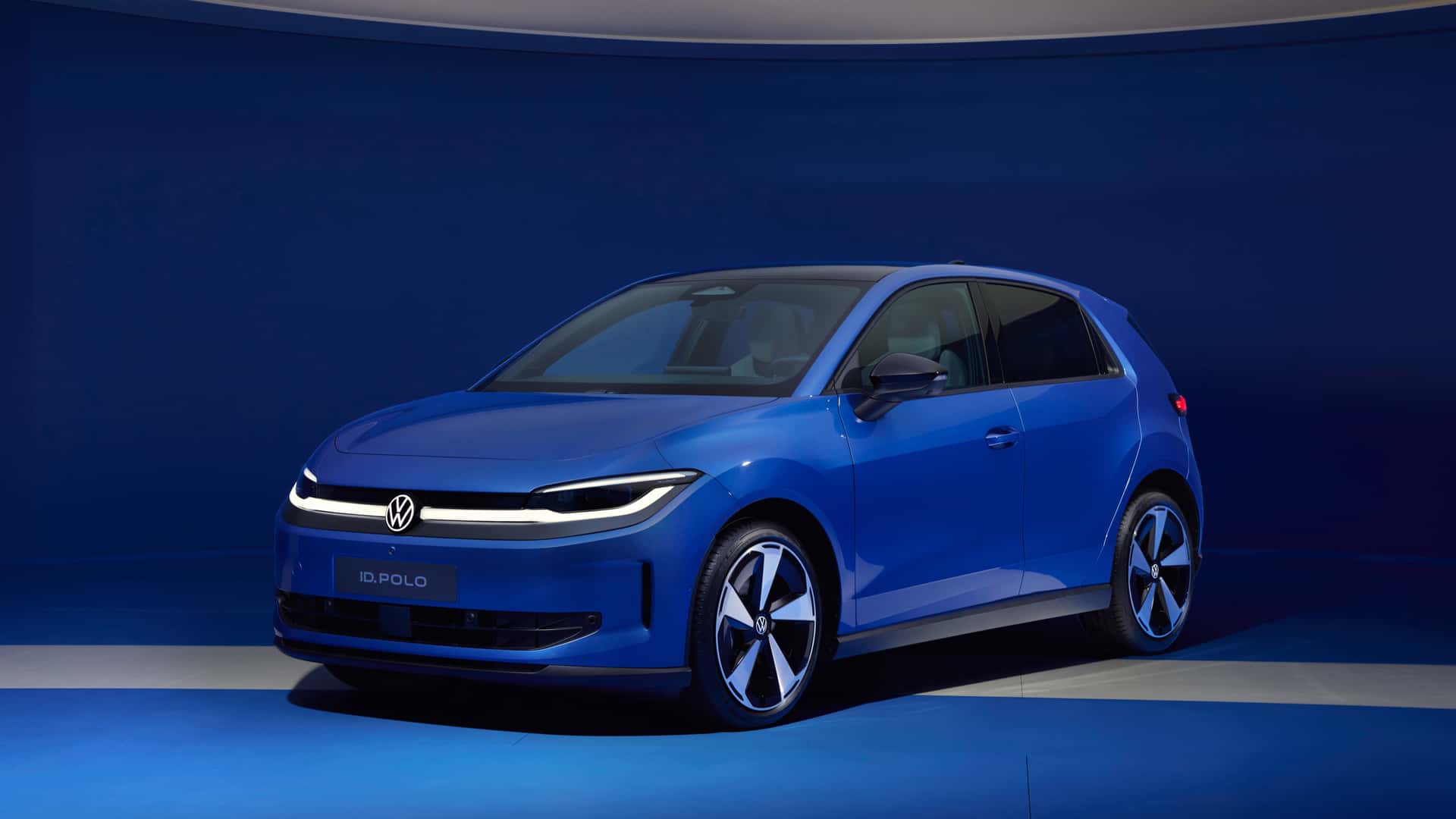
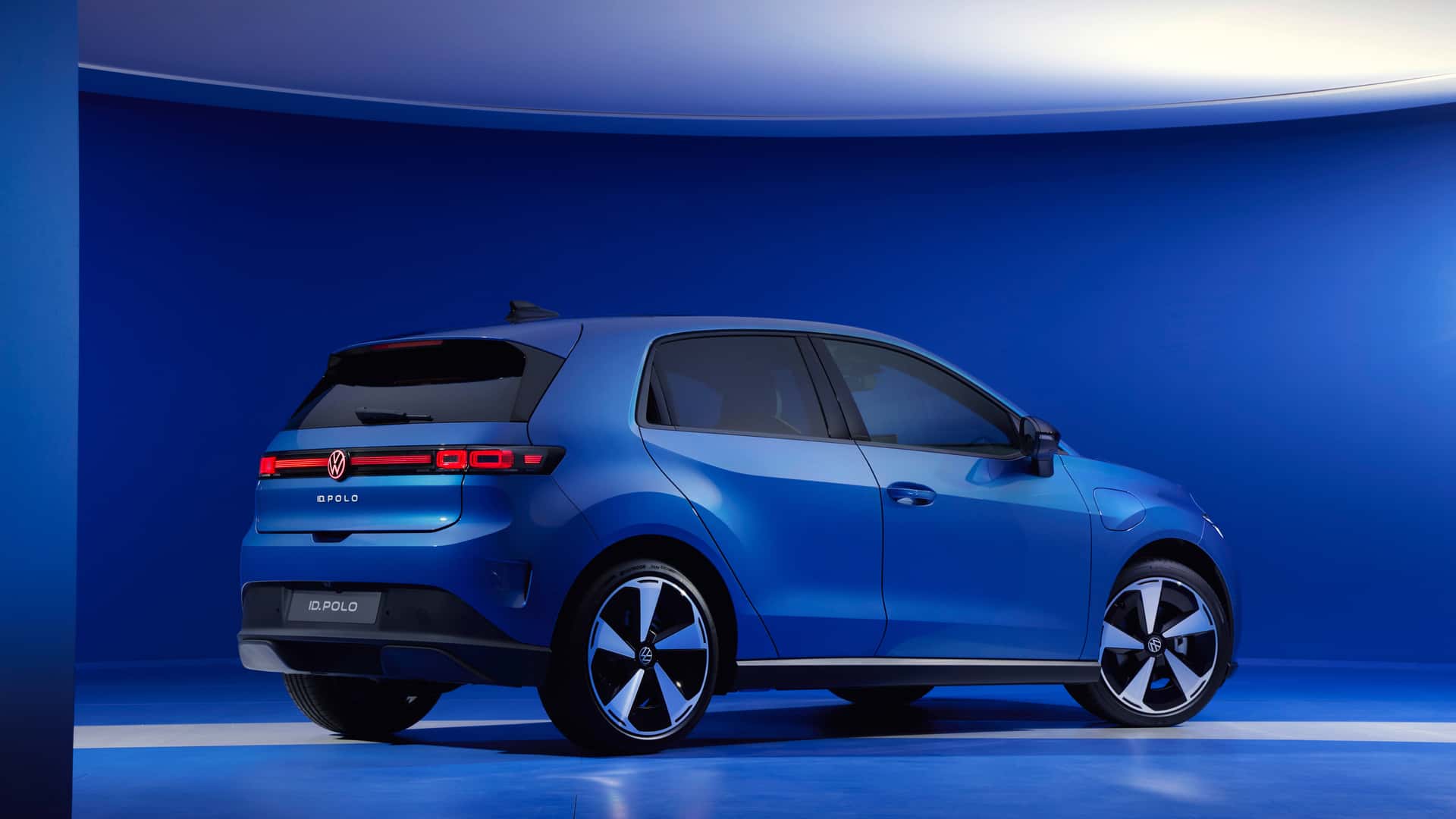
Design plays a big role in that shift. The styling moves away from the experimental look of earlier EVs and leans into a more recognisable VW identity. Up front, the headlights give the car a friendly expression, paired with a lower bumper design that almost looks like a smile. An illuminated VW badge comes standard, while higher trims add light bars front and rear. The rear lights feature a layered, textured design inspired by cut glass.
Proportions are key to its stance. A longer wheelbase, shorter overhangs and wider tracks compared to the combustion Polo help it sit more planted. There is also a nod to classic VW design in the rear pillar treatment, a subtle throwback to the original Golf. Wheel sizes range from 17 to 19 inches, helping balance out the slightly taller ride height caused by the battery pack.
Inside, Volkswagen has clearly listened to feedback. Physical buttons make a return, replacing the unpopular touch sliders and haptic controls seen in earlier ID models. Window controls are now straightforward again, with dedicated switches instead of the previous toggle system.
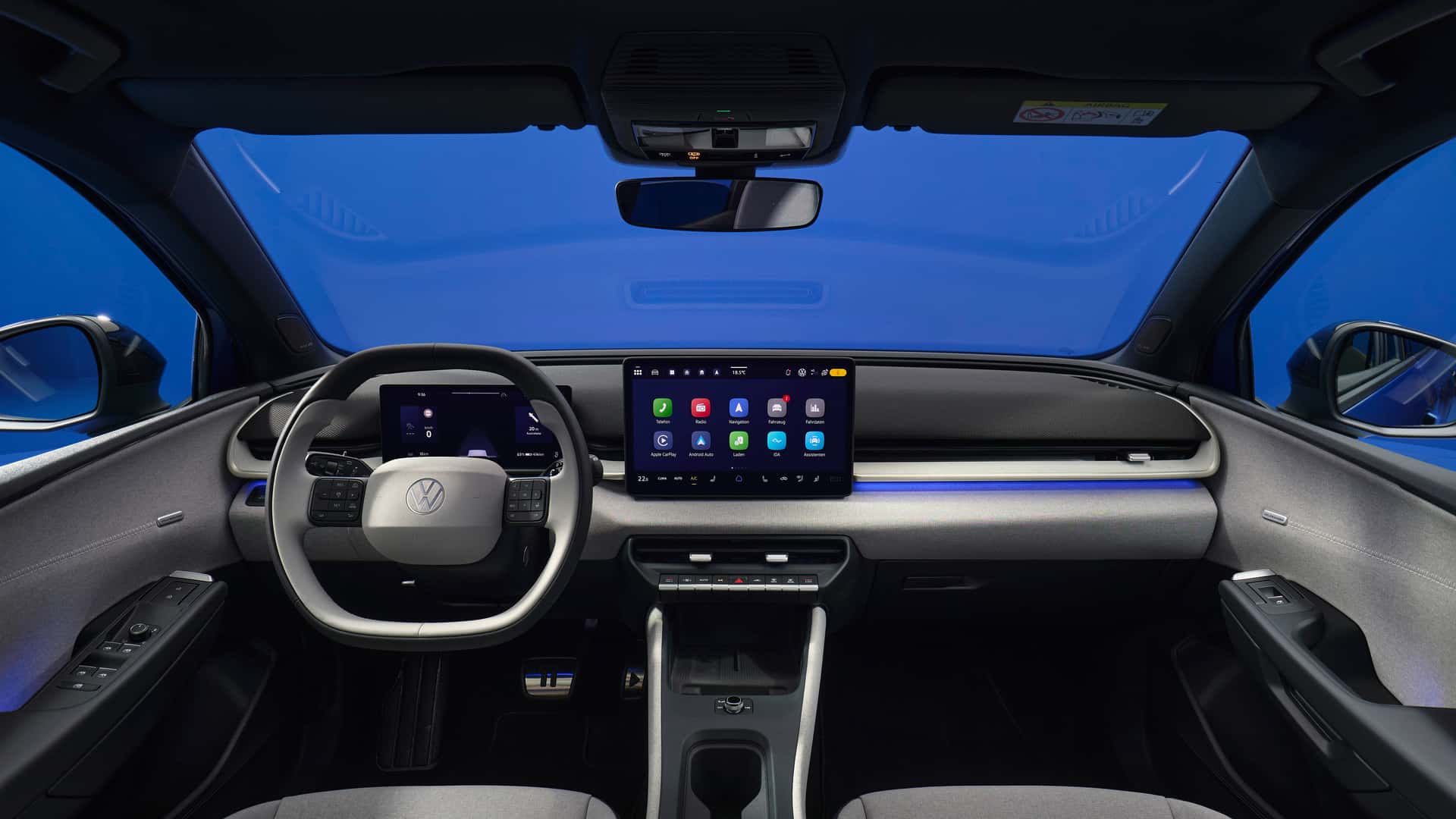
There are still some playful touches. The digital displays include a retro mode inspired by an ‘80s Golf, giving the interface a nostalgic twist. The driver gets a 10-inch digital cluster, while the central infotainment screen measures 13 inches. Both systems support over-the-air updates.
Space and practicality were clearly priorities. The layout benefits from front-wheel drive, freeing up additional storage beneath the boot floor. Volkswagen says this hidden compartment is large enough for a stroller or multiple crates, while still leaving a usable main boot above. Total luggage capacity comes in at 441 litres, comfortably ahead of the petrol Polo’s 350 litres and even beating the Golf’s 380 litres.
At just over 4,050mm long, it remains close in size to the current Polo, but interior space is noticeably improved thanks to the EV packaging.
Under the floor sit two battery options: 37kWh and 52kWh usable capacity. The smaller unit uses lithium iron phosphate chemistry to keep costs down, while the larger pack uses nickel manganese cobalt for higher energy density.
Entry-level models pair the smaller battery with an 85 kW (114 hp) motor, while mid-spec versions step up to 99 kW (133 hp). The larger battery brings a 155 kW (208 hp) motor for stronger performance. A future GTI version is expected to follow in 2027.
Acceleration varies depending on the setup. The base version completes 0–100 km/h in around 11 seconds, improving to 9.8 seconds and then 7.4 seconds in more powerful variants.
Range also depends on the battery choice. The smaller pack delivers up to 315 km (196 miles), stretching slightly further in higher trims. The larger battery increases that to around 455 km (283 miles). Charging speeds peak at 105 kW DC for the bigger battery, allowing a 10 to 80 percent charge in about 24 minutes. The smaller unit supports 90 kW DC, taking roughly 27 minutes for the same top-up.
The ID. Polo also supports bi-directional charging, meaning it can send power back to the grid or external devices.
Technology levels are strong for the segment. Features like Connected Travel Assist can recognise traffic lights and manage stop-and-go situations. Park Assist can learn repeated parking manoeuvres and handle them automatically. Digital key functionality allows multiple users to access the car via their smartphones.
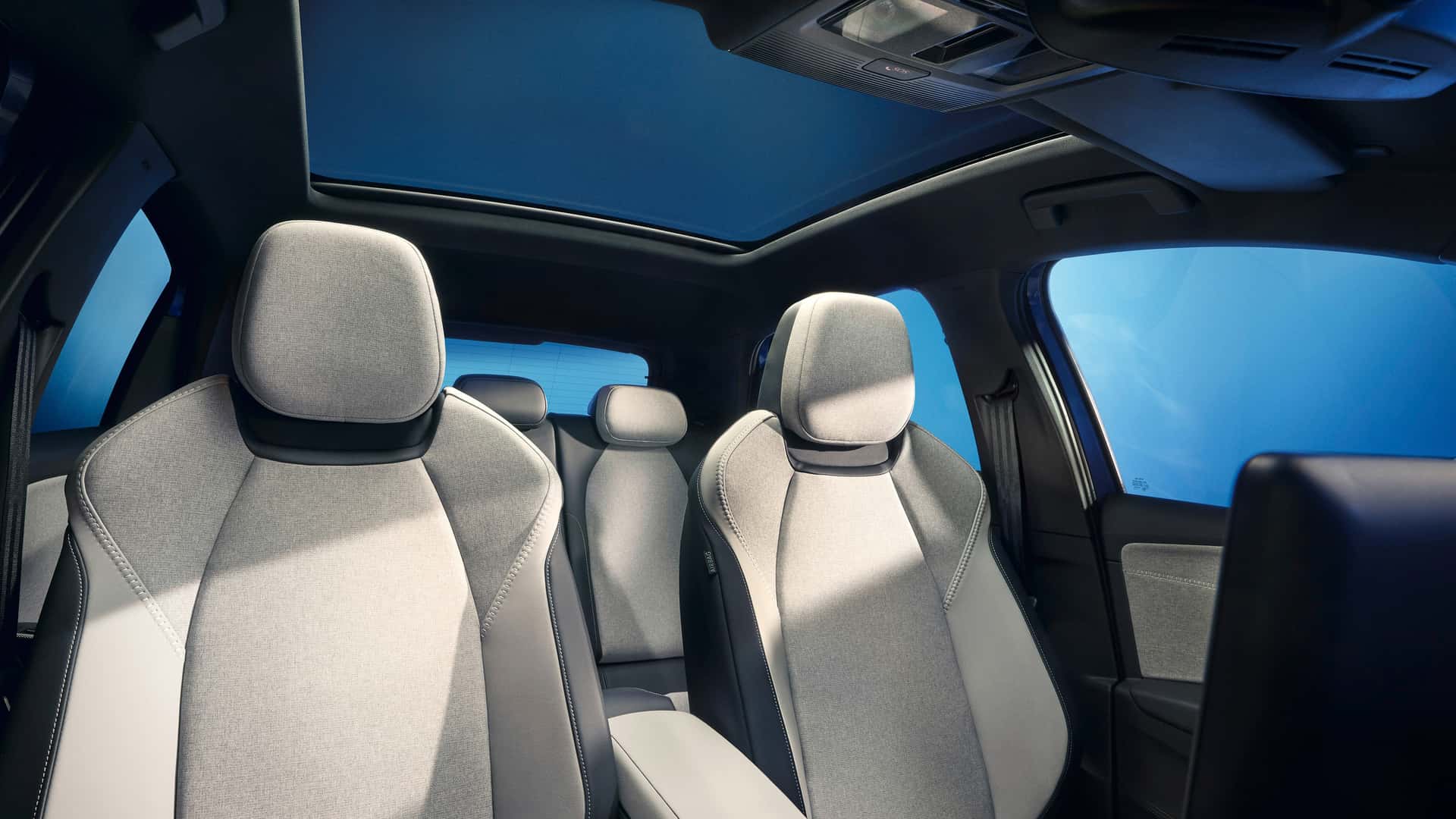
Safety kit includes standard blind spot monitoring and lane assist, while mid-spec models add adaptive cruise control, a rear-view camera and wireless charging. Buyers can also spec options like a panoramic glass roof, Harman Kardon sound system and massage seats.
Volkswagen has developed the ID. Polo alongside other compact EVs within the group, sharing around 80 percent of its components with related models.