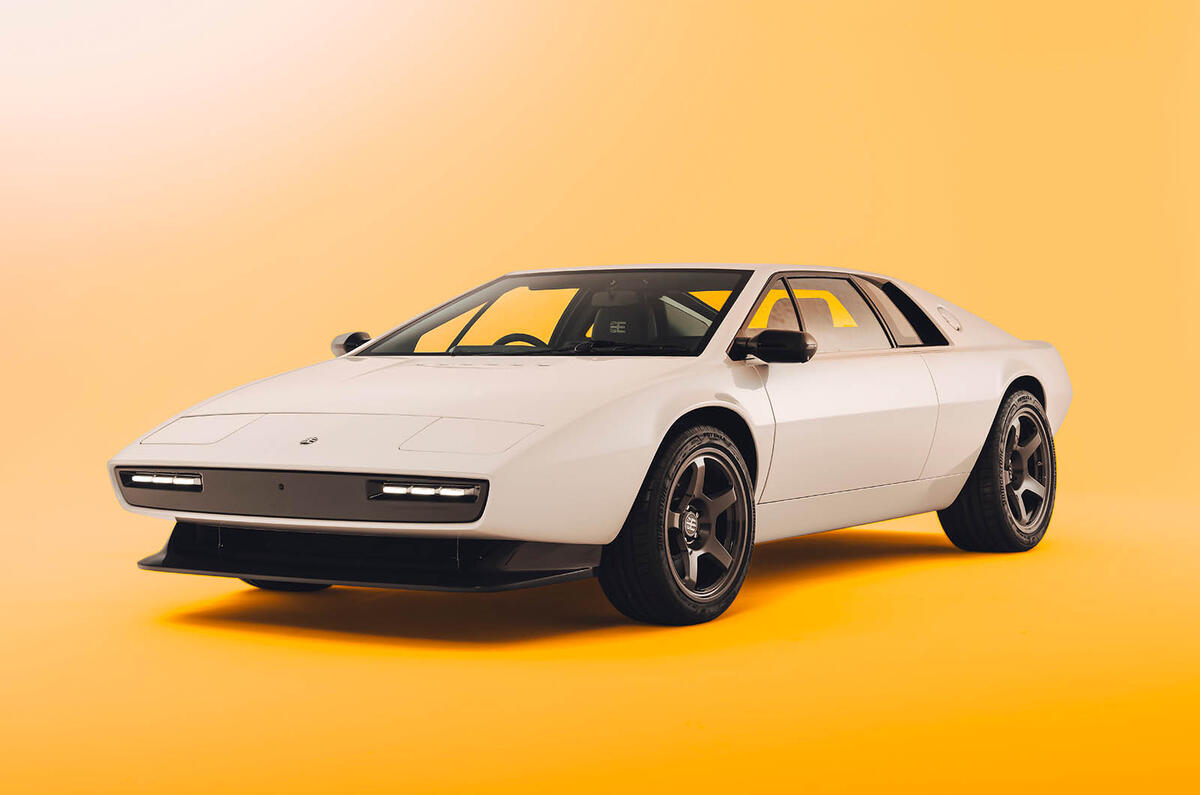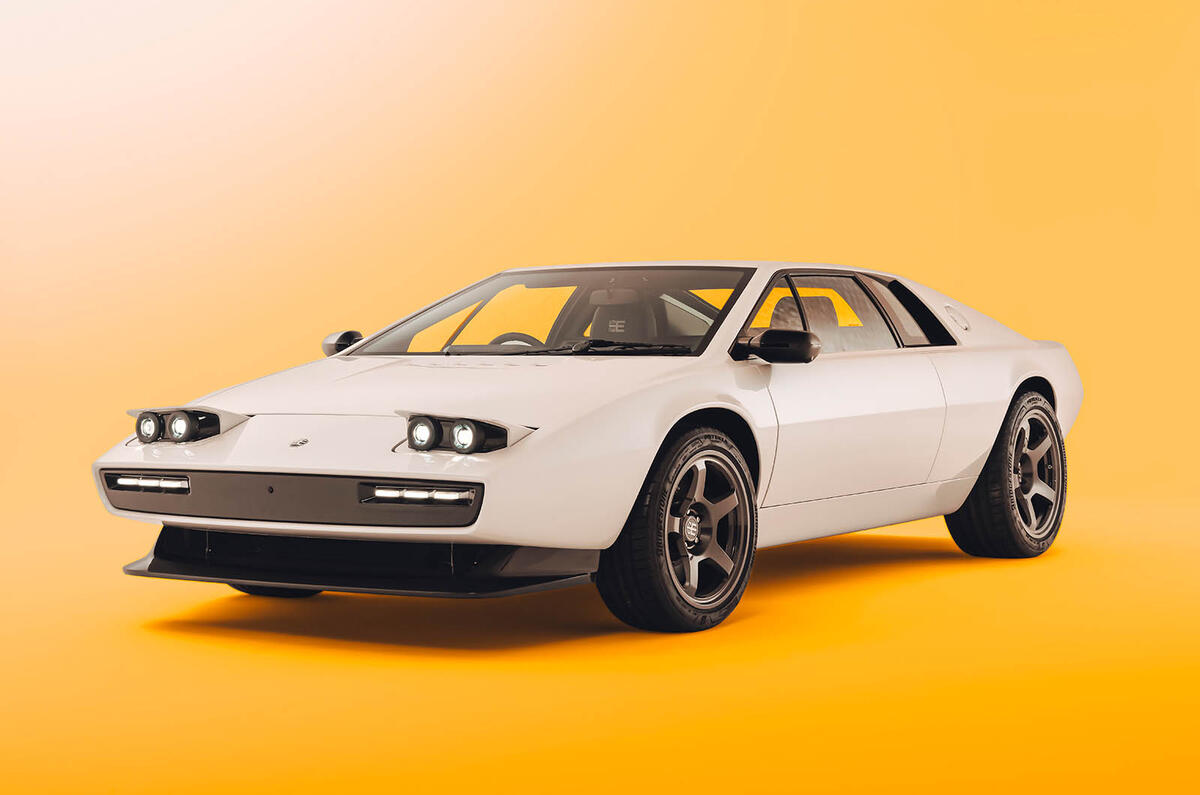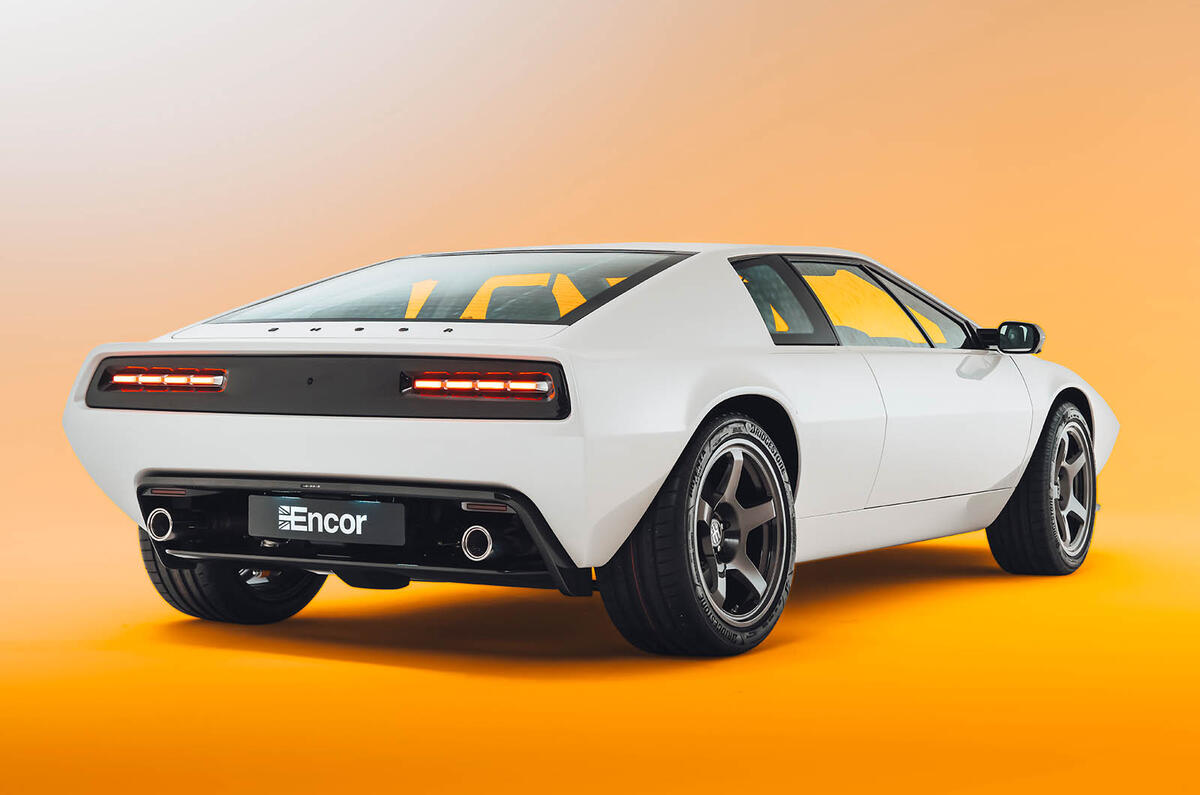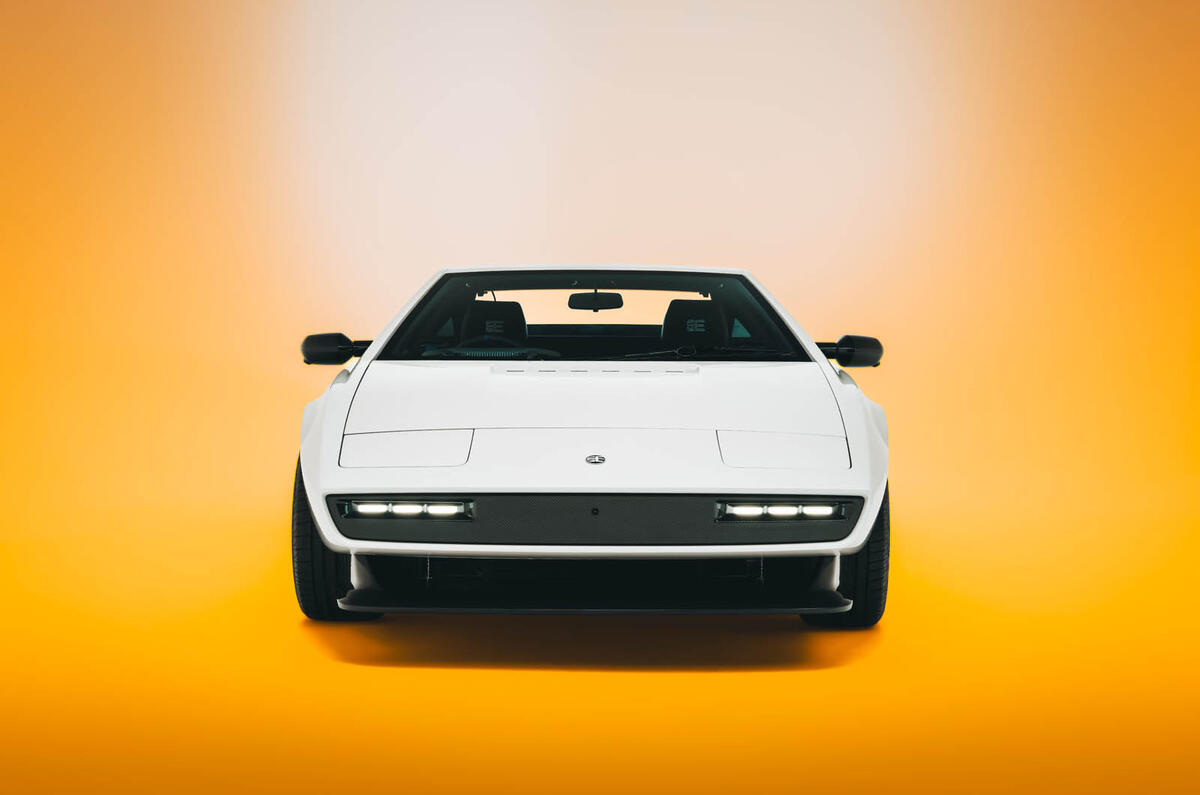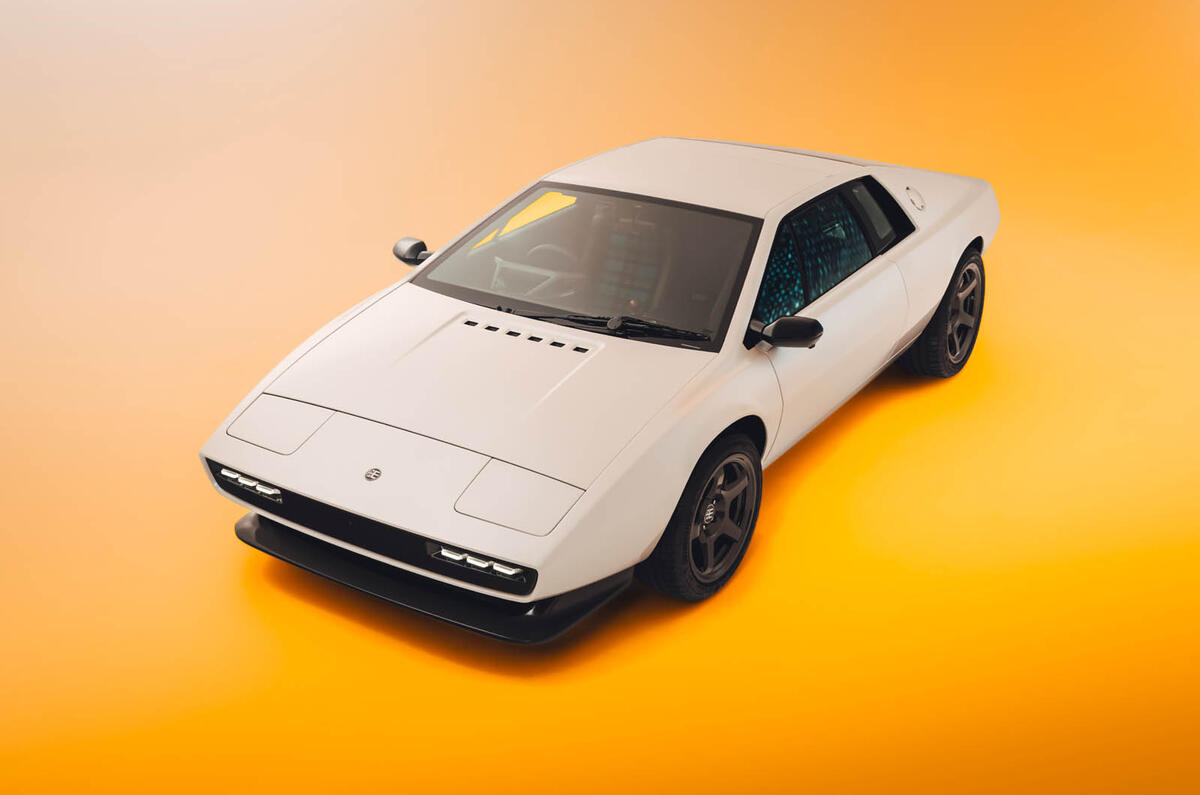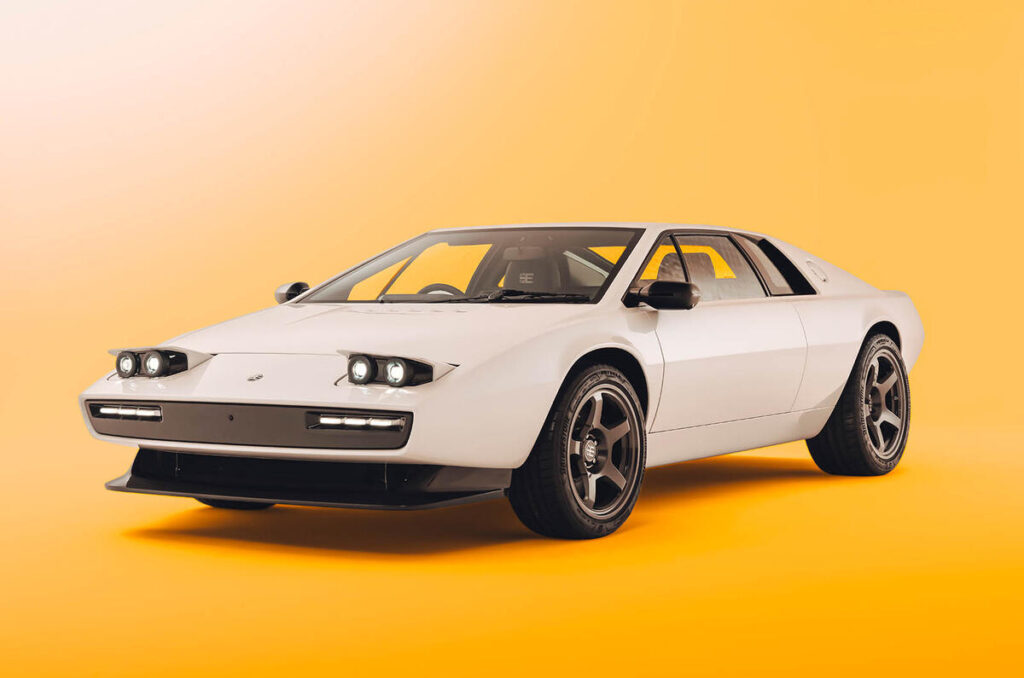
Almost four decades after the original Lotus Esprit Series 1 left showrooms, a group of former Hethel engineers has brought it back to life with fresh power and a carbonfibre body. The rebooted machine comes from a start-up in Chelmsford named Encor, which will build just 50 units priced from around £430,000.
Chief engineer Will Ives says the goal was to polish off the analogue magic that made the Esprit a cult favourite in the 1970s while adding modern engineering to make it a car people can enjoy daily. He describes the result as improved in almost every meaningful area. The team wanted to stay true to the icon while not being restricted by it. Their view was simple: the Esprit had so much untapped potential.
Although inspired by the first-generation Esprit, the foundation underneath is actually the Series 4 V8 from 1994 because it features a stronger and more advanced chassis. Chief designer Dan Durrant, the creative mind behind the Lotus Emira’s exterior, says the original look was treated with total respect while still allowing improvements where needed. Encor has not partnered with Lotus directly, but commercial director Simon Lane hopes the project will be seen as a complementary celebration rather than a conflict.
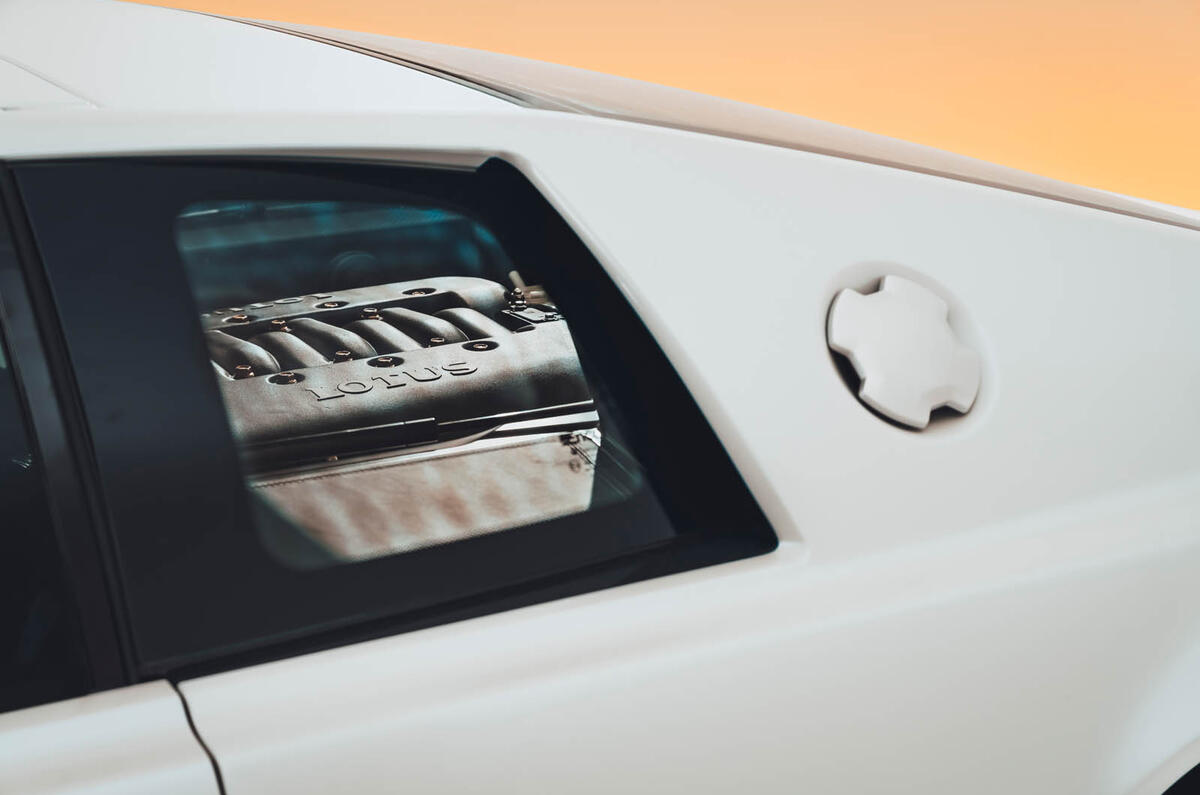
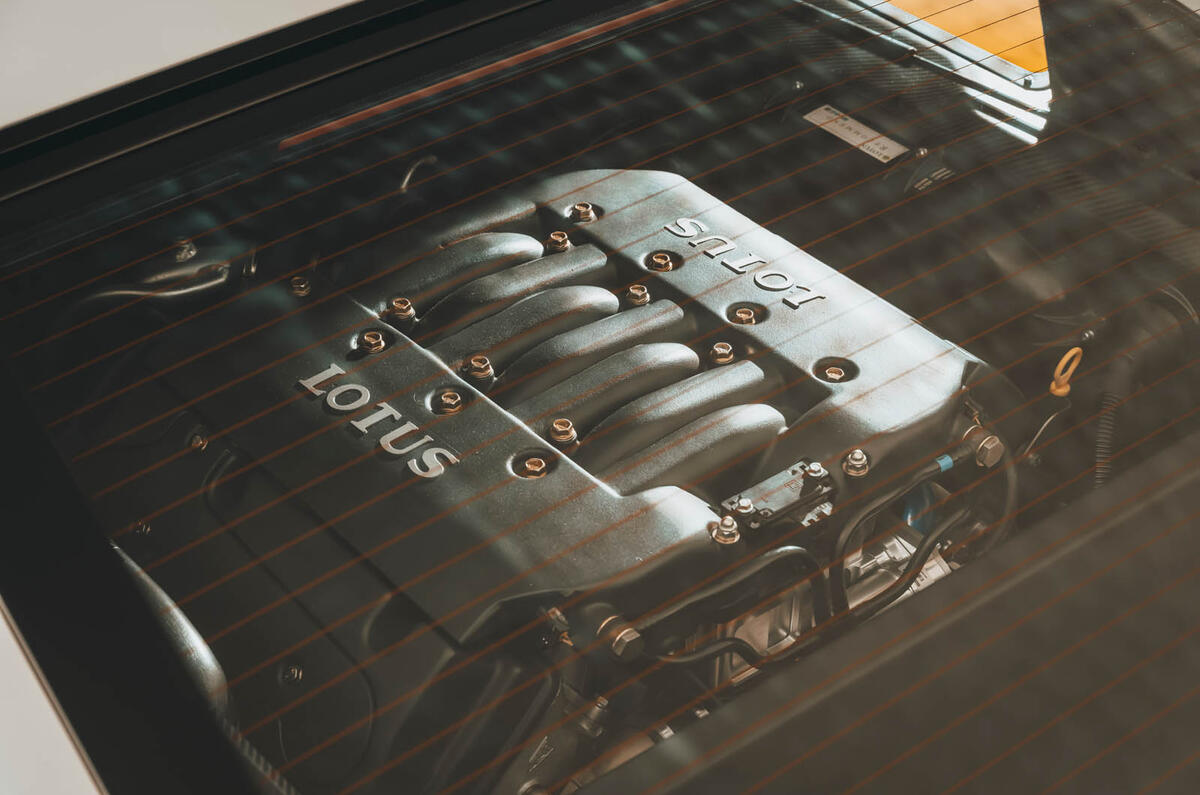
The biggest change is the engine. The old Type 907 2.0-litre four-cylinder never had the drama or performance to satisfy modern expectations. In its place sits the twin-turbo Type 918 3.5-litre flat-plane V8 from the later Esprit. It has been rebuilt with fresh turbochargers, injectors and pistons. Output rises by 50 bhp to 400 bhp (298 kW) at 6200 rpm, and torque climbs by 60 lb-ft to 350 lb-ft (475 Nm). That means this car produces 240 bhp more than the original S1.
A new ECU and electronic throttle improve precision and response. The five-speed manual has been thoroughly reworked because the original transmission was known as a weak point. Most of the internals are new and a limited slip differential has been added, allowing the V8 to run harder without risking the drivetrain.
Performance is transformed. The sprint to 100 km/h (62 mph) takes 4.0 seconds, cutting the original time nearly in half, and top speed reaches 282 km/h (175 mph). Encor considered an electric version on paper but quickly abandoned the idea because it would have compromised the analogue character they wanted to amplify.
Under the skin, new suspension hardware, anti-roll bars and electronics make this a thoroughly modern sports car beneath a nostalgic shape. One of the biggest packaging gains comes from switching the old fly-off handbrake to an electronic setup, which cuts weight, improves stiffness around the bulkhead and allows larger brakes. The original hydraulic power steering stays because it has always been praised for its feel. Ride quality remains compliant rather than hyper stiff because the aim is involvement, not lap time domination.
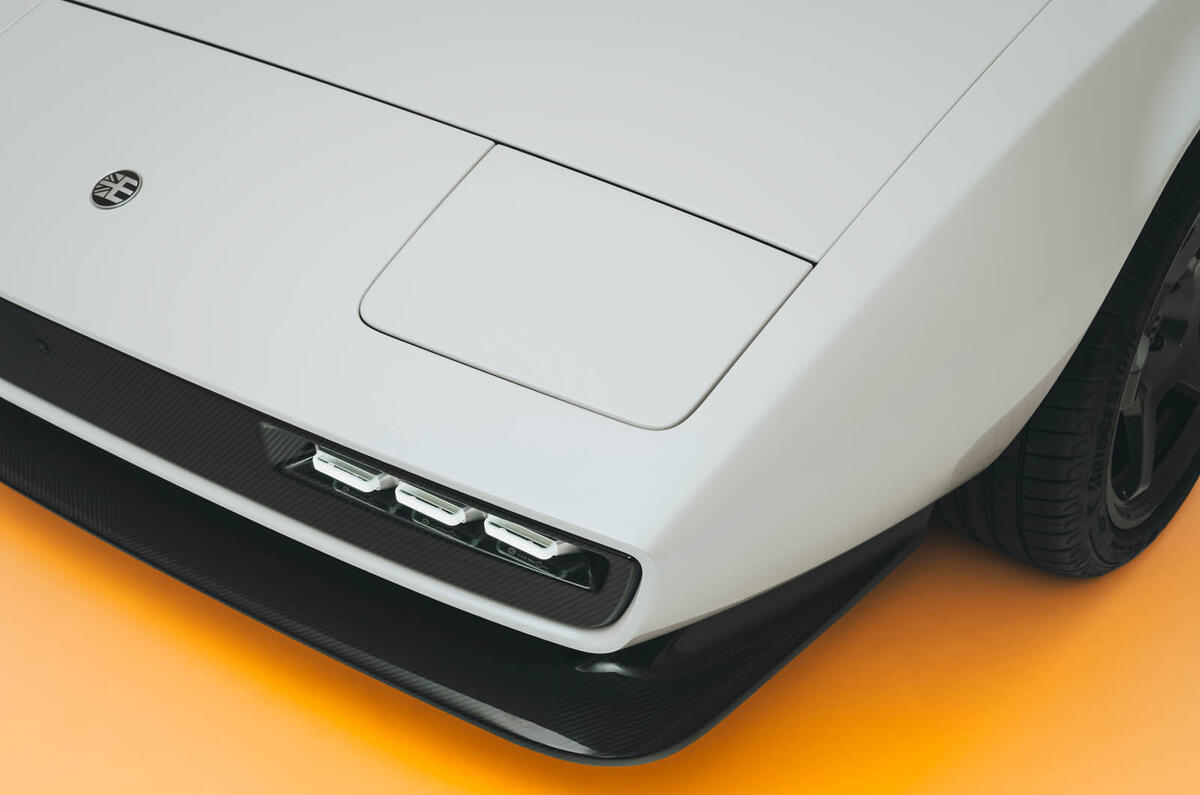
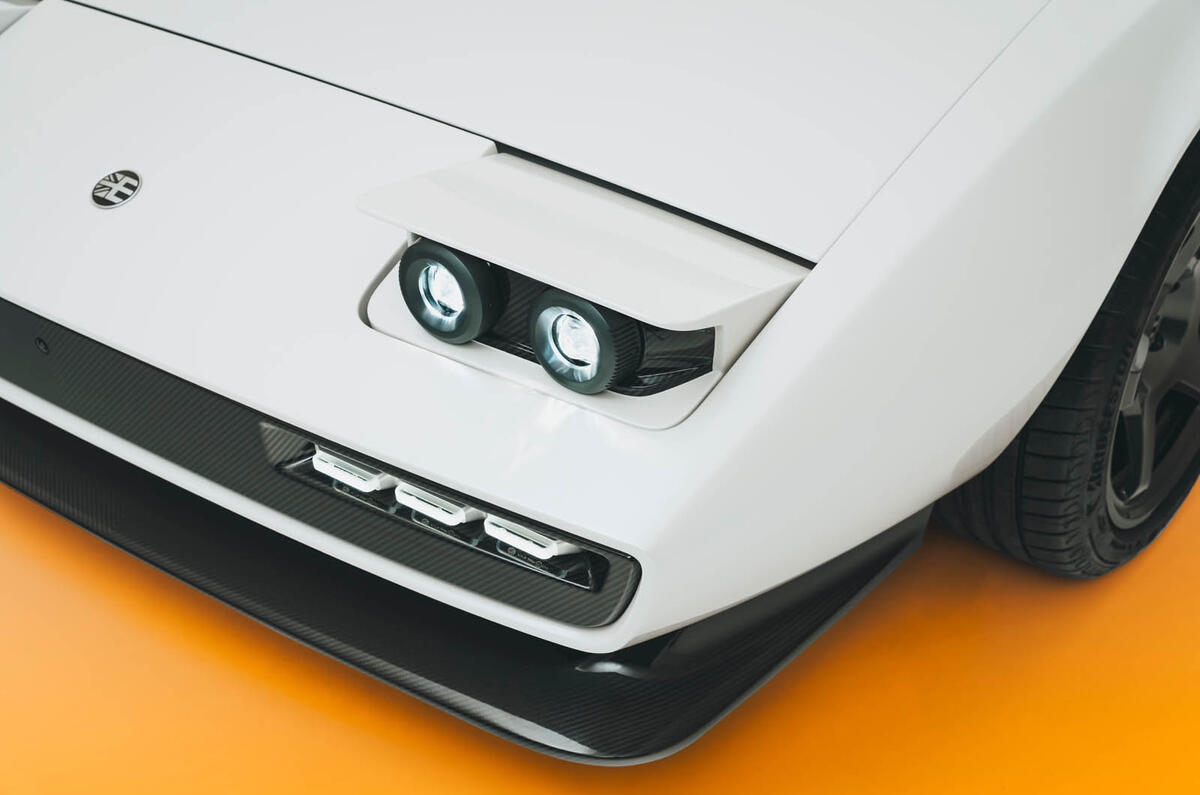
Although the exterior looks familiar and matches the original dimensions, every panel is new. The glassfibre tub from the Series 4 donor is removed and replaced by a bespoke carbonfibre shell that bolts to the backbone chassis. The new structure is about half the weight and much stiffer. Design tweaks include sleek LED pop-up headlights and distinctive daytime running lights front and rear, with eight at the back as a nod to the cylinder count. The famous black mid-body line is gone because the entire construction method has changed, removing the need for the join it originally disguised.
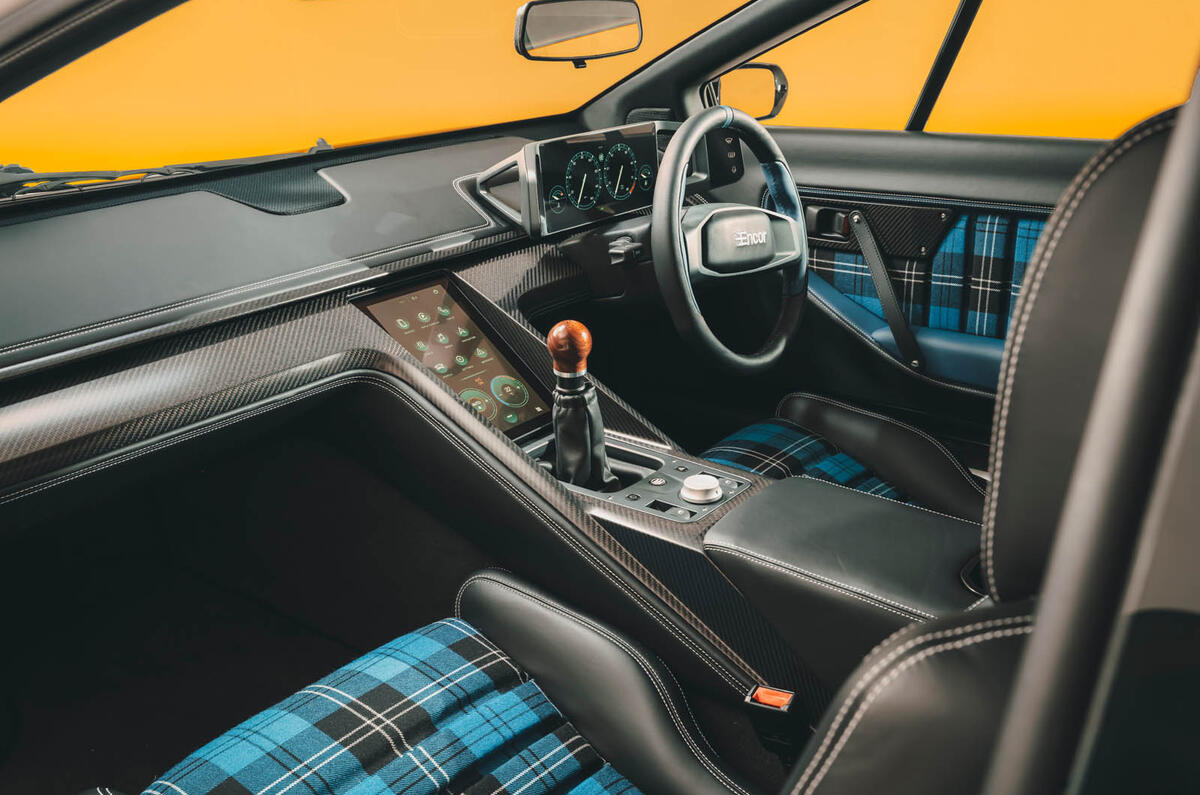
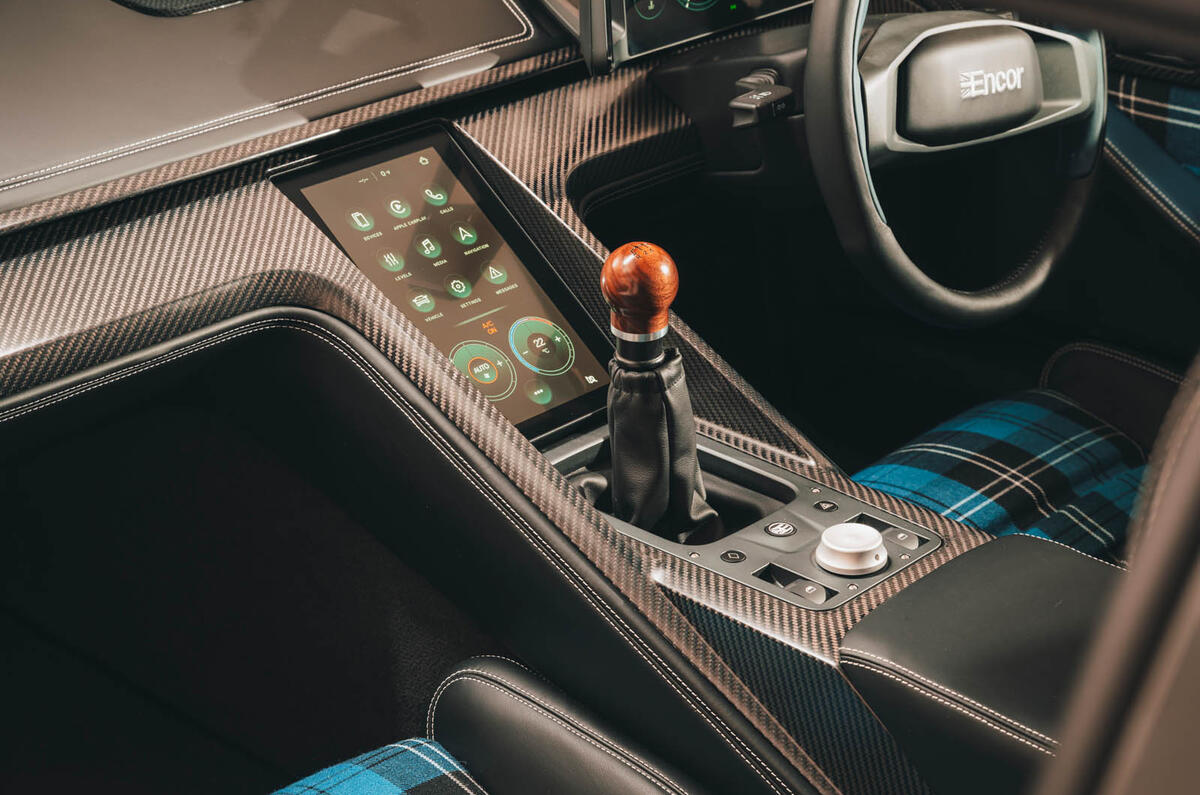
Inside, the blend of eras becomes obvious. A 10.1-inch infotainment display and a 10.25-inch driver cluster sit alongside a wooden gear selector, classic mirror and original indicator stalks. Safety is a major upgrade too, with an integrated carbonfibre cage because the early Esprit offered almost no rollover protection.
The design team felt the weight of responsibility working on something so beloved. They wanted that pure 1970s stance and extreme low nose that modern legislation often prevents. Reimagining an icon without those constraints has been described internally as a rare joy.
Just 50 examples will be produced, priced at £430,000 before sourcing the Series 4 V8 donor. Only around 800 original Esprit Series 1 cars were ever built, adding even more exclusivity to a project built out of admiration rather than nostalgia alone.