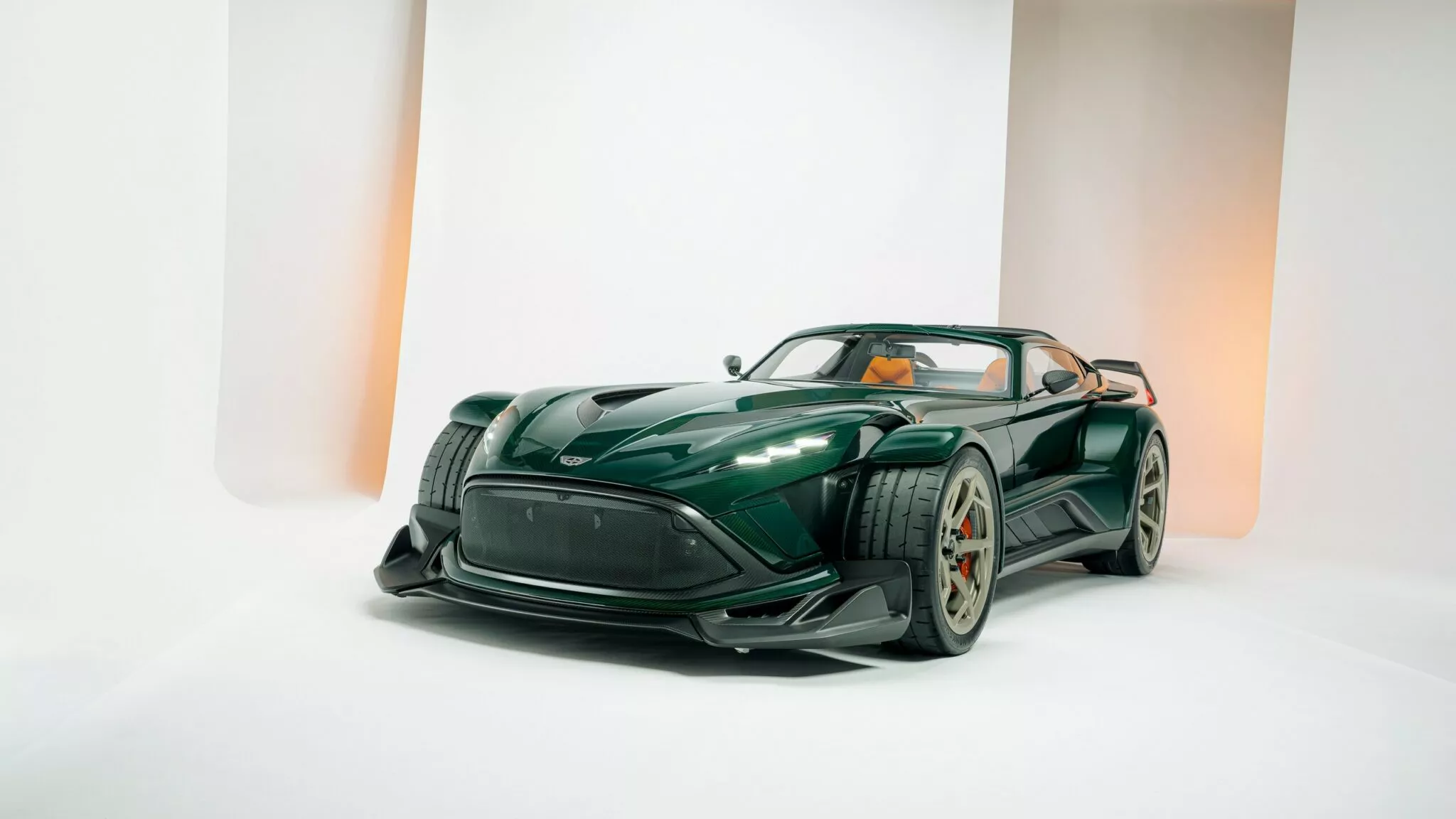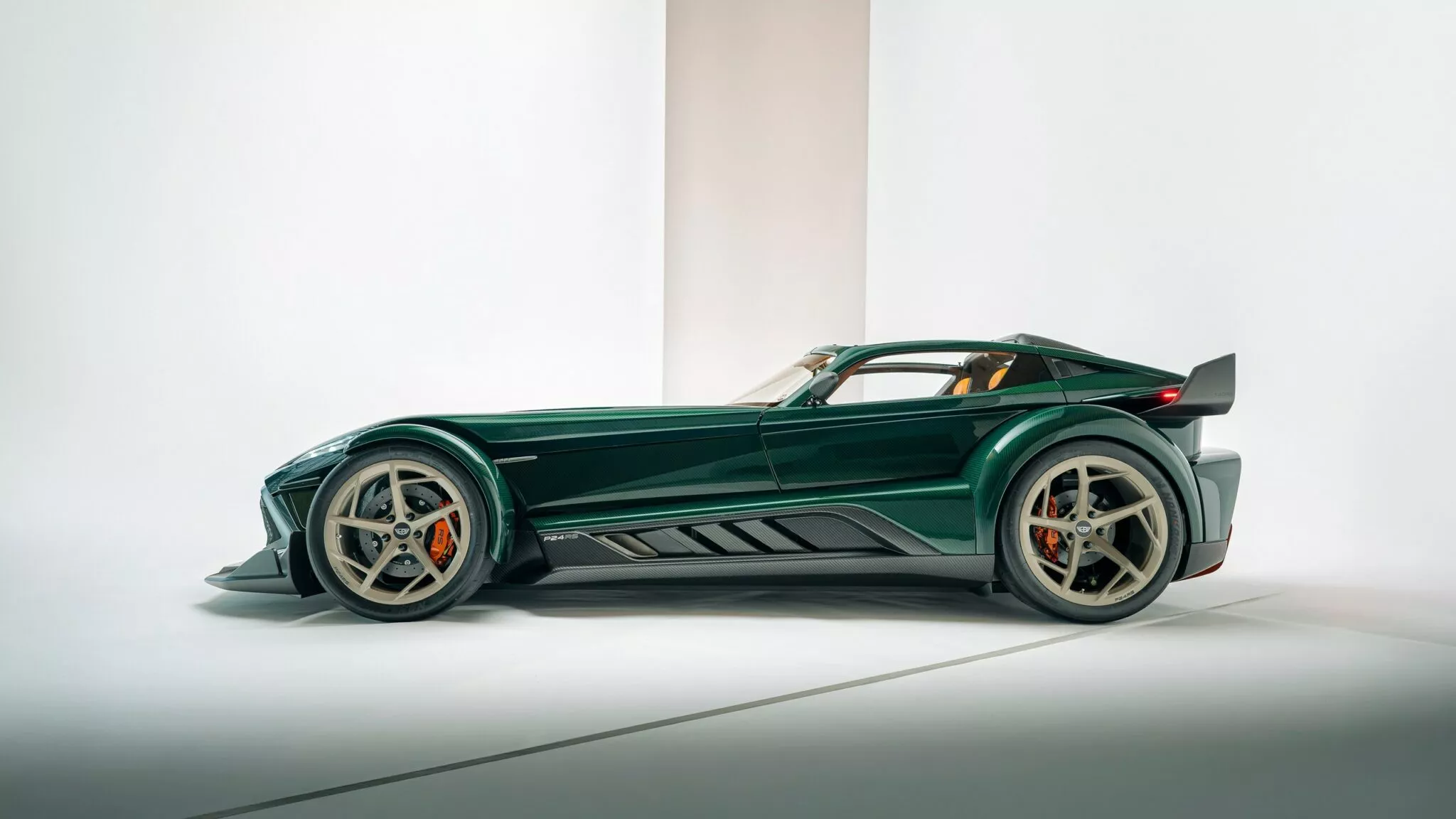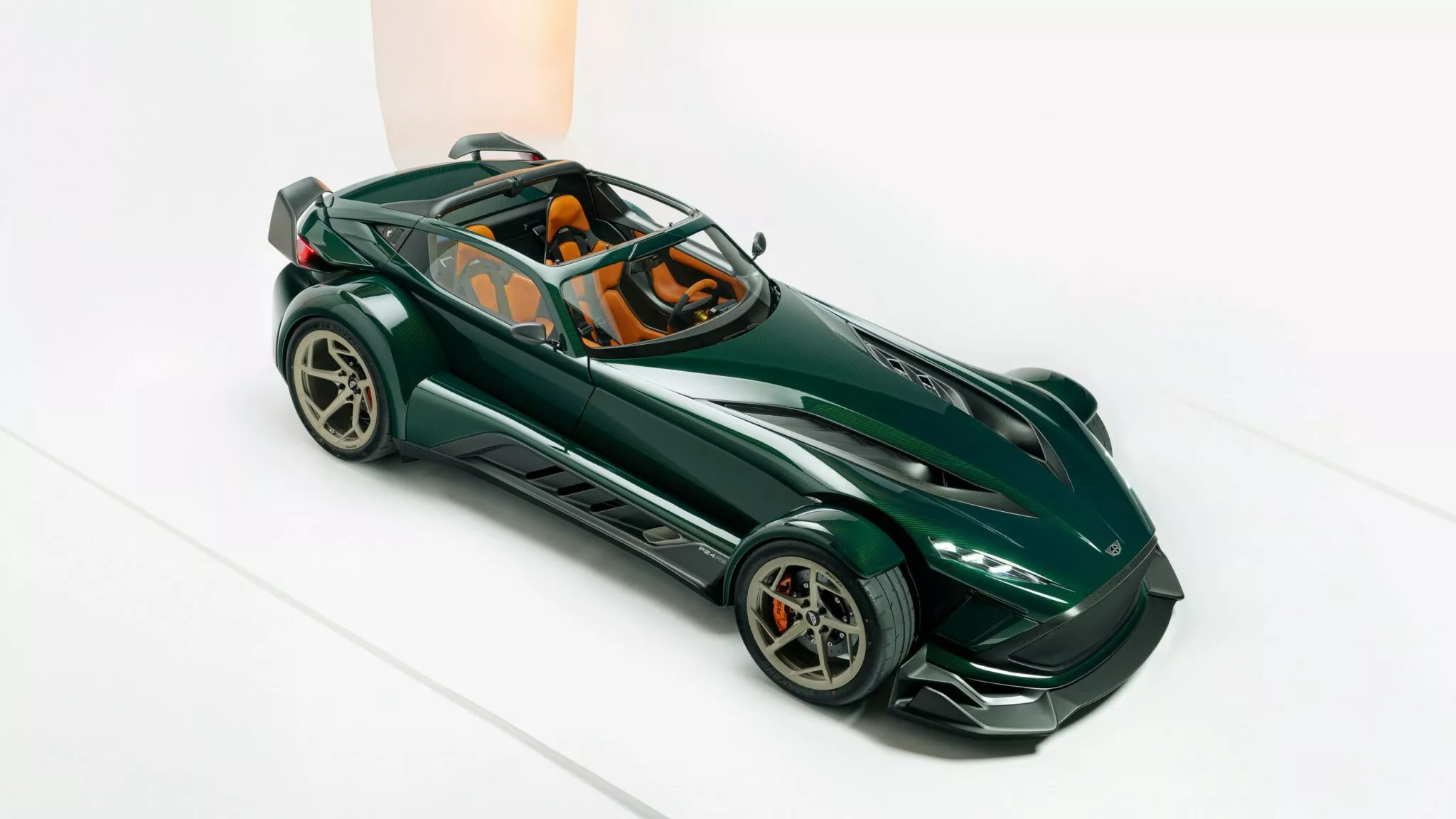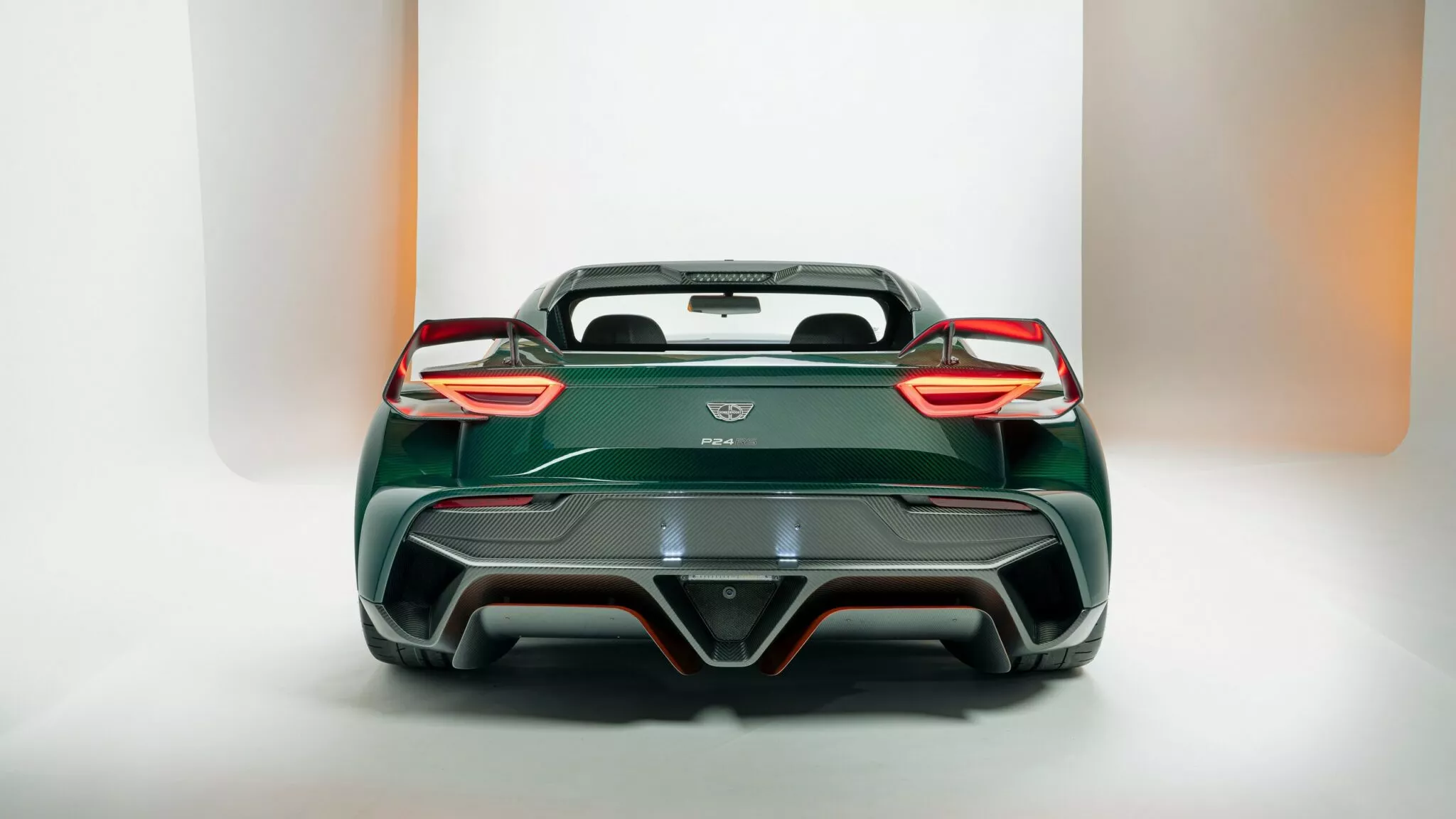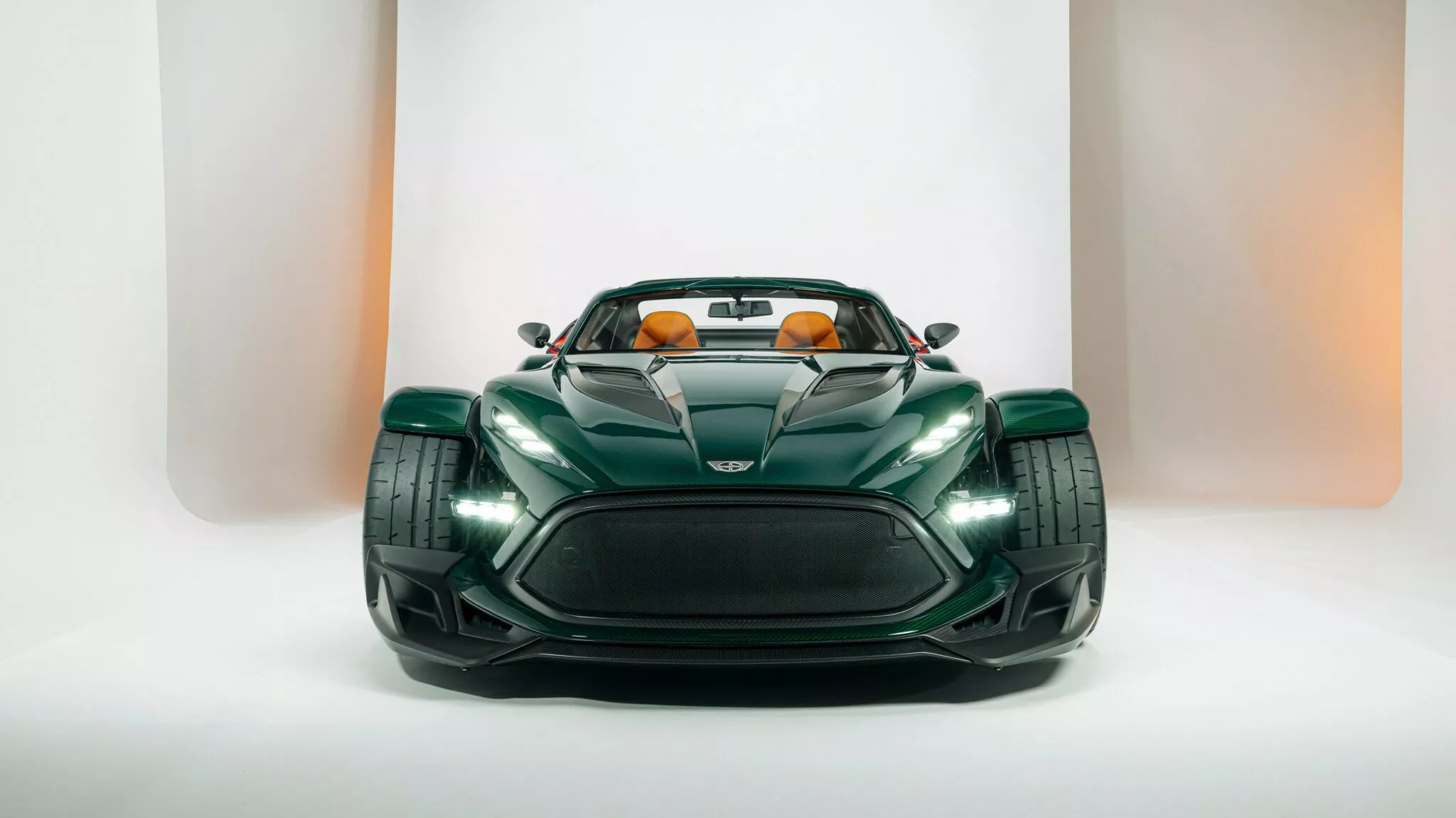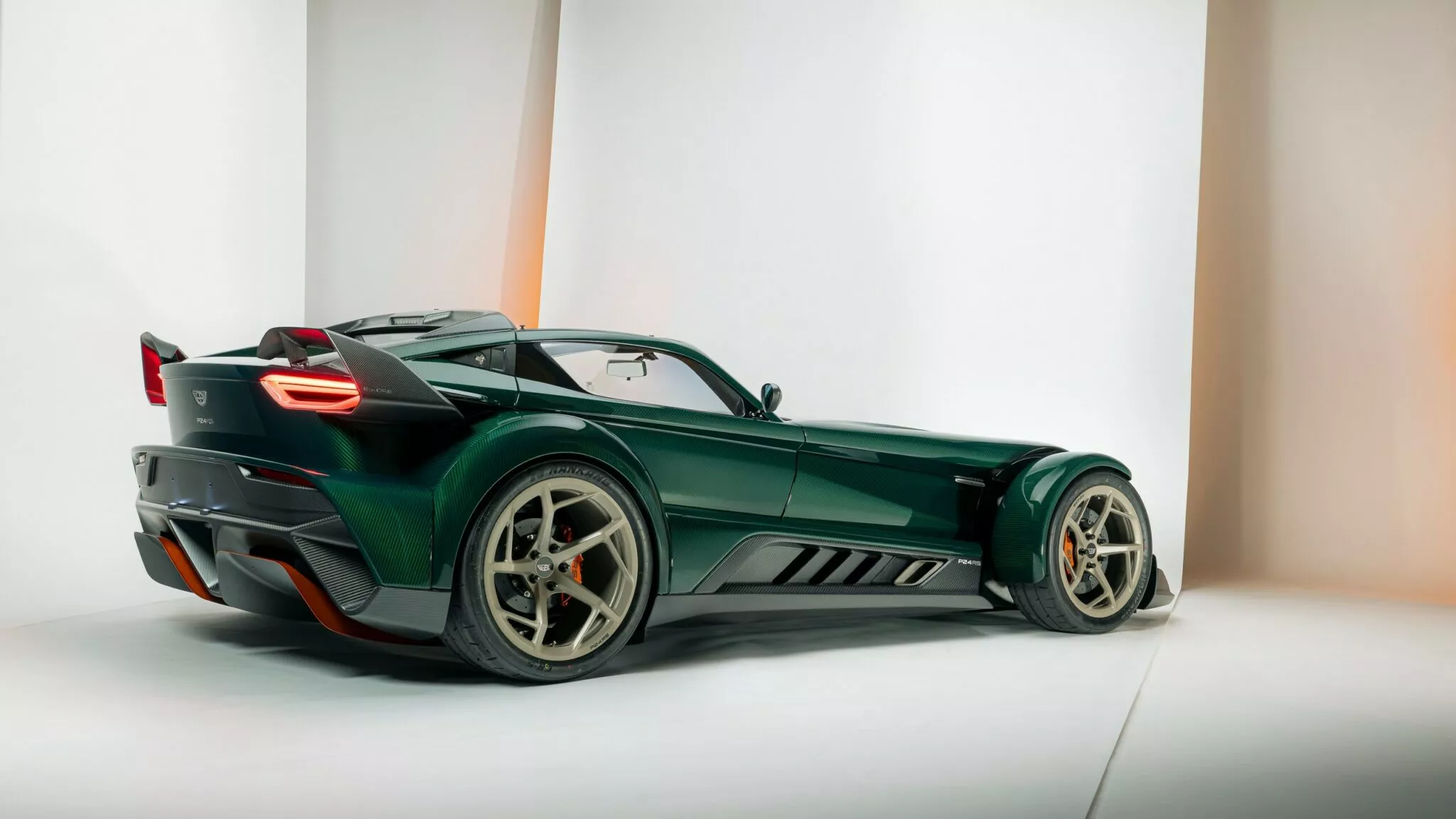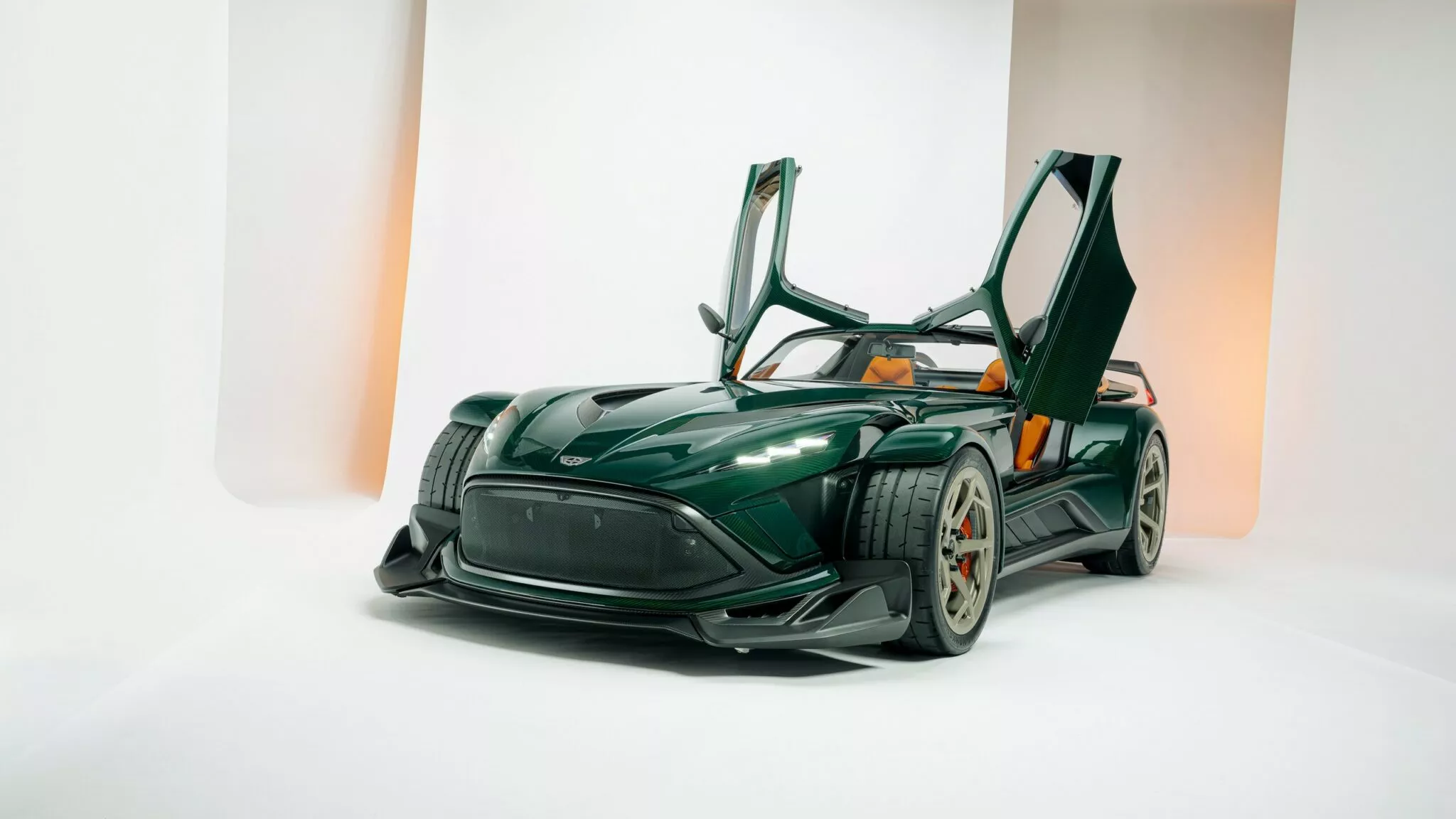
Dutch automaker Donkervoort has revealed its most extreme road car yet, the P24 RS. Launched as the successor to the F22, which received its final update in late 2024, the new model arrives with an unapologetically hardcore brief. Production is capped at just 150 units worldwide, with pricing starting at €298,500.
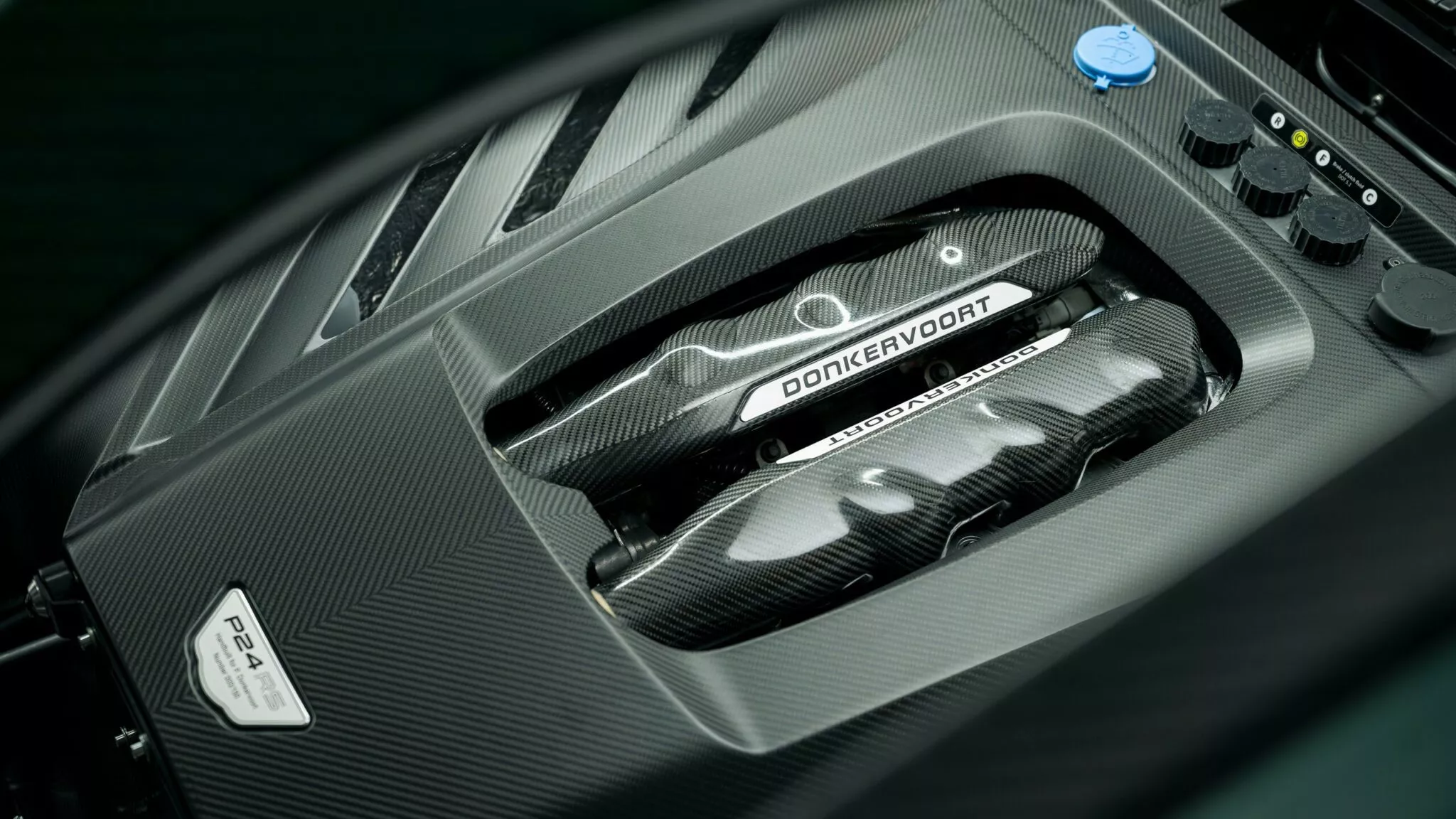
For years, Donkervoort relied on heavily reworked versions of Audi’s celebrated 2.5-litre turbocharged five-cylinder. The P24 RS signals a clear change in direction. Beneath the vented bonnet sits Ford’s twin-turbo 3.5-litre EcoBoost V6, offered in three states of tune: 400 hp (298 kW), 500 hp (373 kW), and a flagship 600 hp (447 kW). Torque peaks at 800 Nm (590 lb-ft) in the most potent version.
That represents a serious jump in performance, especially when you consider that the outgoing F22 topped out at 500 hp.
The engine uses dry-sump lubrication, variable valve timing, and a combination of direct and indirect injection to balance response and efficiency. The intake system is constructed from carbon fibre, while the exhaust manifolds are 3D-printed, underscoring Donkervoort’s obsession with saving weight wherever possible. Boost is supplied by twin turbos from Dutch specialist Van der Lee, running at 17 psi.
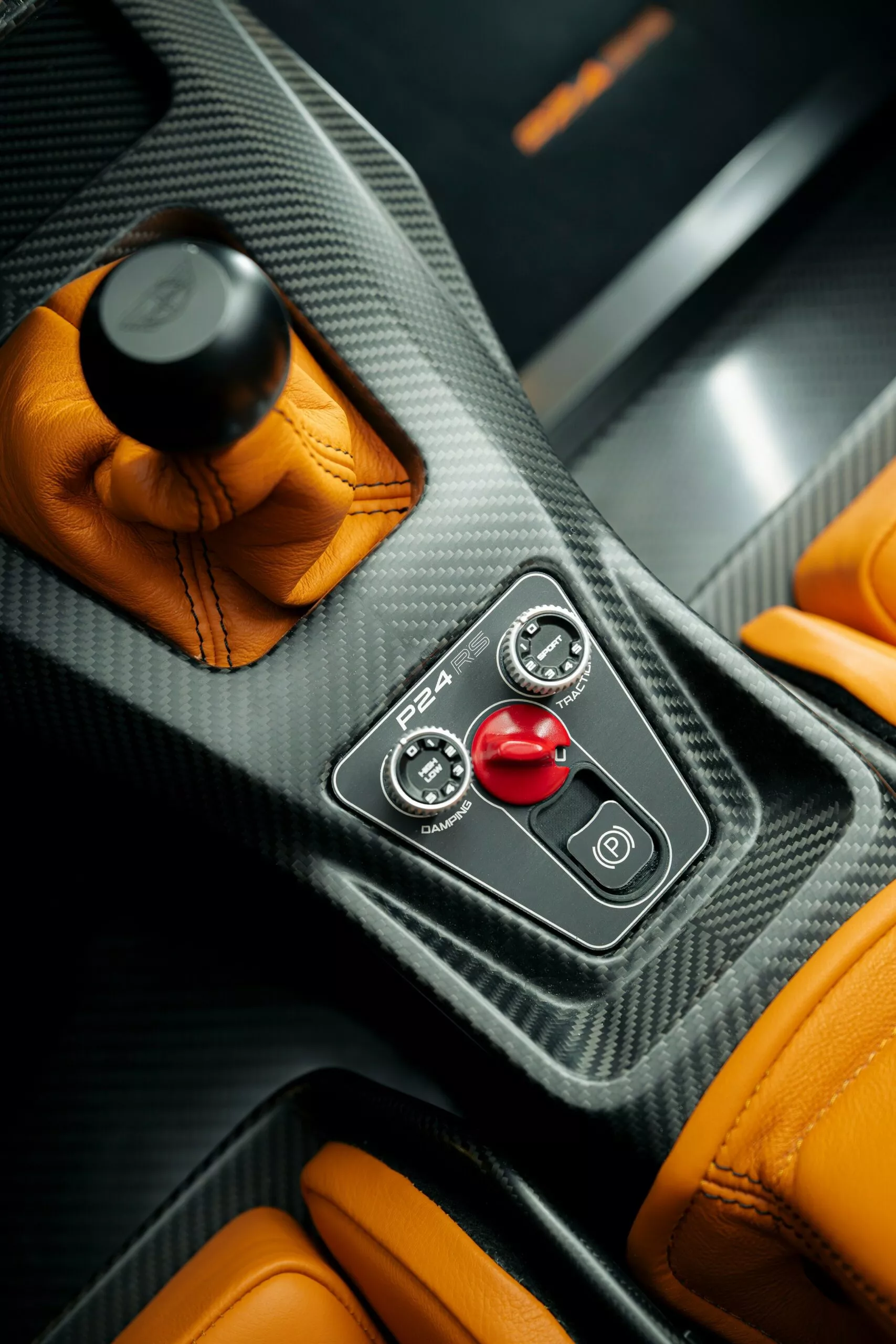
In a world of paddle-shifted everything, Donkervoort has gone its own way. The P24 RS features a five-speed manual gearbox mounted in the middle of the car, complete with rev-matching. Drive is sent to the rear wheels via a Torsen limited-slip differential. And yes, power steering and even ABS are optional.
True to the brand’s philosophy, low mass remains the headline act. The P24 RS weighs just 780 kg (1,719 lbs) dry, resulting in a wild 770 hp per tonne power-to-weight ratio. Donkervoort has not yet confirmed a 0–100 km/h (62 mph) time, but it does claim 200 km/h (124 mph) in just 7.4 seconds and a top speed beyond 300 km/h (186 mph).
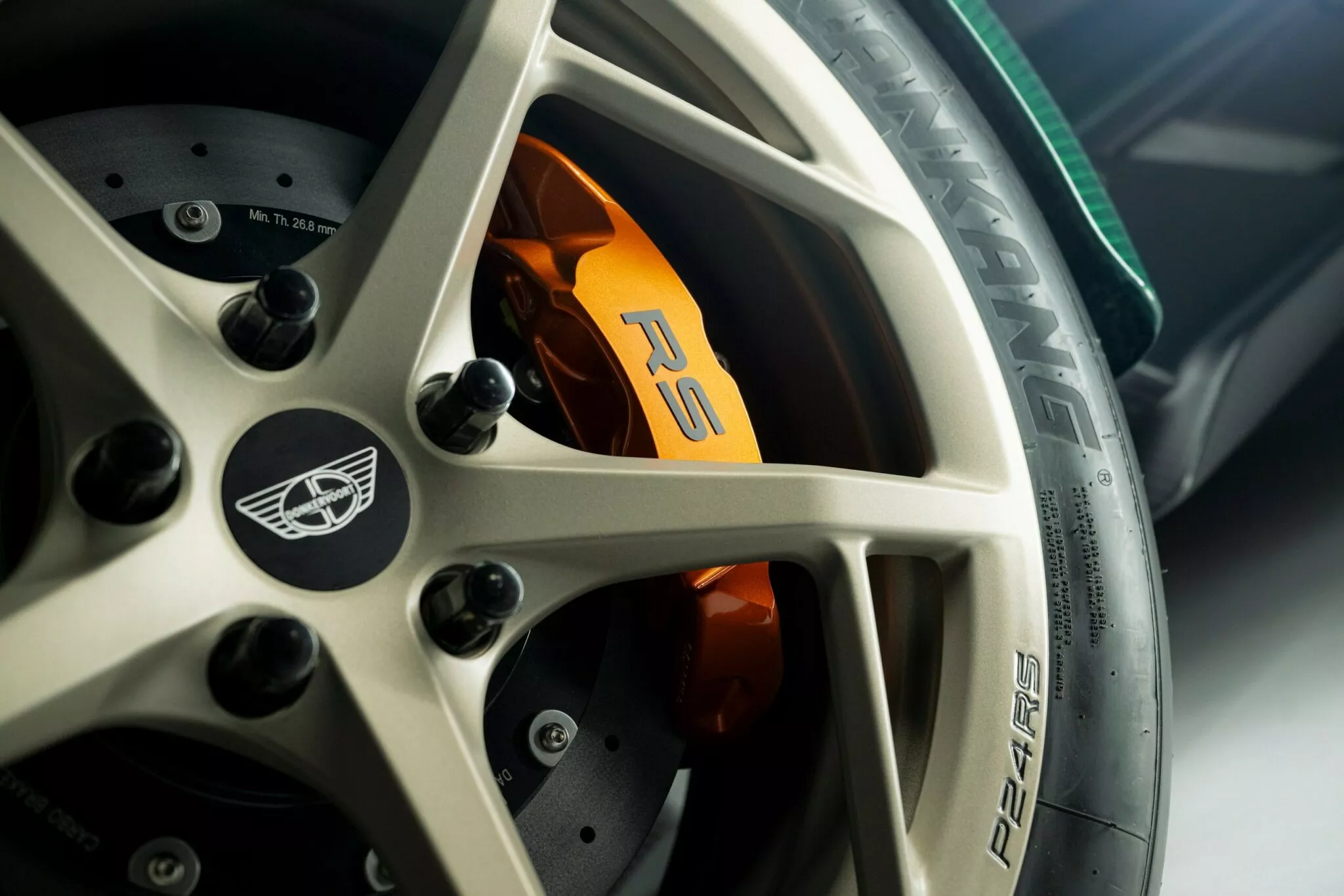
The structure combines alloy tubing with extensive carbon fibre components. As with previous Donkervoort models, the focus is not on headline drag-strip numbers but on agility and driver engagement. Suspension is handled by Tractive active dampers at all four corners, complemented by a hydraulically adjustable ride-height system with multiple stiffness settings. Braking is taken care of by four-piston AP Racing calipers and ventilated discs.
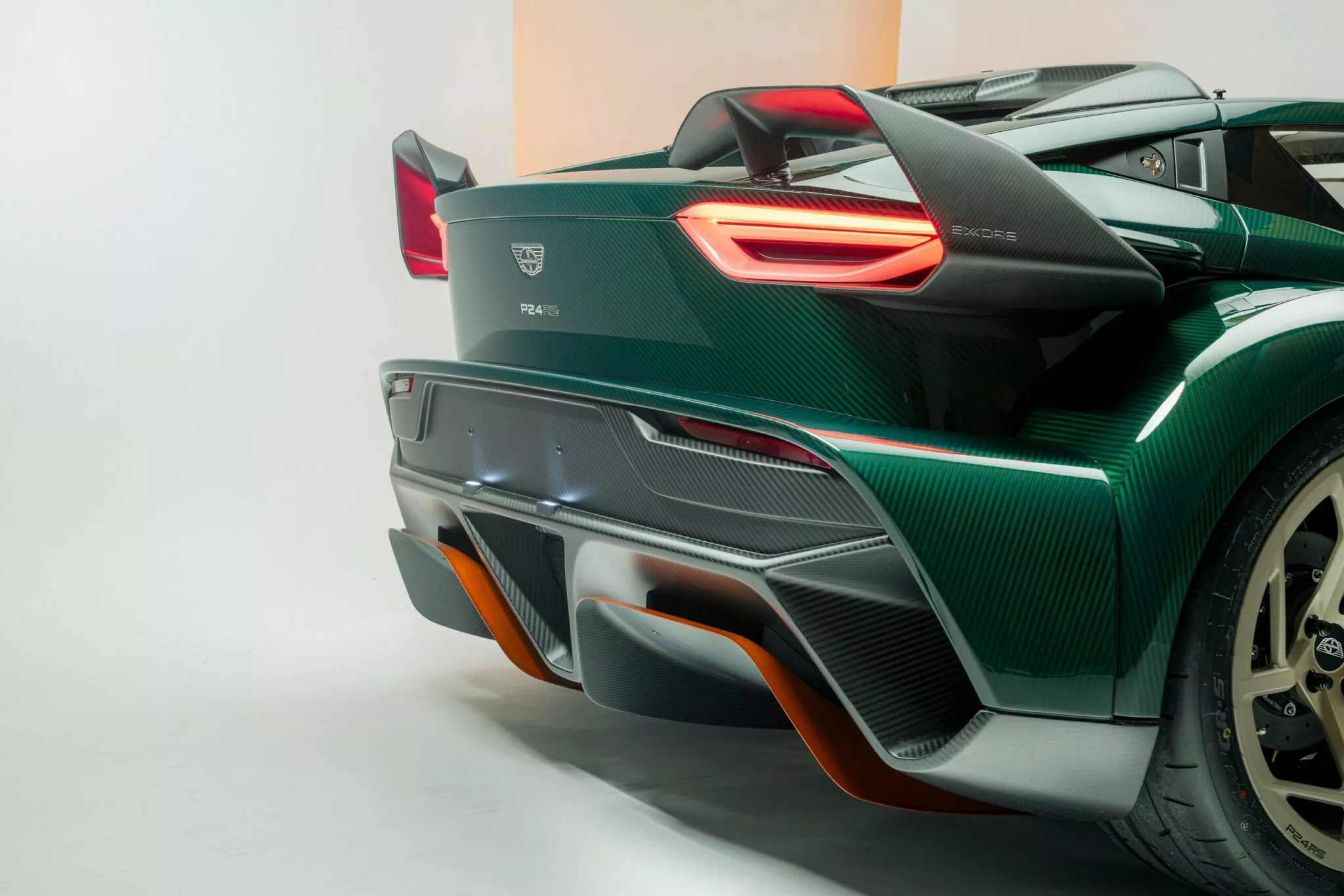
Running on Nankang CR-S tyres, the P24 RS is capable of generating up to 2.3G in corners and 1.3G under braking, which sounds as intense as it likely feels. Buyers who want even more downforce can specify a larger front splitter and carbon aero fins at the rear.
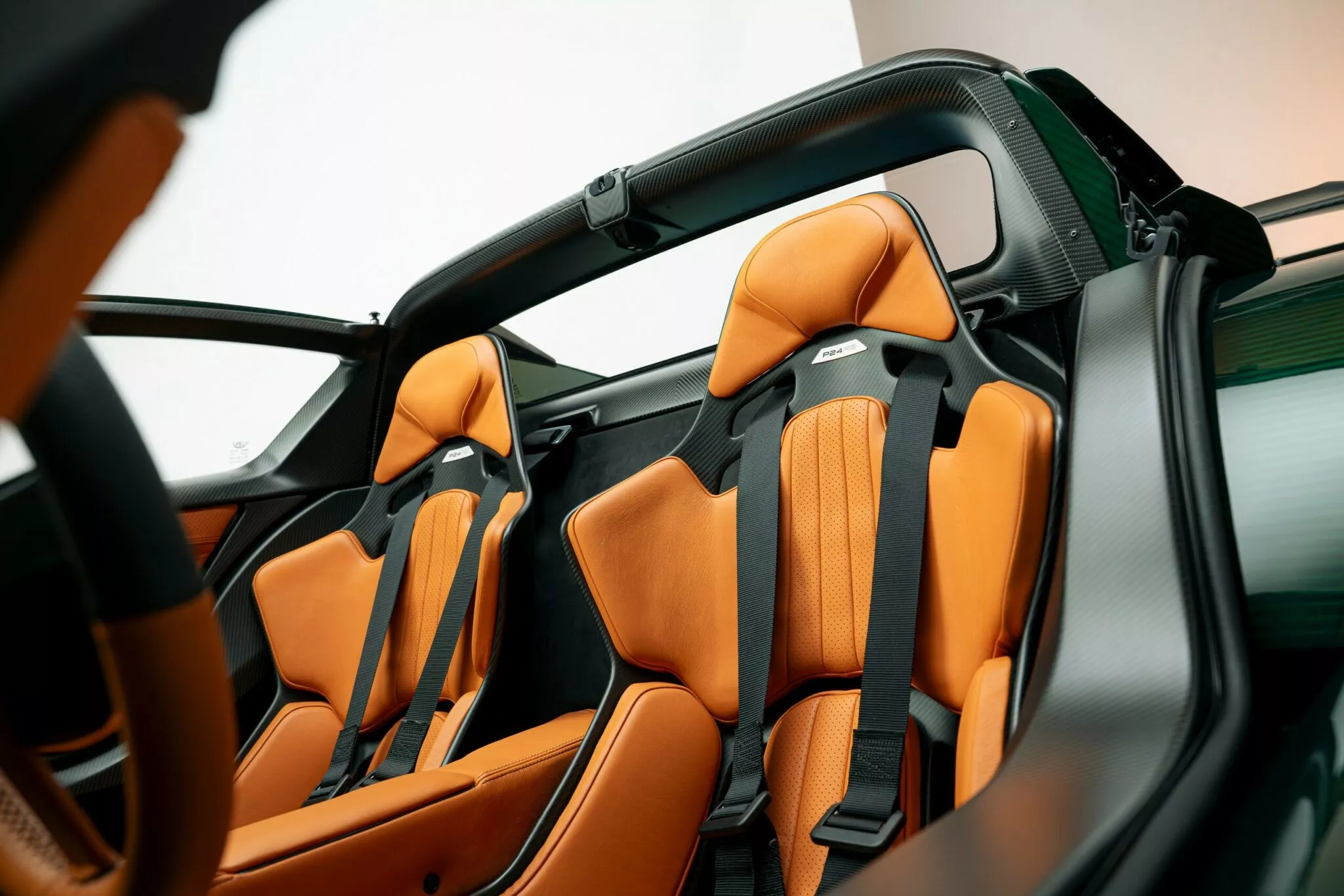
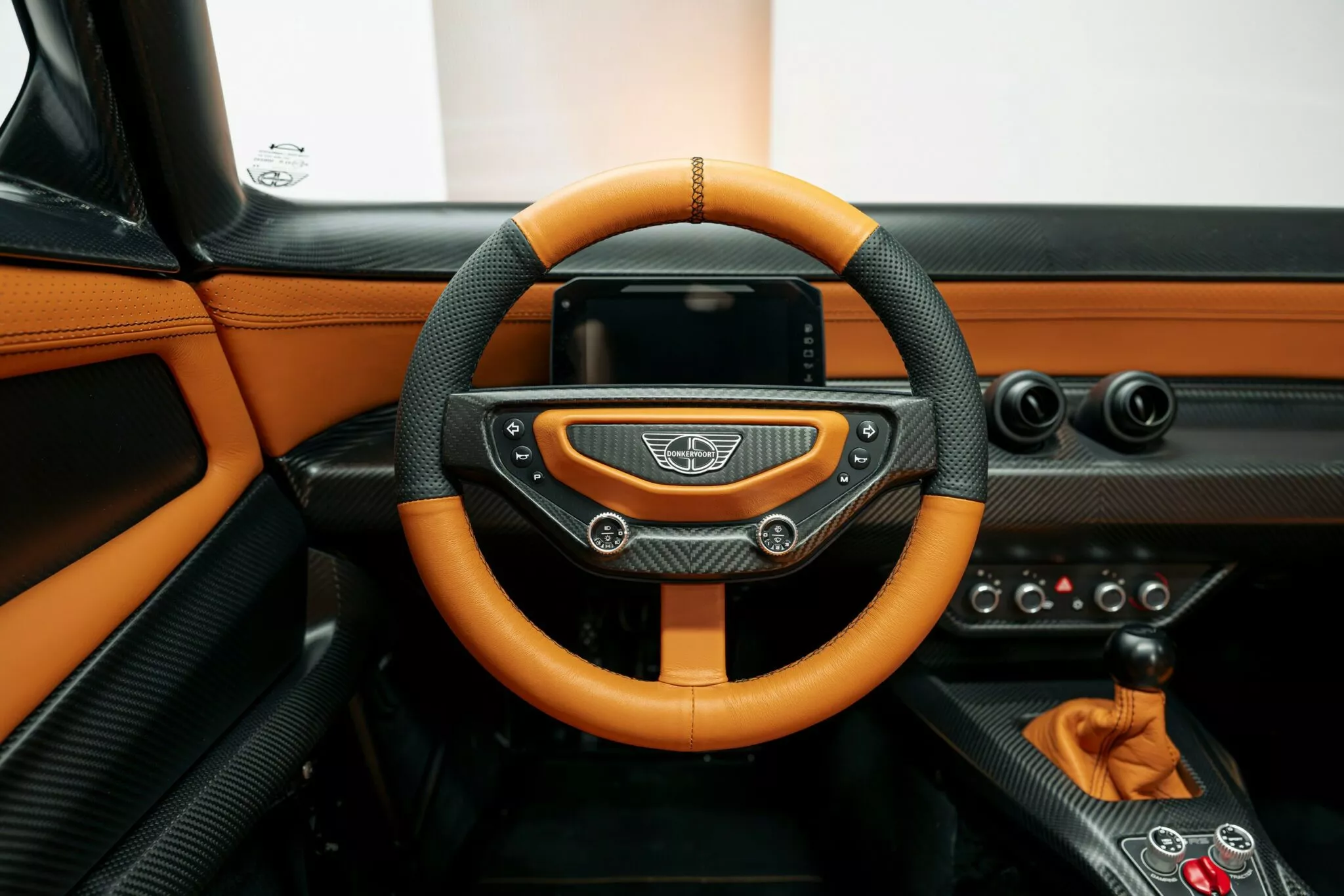
Inside, the P24 RS is entirely new and refreshingly focused. Matte carbon fibre dominates, with everything geared towards the act of driving. There is a simple three-spoke steering wheel and a compact digital display, but no built-in infotainment. If you want music or navigation, you will be relying on your phone or the supplied iPad Mini mount.
Demand is already strong, with more than 50 of the 150 cars accounted for by customers in Europe, the US, and the Middle East.