
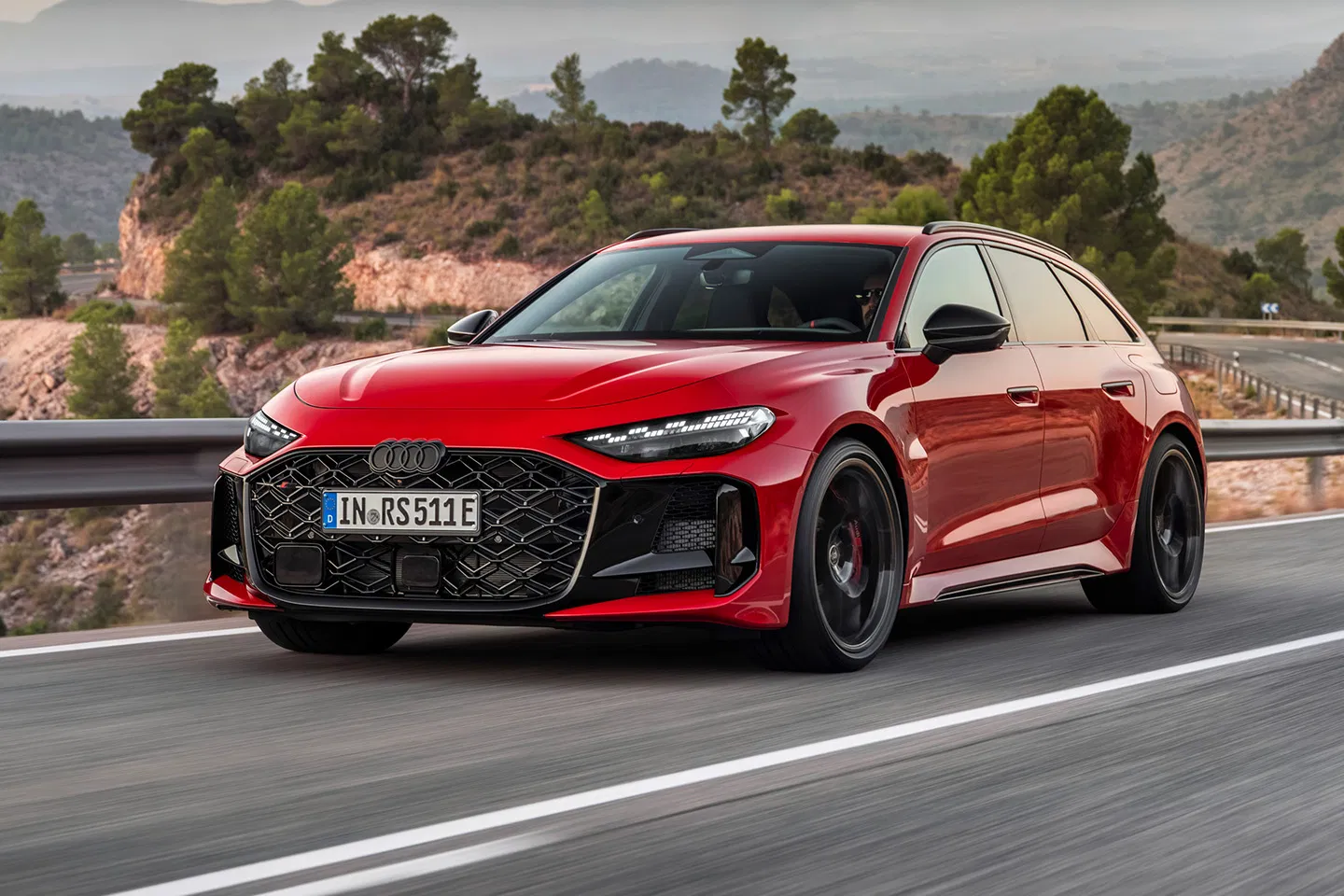
High performance vehicles are built with precision, power, and ambition at their core. Engineers push limits on acceleration, braking, and handling to deliver cars that respond instantly to driver input. On paper and on closed tracks, these machines operate exactly as intended. The problem is that most driving does not happen on controlled circuits. It happens on public roads filled with traffic, weather changes, uneven surfaces, and human error. This gap between design intent and daily use creates challenges that are rarely discussed in enthusiast circles.
Real world roads introduce variables that performance data cannot fully predict. A stretch of asphalt may look smooth but hide debris or oil. Traffic patterns change without warning. Drivers with varying skill levels share the same space. When high performance cars interact with these conditions, the outcome is not always aligned with the thrill promised by horsepower figures. This article explores how performance vehicles behave beyond the spec sheet and why awareness matters when speed meets reality.
Speed, Control, and the Risk Factor
High performance cars amplify every input. Throttle response is sharper, braking is more aggressive, and steering reacts with minimal delay. While this responsiveness is desirable, it also reduces the margin for correction when something goes wrong. On public roads, unexpected situations are common. A sudden stop, an abrupt lane change, or poor road maintenance can quickly overwhelm even advanced vehicle systems.
This is where personal injury becomes a relevant topic within the performance conversation. According to lawyersforinjuryclaims.com, accidents involving high powered vehicles often carry higher forces due to speed and mass, which increases the likelihood of serious personal injury when control is lost. Even drivers who respect the limits of their cars may find themselves affected by the actions of others. The presence of personal injury in these scenarios is not about recklessness alone. It is about physics, environment, and how quickly circumstances can escalate.
Modern Safety Systems and Their Limits
Manufacturers equip performance cars with advanced safety technology. Traction control, stability management, adaptive braking, and driver assistance features are designed to reduce risk. These systems are effective within certain boundaries, but they are not invincible. They rely on sensors, software logic, and assumptions about road conditions. When inputs exceed those assumptions, the technology may struggle to compensate.
Drivers sometimes develop a false sense of security because of these features. Confidence grows as systems intervene quietly in the background. However, overreliance on electronic aids can mask underlying hazards. Wet pavement, worn tires, or mechanical fatigue can still compromise stability. Safety systems assist the driver, but they do not replace awareness or judgment. Recognizing their limits is essential when operating vehicles built for performance rather than forgiveness.
Infrastructure and Urban Driving Challenges
Public infrastructure is rarely designed with high performance vehicles in mind. Urban roads prioritize traffic flow, pedestrian safety, and cost efficiency. Speed bumps, narrow lanes, uneven pavement, and inconsistent signage are common. These elements clash with low ground clearance, stiff suspensions, and wide tires typical of performance models.
City driving introduces frequent stops, distractions, and unpredictable behavior from other road users. Cyclists, delivery vehicles, and construction zones add layers of complexity. Performance cars may feel constrained in these environments, leading drivers to seek open stretches where speed feels more natural. Yet even open roads carry risks, including wildlife crossings and limited visibility. Infrastructure limitations remind drivers that power alone does not define a safe or suitable driving environment.
Driver Behavior and Shared Responsibility
No vehicle operates in isolation. Every drive involves interaction with others who may not anticipate the capabilities or intentions of a high performance car. Sudden acceleration can surprise nearby drivers. Quick lane changes may not be interpreted correctly. Misjudgments in distance and speed can occur on both sides.
Responsible driving requires adapting behavior to the shared space rather than expecting others to adjust. This means moderating acceleration in traffic, signaling clearly, and maintaining predictable patterns. Enthusiasts often focus on mastering their vehicles, but mastery also includes restraint. Understanding how one’s driving affects the broader flow of traffic reduces conflict and lowers the chance of incidents that can lead to serious consequences.
Another factor often overlooked is driver fatigue and mental load. High performance driving demands constant attention, even at moderate speeds, because the car responds instantly to small inputs. In heavy traffic or long commutes, that demand can wear down focus faster than expected. When attention slips, reaction times suffer, and small mistakes can compound quickly. Recognizing personal limits and adjusting driving habits accordingly is part of shared responsibility on public roads.
Power Meets Reality on Everyday Roads
High performance cars represent engineering excellence and automotive passion. They deliver excitement that few other machines can match. Yet when these vehicles leave controlled environments and enter everyday roads, they face conditions that test more than speed. Weather, infrastructure, technology limits, and human behavior all play a role in shaping outcomes.
Appreciating these realities does not diminish the appeal of performance driving. Instead, it adds context and responsibility to the experience. Recognizing where power meets its limits encourages smarter decisions behind the wheel. On real world roads, awareness and respect for conditions are as important as horsepower figures.
For enthusiasts, this perspective can deepen the connection with the car rather than restrict it. Driving becomes less about proving capability and more about applying it wisely. Performance is still present, but it is expressed through control, timing, and judgment. When drivers align the strengths of their vehicles with the realities of public roads, the result is a safer and more satisfying experience for everyone sharing the space.