
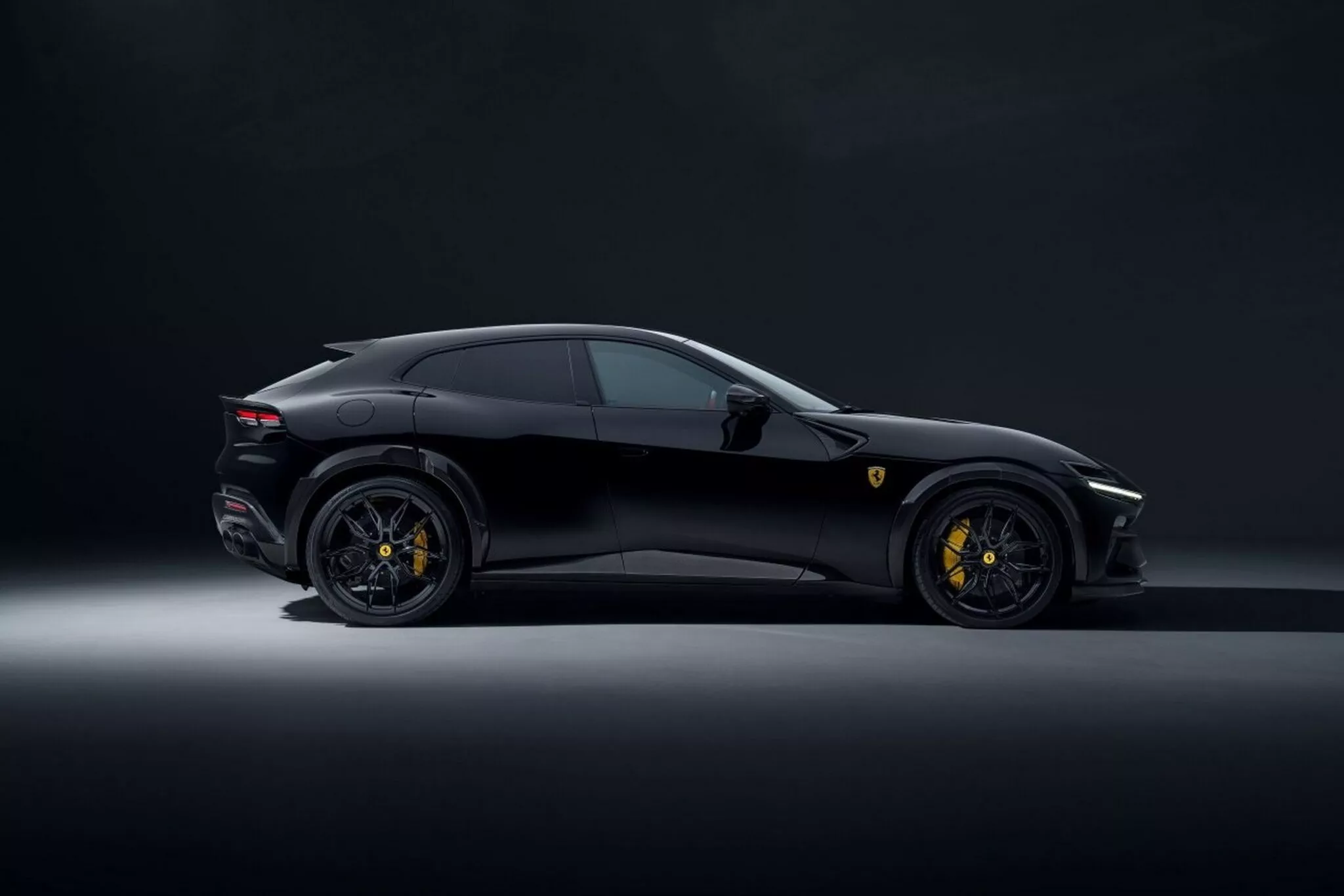
A V12 luxury SUV with 715 horsepower that can sprint to 100 km/h in just over three seconds already sits firmly in the upper tier of performance SUVs. On paper, it hardly seems like a car that needs to go any faster.
Then again, when a vehicle carries the Ferrari badge, the baseline is already extreme. And according to reports, Maranello may already be preparing an even sharper version of the Purosangue.
Sources familiar with the matter suggest Ferrari is working on a more performance-focused variant of its four-door thoroughbred. The idea is to introduce a refreshed interpretation of the Purosangue with a stronger emphasis on dynamic ability, arriving a few years after the model first made its debut.
Under the bonnet, the car is expected to retain the naturally aspirated 6.5-litre V12. Whether Ferrari intends to increase output beyond the current 715 hp (533 kW) remains unclear at this stage. What is known is that production could begin this year at the company’s Maranello facility as part of Ferrari’s broader product rollout planned for 2026.
Where the biggest changes may appear is in the chassis and handling department. The upgraded Purosangue is believed to receive a number of dynamic improvements aimed at sharpening the driving experience even further. Think along the lines of Ferrari’s Assetto Fiorano approach used on models such as the SF90 Stradale and 296 GTB, where revised suspension tuning, lighter components and other track-focused adjustments combine to elevate handling precision.
The decision to retain the V12 also signals Ferrari’s continued belief that there remains strong demand for high-performance internal combustion engines, even as the brand steadily expands its hybrid and fully electric portfolio.
From a purely practical standpoint, the Purosangue hardly requires a faster derivative. Yet introducing one would serve multiple purposes. It gives Ferrari an opportunity to refresh one of its most important models while also creating a new premium tier within the lineup without meaningfully increasing overall production volumes.
The Purosangue has already proven to be a major milestone for the brand. As the first Ferrari ever built with four doors and four proper seats, it opened the door to a broader customer base that might previously have looked elsewhere for everyday usability.
Last year, Ferrari assembled close to 14,000 vehicles globally, although the company has historically limited output to preserve exclusivity. The Purosangue itself is expected to remain capped at roughly 20 percent of Ferrari’s total annual production.
Looking further ahead, Ferrari CEO Benedetto Vigna has outlined an aggressive product cadence for the coming years. The company plans to introduce roughly four new models annually between 2026 and 2030, spanning traditional internal combustion engines, hybrid systems and fully electric powertrains.