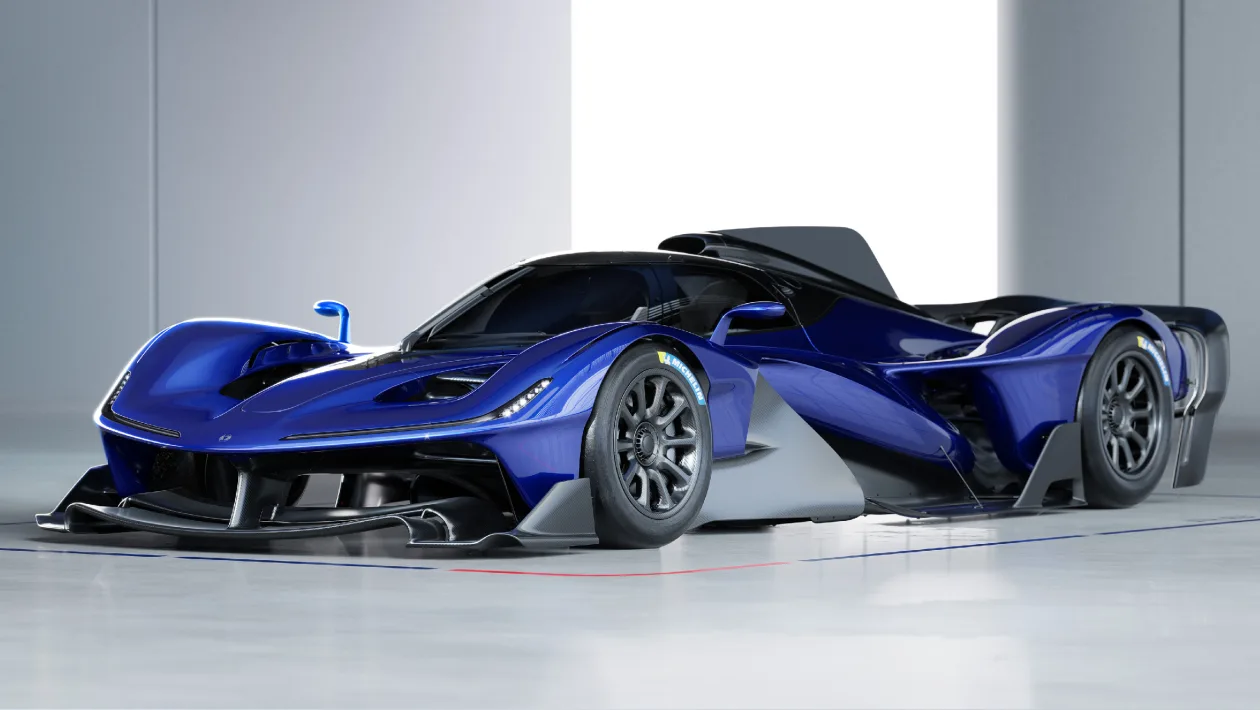
We’ve all heard the pitch before. A machine promising Formula 1 levels of performance, supposedly within reach of private buyers with very deep pockets. The last time that idea made headlines it came in the form of the Aston Martin Valkyrie. While undeniably impressive, its journey to production was anything but smooth, and some of the early ambitions never quite materialised in full.
That unfinished business clearly stuck with Adrian Newey. The result is the Red Bull RB17, a project that strips away regulatory constraints entirely and leans fully into what Newey and Red Bull Advanced Technologies set out to achieve. It steps into a rarefied space alongside machines like the Aston Martin Valkyrie AMR Pro, Pagani Huayra R and GMA T.50S Niki Lauda, but it’s clear this one is aiming to move the goalposts.
The first glimpse came at the Goodwood Festival of Speed in 2024, although by then the real engineering work was already well underway behind the scenes. Fast forward around 18 months and the picture is far clearer. Final development is progressing, with track testing scheduled for this year. Expect to see it make an appearance at a Formula 1 weekend before long, and it wouldn’t be a surprise if it returns to Goodwood for a proper run up the hill.
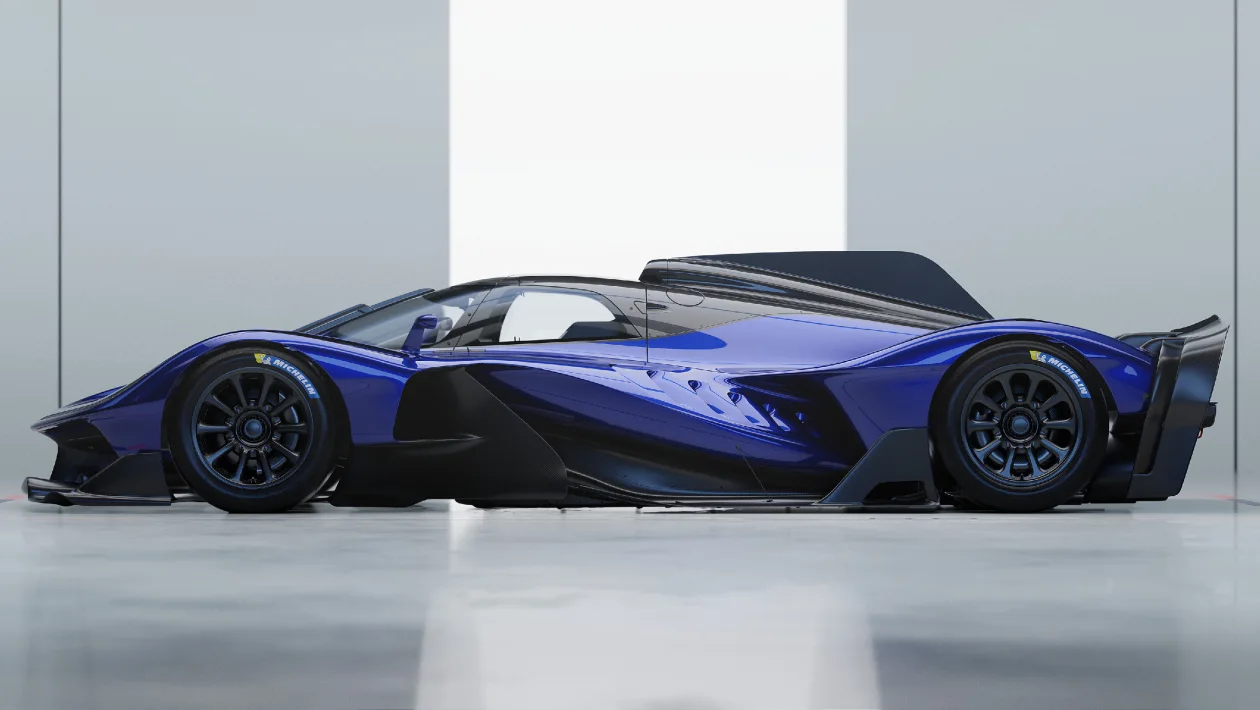
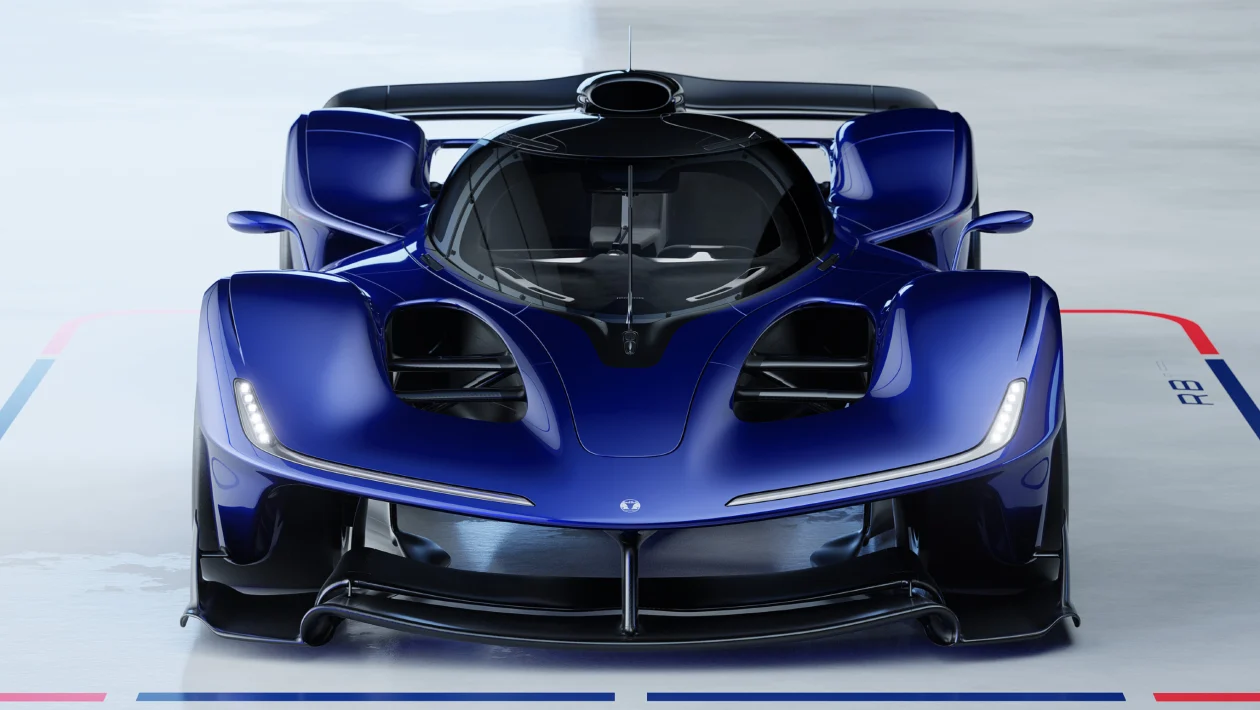
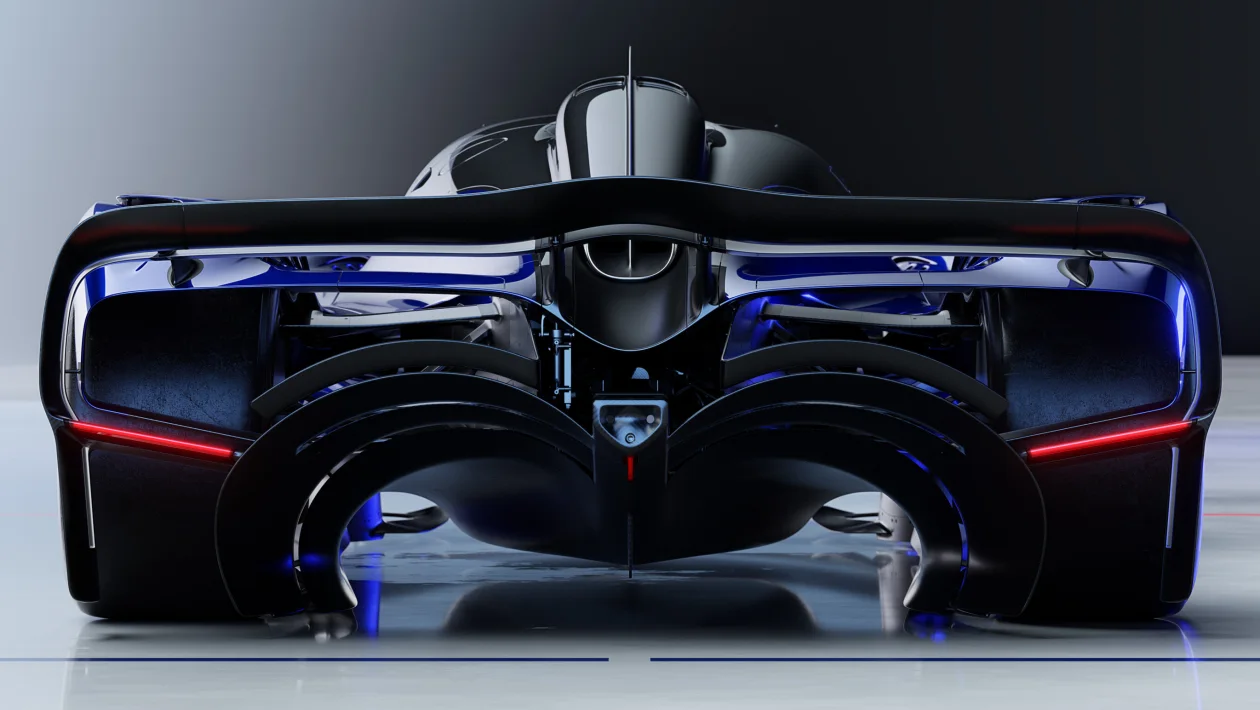
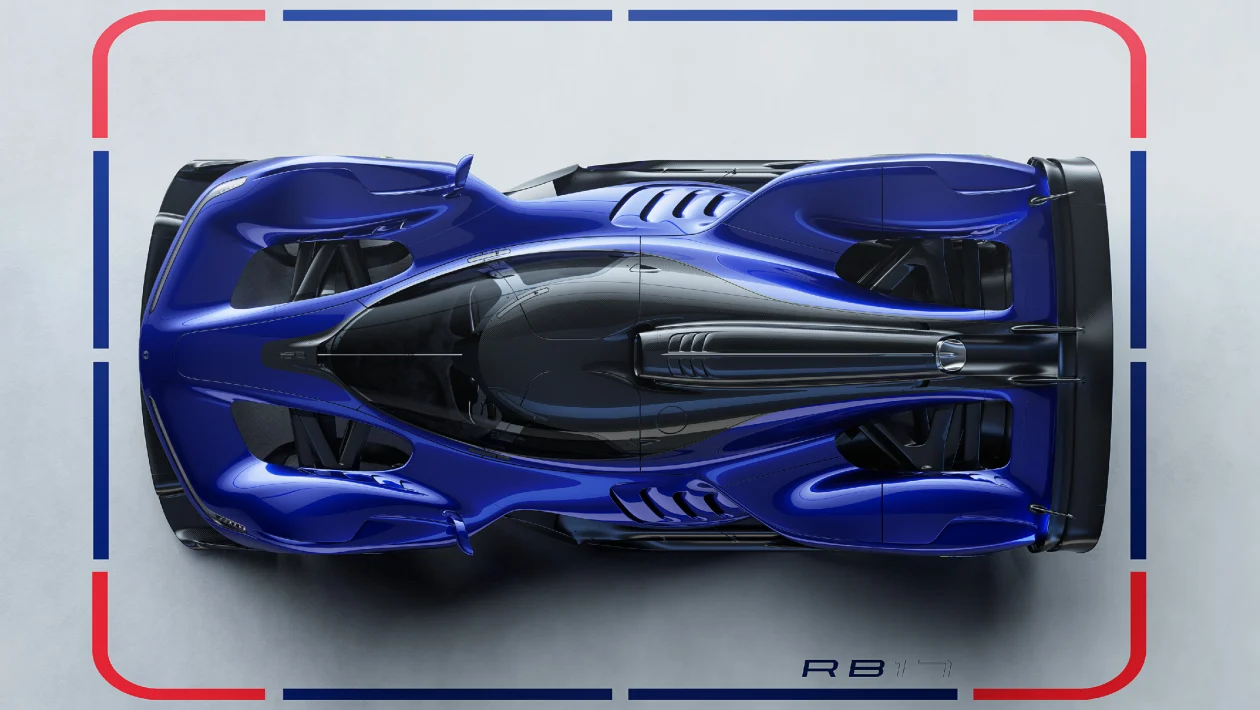
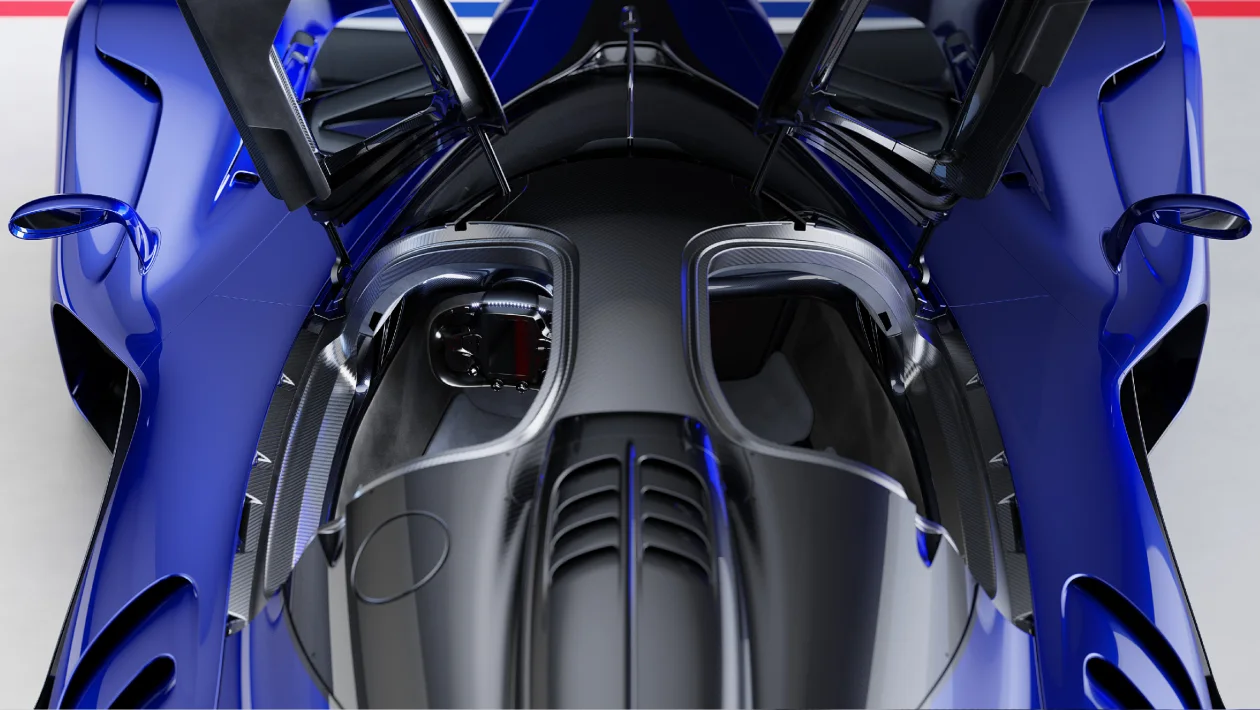
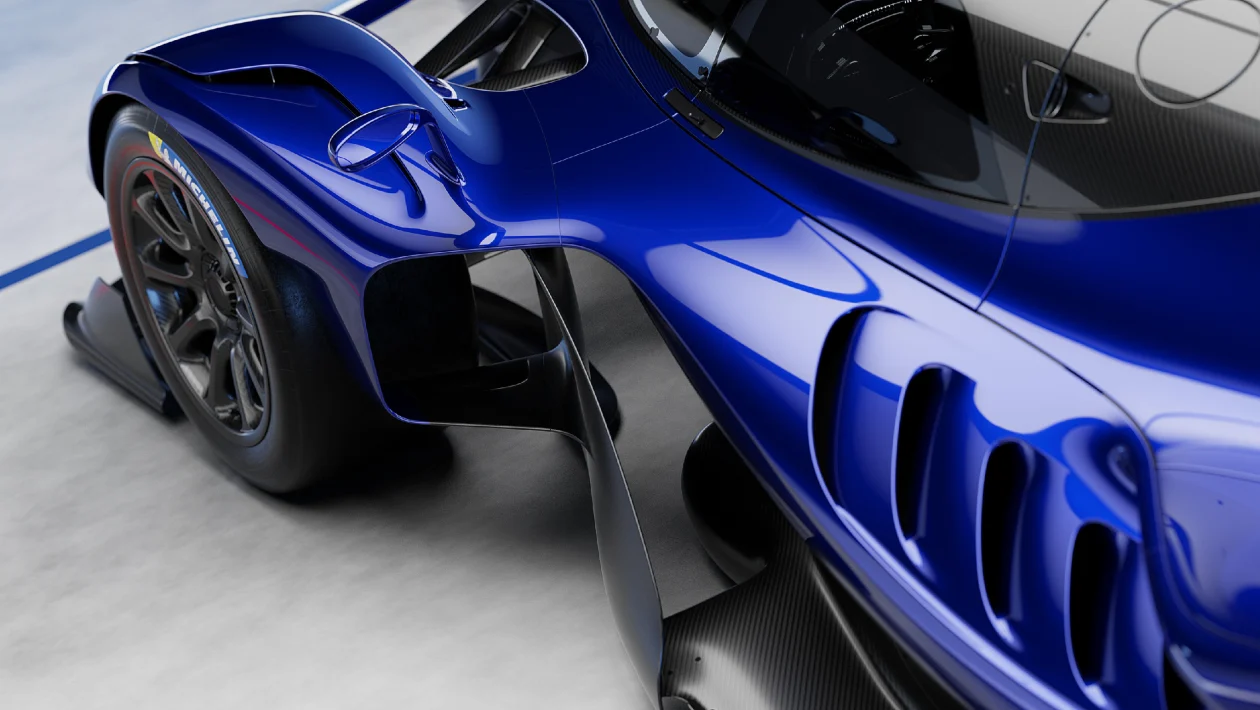
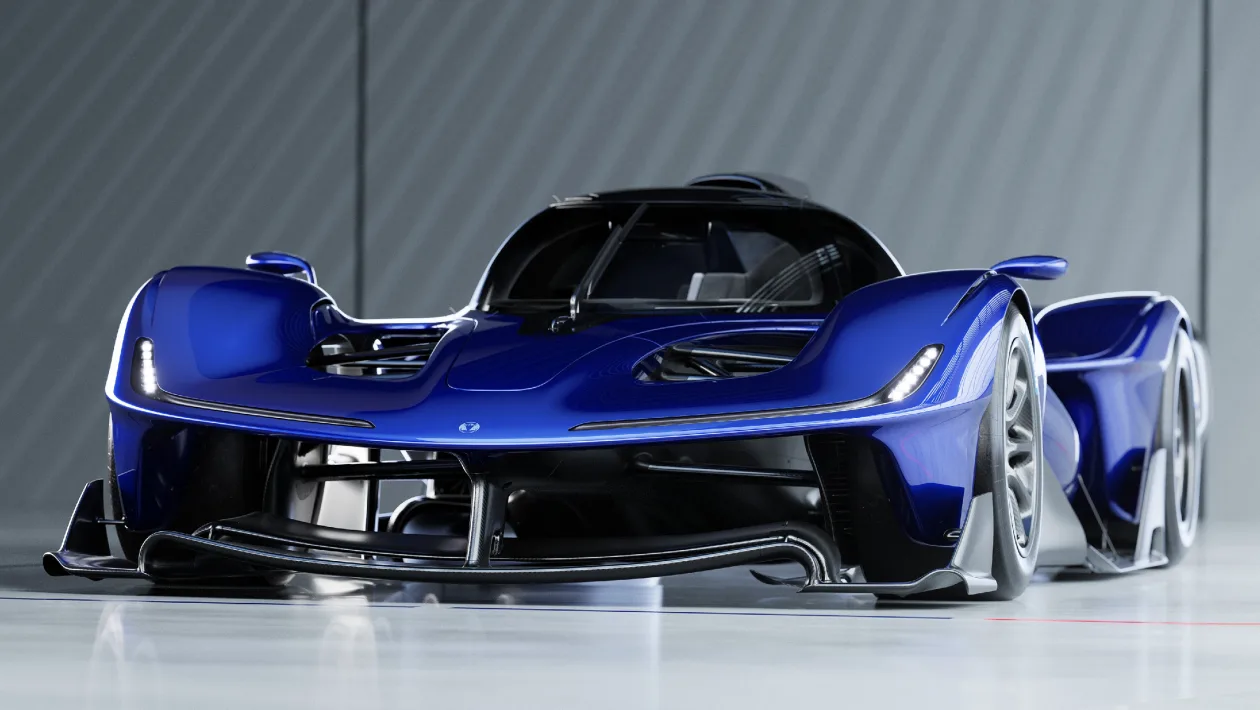
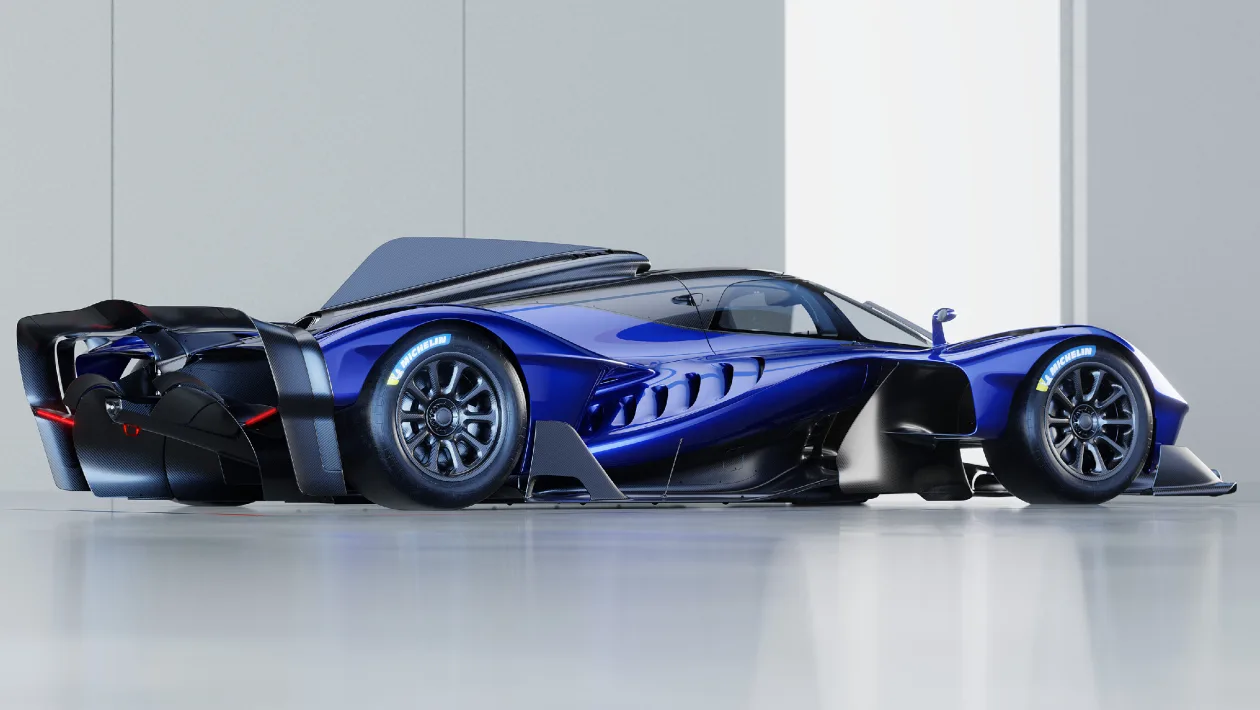
Visually, the RB17 has evolved quite a bit since that early concept. It’s actually been scaled down slightly, though it still sits in roughly the same footprint as a previous-generation Formula 1 car. Aerodynamic elements have been sharpened across the board, from the stabilising fin running over the engine cover to the more intricate front splitter and a heavily reworked rear wing and diffuser setup.
There’s a lot more going on in the bodywork, too. Additional vents have been carved into the front and rear wings, the side pods and even the prominent snorkel intake. The exhaust now exits higher up along the spine of the car, right at the base of that intake. And yes, it now features essentials like lights, mirrors and wipers, which feels almost amusing given the rest of the package.
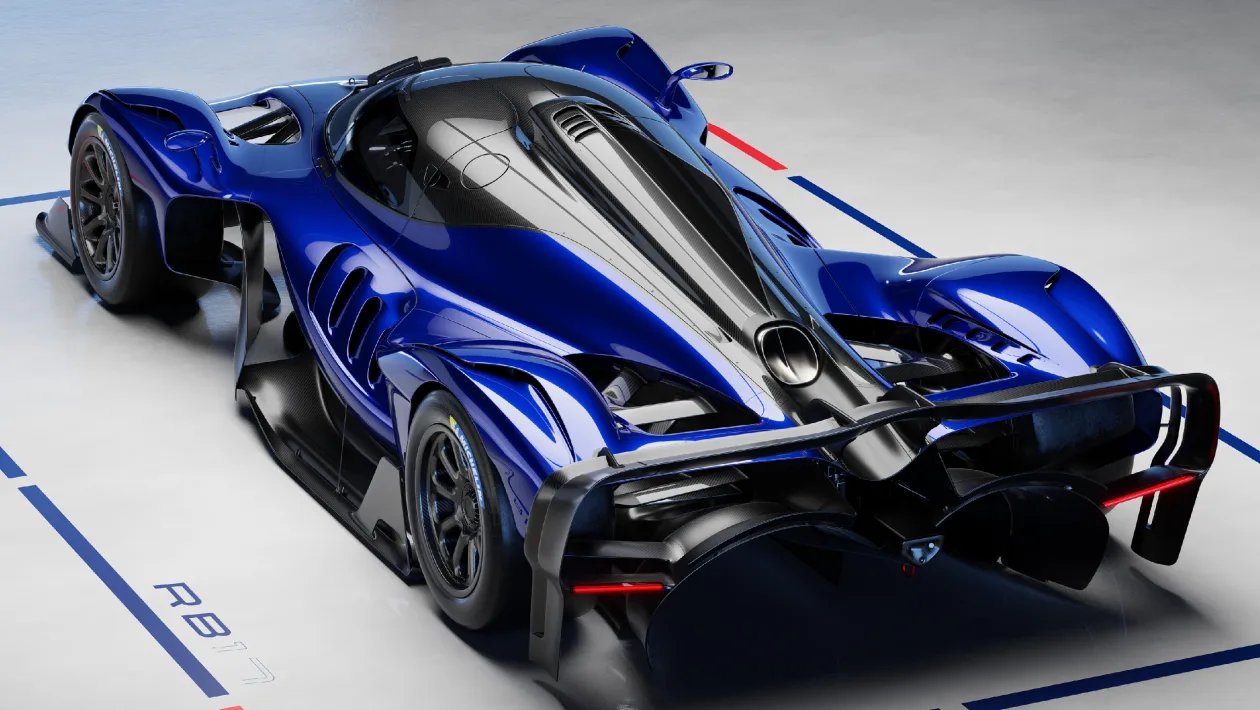
The real drama sits behind the cockpit. Mounted directly to the carbonfibre chassis is a Cosworth-developed 4.5-litre V10 that revs to 15,000rpm. It forms part of the car’s structure and is paired with an electric motor producing 147 kW (197 hp). Combined output exceeds 1,184 hp (883 kW), all sent to the rear wheels through a six-speed sequential gearbox, with the electric motor handling reverse duties. Red Bull has also refined the transmission software to improve durability and reduce wear over time. Flat out, it will go beyond 349 km/h (217 mph).
Despite numbers that sound borderline absurd, the RB17 isn’t meant to be a nightmare to drive. Active suspension and adaptive aerodynamics play a big role here, allowing the car to adjust ride height, balance and downforce levels depending on conditions. The aero itself is dynamic too, with adjustable elements front and rear to suit different circuits or driving styles.
Downforce peaks at around 1,700 kg, which is close to double the car’s targeted sub-900 kg mass. To keep things manageable, it’s equipped with hydraulic power steering, traction control and ABS working with a carbon-carbon braking system. Buyers can choose between 18-inch carbonfibre wheels with Michelin slicks or 20-inch wheels wrapped in treaded tyres.
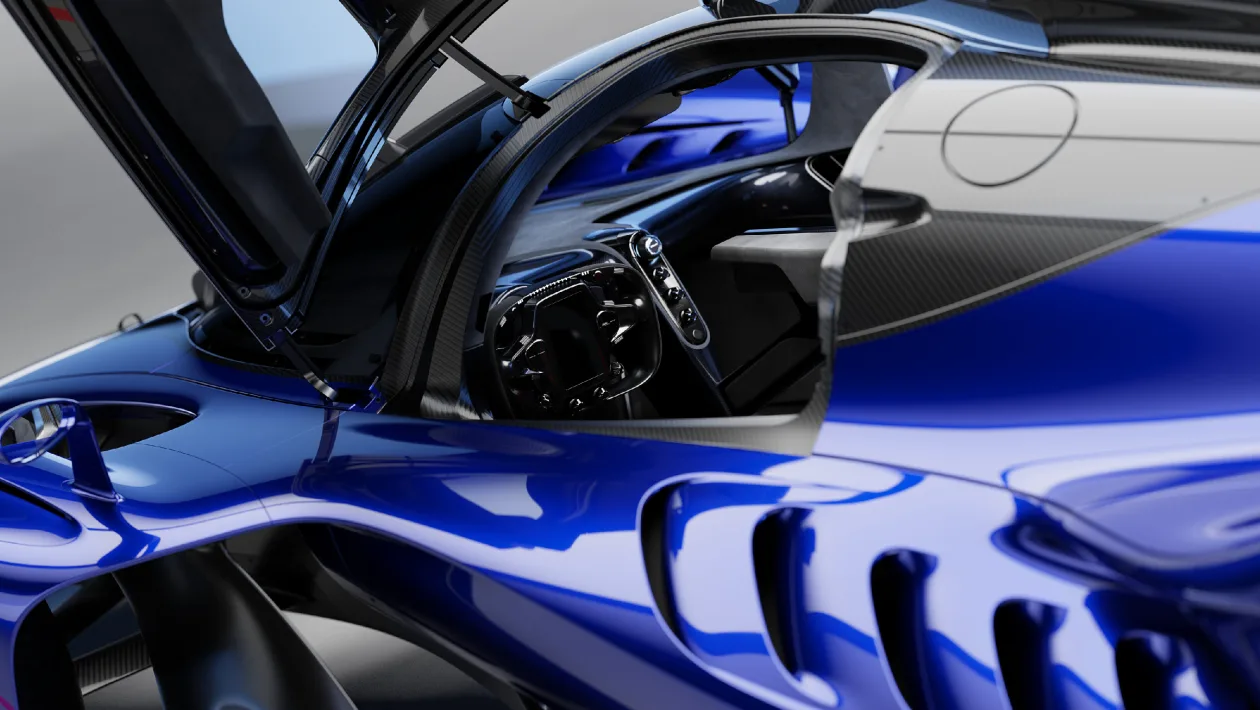
Inside, it’s more accommodating than you might expect from something this extreme. The two-seat cockpit is adjustable and designed to fit drivers in full race gear, including helmets. Controls stick to physical switches and dials rather than touch interfaces, keeping things intuitive when you’re focused on driving. It’s also engineered to handle endurance-level running, with the ability to complete a 24-hour race distance without needing attention.
The V10 itself has been developed with usability in mind. While it could theoretically rev higher, Red Bull chose to prioritise longevity and reliability. It can run on 98 RON pump fuel and is designed to last significantly longer between services than a typical race engine. Major servicing intervals are set at around 8,047 km (5,000 miles), handled at Red Bull Advanced Technologies’ facility.
Production will be limited to just 50 units. Owners won’t just get the car, they’ll be invited into a full programme that includes track events around the world, driver coaching, setup support and simulator sessions to get familiar with the car before driving it in anger.
Pricing still hasn’t been finalised, but earlier guidance pointed to around £5 million. And if that’s not enough, you can always take it a step further and have it converted for road use through Lanzante.