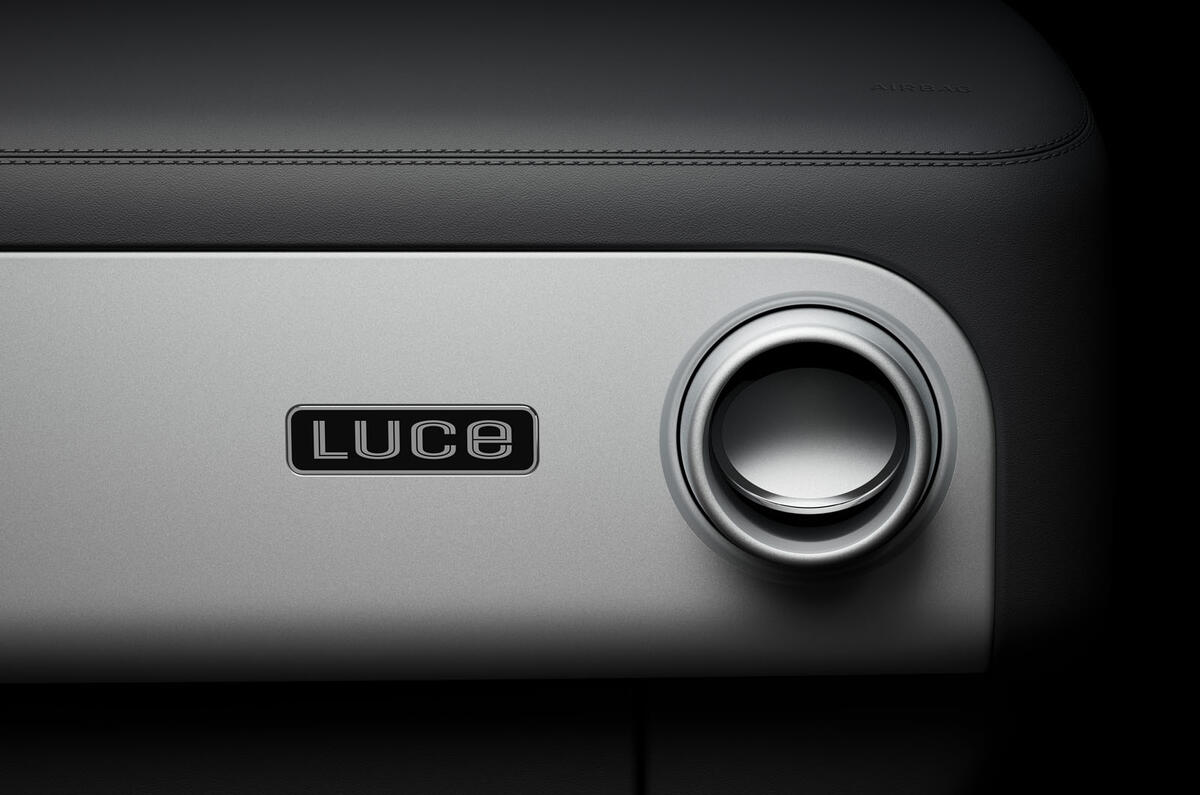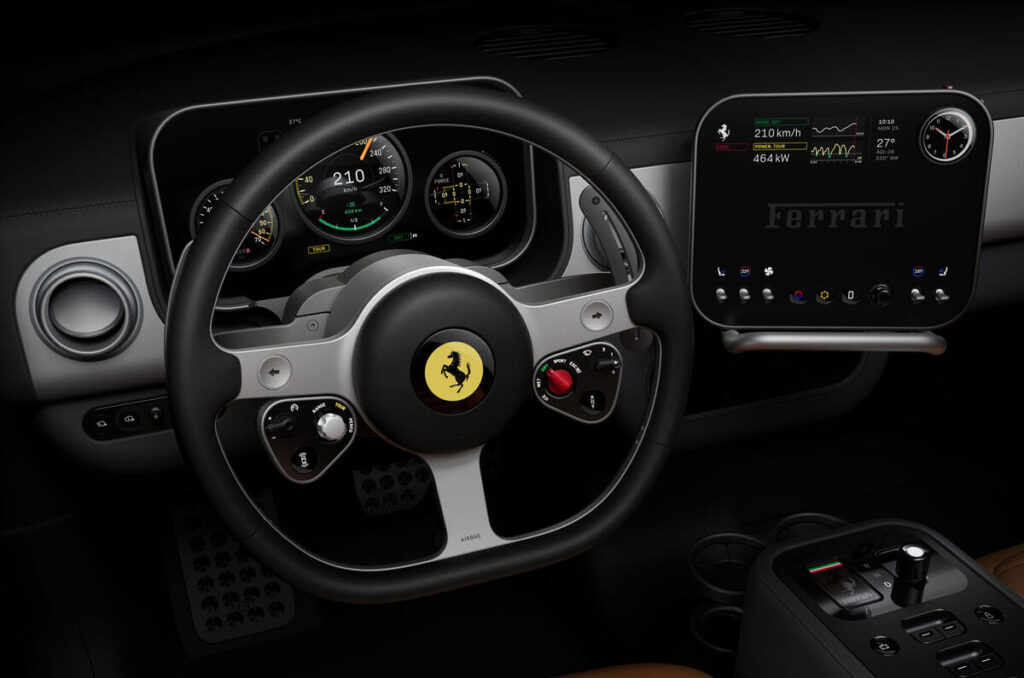
Ferrari’s first fully electric model will carry the name Luce and usher in a cabin concept shaped with input from legendary Apple designer Jony Ive.
Set for a full reveal in May, this EV arrives as a four-door, four-seat grand tourer delivering as much as 1000 hp (746 kW) from a quad motor setup.
Known internally as ‘Elettrica’ during its development, the production version adopts the Luce name. In Italian, the word points to light, and in everyday language it is also linked to electricity. Ferrari CEO Benedetto Vigna says the name signals a car intended to light the way forward for the brand.
Both the inside and outside were developed alongside LoveFrom, the design company co-founded by Ive, the mind behind the iPhone, iPad, MacBook, Apple Watch and the broader iOS interface language.
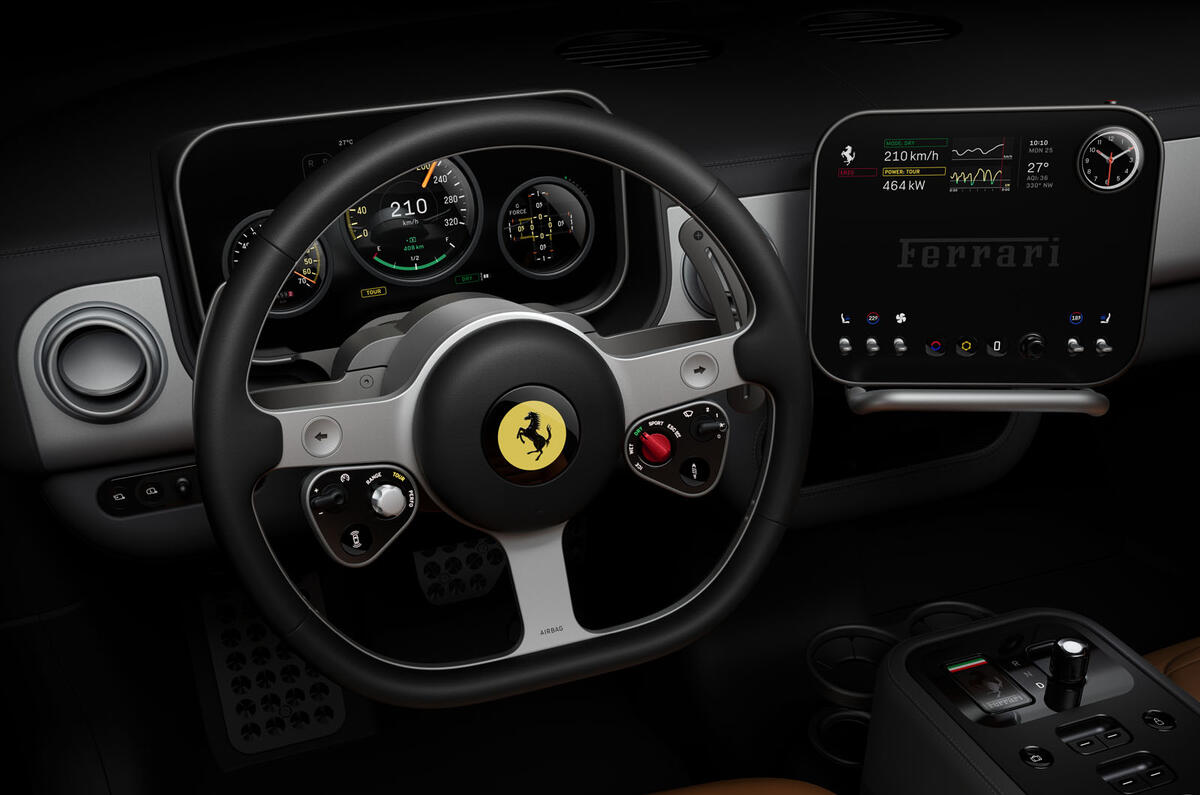
Even with Ive’s involvement, the cabin does not go all in on touchscreens. There is still a strong presence of real buttons and switches.
While many carmakers lean on smartphone inspiration to justify screen-heavy interiors, Ive’s view is simple: pure touch control in a car forces drivers to look away too often. For him, that is a compromise too far.
His influence is still clear. The cabin makes heavy use of anodised aluminium and reinforced glass, materials closely associated with premium consumer electronics. The floating 10-inch central display also carries a tablet-like aesthetic.
Ferrari design boss Flavio Manzoni calls the interior both unique and disruptive, a space meant to move the segment forward rather than follow trends.
The brief, according to Ive, was to make the cabin functional, interactive and alive. He argues that pairing an electric power source with a purely digital interface is a flawed assumption. Instead, the goal was to blend the strongest elements of analogue displays with the flexibility of digital ones.
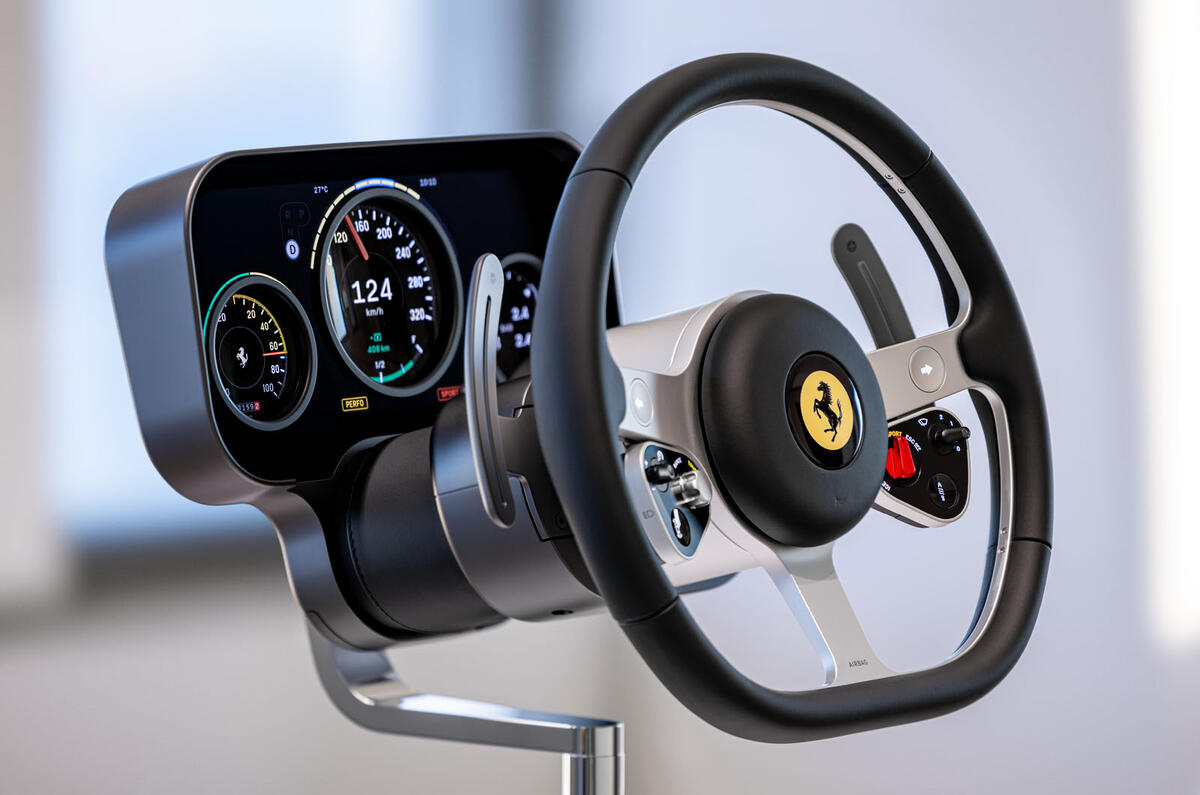
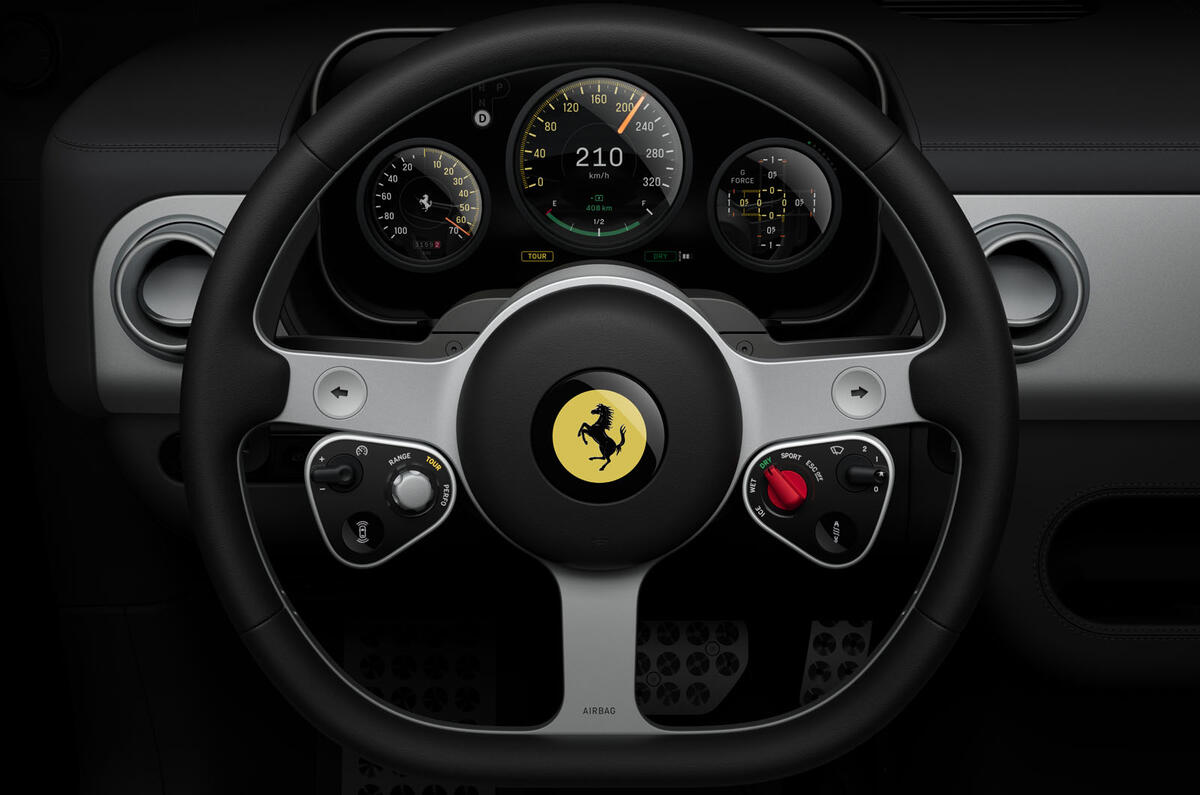
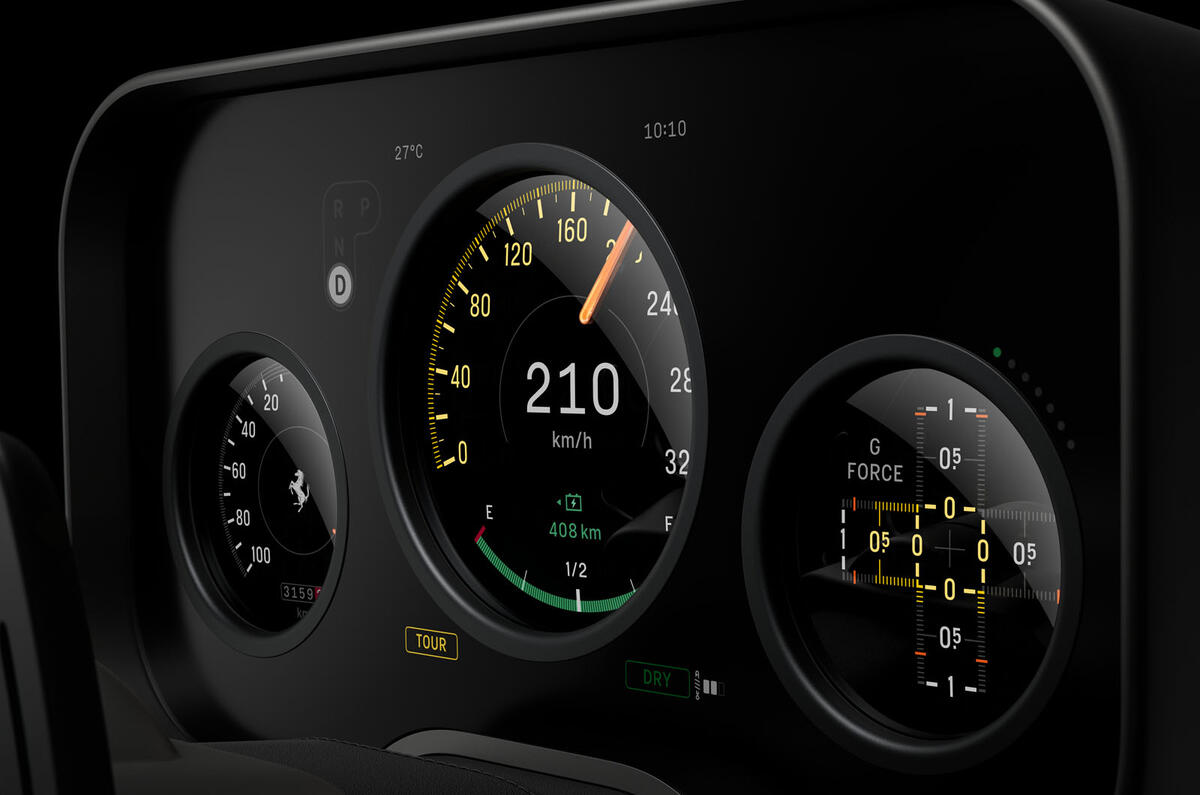
You see this clearly in the 12.5-inch instrument binnacle. The three dial layout for speed, power and related data is formed using two ultra-thin Samsung OLED panels layered together, topped with convex glass to mimic traditional instruments. There is even a physical needle for the digital odometer.
Driving remains the core focus. Everything else in the car is meant to support that experience, not distract from it.
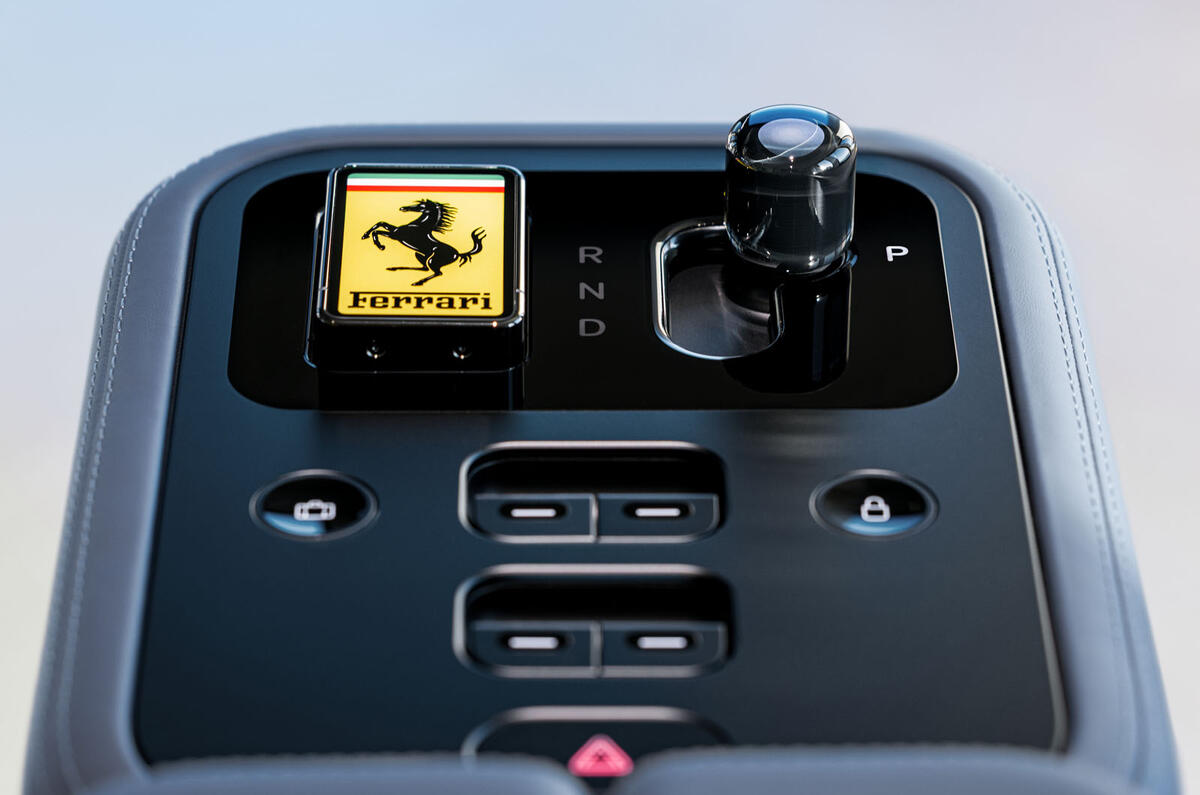
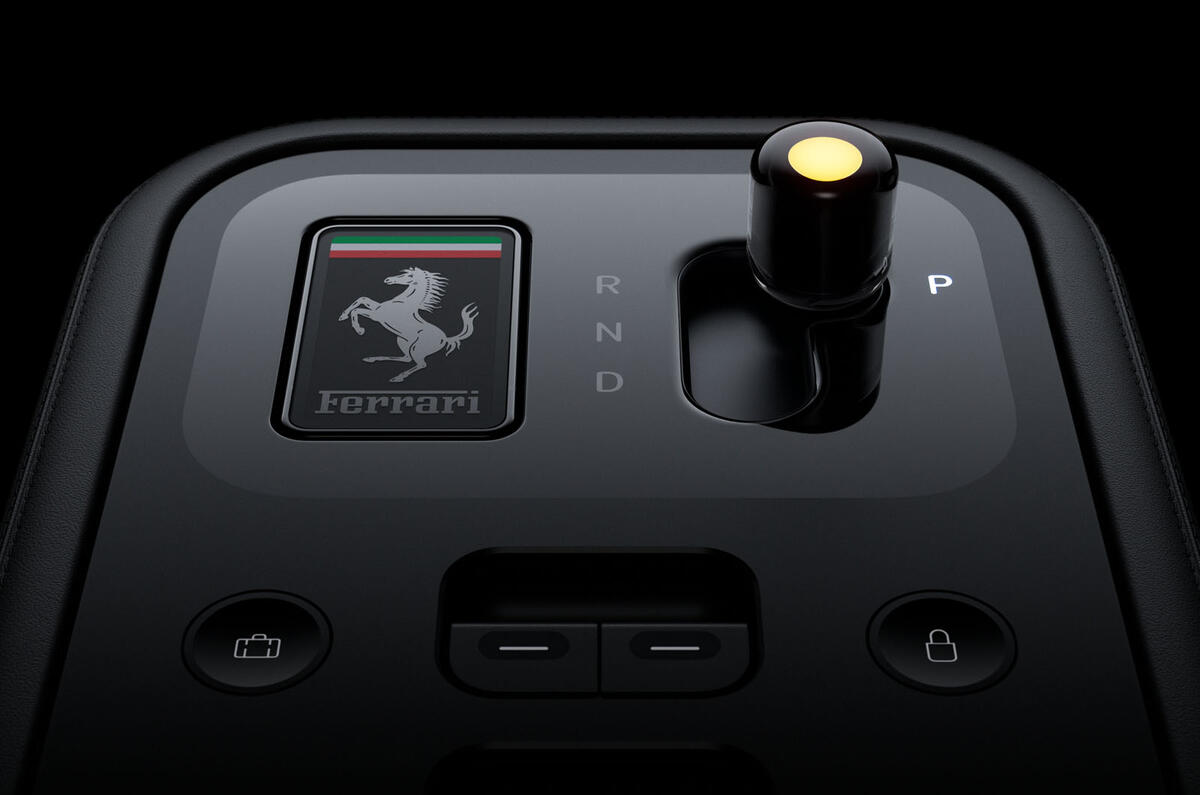
One example of Ferrari’s theatrical side is the so-called key ceremony. The square aluminium and glass key slots into a dedicated holder. Once inserted, its yellow finish fades to black while the yellow highlight shifts to the drive selector, symbolising the transfer of energy from key to car. That detail alone reportedly took close to a year to finalise.
Heritage cues are present, especially in the thin-rimmed three-spoke steering wheel, but the intent is not nostalgia. Ive wanted something with presence and meaning for the future.
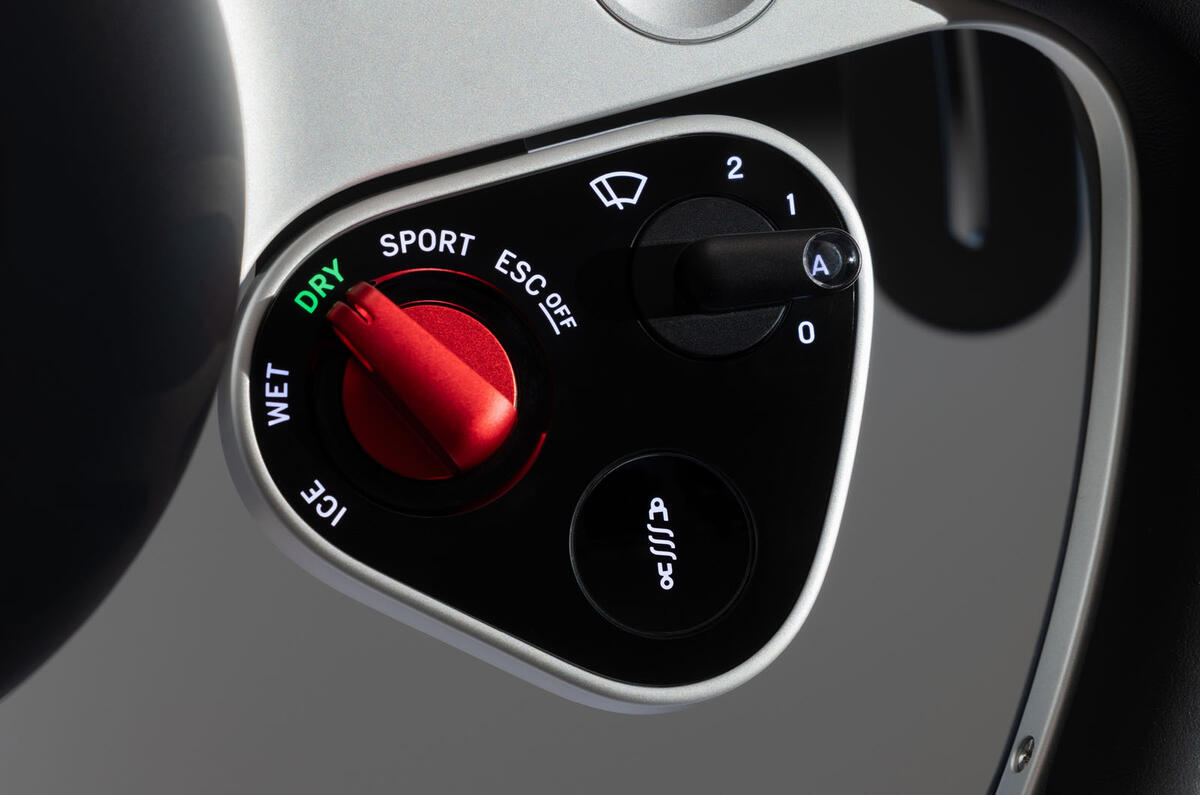
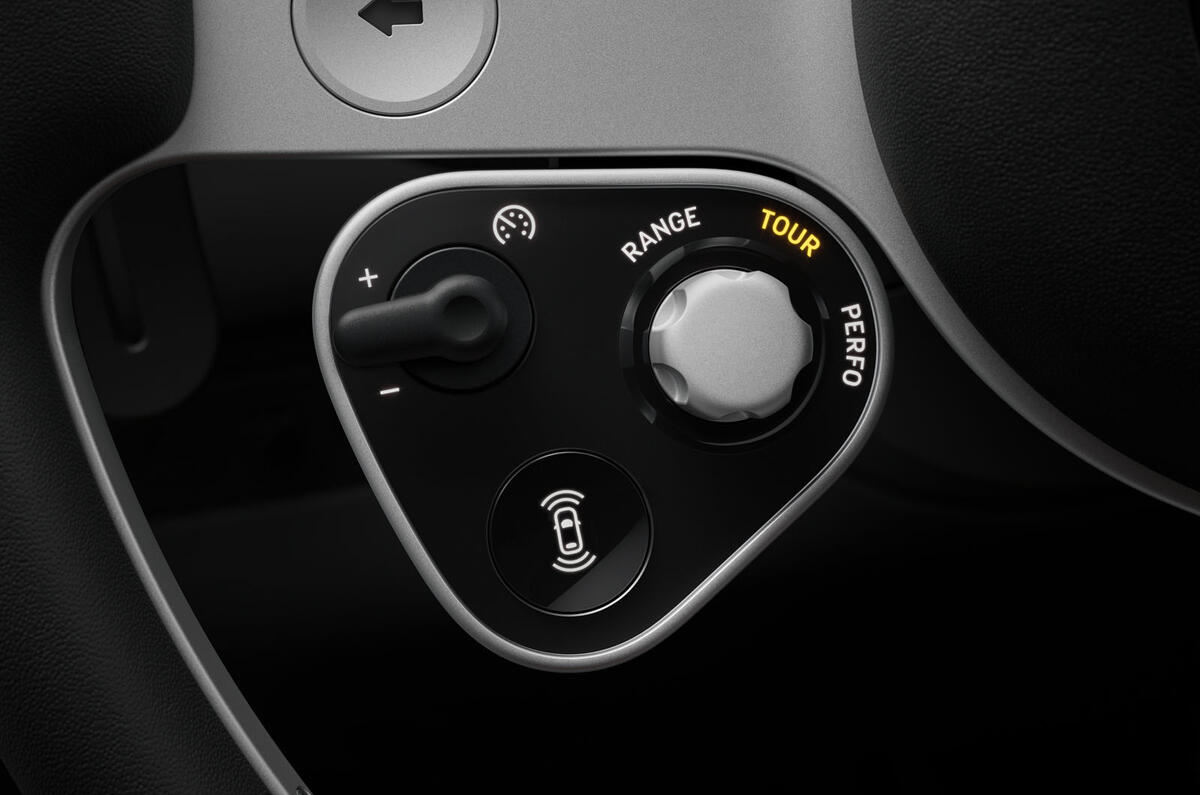
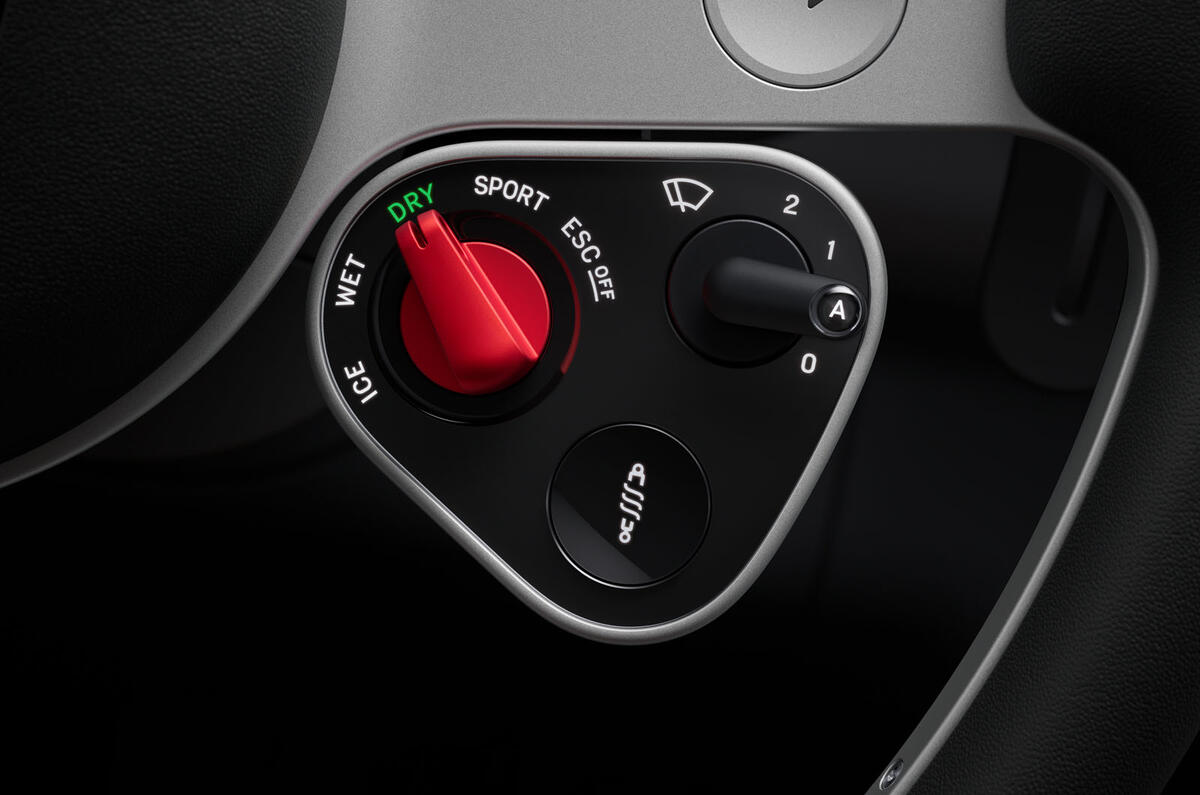
The steering wheel nods to classic Nardi designs seen on some of Ferrari’s most celebrated models from the 20th century and is said to draw inspiration from Ive’s own 1950s 250 Europa. It carries numerous physical buttons, a manettino for the various electric drive modes ranging from 50 to 100 percent output, additional powertrain settings and paddles that modulate torque delivery.
At launch, the wheel is trimmed in smooth leather rather than the Alcantara commonly found in current Ferraris.
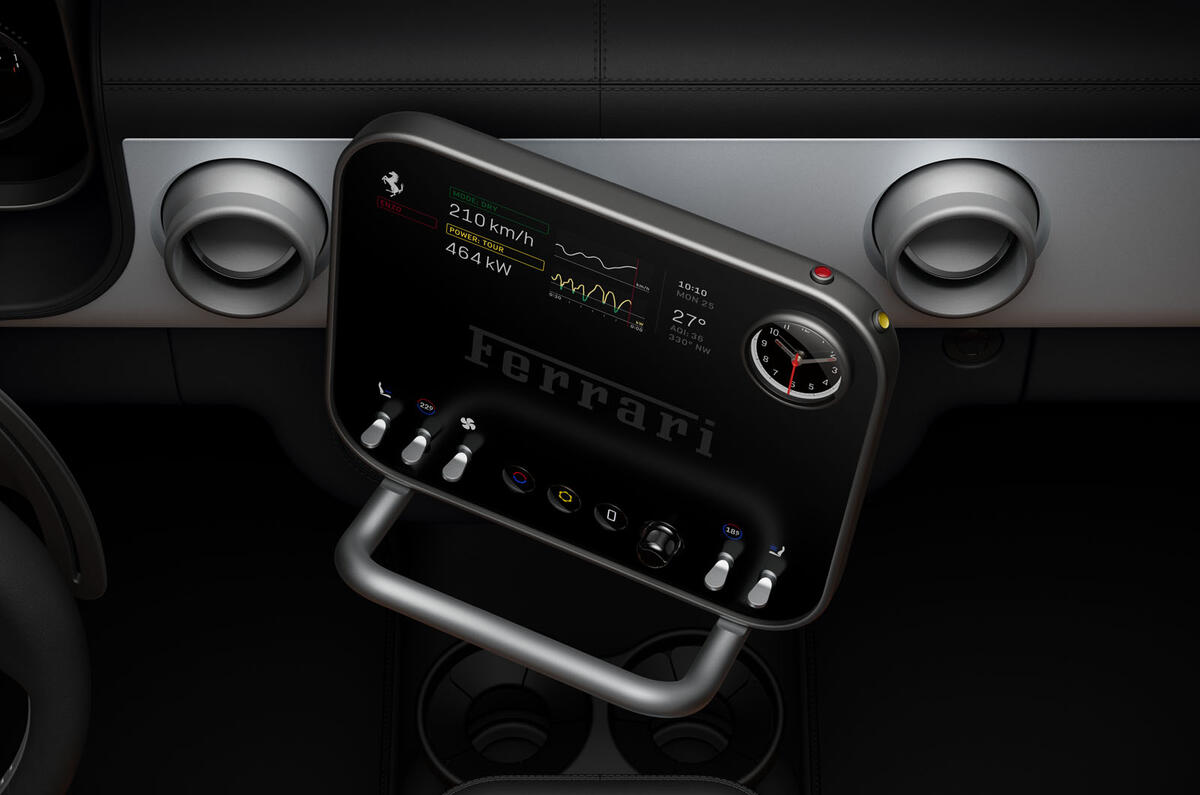
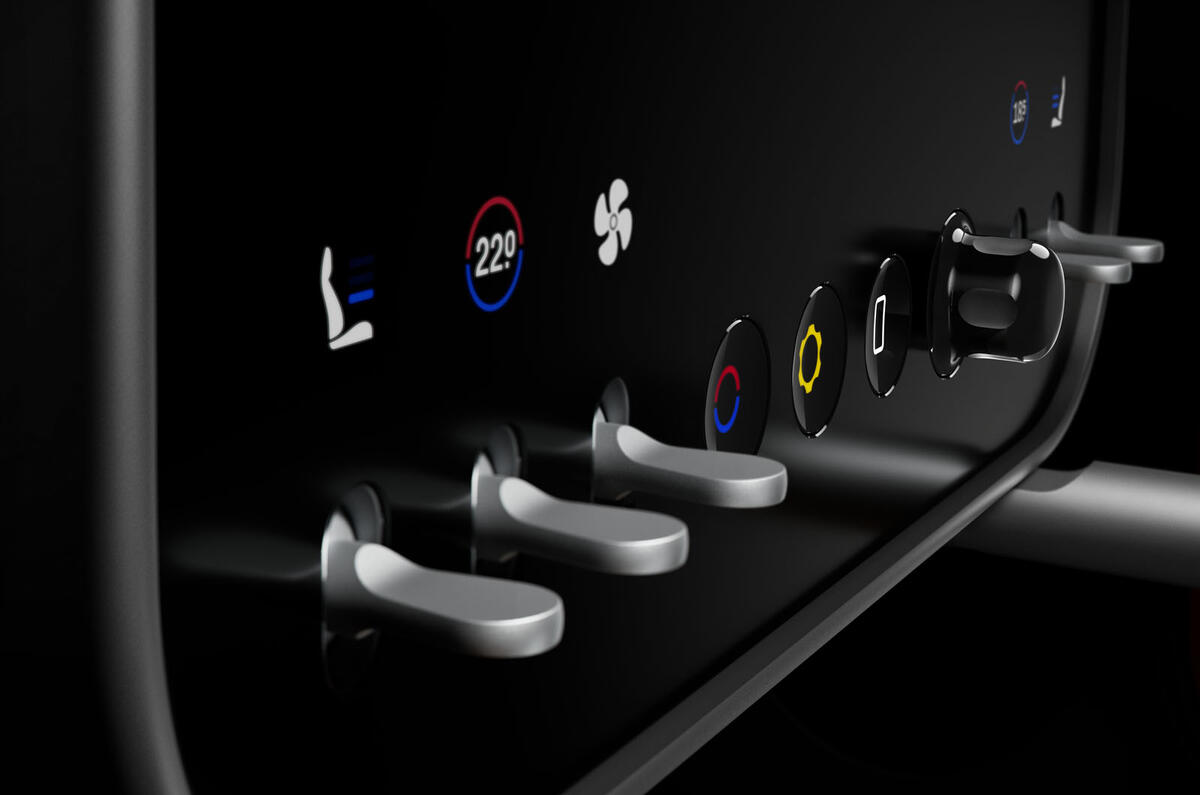
The centre of the dashboard is dominated by the 10 inch touchscreen. It can be repositioned using a sturdy grab handle that also doubles as a palm rest. Beneath it sit physical toggles for climate and media.
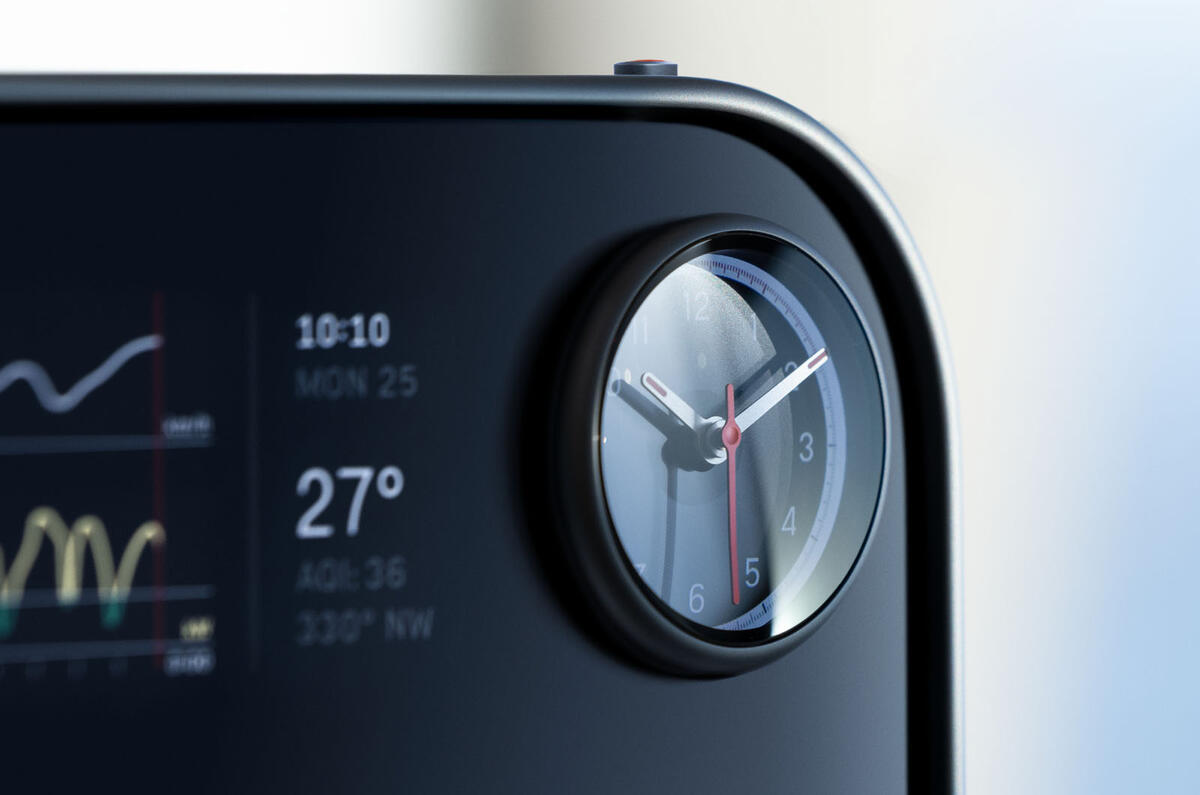
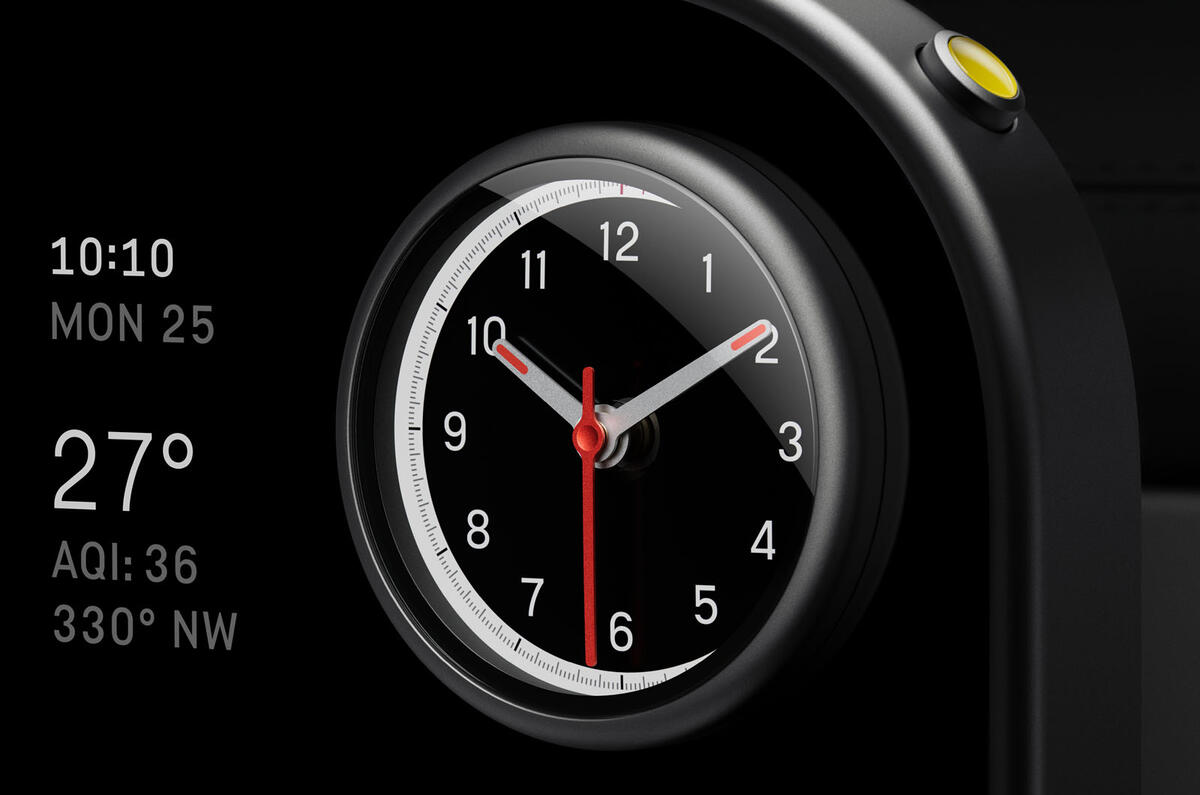
Above that sits a clock that blends analogue and digital. It has physical hands but a digital face, and can switch between clock, compass and lap timer functions. Developing this piece reportedly consumed more time than any other single interior element, with each hand driven by its own trio of gears.
The digital cluster is deeply layered, with eight levels in total. The front two are bespoke Samsung OLED displays that create the three dial effect. The central dial shows speed with a real needle, while the side dials can change based on drive mode, for example showing regenerative braking or g force data.
The dark surround that looks like plastic is actually another OLED surface handling warning icons, navigation prompts and the shift light display typically mounted atop modern Ferrari steering wheels. Using multiple screens instead of one large panel adds visual depth and interest, according to Ive.
The binnacle itself is framed in anodised aluminium and mounted to move together with the steering column, helping maintain a consistent view for the driver.
The centre console appears to float and mixes leather with glass. High touch areas use matte glass to reduce fingerprints, while other sections use glossy finishes.
Practicality has not been ignored. There are separate storage areas for driver and passenger, two cupholders, physical buttons for the boot and central locking, plus window switches for all four doors on the console.
Rear occupants get their own display showing telemetry such as speed and track data.
The aluminium and glass key has its own dock at the front of the console and must be pressed into place to start the car. The inverted L-shaped shifter is also crafted from glass.
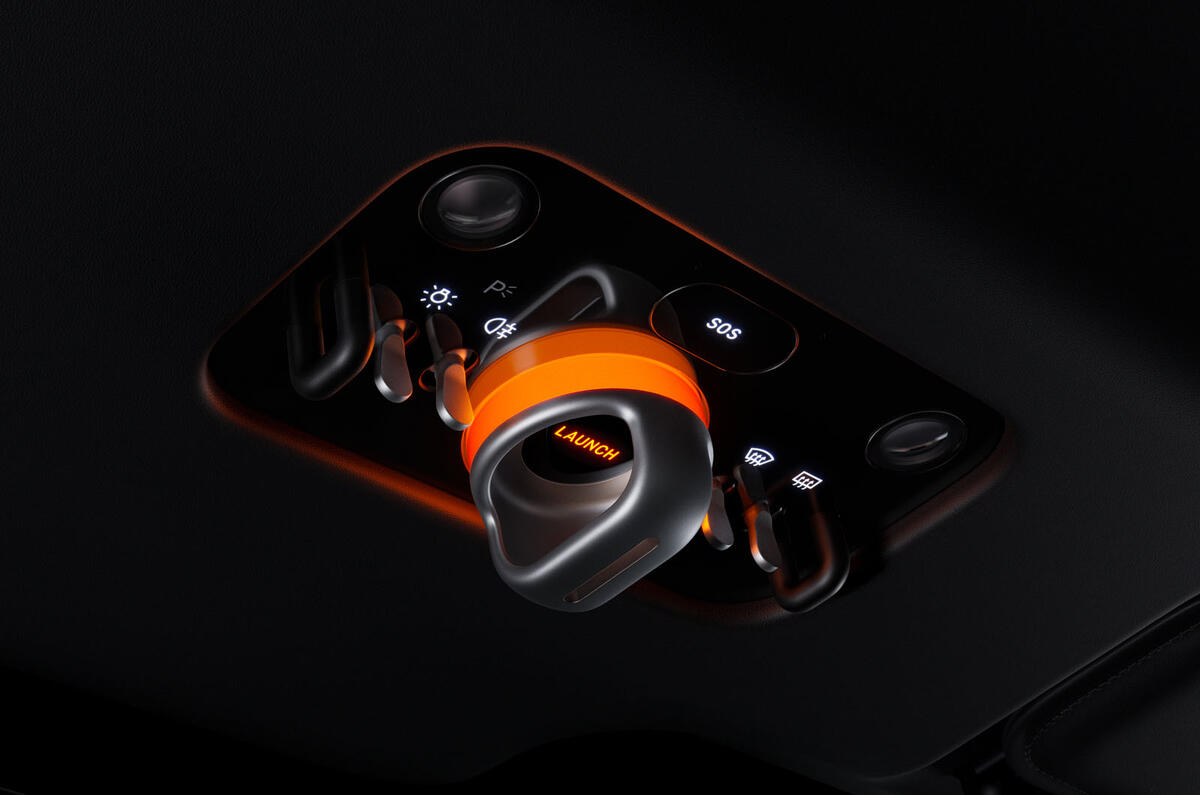
For launch control, the driver pulls a grip mounted above their head, helicopter style. Nearby switches handle exterior lighting functions like fog lights.