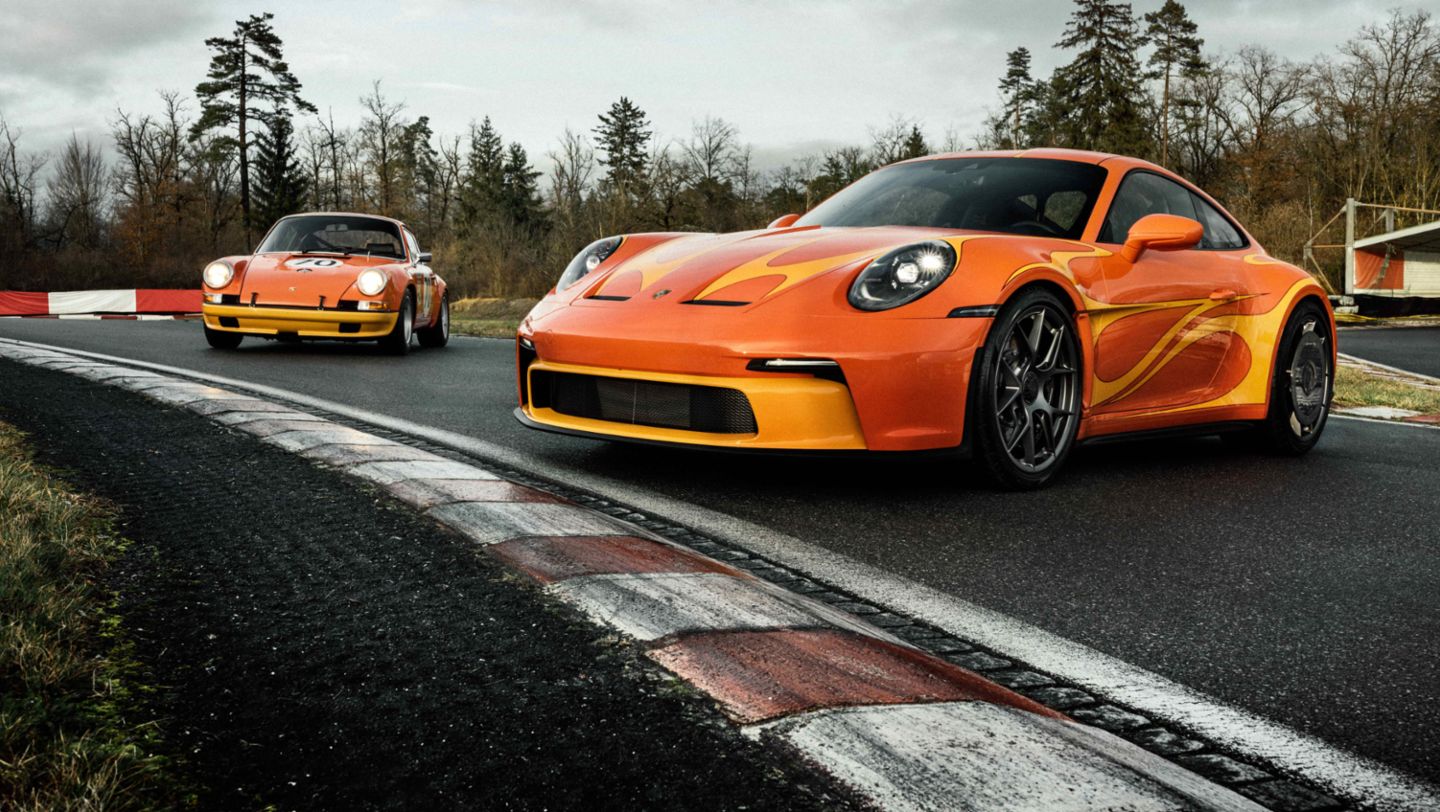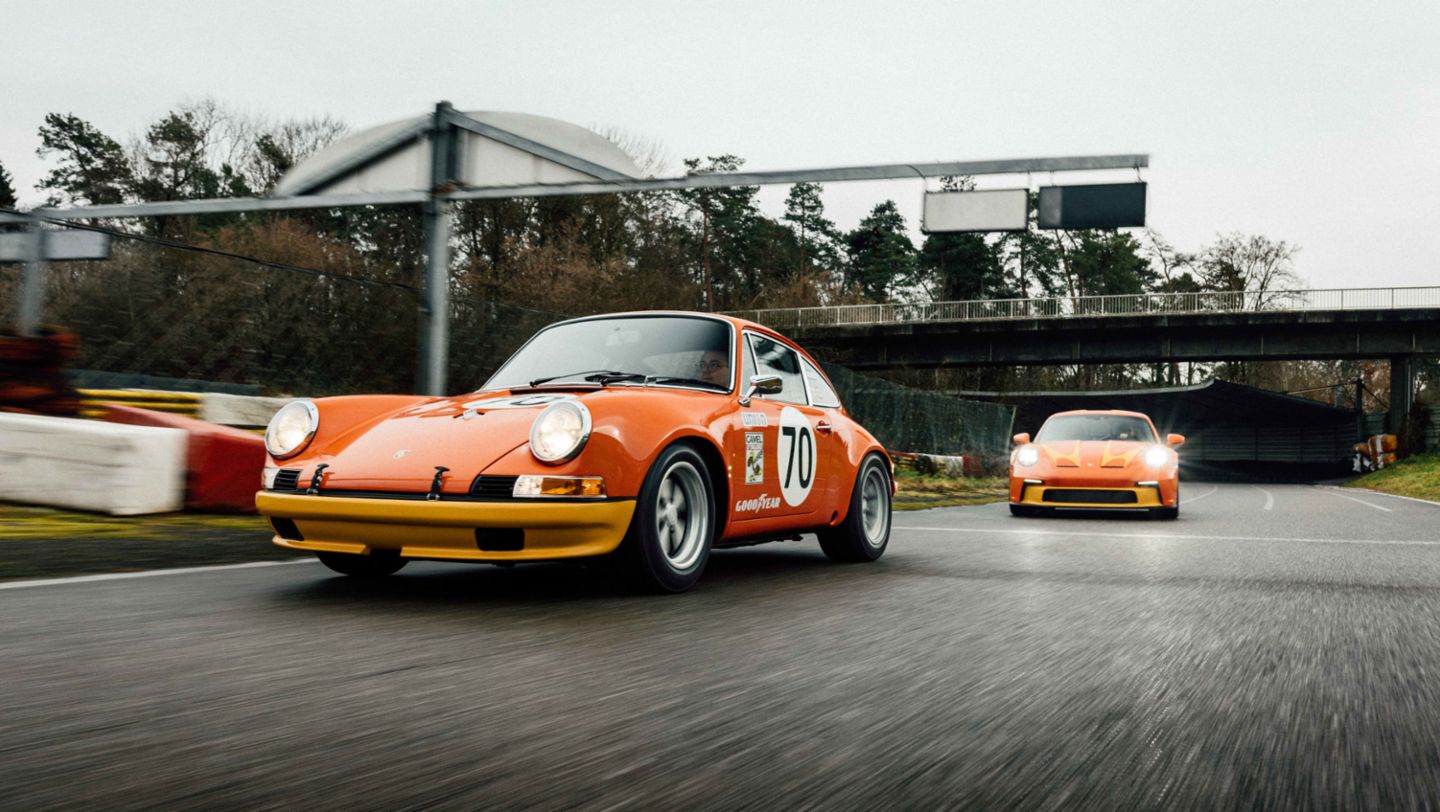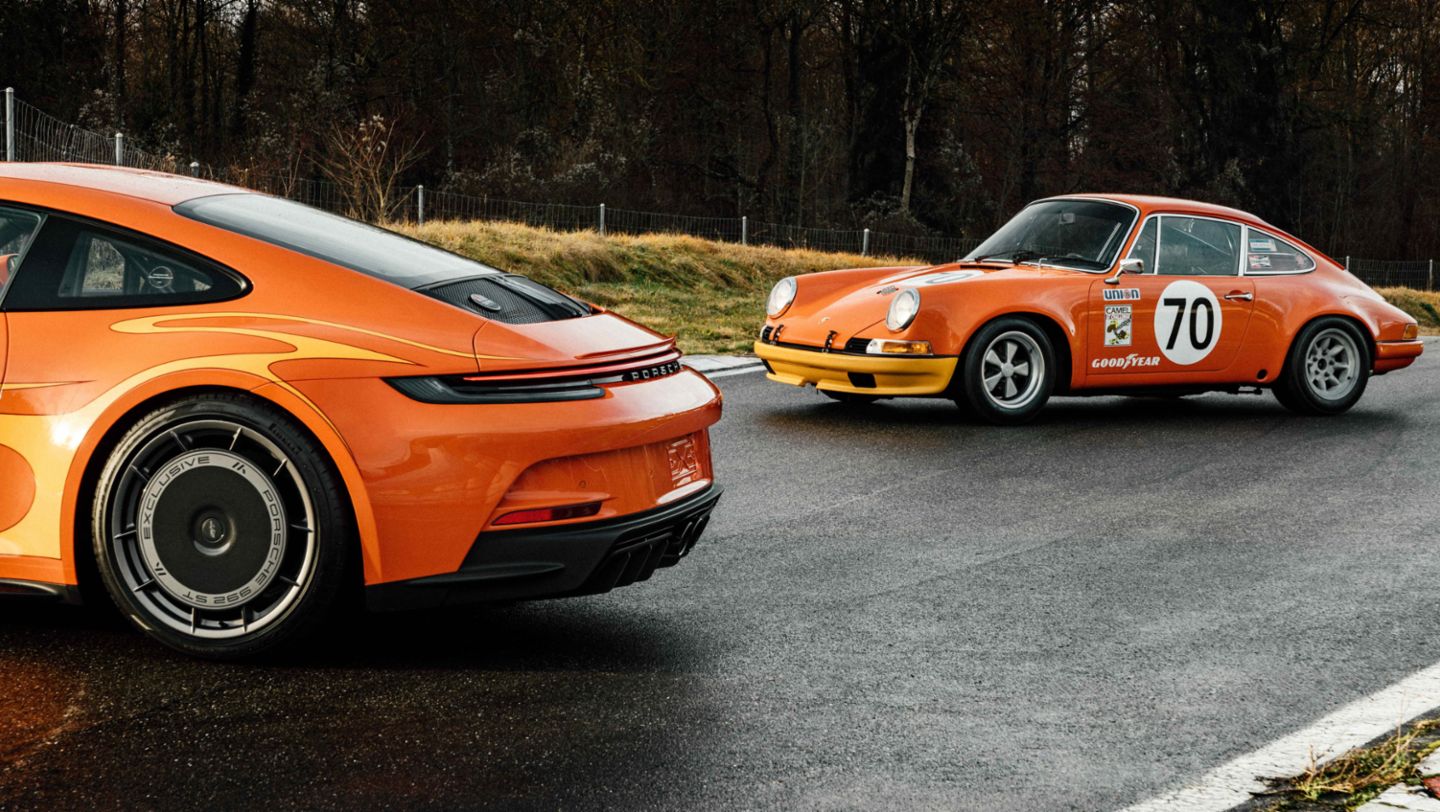
Long before heritage recreations became a predictable play, the 1972 Porsche 911 S/T built its reputation the old-fashioned way. It was never a headline factory-backed machine like the RSR. Instead, it carved out its status as a privateer tool, shaped by resourcefulness and real-world racing demands. Run initially by Equipe de Course Marc Dancose and later refined under Brumos Racing, this Phoenix Red coupe lined up for 27 events across North America between 1973 and 1978.
Its history reads like a tour of some of the toughest circuits of that era. Sebring, Daytona and Indianapolis all appear in its records. The car itself mirrored that no-nonsense life. Up front, standard wheels remained, while the rear ran a wider, mismatched setup. It may have looked odd, but it delivered the traction needed to survive endurance racing. Its competitive run came to an abrupt halt after a crash at Trois-Rivières, though that was far from the end of its story.
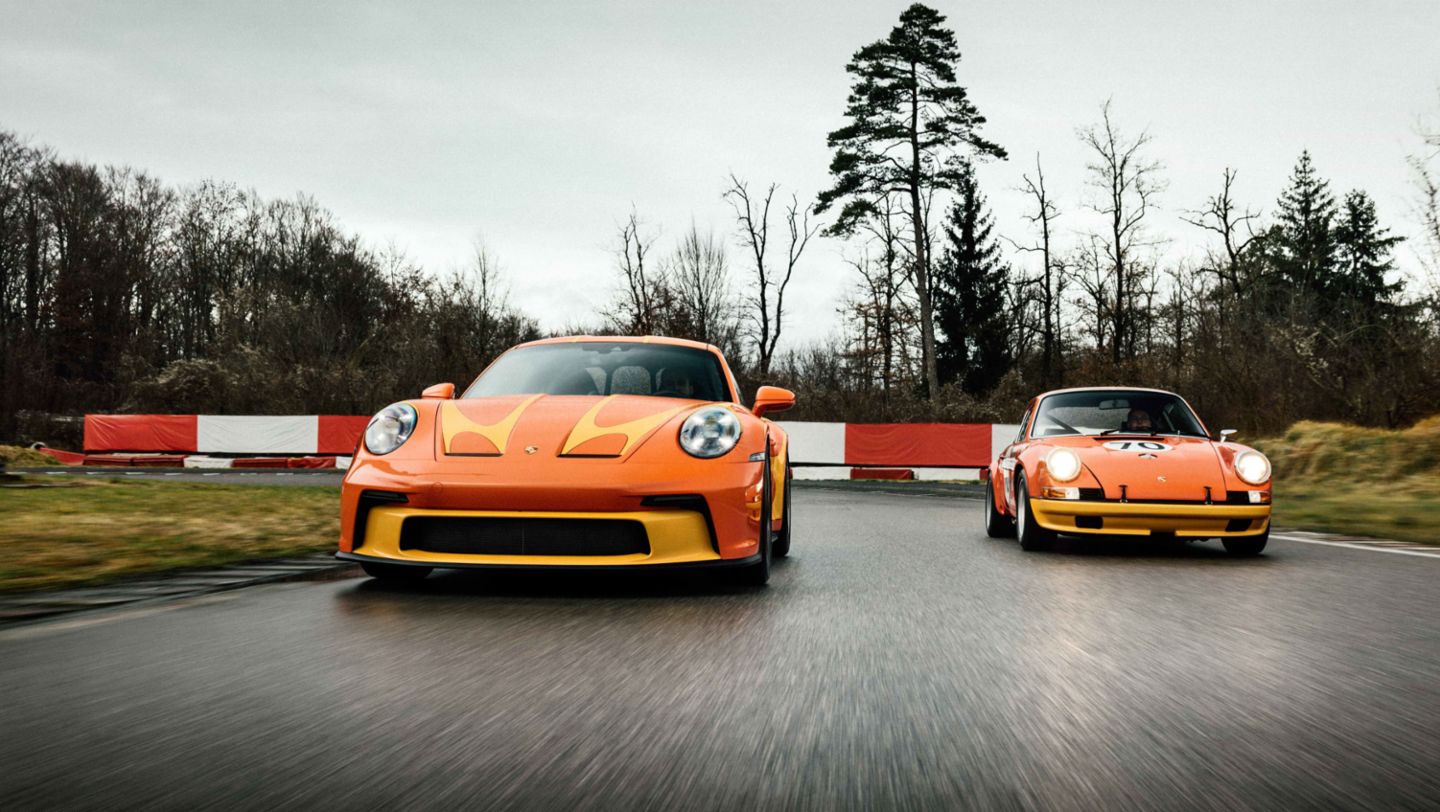
Years later, the same car resurfaced in Switzerland, tucked away in a private collection. After a full restoration, it sparked something far more ambitious. Through Porsche’s Sonderwunsch programme, its owner commissioned a modern interpretation of the 911 S/T that channels the original character without simply recreating it. The idea was straightforward. Capture the essence, but reimagine it for today.
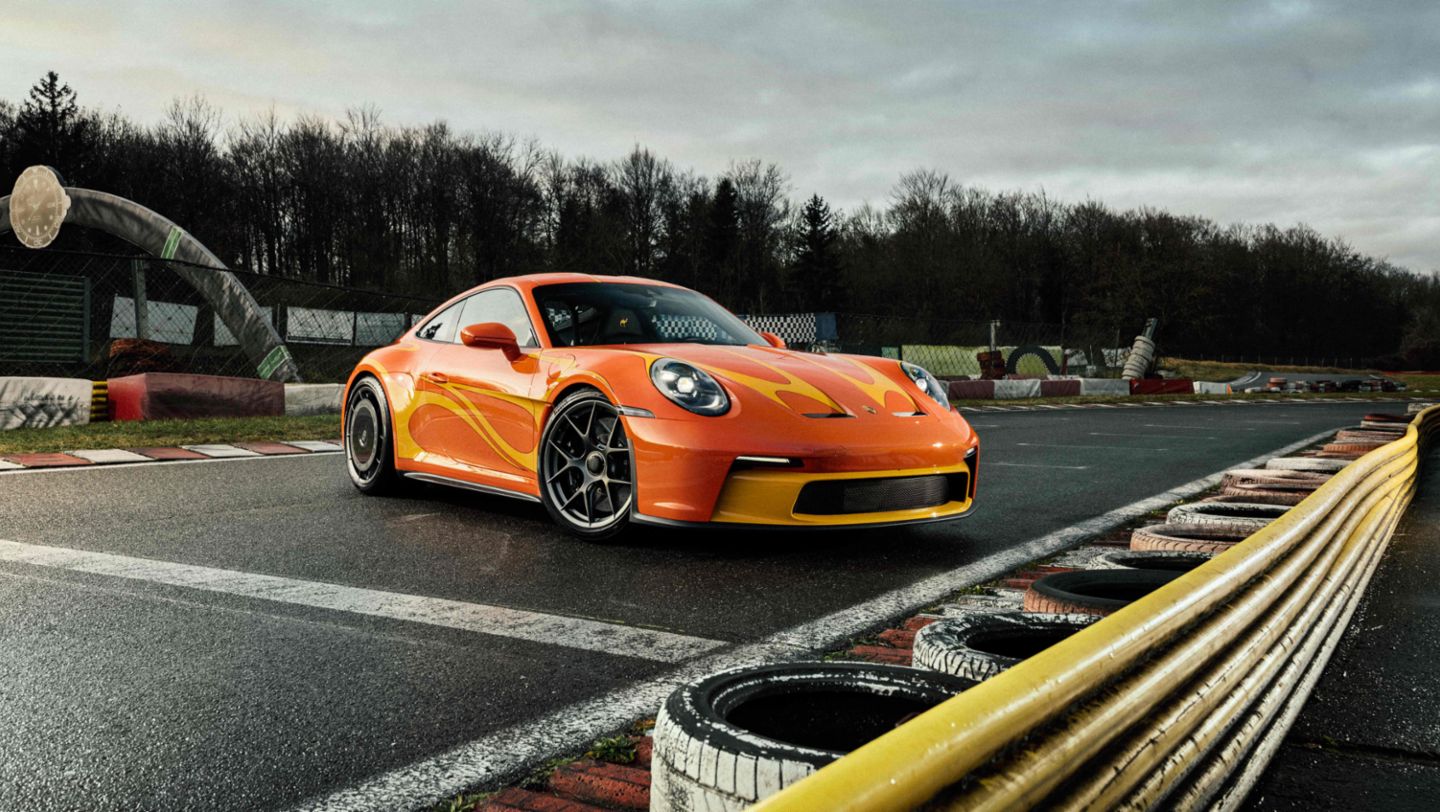
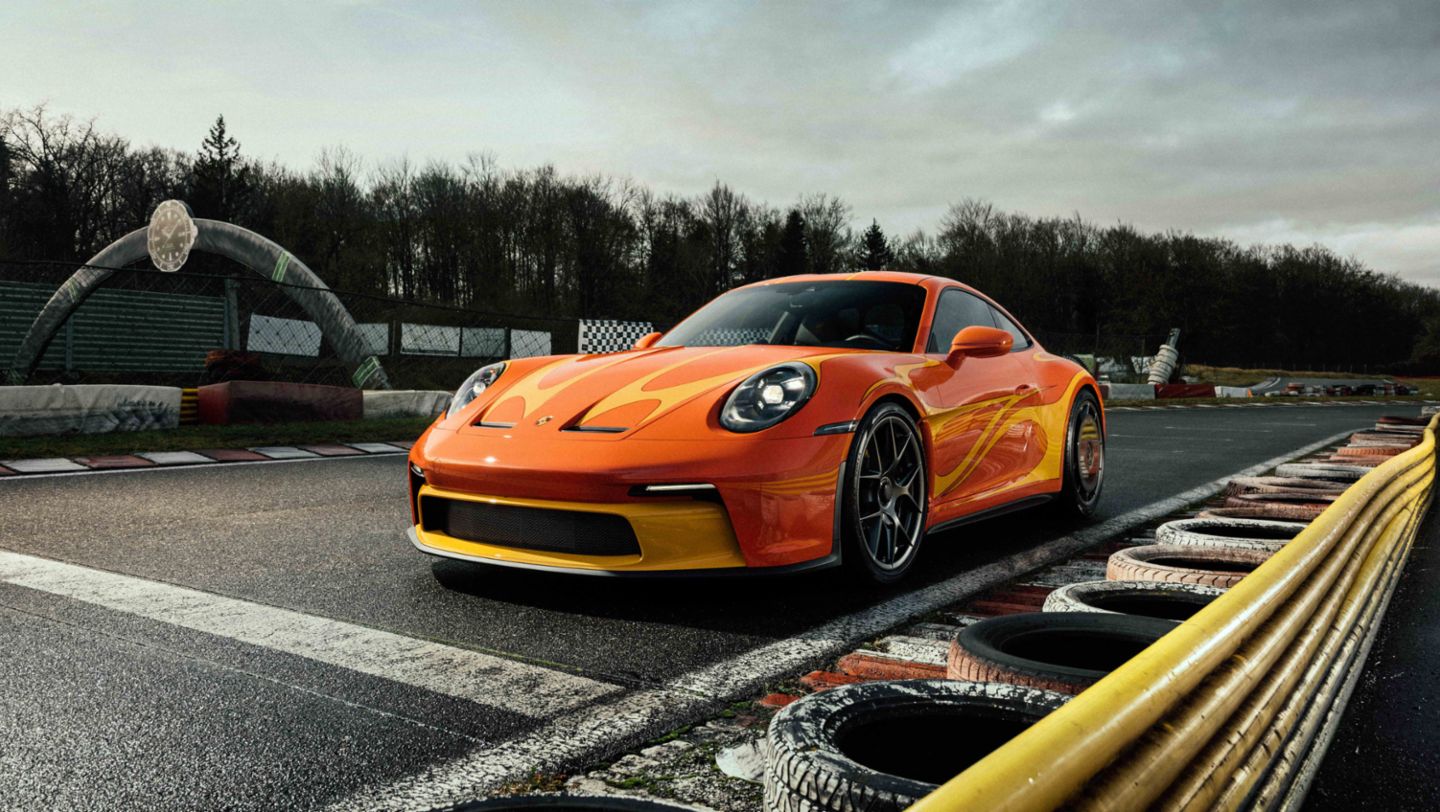
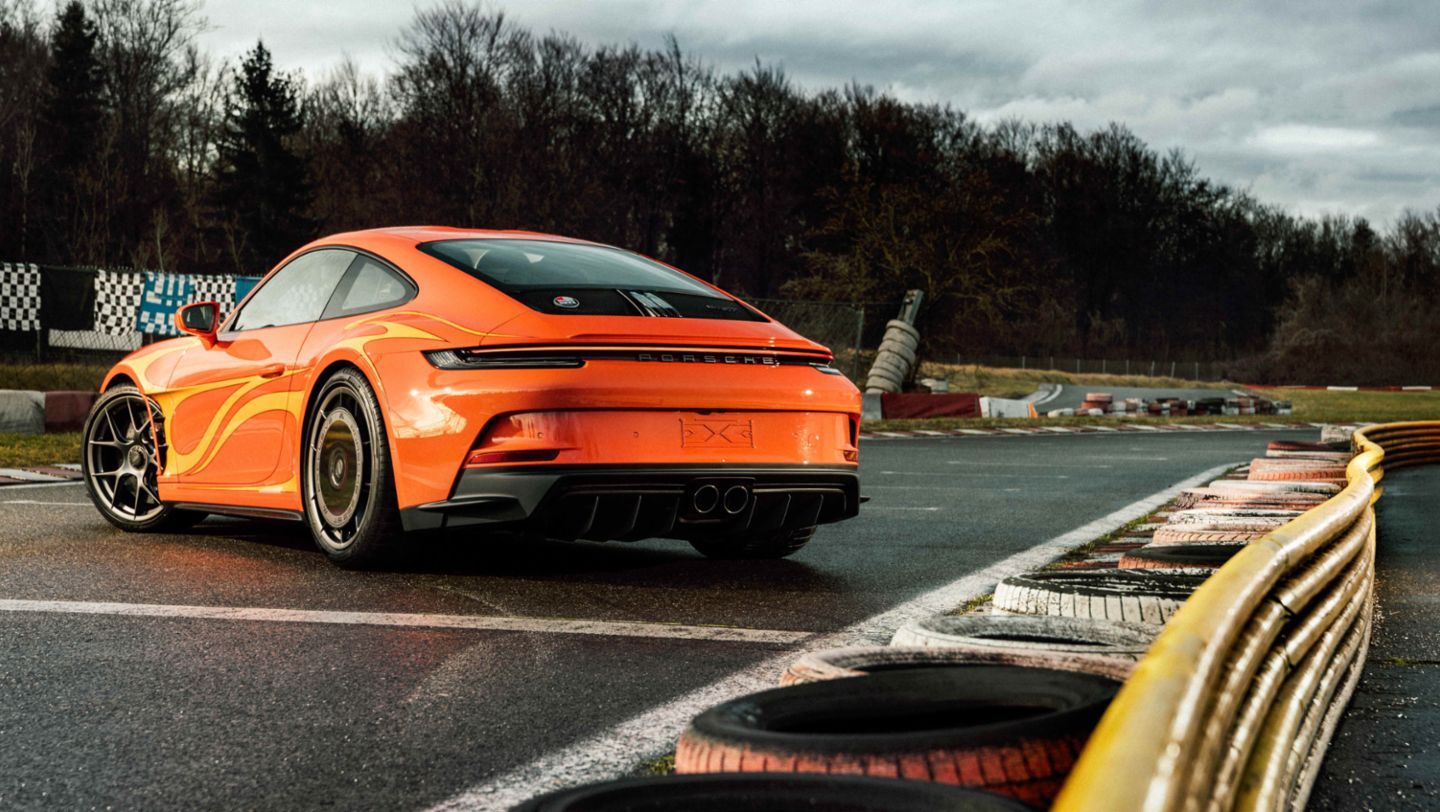
Design direction came from Grant Larson, who steered things away from a straight retro clone. Rather than replicating old sponsor liveries, he developed a layered paint finish. Phoenix Red leads the look, while Signal Yellow is used sparingly, most noticeably across the front bumper. The finish is applied by hand, blending tones in a way that references the past without leaning too heavily on nostalgia. It feels considered, not forced.
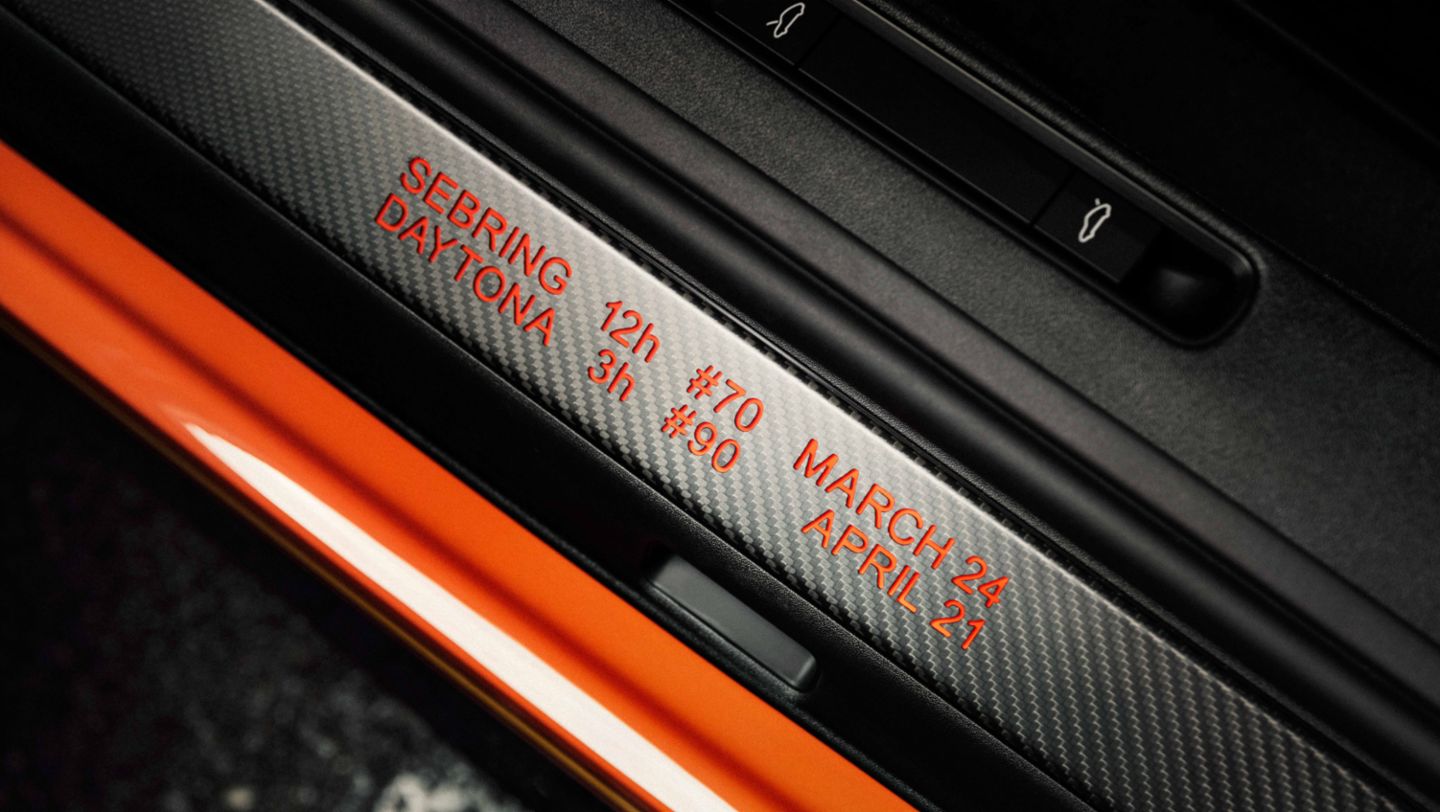
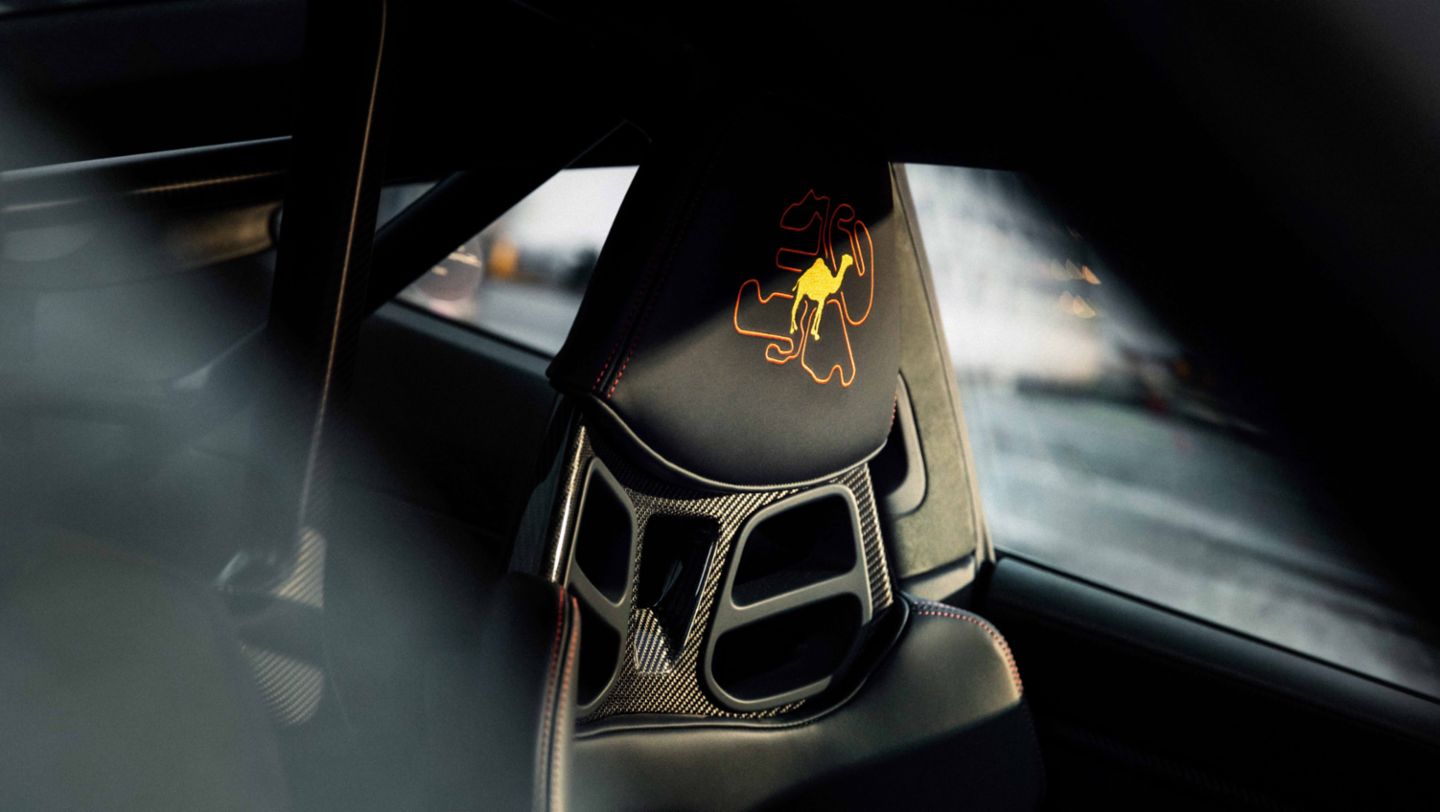
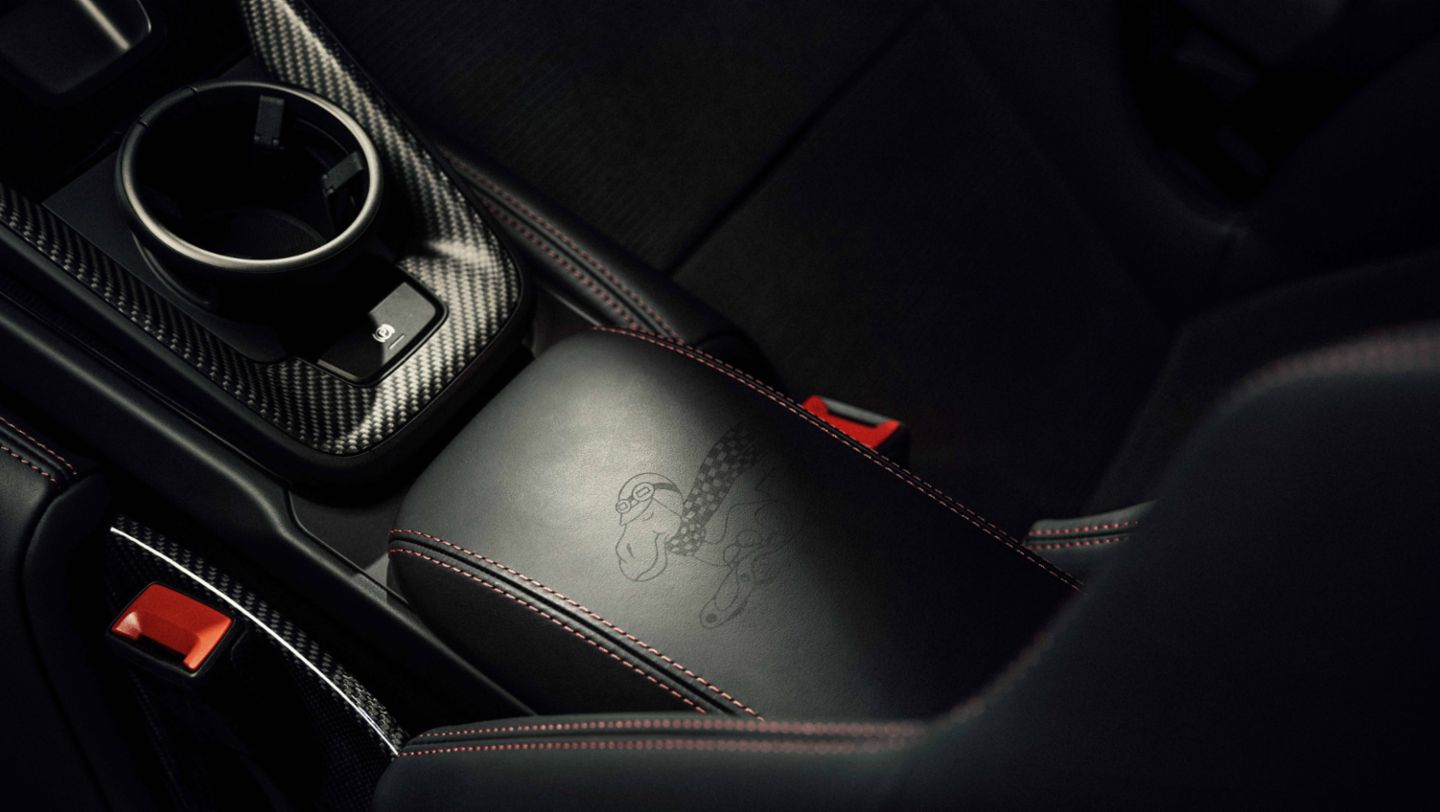
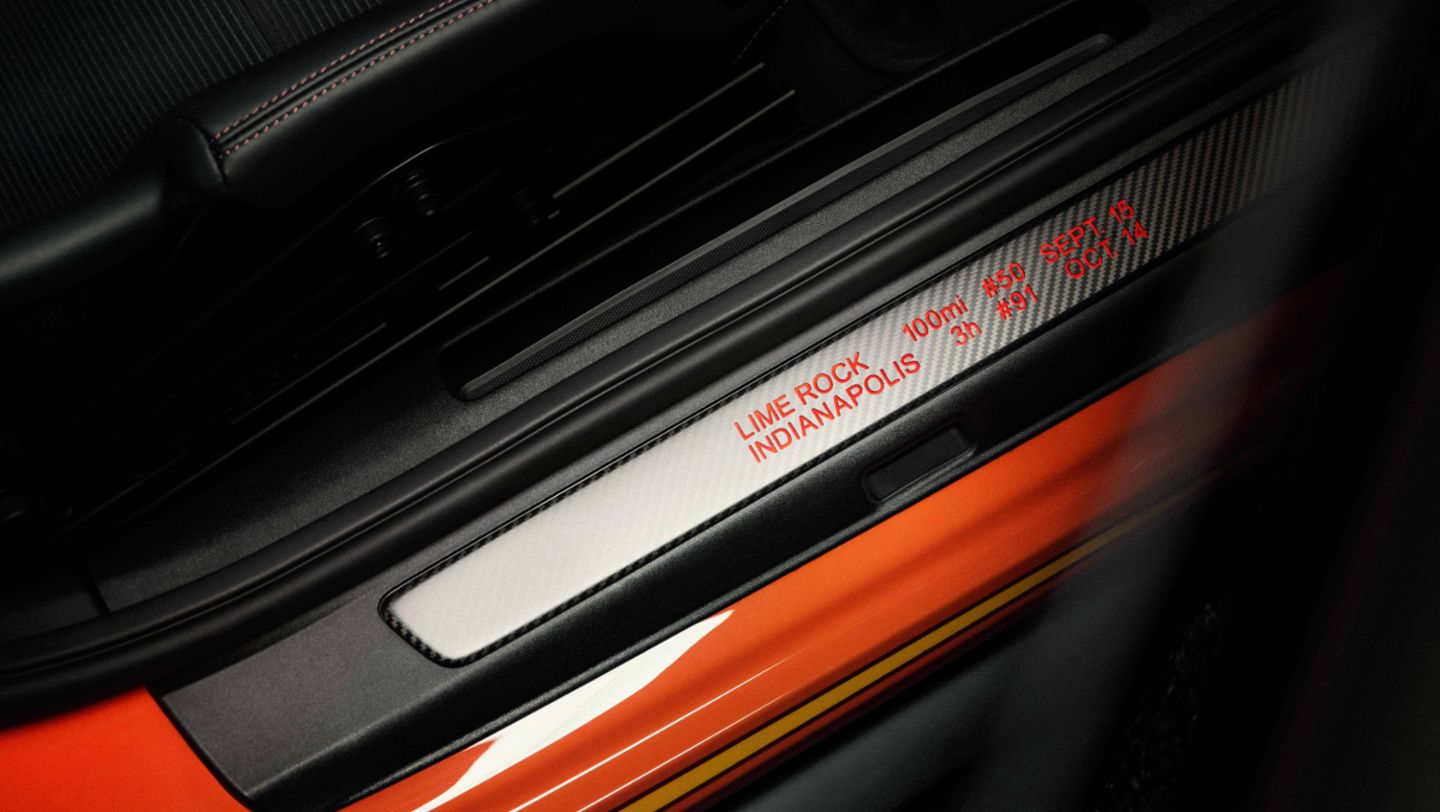
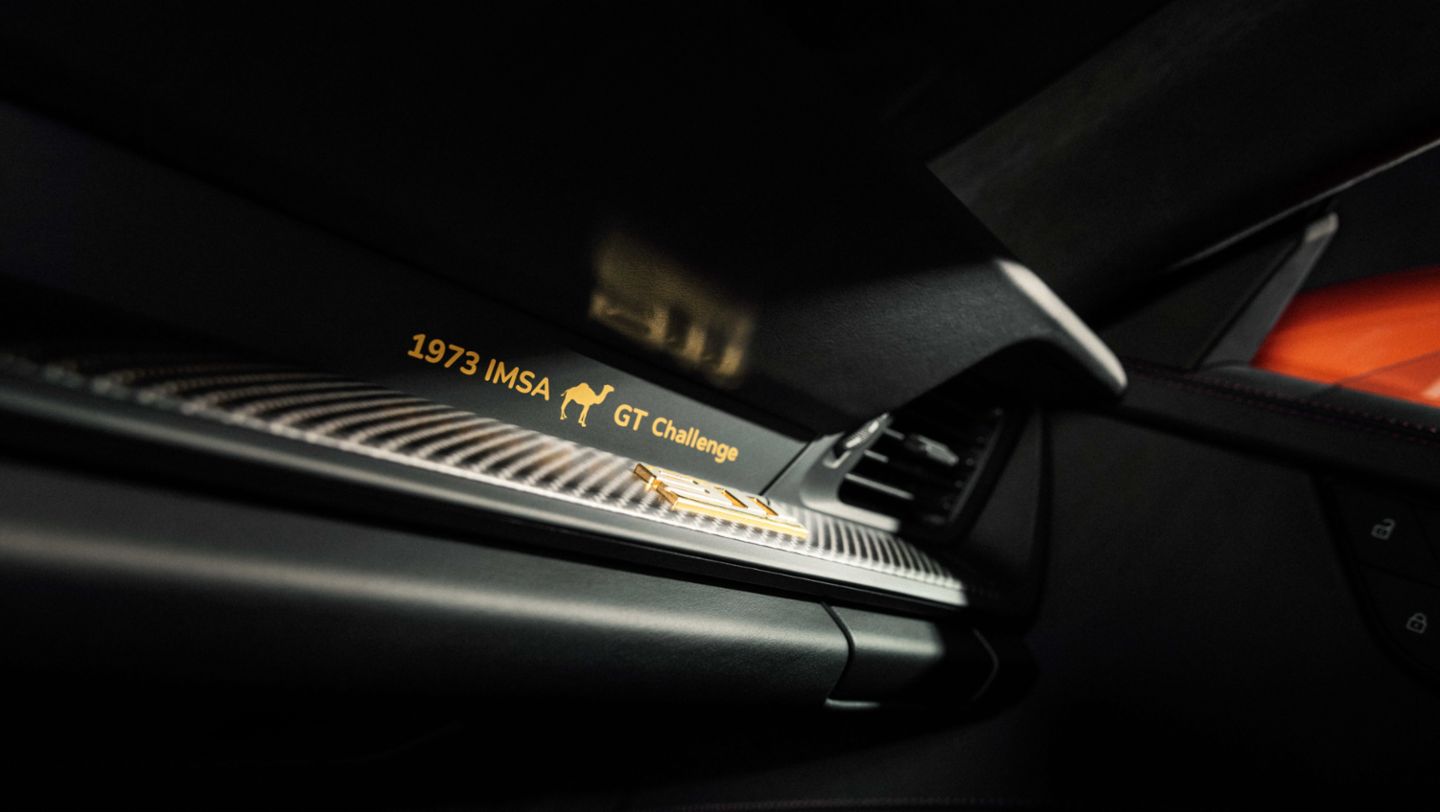
Spend more time with the car and the subtle details begin to surface. There are quiet nods to the Camel GT Challenge, handled with restraint. While tobacco branding is no longer acceptable, the camel motif appears in understated ways, stitched into the headrests, etched into trim elements and even projected onto the ground when the doors open. Inside, outlines of circuits like Sebring, Daytona, Indianapolis and Lime Rock are worked into the design, tying everything back to its racing roots.
There is also a deliberate callback to the original car’s asymmetrical stance. At the rear, Manthey Racing aerodiscs inspired by the GT3 RS can be fitted, though they can be removed for road use. It keeps the car usable while maintaining that visual connection to its heritage. Like all Sonderwunsch builds, the real story lies in the execution. Every surface, every material and every finish meets production-level standards. This is more than a tribute. It shows how Porsche can reinterpret its past in a way that still feels relevant today.