Two decades after production of the Porsche Carrera GT came to an end, the V10-powered supercar continues to command enormous respect among enthusiasts and collectors alike. Its recent return to the spotlight, thanks to an impressive Nürburgring lap time improvement achieved without any major mechanical development, serves as a reminder of just how special the analogue masterpiece remains.
Given the Carrera GT’s status and soaring market value, most owners would never consider altering one. However, a new coachbuilt creation known as the JC9 has done exactly that, sparking debate throughout the automotive world.
A Unique Creation From Jason Castriota
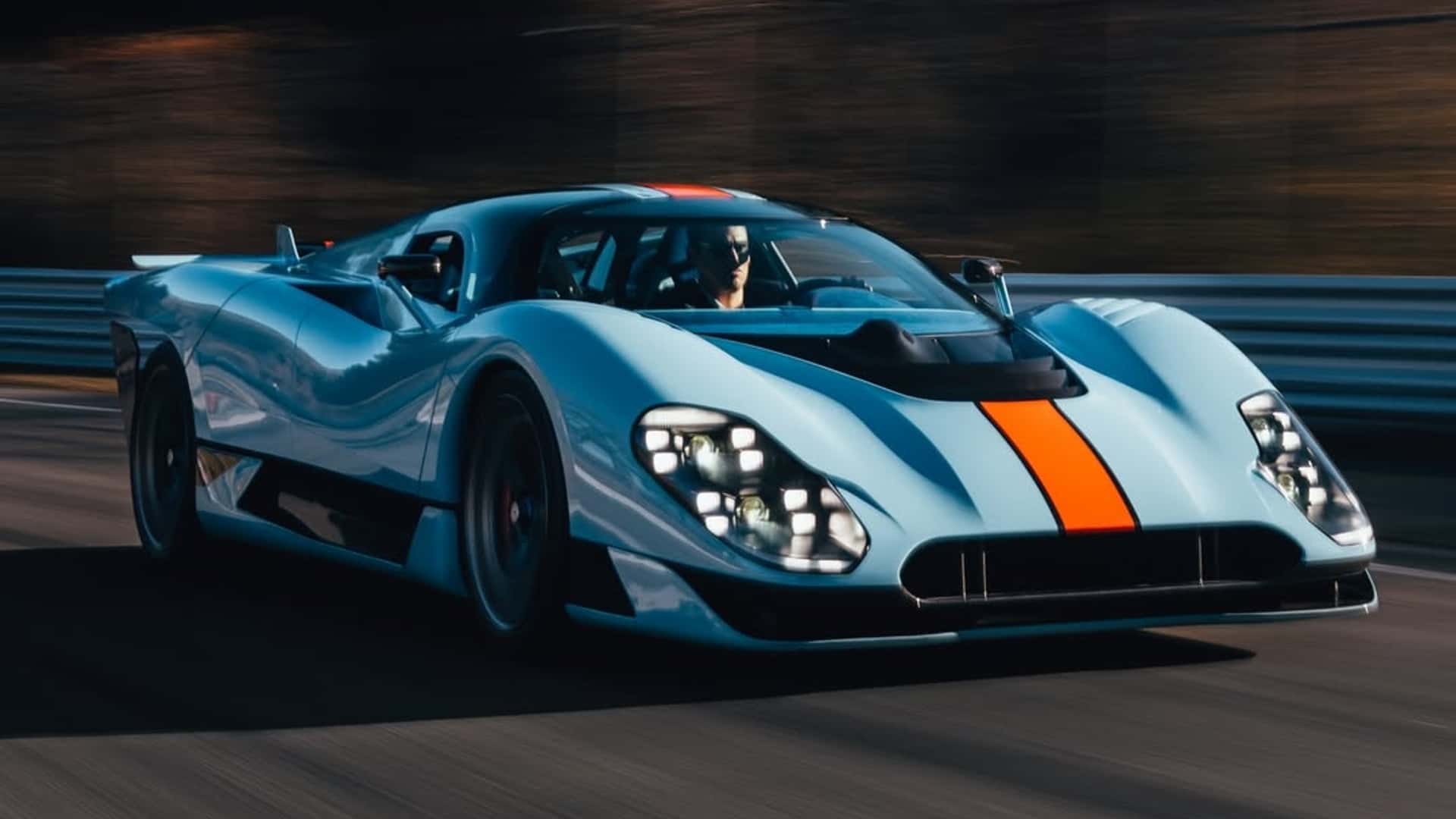
The JC9 is a bespoke one-off project designed by renowned automotive designer Jason Castriota in partnership with Connecticut-based Miller Motorcars.
Castriota is no stranger to ambitious coachbuilt projects. His portfolio includes the celebrated Ferrari Enzo-based P4/5, a vehicle that successfully blended modern engineering with classic racing-inspired design. The JC9 follows a similar philosophy, taking inspiration from Porsche’s rich motorsport heritage while creating something entirely new.
Unlike many tribute builds that simply add styling cues to an existing platform, the JC9 appears to be a comprehensive reimagining of one of Porsche’s most revered supercars.
Built Around Carrera GT Foundations?
Details surrounding the construction of the JC9 remain limited, but information released through social media suggests the car is “fully constructed out of carbon fibre and based on the Porsche Carrera GT.”
That wording leaves room for interpretation. It is unclear whether an original Carrera GT was used as the donor vehicle or whether the project utilises a separate chassis combined with Carrera GT mechanical components.
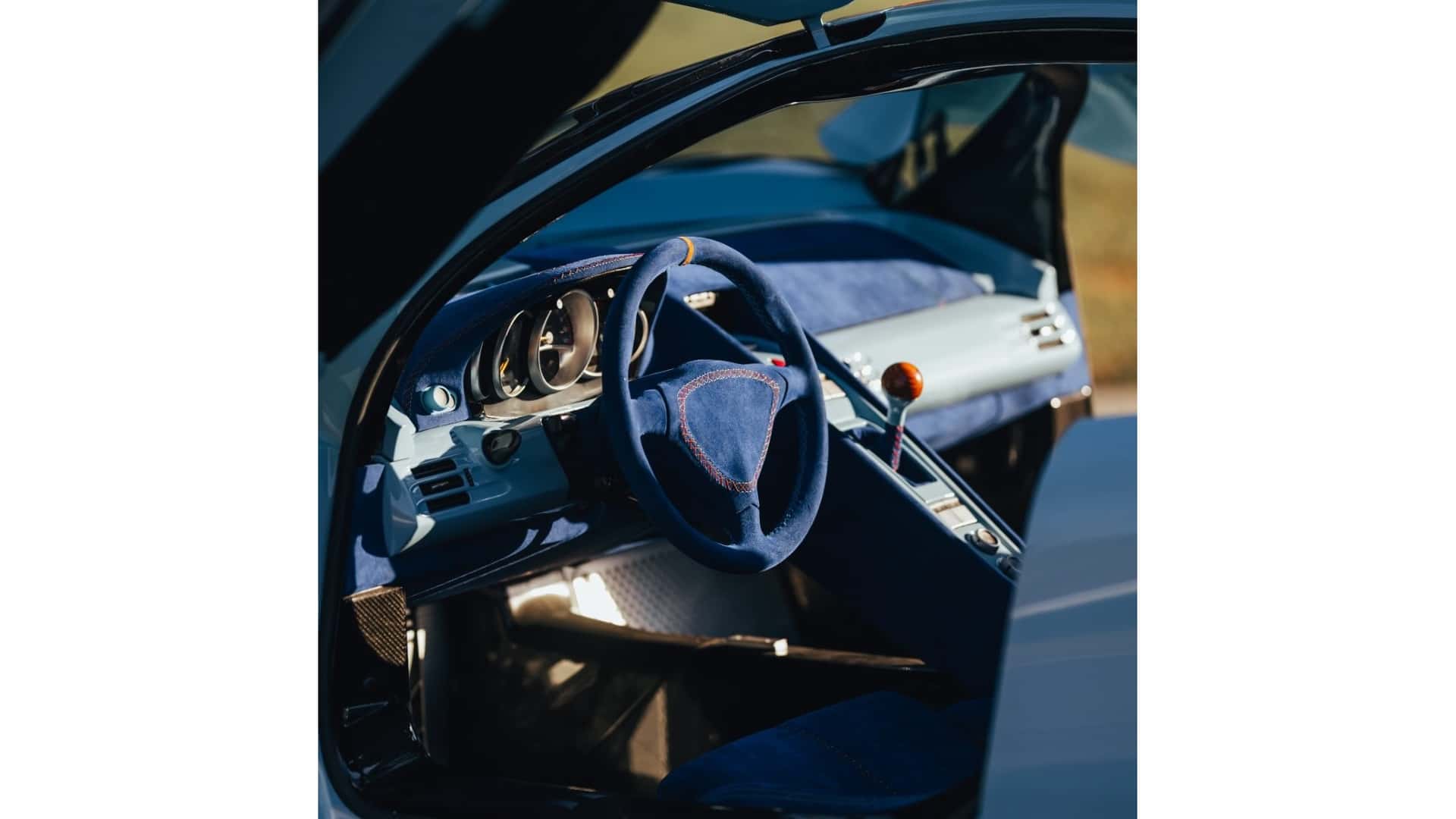
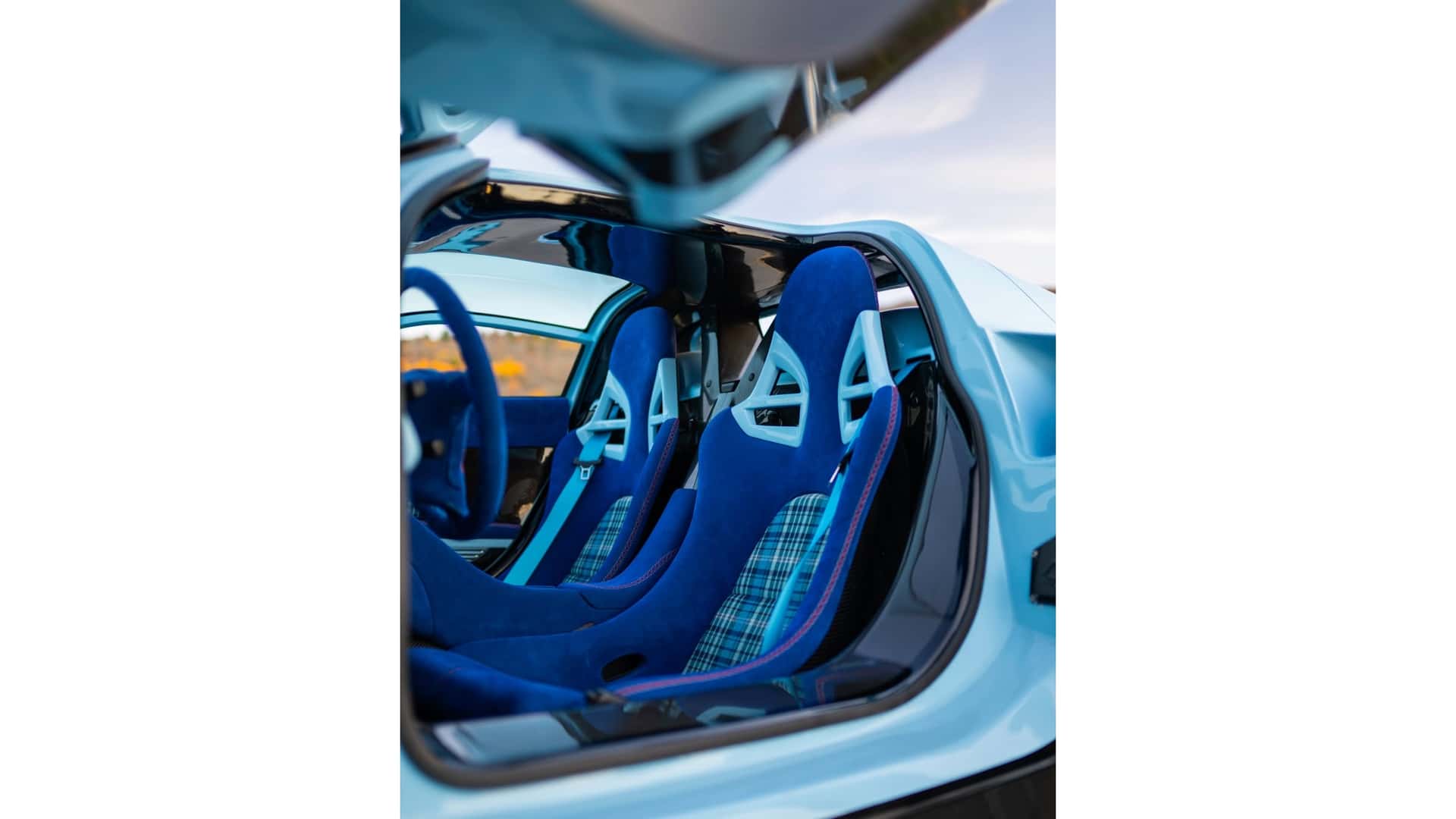
Photographs released alongside the announcement reveal several unmistakable Carrera GT elements inside the cabin. These include the iconic gauge cluster and the distinctive balsa wood gear shifter, both hallmarks of the original supercar.
The presence of these components has fuelled speculation that a genuine Carrera GT may have contributed significantly to the project’s creation.
Inspired By Porsche’s Greatest Racing Icon
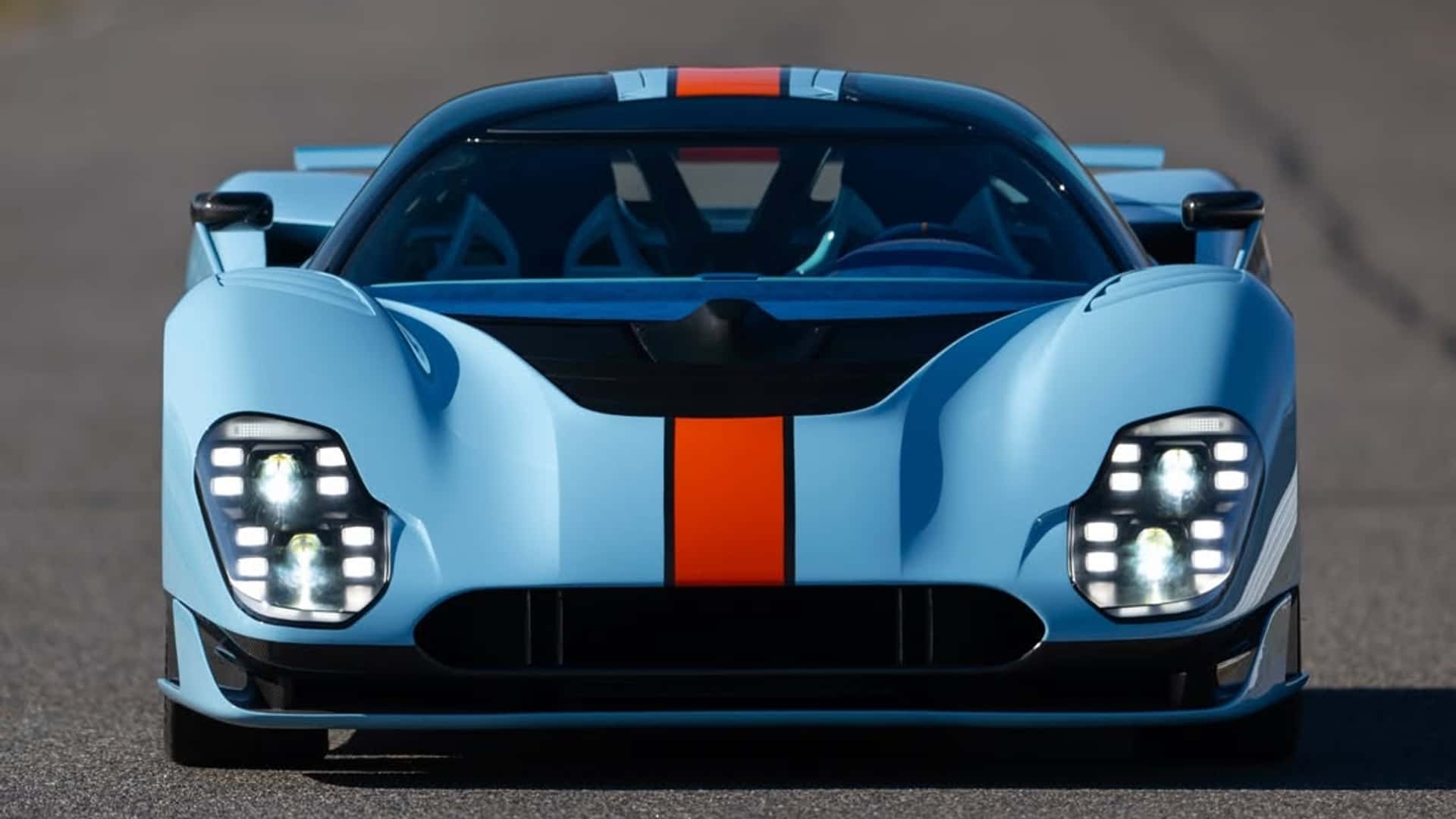
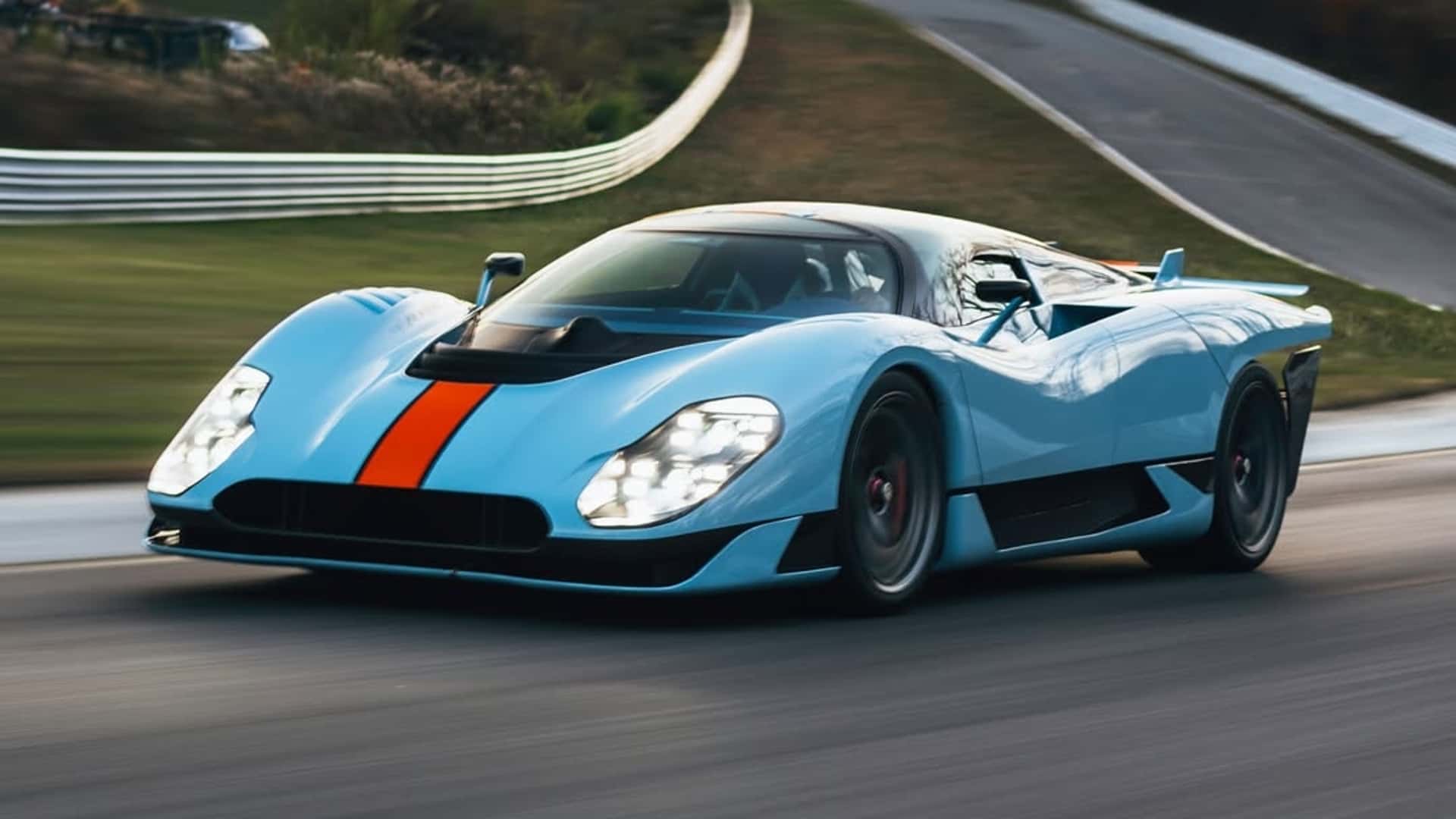
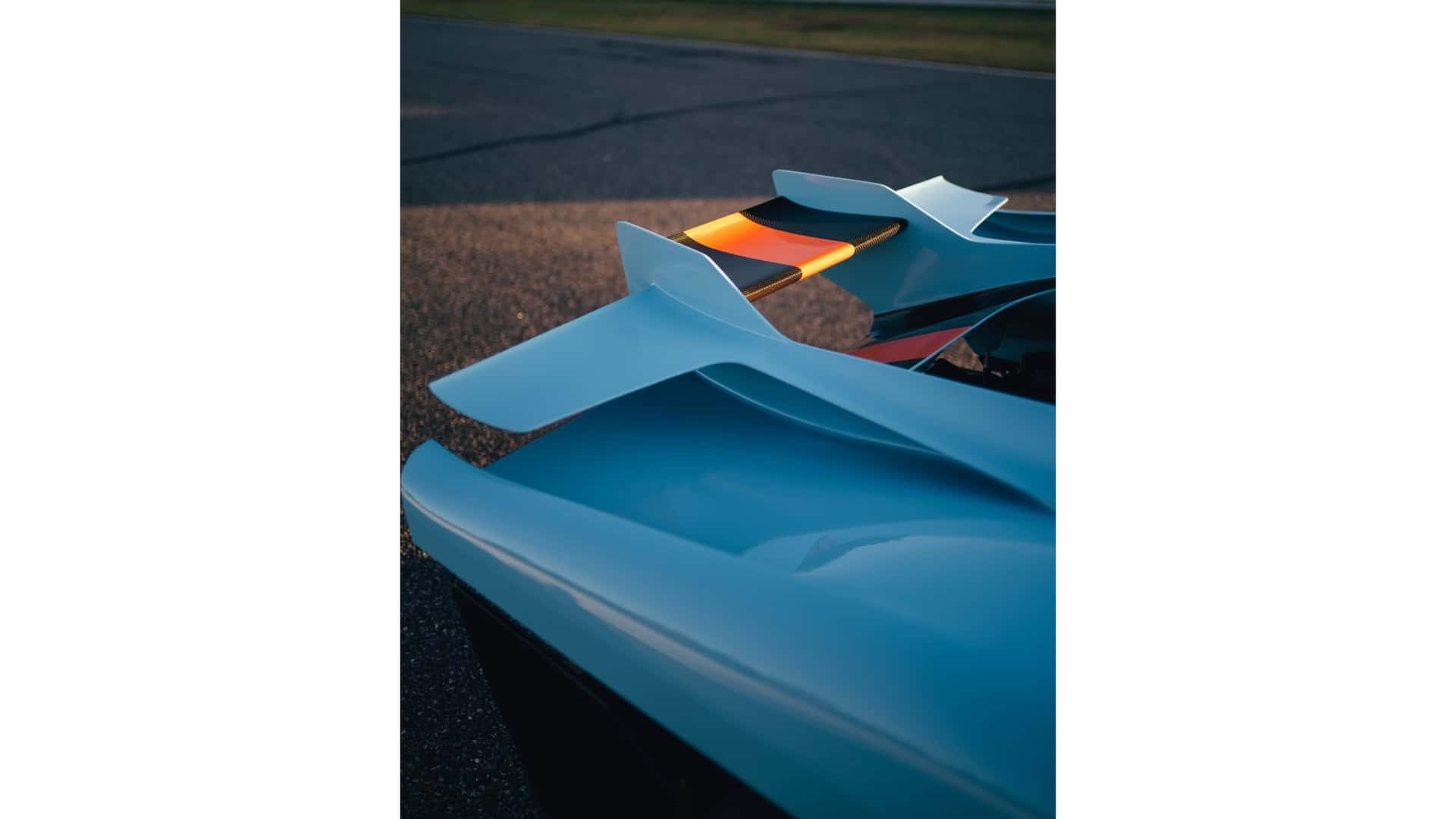
Regardless of the exact origins of its underpinnings, the JC9’s exterior design is impossible to mistake.
The shape draws heavily from Porsche’s legendary endurance racing programme, most notably the short-tail Porsche 917K that achieved outright victories at the 24 Hours of Le Mans in both 1970 and 1971.
The low-slung proportions, flowing bodywork and race-inspired details create a dramatic interpretation of one of motorsport’s most celebrated machines. Rather than simply replicating the 917K, the JC9 blends classic influences with contemporary surfacing and modern coachbuilding techniques.
The result is a vehicle that feels both nostalgic and fresh at the same time.
A Controversial Yet Fascinating Tribute
Projects like the JC9 inevitably divide opinion.
For some collectors, modifying or repurposing a car as historically significant as the Carrera GT borders on sacrilege. With original examples regularly commanding multi-million-dollar values, preserving them in factory specification is often seen as the only acceptable route.
Others view the JC9 as an exciting expression of automotive artistry, continuing the long tradition of coachbuilt specials that transform existing platforms into unique rolling sculptures.
Whichever side of the debate you fall on, there is no denying that the JC9 stands out as one of the most intriguing Porsche-based creations unveiled in recent years.