
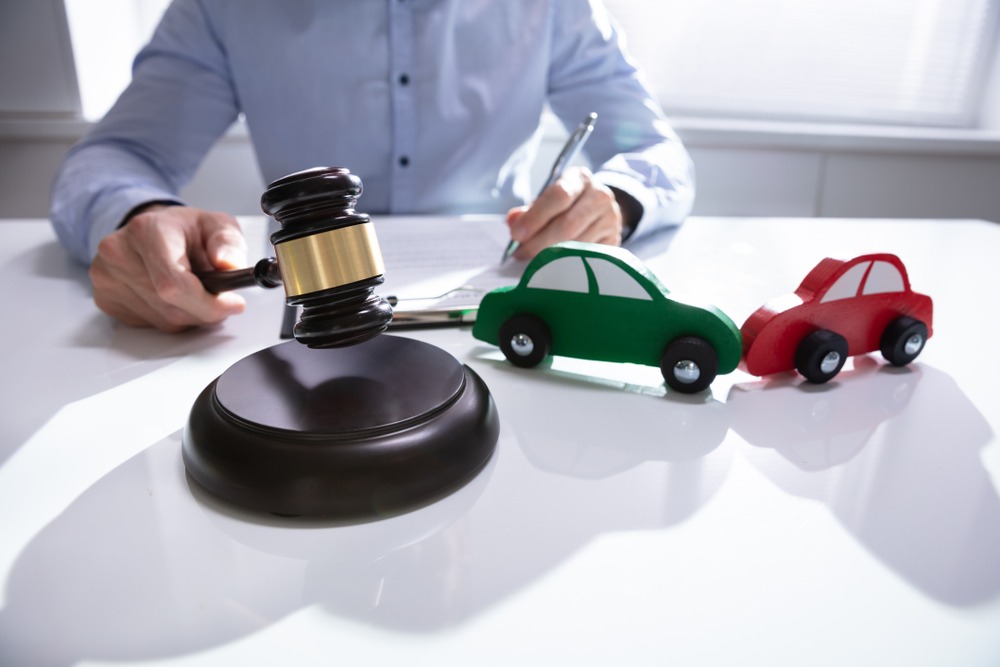
A driver involved in a crash on a Fort Worth road may be blamed simply because their vehicle struck another car. However, the events leading up to the collision may tell a different story. Another motorist might have changed lanes without warning, ignored a traffic signal, or failed to yield. The damage alone does not always reveal who caused the crash or whether several drivers contributed to it.
A car accident lawyer in Fort Worth, TX may help injured drivers understand how fault is assessed and what details may support their account. Examining driver behavior, witness statements, and the circumstances surrounding the collision can help clarify responsibility and explain the options available after a crash.
What Makes a Driver Responsible for a Crash?
Fault often depends on whether a driver failed to act with reasonable care or broke a traffic law. Drivers must pay attention, follow traffic signals, maintain safe distances, and respond to changing road conditions. Ignoring these duties can put other road users at risk.
Common actions that may contribute to a crash include:
- Speeding: Driving too fast can make it harder to stop or avoid another vehicle.
- Distracted driving: Looking at a phone, eating, or adjusting controls can take attention away from the road.
- Following too closely: A driver may not have enough time to stop if the vehicle ahead slows down.
- Failure to yield: Ignoring another driver’s right of way can cause dangerous collisions.
- Unsafe turns: Turning without checking for approaching vehicles can lead to a crash.
More than one driver may contribute to a collision. Therefore, responsibility should be based on the circumstances rather than assumptions about who was involved.
How the Type of Collision Can Affect Fault
The way a car crash happens can offer useful clues about driver behavior. However, the type of collision alone does not always establish who is responsible.
Rear-end crashes: A driver who follows too closely may hit the vehicle ahead after it slows down. However, the reason for the sudden stop and the actions of both drivers may also matter.
Intersection collisions: These crashes may involve running a red light, failing to yield, or making an unsafe turn. Traffic signals, witness accounts, and camera footage may help clarify which driver had the right of way.
Lane-change accidents: Drivers should check their mirrors and blind spots before moving between lanes. A sudden lane change or failure to notice nearby traffic may contribute to a collision.
Multi-vehicle crashes: A chain reaction can involve several drivers. One vehicle may start the collision, while another driver’s actions may make the crash worse. Each person’s role may need to be considered separately.
These examples show why investigators must look beyond the damage to understand how a crash occurred.
What Details Can Help Establish Who Was at Fault?
Drivers may remember the same collision differently, especially if it happened quickly. Reliable information can help clarify conflicting accounts and provide a clearer picture of what took place.
Useful sources may include:
- Police reports: These may describe the crash location, statements from drivers, and the responding officer’s observations.
- Photographs: Pictures of vehicle damage, road marks, traffic signs, and the surrounding area may help explain how the collision happened.
- Camera footage: Dashcams and available traffic cameras may show vehicle movements before the crash.
- Witness statements: People who saw the collision may provide details that the drivers missed.
- Vehicle damage: The location and pattern of damage may help explain how the vehicles came into contact.
It is helpful to keep copies of relevant documents, photographs, and insurance communications. Drivers should also write down what they remember while the details remain clear. They should avoid guessing about facts they cannot confirm.
When Can Legal Guidance Help With a Fault Dispute?
Some car crashes have clear causes, but others involve conflicting statements, several vehicles, or limited information. Insurance companies may reach different conclusions about responsibility, which can make a claim harder to resolve.
A car accident lawyer in Fort Worth, TX may review the available information, identify unanswered questions, and communicate with insurance companies on an injured person’s behalf. This support can be useful if a driver is blamed for a collision they believe was someone else’s fault.
Legal guidance may also help explain what information is needed, what losses may be included in a claim, and what options are available if an insurer disputes responsibility. Keeping organized records and being careful about statements made to insurers can help a person handle the process more confidently.
Let the Facts Determine Who Is at Fault
Blaming a driver does not prove that they caused a crash. The actions of everyone involved, the road conditions, and the details surrounding the collision all matter when determining responsibility. For drivers in Fort Worth, understanding these factors can help clear up confusion and prevent early assumptions about who caused the accident. Police reports, witness statements, photographs, and camera footage may help explain how the collision occurred and whether more than one driver contributed to it.
If an insurance company disputes your account or unfairly assigns you blame, do not assume you have no options. Consider speaking with a lawyer about your situation. Getting clear guidance can help you understand how fault may affect your claim and decide what steps to take next.