
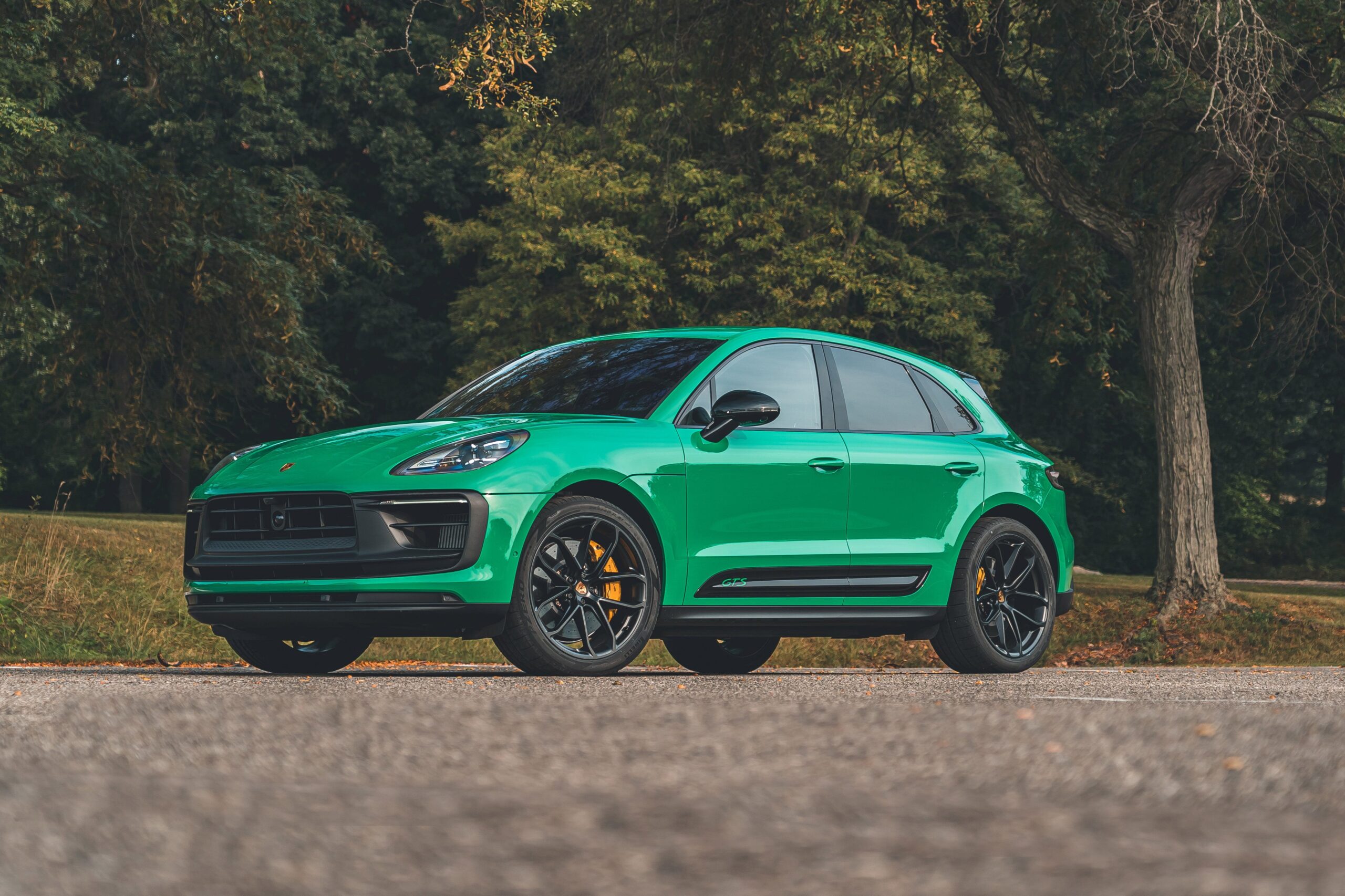
Porsche is set to end production of the combustion engined Macan at the close of July, closing the book on one of its most important models a full two years before a new petrol successor is ready to take its place.
The decision comes after Porsche admitted it badly misjudged how quickly buyers would move away from petrol power and into the all electric Macan. Speaking to Germany’s Frankfurter Allgemeine Zeitung earlier this year, Volkswagen Group CEO Oliver Blume conceded that Porsche “got it wrong” on the Macan, explaining that product planning had been built around market assumptions that simply did not hold up.
The Numbers Tell the Real Story
Global sales figures from the first half of 2026 show exactly how far off those assumptions were. Porsche delivered 35,315 Macans worldwide between January and June, with 19,695 of those being petrol models against 15,620 electric units.
When the Macan Electric was first planned, Porsche assumed it would simply take over from the combustion model with minimal disruption. That has not played out. Slower than expected EV uptake in several major markets has forced Porsche to rethink its approach entirely.
The outcome is an awkward one. A nameplate that has been central to Porsche’s growth for well over a decade is being pulled from production before its true replacement is even finished.
Why the Macan Matters So Much to Porsche
Since launching in 2014, the Macan has been one of the pillars of Porsche’s commercial success. Alongside its bigger sibling, the Cayenne, it reshaped the brand’s sales figures and profit margins, becoming a favourite in Europe, North America and China. Even a temporary gap in the range leaves Porsche exposed at a time when appetite for premium petrol SUVs is still strong.
A Staged Exit From the Market
The retreat from combustion power has not happened overnight. Porsche first pulled the petrol Macan from sale across the EU after choosing not to bring the now ageing platform up to date with the incoming General Safety Regulations, known as GSR2.
Meeting the cybersecurity requirements alone would have meant an extensive overhaul of the car’s electronic architecture, along with other costly changes. Porsche decided that investment simply was not worth it for a model already nearing the end of its life cycle.
The production halt at the end of July effectively closes the door on the petrol Macan everywhere else in the world too.
Buyers Won’t Be Left Empty Handed Just Yet
To soften the blow, Porsche has been building up additional stock of the outgoing petrol Macan. That reserve is expected to keep the model available well into 2027 in key regions, most notably the United States, its biggest market globally. It is a stopgap measure, but one designed to bridge the awkward window until the new combustion Macan, closely related to the next generation Audi Q5 and known internally by the codename M1, finally arrives.