
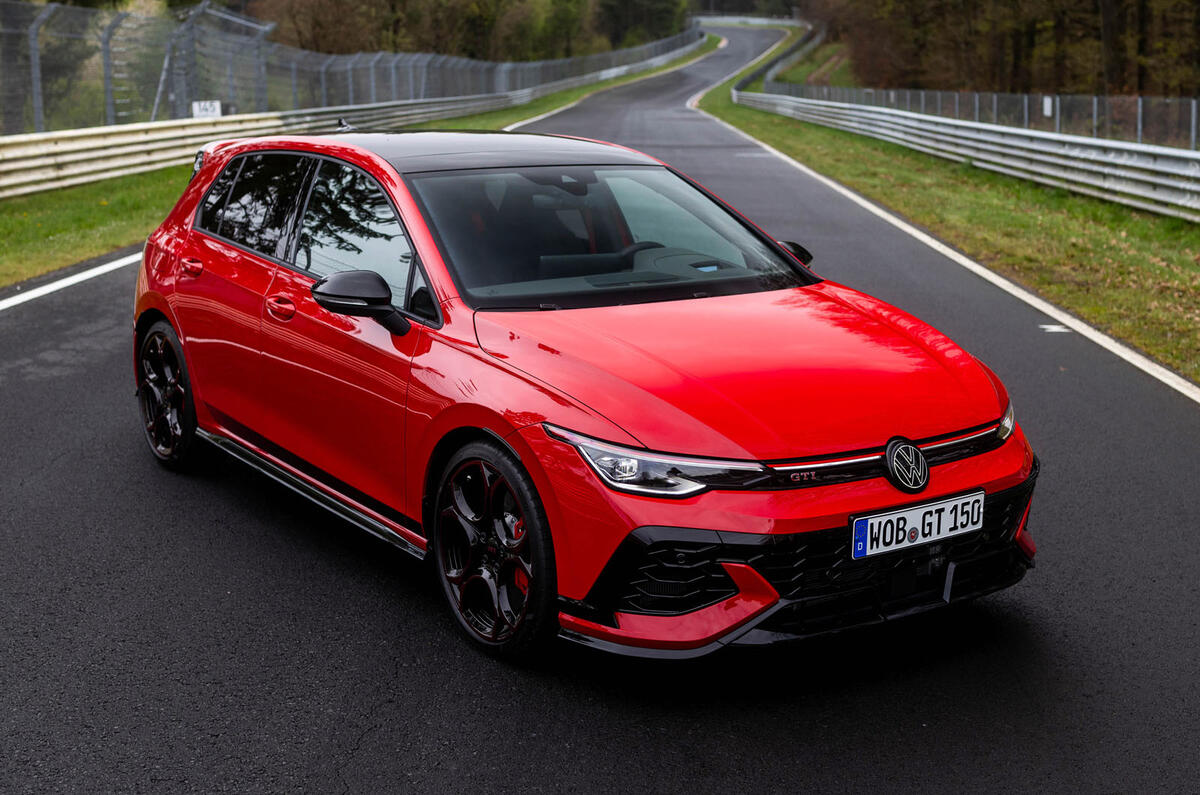
Volkswagen is far from ready to pull the plug on its petrol-powered performance heroes. Despite the automotive industry’s relentless march toward full electrification, Wolfsburg has confirmed a substantial investment programme to keep the legendary EA888 2.0-litre turbocharged four-cylinder alive and kicking well into the next decade. Engineers are currently burning the midnight oil adapting this tried-and-tested powertrain for stringent Euro 7 emissions regulations that come into force in November 2026, ensuring that combustion and battery technologies will coexist within the GTI family through 2030 and likely beyond.
Sebastian Willmann, the man overseeing chassis development and driving dynamics at Volkswagen, extinguished any rumours of impending doom with an emphatic “No!” when asked whether the current eighth-generation Golf would mark the end of the line for petrol-fuelled GTIs. While the respected EA888 requires significant re-engineering to satisfy upcoming environmental standards, Willmann made it abundantly clear that this engine architecture remains integral to the brand’s future hot-hatch strategy rather than heading for the history books.
In conversation with Auto Express, he revealed that the development team is already bringing the powertrain up to Euro 7 compliance, though specific technical modifications remain closely guarded secrets. These changes will inevitably trickle down throughout the broader VW Group portfolio, affecting smaller petrol engines and oil-burning options across the range.
The flagship R division hasn’t been condemned to the chopping block either. Willmann alluded to promising developments for the range-topping models, noting that the current Golf R’s 329 hp (245 kW) output represents merely a starting point with “some room for improvement” still on the table.
“In VW we must deliver on all aspects,” he elaborated. “We need efficient cars, we need performance cars – like the Golf R or the GTI – and we need some cheaper cars and cars which are positioned higher. The big volume [segment] is profiting from all these aspects – like the Golf always did.”
This renewed commitment to internal combustion won’t come at the expense of the company’s electric ambitions, however. The ID. sub-brand continues to accelerate its performance offerings, with the new ID. Polo GTI primed to open the chapter on VW’s battery-powered hot hatch story. Packing 228 hp (170 kW) and sending power solely to the front axle, this electric supermini will break cover alongside the standard ID. Polo later this year.
Further up the food chain, the ID.3 is preparing for a comprehensive facelift that will spawn the marque’s first-ever rear-wheel-drive GTI variant, fundamentally altering the dynamics that have defined the badge since its 1976 inception.