
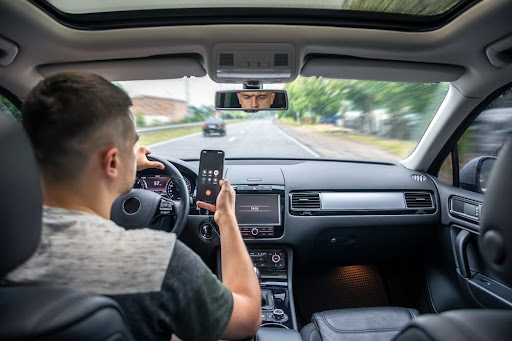
A traffic collision can happen in just a few seconds.
Drivers often face many distractions during a normal trip, and even a brief loss of attention can affect how they respond to changing road conditions. While some crashes appear straightforward at first, investigators often discover that understanding what happened requires a closer look at the moments leading up to the collision. Determining whether a distraction contributed to the event may involve reviewing multiple sources of evidence.
In many cases, accidents caused by driver distraction become more complex than expected because investigators must piece together information from several different sources to understand the full story.
The Difference Between a Simple Crash and a Complex Investigation
At first glance, some collisions seem easy to understand. Two vehicles collide, damage is visible, and witnesses may have observed the event.
However, questions often arise about why the crash occurred in the first place. Understanding the cause of an accident requires more than examining the damage. Investigators frequently look at driver behavior, vehicle movement, and environmental conditions before impact.
When distraction becomes a possible factor, the investigation often expands beyond the collision itself. The focus shifts to understanding what the driver was doing and whether attention was directed away from the road.
Everyday Actions That Become Part of the Evidence Review
Many distractions involve activities that people perform every day. Actions that seem harmless can become important during an accident investigation if they occurred shortly before a collision.
Examples of Activities Investigators May Review
- Looking at a phone
- Adjusting navigation settings
- Eating or drinking
- Interacting with passengers
- Reaching for objects inside the vehicle
These activities do not automatically cause accidents. However, investigators may review them because they can affect reaction time and awareness of changing traffic conditions.
By examining these behaviors, investigators can better understand what may have occurred before the crash.
Tracing the Driver’s Attention Before the Collision
One of the goals of an accident investigation is to determine where the driver’s attention was focused before impact.
Investigators often build a timeline that reconstructs the events leading up to the collision. This timeline may include vehicle movements, traffic conditions, witness observations, and available electronic information.
Even a few seconds can become important. A brief lapse in attention may help explain why a driver failed to notice slowing traffic, a changing signal, or another vehicle entering the roadway.
Understanding these moments often provides valuable context when evaluating the circumstances surrounding a crash.
When Physical Evidence Tells Only Part of the Story
Physical evidence can reveal important details about a collision. Damage patterns, skid marks, and vehicle positions may help investigators understand how the accident occurred.
However, physical evidence does not always explain why it happened.
For example, vehicle damage may show the angle of impact but not whether the driver was distracted beforehand. Because of this limitation, investigators frequently combine physical evidence with other forms of information.
Looking at multiple sources helps create a more complete understanding of the event rather than relying on a single piece of evidence.
The Growing Importance of Digital Clues
Technology has become an increasingly valuable tool in distracted driving accident investigations. Many vehicles and electronic devices generate information that may help investigators understand driver behavior before a crash.
Sources of Digital Information
- Phone activity records
- Vehicle data systems
- Traffic camera footage
- Dash camera recordings
- Navigation history
These sources may provide information about timing, movement, and device activity. Investigators often compare digital evidence with other findings to determine whether the information supports or challenges existing conclusions.
Digital records can help fill gaps that physical evidence alone may not explain.
Why Witness Accounts Do Not Always Match
Witnesses can offer valuable observations, but different people often remember events differently.
One person may focus on vehicle movement, while another notices driver behavior or traffic conditions. Because collisions happen quickly, witnesses may only observe part of the event.
Investigators understand that differing accounts are common. Rather than relying on one statement, they compare multiple witness observations with physical and digital evidence.
This process helps identify consistent details while also highlighting areas that may require further review.
Separating Distraction From Other Contributing Factors
Driver distraction is only one factor that investigators may consider. Many collisions involve several conditions occurring at the same time.
Road design, traffic flow, weather conditions, vehicle performance, and visibility may all play a role in how an accident develops. Principles related to road safety encourage investigators to evaluate every relevant factor before reaching conclusions.
This broader approach helps ensure that the investigation considers the complete set of circumstances surrounding the collision.
Closing Perspective
Accident investigations often rely on a combination of evidence rather than a single source. Timelines, witness statements, digital information, and physical evidence are frequently reviewed together.
Each source contributes a different piece of the overall picture. Small details that appear unimportant at first may become significant when combined with other findings.
For investigators reviewing accidents caused by driver distraction, understanding the full story often requires careful analysis of many factors. By examining driver behavior, environmental conditions, and available evidence, they can develop a clearer understanding of how a collision occurred and why even small distractions can lead to complex accident investigations.