
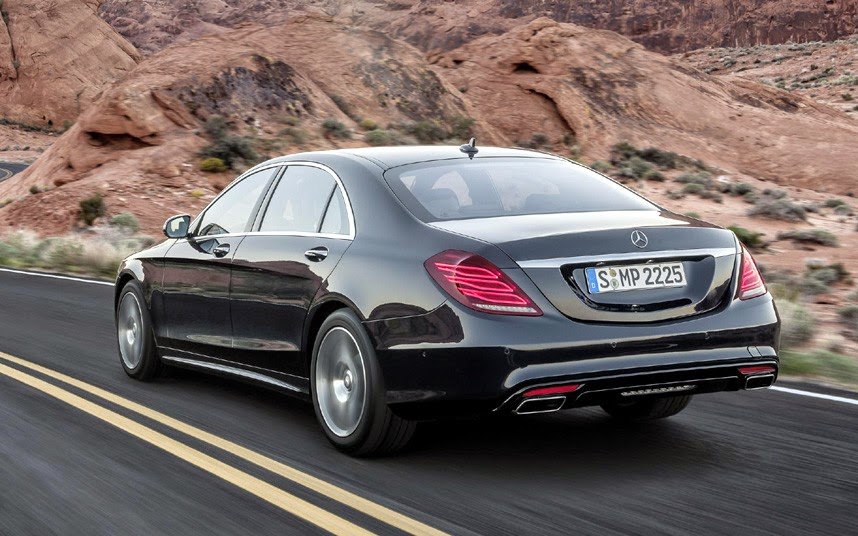
The short answer to the question in the title is: Yes, very – take a study done in America in 2012 by the National Highway Traffic Safety Administration, which found the chances of crashing per 100,000 miles had fallen by 5% in a 2008 model compared to a 2000 model.

And then think how far safety technology will have advanced into 2014 models. When buying a new car, you should always check with your dealer to find out exactly what safety features your new car has, especially if it’s a powerful vehicle or a family car. Here are some of the ways in which manufacturers are keeping drivers and pedestrians safer all the time.
Tyres
A punctured tyre while driving can be extremely hazardous, but it’s not the threat it once was. For example if you’re buying a Ford from an approved dealer such as Jennings Motor Group then they’re almost certainly going to tell you about the handy tyre deflation detection system that has been installed. You’ve got an early-warning detection that flashes a light on your dashboard to alert you to the problem immediately, plus run flat tyres which allow you to travel a comfortable distance at 50mph, giving you plenty of time to pull over. That instrument panel will also allow you to check the pressure in individual tyres so if something doesn’t feel right you can investigate. Pretty nifty.
Brakes
2014 model Ford Focuses also come with Anti-Lock Braking Systems which are state-of-the-art; they pump the brake several times if the car senses that wheels are locking up. Another manufacturer that has always been associated with safety is Volvo, which features autonomous braking, so the car will automatically come to a stop if it senses an accident is likely.
Steering
Nissan is pioneering a steer-by-wire system that comes with numerous advantages. It reduces driver impact from road conditions, so if you drive through a particularly deep pothole at speed then the effect on your arms and wrists will be minimised. Drivers who like to feel every bump in the road won’t enjoy it so much, but it saves aches and pains after a bumpy ride. The steer-by-wire system can also help control a sliding car: useful on slick tarmac.
Lighting
Keeping the lights on is vital for road safety and your car can now tell you if a bulb goes. And Mazda has a system of Adaptive Front Lighting which swivels the beam into dark corners so that they are well-lit, meaning you can avoid any unexpected nudges.
Airbags
After the seatbelt, probably the invention that has saved the lives of the most motorists, the humble yet sophisticated airbag, continues to be refined. Volvo recently unveiled a ‘pedestrian airbag’ which raises the bonnet a few inches at the point of impact, to reduce the risk of serious injury. BMW has also done a lot of work with knee airbags that protect the driver’s knees, (obviously) in the event of a crash.
Wifi
Of course there’s masses going on underneath the dashboard too. One of the most interesting developments is vehicle-to-vehicle communication, which means cars talking to each other through Wifi. That way, if you break down on a dark country road, your car can automatically alert any other approaching vehicles to its presence, so the driver can slow down in time. In a few years, cars may even brake themselves, keeping driver involvement to a minimum.