
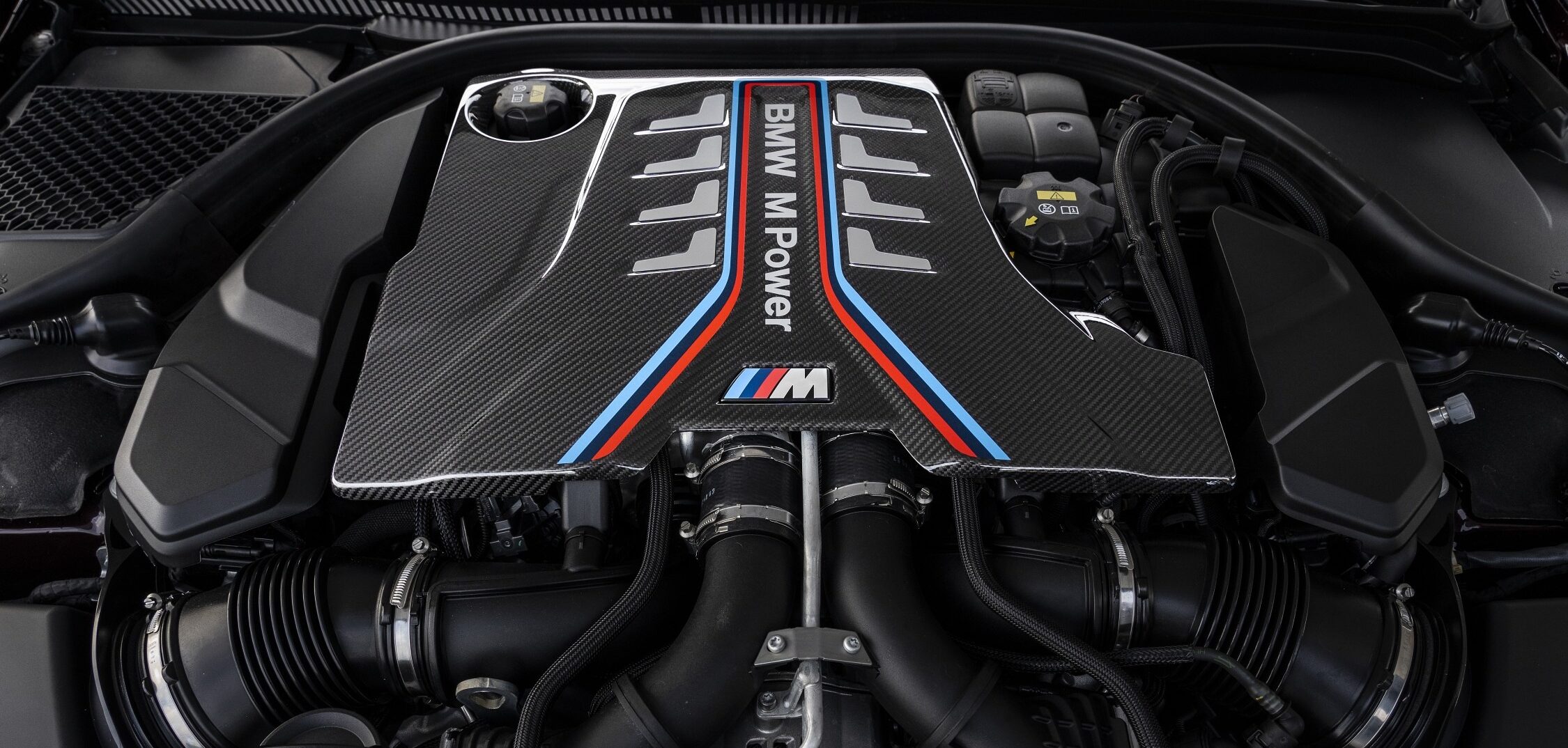
It sounds backwards. A brand built on engaging, combustion powered driving machines is now leaning on batteries, and those same batteries could be what keeps its big eight cylinder engines alive for years to come.
Australian sales figures show how it works. Electric models made up close to a fifth of BMW’s local sales during 2025. The country’s newer emissions rules judge a manufacturer by the average CO2 output across its entire range. Every EV that leaves a showroom pulls that average down, which leaves more room for high performance V8 models.
How EV Sales Create Room For V8 Models
The upshot is that BMW doesn’t have to retire its popular V8 cars to stay compliant. Vikram Pawah, who heads BMW Group Australia, told CarSales that the company can strike the right balance between powertrain types and intends to keep it that way.
It is a simple trade. Low emission cars offset high emission ones, so the brand can keep selling the performance models enthusiasts want while still meeting the numbers regulators care about.
BMW’s Power Of Choice Strategy
None of this is accidental. BMW introduced its “Power of Choice” approach almost ten years ago, and it has shaped the product plan ever since. It rests on shared platforms, flexible factories and a willingness to back more than one kind of technology at the same time.
In practice, buyers can still choose petrol, diesel, plug in hybrid or fully electric power. That flexibility lets BMW respond quickly when demand or legislation shifts in a particular market.
Hydrogen is part of the picture too. In September, BMW was running a wide ranging real world validation programme on the iX5 Hydrogen.
The M5 shows the same thinking. BMW’s M boss once admitted the G90 M5 could have gone fully electric, yet a plug in hybrid V8 won out in the end.
Why V8 Engines Are Sticking Around
BMW isn’t alone in keeping big engines alive. Several manufacturers have poured fresh money into combustion development over the past few years, V8s included. General Motors announced a major investment in its eight cylinder engine during 2025, and that engine is already in production.
BMW’s chief technology officer, Joachim Post, said earlier this year that the company’s next generation combustion engines have been designed to cope with coming emissions rules. The plan covers straight six, V8 and V12 engines well into the next decade.
What It Means For South African Buyers
The emissions rules at the centre of this story are Australian, so the exact maths doesn’t apply here. The strategy behind it does, because BMW plans its range globally.
On the electric side, the new i3 50 xDrive is confirmed for South Africa in the first quarter of 2027. Combustion models, including the V8 performance cars, remain part of the local line up.