
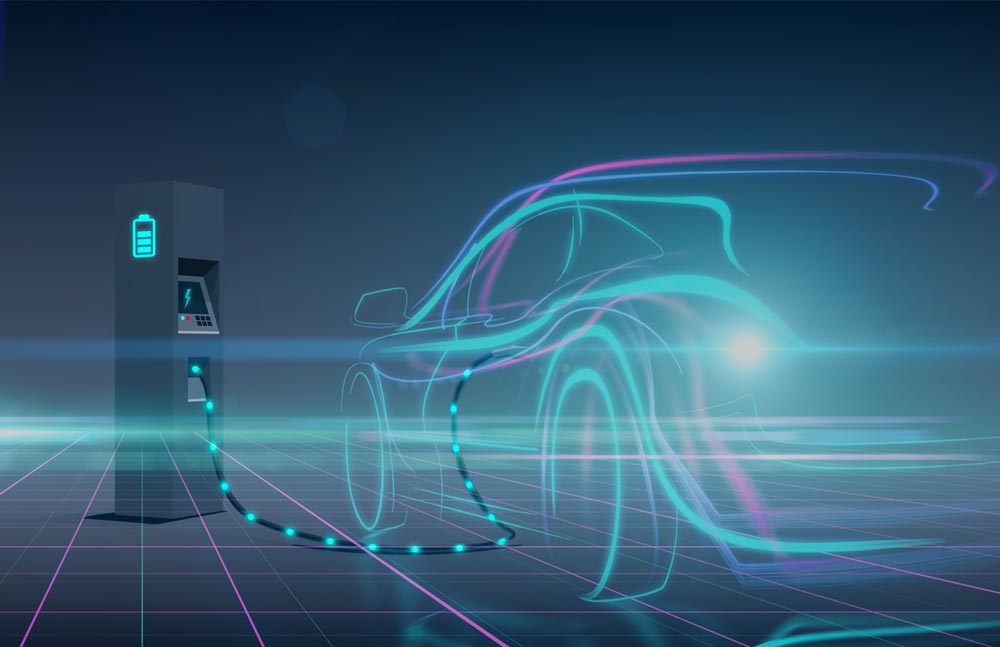
Electric vehicles are taking the automotive industry by storm, and for good reason. Whilst EVs may be more expensive to purchase than conventional vehicles, they do cost less to maintain by not being powered by fuel. Not to mention they are great for the environment
Buying your first car is an exciting time but it can also be stressful when deciding what’s right for you. Around 42% of learner drivers would prefer their first car to be electric, mostly due to environmental concerns and the UK’s plan to ban the sale of new electric vehicles by 2030.
But it begs the question, are electric vehicles suitable for first-time drivers, or are they only appropriate for experienced drivers?
What purchase incentives are available for electric vehicles?
- The UK government has launched a strategy to introduce full electrification by 2030. In light of this, there are now several incentives and grants available to help fund an electric car.
- As electric vehicles produce no carbon emissions, the majority of electric vehicles are exempt from Vehicle Excise Duty (VED) until April 2025, so long as the price of the car is below £40,000.
- You are eligible for a 100% discount on the Congestion Charge until 24th December 2025. This is ideal for young drivers who anticipate lots of travelling for work or live in areas with congestion charge zones, such as London.
- The EV chargepoint grant provides you with funding of up to 75% toward the cost of installing a chargepoint in your property. This allows you to charge your car at home overnight when electricity is usually at its cheapest.
Are electric cars able to cover long distances before charging?
Newer models of electric vehicles are constantly being brought out, each with a higher range than the last.
Battery technology and vehicle range are improving all the time, with the majority of EVs now covering long distances before needing to be charged. As an example, the Vauxhall Mokka electric can take you up to 209 miles on a single charge.
Electric vehicles also take advantage of regenerative braking. In simple terms, when the brakes of the car are applied, energy that would usually be lost is used to recharge the battery slightly. This means that the vehicle will replenish a little bit more range and won’t require charging as often.
Finding places to charge an electric car is also becoming increasingly easier, with charging stations now being installed at supermarkets and petrol stations. Your employer may also provide facilities to charge your vehicle whilst at work, which can be a great way of saving money on electricity and ensuring you get home safely.
Are electric vehicles expensive to maintain?
When buying your first car, you’re not only covering the initial cost of the vehicle. You also need to consider its upkeep and the price of insurance. These maintenance costs can build up and before you know it, you’ve gone way over your proposed budget.
Whilst electric vehicles aren’t completely free from maintenance, they are more reliable due to having fewer moving parts. This means fewer components are likely to experience wear and tear and need replacing. Better still, there’s no internal combustible engine, which is typically the most expensive and troublesome part of standard vehicles to replace.
In conclusion, electric vehicles would make a great first car but this depends entirely on your circumstance. Whilst there are many incentives available and EVs are cheaper to run, there is still the higher initial cost and you need to install a charging point at your home.