
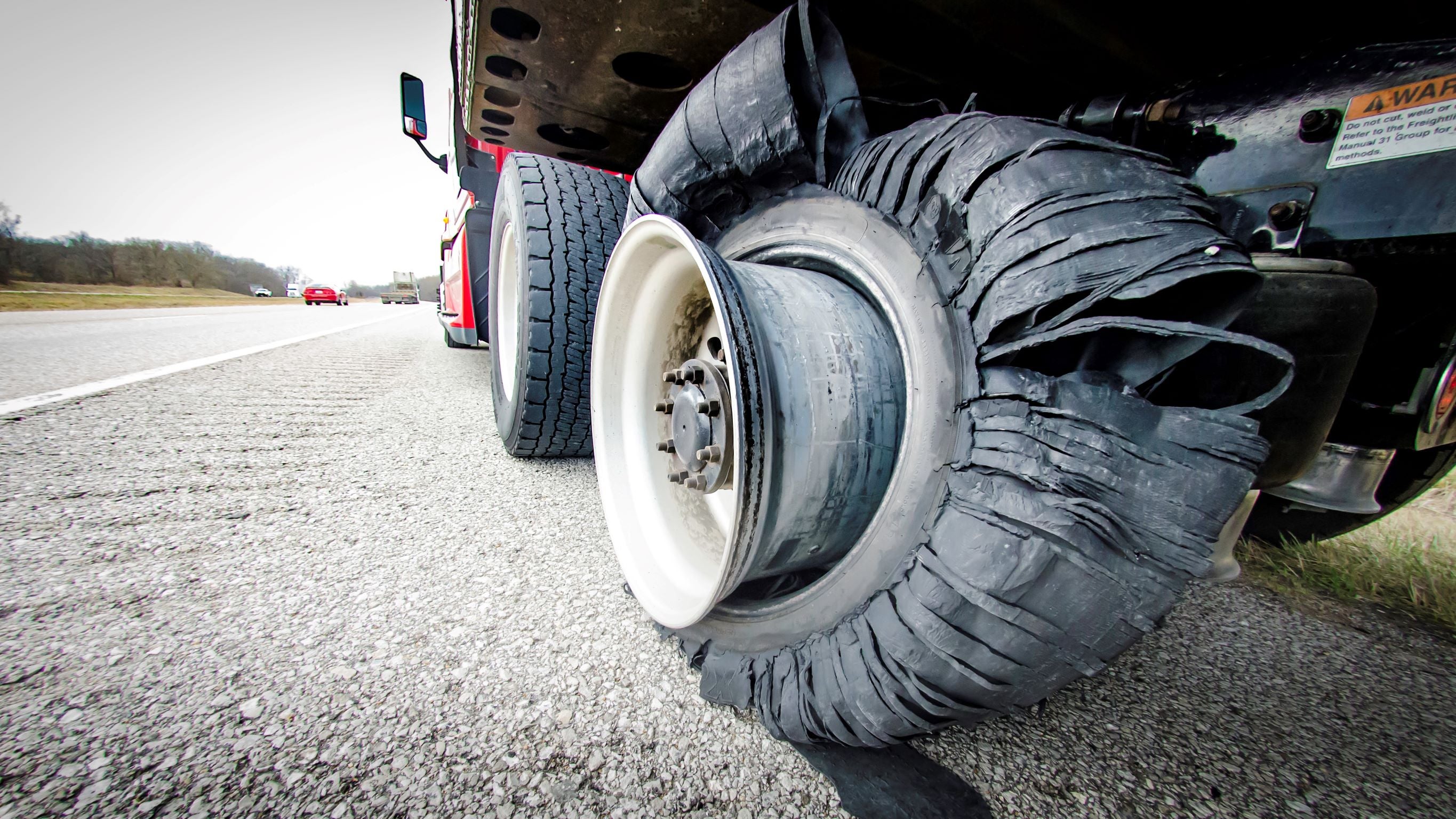
Truck accidents caused by tire blowouts have a significant impact on our nation, where trucks are vital for moving goods. These accidents are a serious concern, leading to thousands of crashes each year, causing damage, injuries, and even fatalities. In this blog post, we will discuss the common causes of tire blowouts and how you can avoid them.
How Do Tire Blowouts Happen?
Understanding why tire blowouts happen involves considering the immense challenges trucks face. Trucks carry heavy loads and travel long distances, causing constant pressure and wear on tires. This combination can create the conditions for tire blowouts. As tire pressure builds up, it can eventually lead to a sudden and dangerous rupture.
Other factors add to the risk. Neglecting tire maintenance, improper inflation, and overloading worsen the situation. Harsh weather, like extreme heat or cold, can also strain tires, especially when combined with the demands of hauling freight.
Common Causes of Tire Blowouts
Understanding the underlying factors that contribute to truck tire blowouts is essential for road safety. Here are the key causes to be aware of:
- Underinflation: Insufficient air pressure in tires is a major cause of blowouts. When tires lack proper pressure, they flex too much and heat up, weakening the tire’s structure and increasing blowout risk. Regular pressure checks are vital, especially on New Mexico’s diverse terrain.
- Overloading: Carrying too much weight stresses tires. This strain generates excess heat, leading to blowouts. Staying within weight limits and evenly distributing loads on tires is crucial to avoid blowouts due to overloading.
- Tire Aging and Wear: New Mexico’s sunny roads contribute to tire aging. Older tires degrade, becoming more prone to blowouts. Worn-out tread reduces grip, heightening blowout risk. Regular tire checks, timely replacements, and monitoring tire age help prevent issues.
- Road Hazards and Debris: Treacherous roads with potholes and debris can harm tires over time. This hidden damage weakens tires, increasing blowout chances. Being cautious, driving defensively, and navigating obstacles carefully minimize risk.
- Overheating: Varying speeds on New Mexico’s diverse terrain generate heat within tires. Excessive heat weakens tires, making blowouts more likely. Responsible driving within speed limits is key to preventing overheating-related blowouts.
Preventative Measures for Tire Blowouts
The New Mexico semi truck accident attorneys from the Fine Law Firm list the essential steps you can take to prevent tire blowouts and ensure safer journeys:
- Regular Maintenance and Inspections: The rugged roads of New Mexico demand vigilant tire maintenance. Regular inspections encompassing tire pressure checks, tread depth analysis, and overall tire condition assessments are vital. Adopting a proactive maintenance approach significantly reduces the risk of tire blowouts.
- Tire Replacement: Regular tire replacement is a cornerstone of blowout prevention. Worn, aged, or damaged tires should be replaced promptly. Adhering to manufacturer-recommended replacement intervals preserves tire integrity and drastically reduces the likelihood of blowouts on New Mexico’s roads.
- Proper Inflation: Tire pressure directly influences tire health. Ensuring tires are inflated according to manufacturer specifications is a cornerstone practice. Consistent pressure checks, especially before embarking on lengthy journeys across New Mexico’s diverse terrains, cannot be overstated. The integration of tire pressure monitoring systems (TPMS) amplifies real-time pressure monitoring for enhanced safety.
- Load Management: The dynamics of New Mexico’s highways necessitate mindful load distribution. Adhering to weight limits and evenly distributing the load across all tires ensures even stress distribution. This strategic distribution minimizes individual tire stress, effectively mitigating blowout risks.
- Speed Control: Responsible driving is paramount. Adhering to speed limits curtails excessive heat generation that hastens tire wear. Responsible driving practices contribute significantly to overheating prevention, reducing the likelihood of blowouts on New Mexico’s roads.
- Avoid Hazards: Potholes, debris, and road hazards can strike unexpectedly. By adopting a cautious approach and practicing defensive driving techniques, drivers can significantly safeguard their tires from damage and blowouts.’
Truck accidents from tire blowouts are a serious threat in our truck-dependent nation. These accidents cause harm and demand our attention. We’ve explored the reasons behind tire blowouts and how to prevent them. Tire blowouts aren’t instant; they result from the pressures trucks face. Underinflation, overloading, aging tires, road hazards, and overheating contribute to blowouts. To avoid them, we need to know these causes. Prevention is key. Regular maintenance, proper inflation, load management, responsible speed, and cautious driving all help prevent blowouts. By following these steps, we can ensure safer roads and protect lives as we move forward on our nation’s highways.