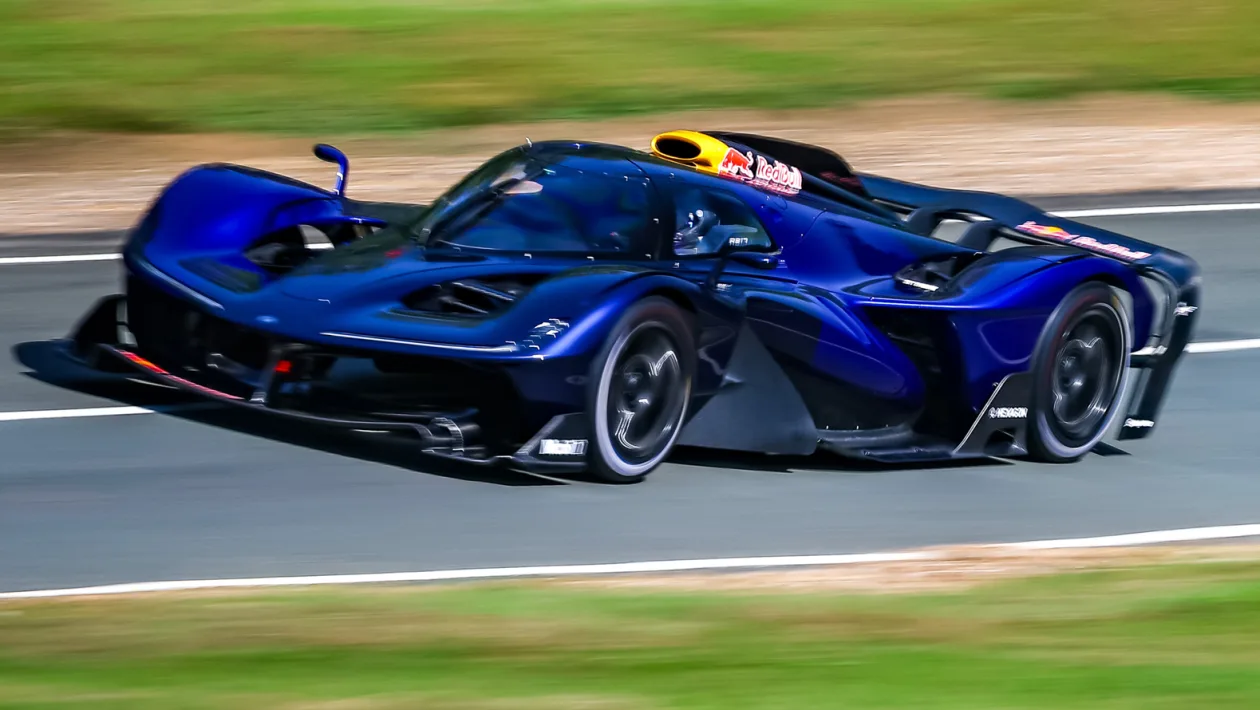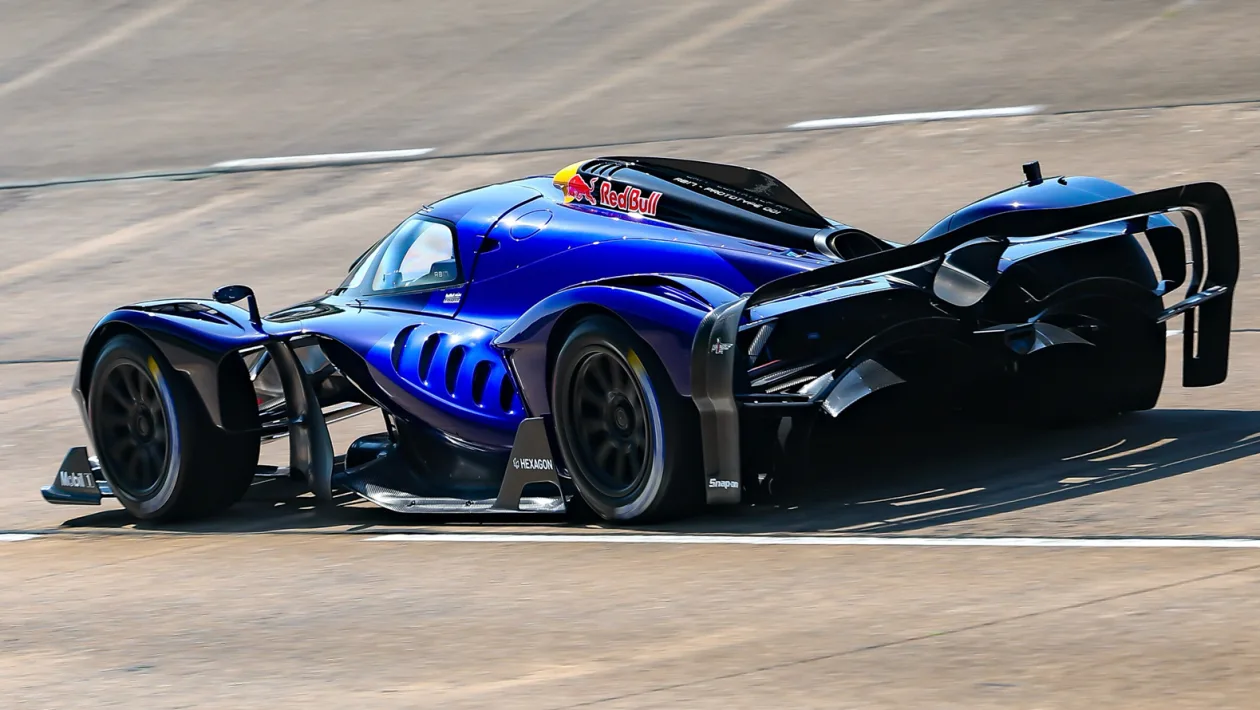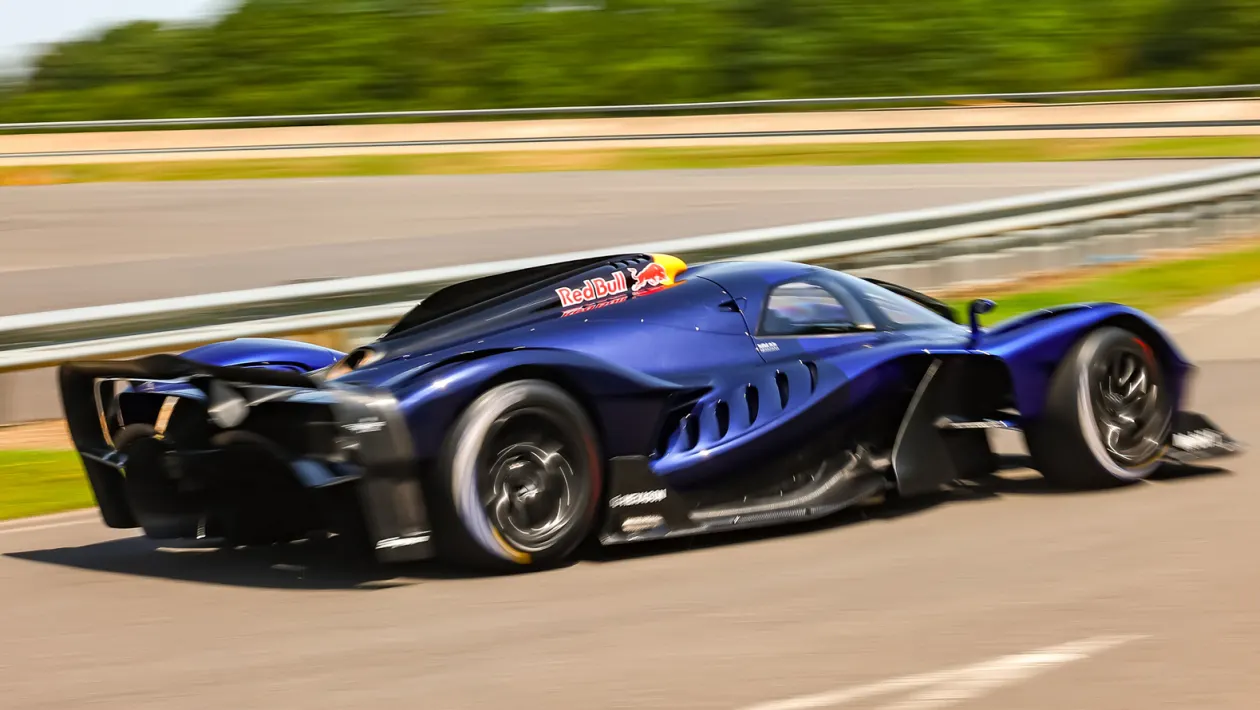
Hypercar enthusiasts have been waiting for this one. The Red Bull RB17 is finally ready to show what it can do, and it’s set to make its dynamic debut at the Goodwood Festival of Speed this week, with Formula 1 stars Isack Hadjar and Yuki Tsunoda joining Adrian Newey himself behind the wheel up the famous hillclimb.
This isn’t the first machine to promise F1 level performance for private owners. The Aston Martin Valkyrie tried and, despite genuinely remarkable engineering, never quite hit its original targets. Red Bull reckons the RB17 will finally deliver on that promise, and it now has some serious company at the top end of the hypercar world, including the Valkyrie AMR Pro, Pagani Huayra R and Gordon Murray Automotive T.50s Niki Lauda.
How The RB17’s Design Has Evolved
When the concept first broke cover back in 2024, the aerodynamic package and overall packaging were already taking shape. Since then, the car has shrunk further, though its footprint still lines up closely with a recent generation F1 car.
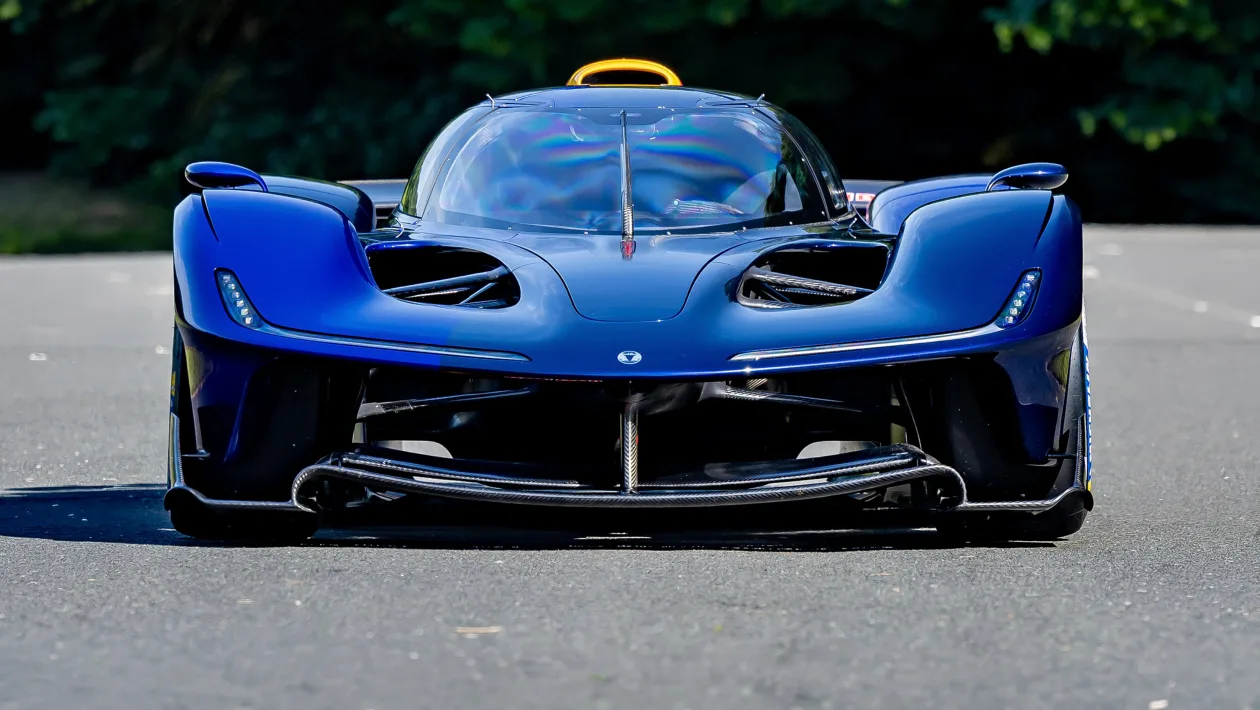
Several elements have been refined along the way. The stability fin above the engine cover, the double deck front splitter, and the layered rear wing and diffuser have all been reworked. There’s more venting cut into the bodywork too, spread across the front and rear wings, side pods, and the central snorkel intake, with the exhaust now exiting further up the car’s spine near the base of that intake. Practical touches like lights, wipers and rear view mirrors have also been added, a reminder that this car needs to work on the road as well as the track.
The Engine And Powertrain Driving The RB17
At the heart of the car sits a Cosworth developed 4.5 litre V10 that revs to 15,000rpm and doubles as a load bearing part of the carbonfibre chassis. Paired with a 197 hp (147kW) electric motor that also handles reverse gear, the combined system produces more than 1184 hp (883kW), sent to the rear wheels through a six speed sequential gearbox with newly developed software to protect the gear teeth from excess wear.
Top speed comes in at over 349 km/h (217 mph), numbers that put the RB17 firmly in hypercar territory. Red Bull could have pushed the engine to a higher redline to match old school F1 V10s, but decided the extra 5000rpm wasn’t worth trading away reliability and everyday usability.
Downforce, Weight And Handling
Despite the eye watering performance figures, Red Bull has engineered the RB17 to be usable by drivers across a range of skill levels. Active suspension and adjustable aerodynamics allow the ride height to change on the fly, altering the car’s balance, roll characteristics, and how much ground effect downforce it produces.
Movable front and rear wing elements let the car adapt to different tracks and driving styles. Peak downforce sits at 1700kg, nearly double the car’s target weight of under 900kg, though a final production weight hasn’t been confirmed. The car also gets hydraulic power steering, traction control, ABS for its carbon on carbon brakes, and a choice between 18 inch carbonfibre wheels with slick tyres or 20 inch wheels running treaded rubber.
Built For Comfort And Long Term Reliability
Unlike a pure race car, the RB17 has been designed with a genuinely usable cockpit, roomy enough for helmets and full race suits, and kitted out with physical controls rather than touchscreens or haptic panels. Red Bull says the car is durable enough to handle a 24 hour race without needing a service.
The engine itself has been built to avoid the usual pit crew circus just to get it started, and is designed to run 20 to 30 times the distance of a Silverstone Grand Prix, or further than a Le Mans 24 Hours, before needing major attention. Scheduled maintenance happens at Red Bull Advanced Technologies headquarters, with major services required every 5000 miles. It’ll even run happily on regular 98RON pump fuel.
Pricing And Availability
Only 50 examples of the RB17 will be built, and owners will get access to exclusive track days around the world complete with driver coaching and setup support, plus simulator sessions to prepare before getting behind the wheel of the real thing.
Official pricing hasn’t been locked in, but Red Bull’s 2022 estimate put it at around £5 million (R108.65 million) plus taxes, roughly double what a Valkyrie costs. And that’s before sending it to Lanzante for the road legal conversion.