
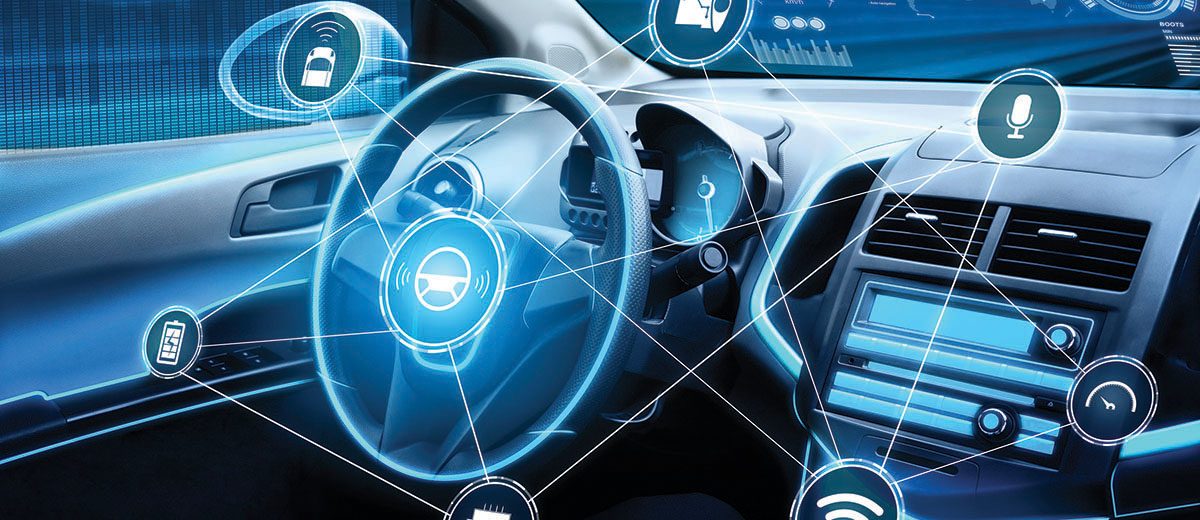
Automotive technology has changed dramatically over the past decade. Features that once seemed futuristic are now becoming standard across everything from family SUVs to heavy-duty commercial trucks. Modern vehicles are no longer simply machines with engines and wheels. They are intelligent systems that use cameras, sensors, software, and real-time data to make driving safer, more comfortable, and more efficient.
As these innovations continue to evolve, they’re transforming not only the driving experience but also the way businesses manage their fleets and how manufacturers design vehicles for the future.
Driver Assistance Is Becoming More Intelligent
Advanced Driver Assistance Systems (ADAS) represent one of the biggest leaps forward in vehicle technology. Cameras, radar, and ultrasonic sensors constantly monitor the road, helping drivers respond more quickly to potential hazards.
Features such as automatic emergency braking, lane departure warning, blind spot monitoring, rear cross-traffic alerts, and adaptive cruise control reduce driver workload while providing an additional layer of protection during everyday journeys. These systems are designed to support drivers rather than replace them, helping minimize the risk of common accidents.
Connected Vehicles Keep Drivers Informed
Connectivity has become one of the defining features of modern vehicles. Many models can communicate with smartphone apps and cloud-based platforms, allowing owners to remotely check vehicle status, lock or unlock doors, monitor maintenance schedules, and receive software updates.
For fleet operators, connected systems provide valuable information about vehicle location, fuel consumption, maintenance requirements, and driver behavior, making day-to-day operations more efficient.
Software Is Becoming Just as Important as Hardware
Today’s vehicles continue improving long after they leave the dealership. Over-the-air software updates can enhance safety features, improve infotainment systems, optimize vehicle performance, and introduce entirely new functionality without requiring a workshop visit.
This software-first approach helps manufacturers keep vehicles current while extending their long-term value for owners.
Artificial Intelligence Is Enhancing Safety
Artificial intelligence is increasingly working behind the scenes to interpret data from multiple sensors simultaneously. AI-powered systems can recognize pedestrians, cyclists, traffic signs, lane markings, and changing road conditions in real time.
By processing this information almost instantly, vehicles can alert drivers to potential dangers or activate safety features when necessary, reducing reaction times during critical situations.
Commercial Vehicles Are Becoming Smarter Too
Technology isn’t limited to passenger vehicles. Commercial trucks are benefiting from many of the same innovations, including driver assistance systems, predictive maintenance, telematics, and connected fleet management tools.
Businesses searching for Ram commercial trucks Palmdale can explore configurable work-ready vehicles through vannuyscdjr.worktrucksolutions.com, where commercial models can be tailored with specialized upfits for industries ranging from construction and utilities to delivery and maintenance services. The platform offers a broad selection of work trucks, chassis cabs, cargo vans, and custom commercial solutions built around business needs.
Predictive Maintenance Reduces Downtime
Modern vehicles continuously monitor their own mechanical health. Sensors track everything from tire pressure and engine performance to battery condition and brake wear.
Rather than waiting for components to fail, predictive maintenance systems alert drivers and fleet managers to developing issues, allowing repairs to be scheduled before expensive breakdowns occur.
The Future Will Be Even More Connected
The next generation of automotive technology will continue building on today’s connected systems. Vehicle-to-vehicle communication, vehicle-to-infrastructure technology, more advanced autonomous driving features, and increasingly sophisticated artificial intelligence will further improve road safety and efficiency.
As these technologies mature, vehicles will become better equipped to anticipate hazards, optimize routes, and provide an even more seamless driving experience.
Bringing It All Together
The biggest advances in automotive technology often work quietly in the background. Intelligent driver assistance, connected services, artificial intelligence, predictive maintenance, and cloud-based software are transforming the way people drive without changing the fundamental experience of being behind the wheel.
Whether used for personal travel or commercial operations, today’s vehicles are smarter, safer, and more capable than ever before. As innovation continues, connected technology will play an even greater role in improving safety, reducing costs, and making every journey more efficient.