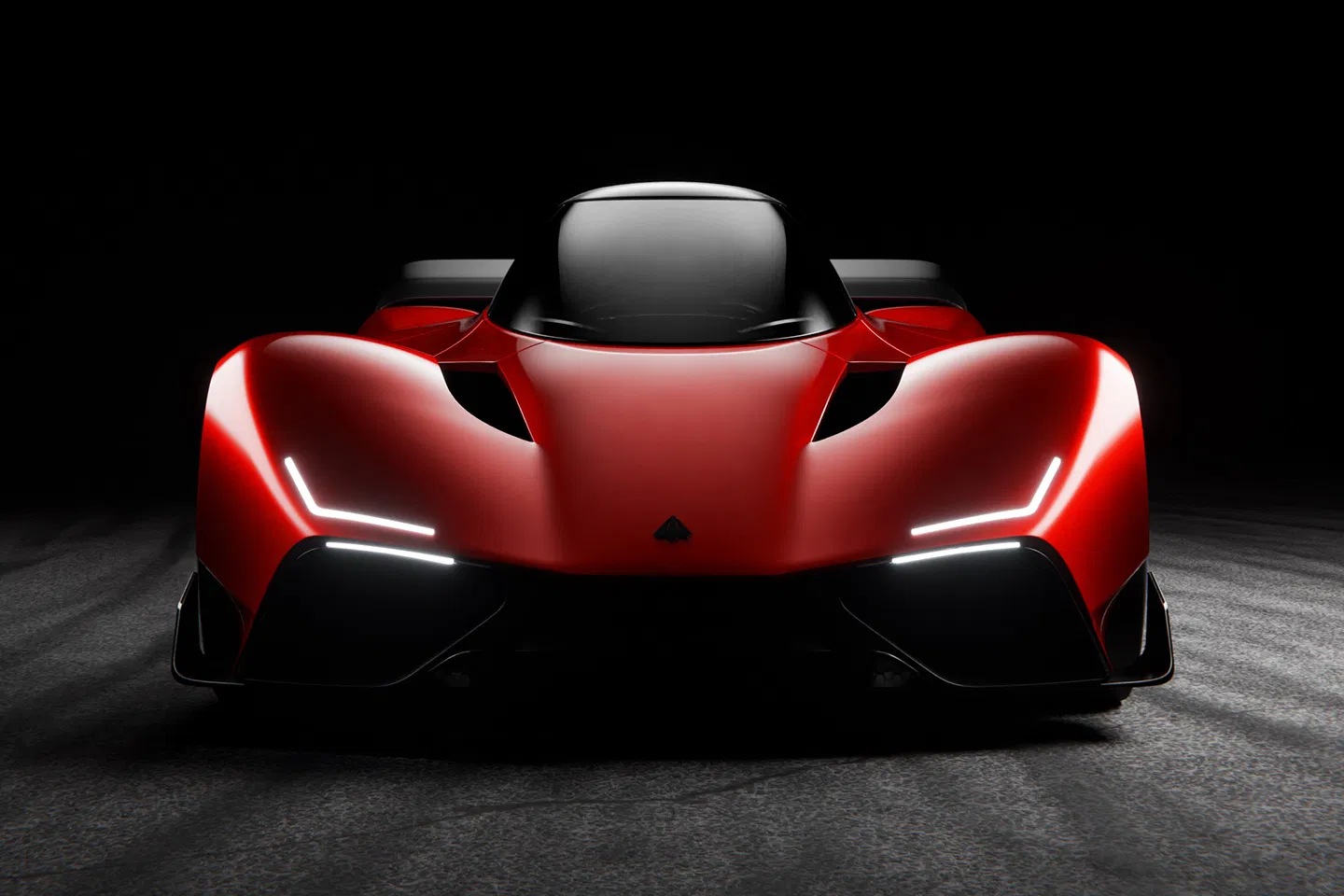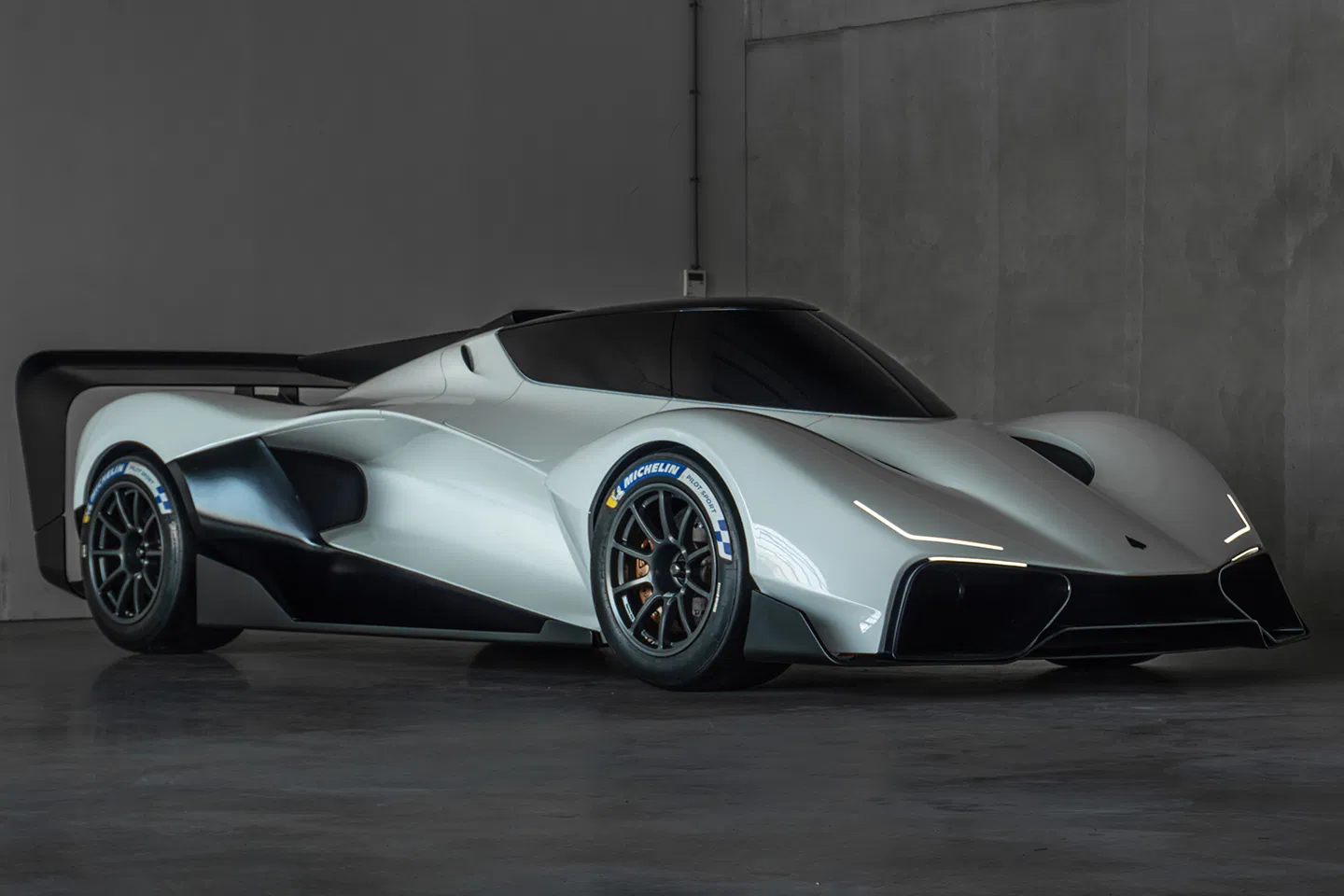
A 5.5-litre V10 makes a strong introduction, but the Sanrivatti One’s most unusual feature is where it puts the driver. The Dutch hypercar project adopts a head-forward posture inspired by a superbike, with the driver’s legs extending behind them.
Sanrivatti has now revealed the exterior, offering a first look at the machine being developed around its unconventional Apex Position.
A Hypercar Shaped By Falcons And Fighter Jets
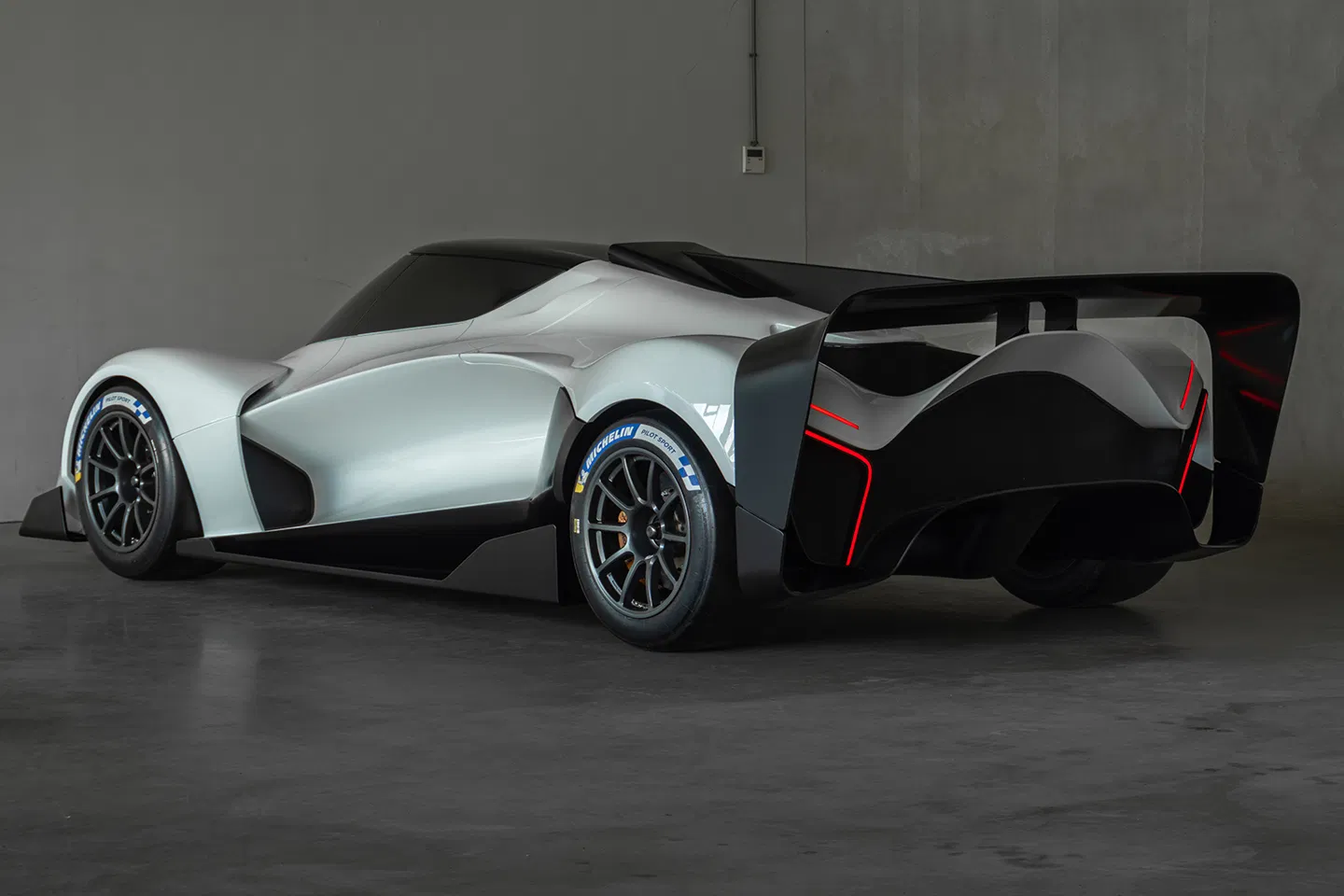
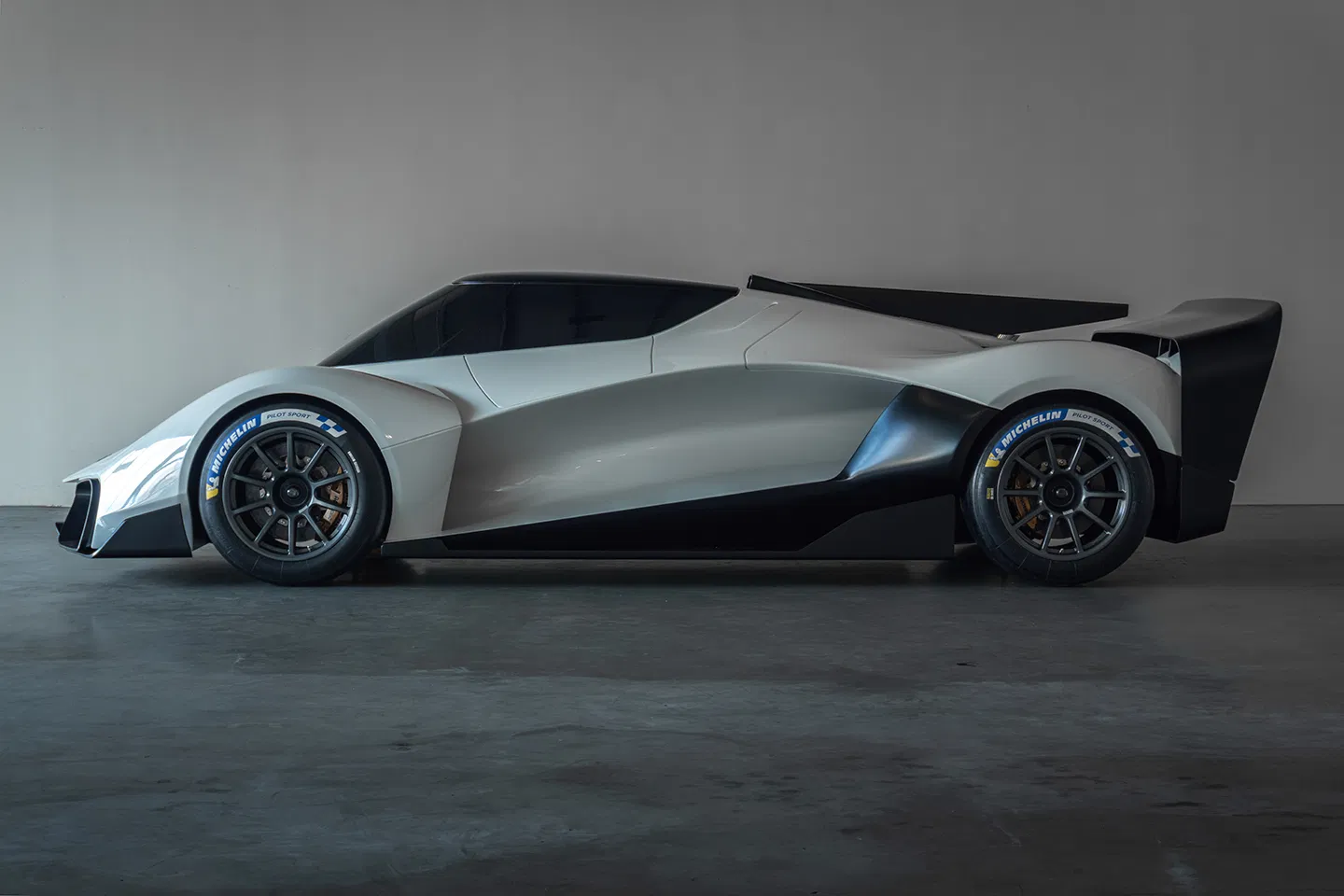
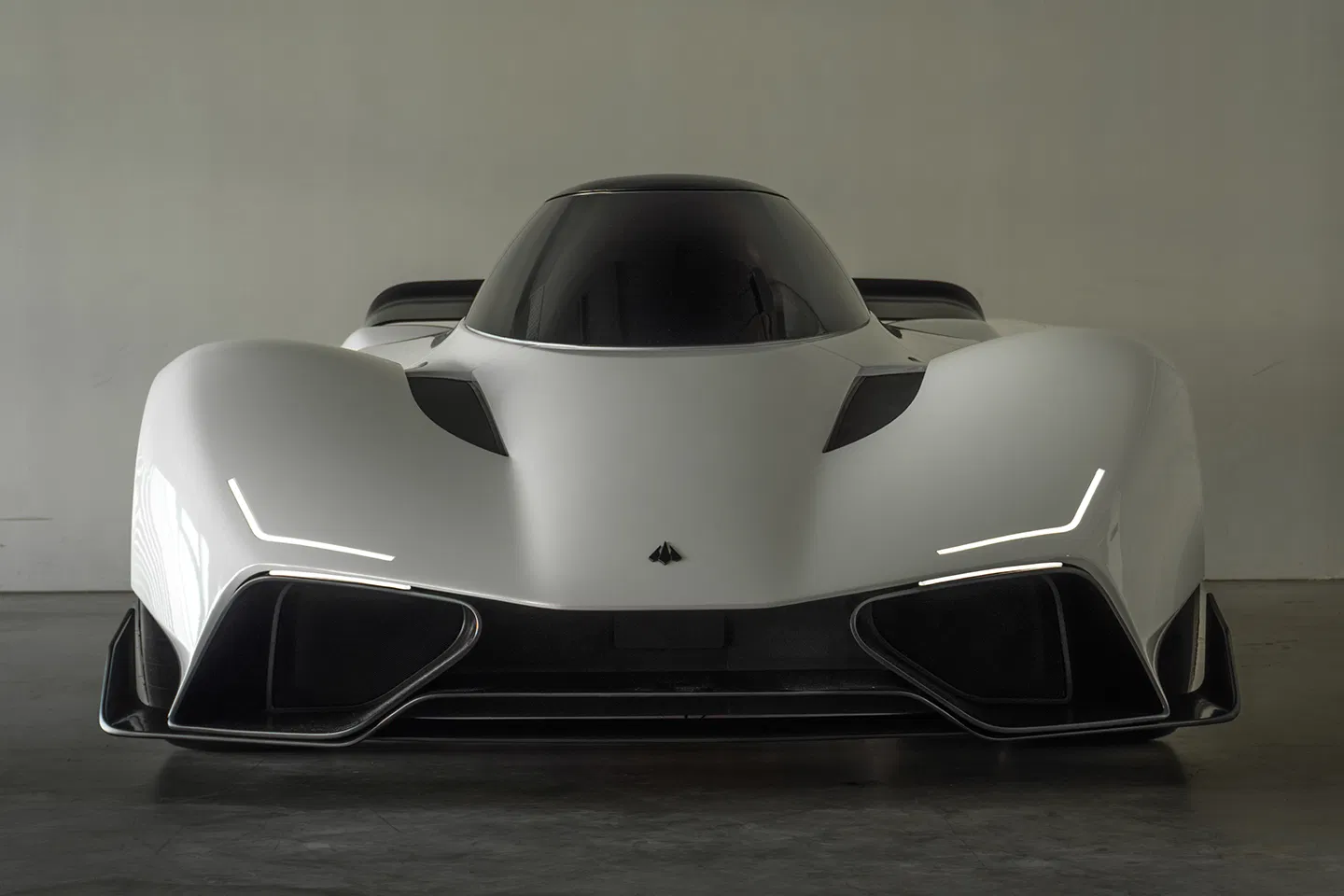
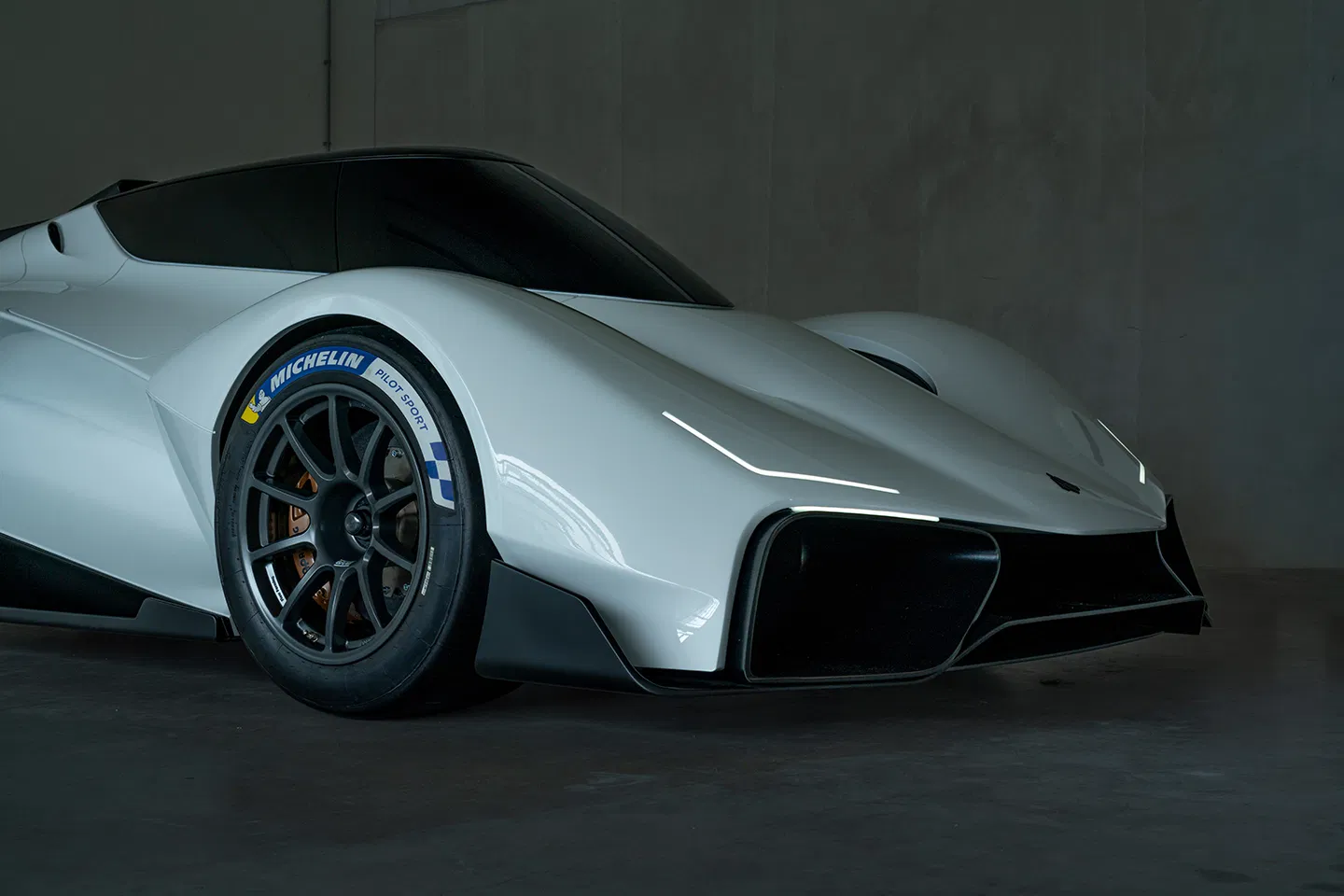
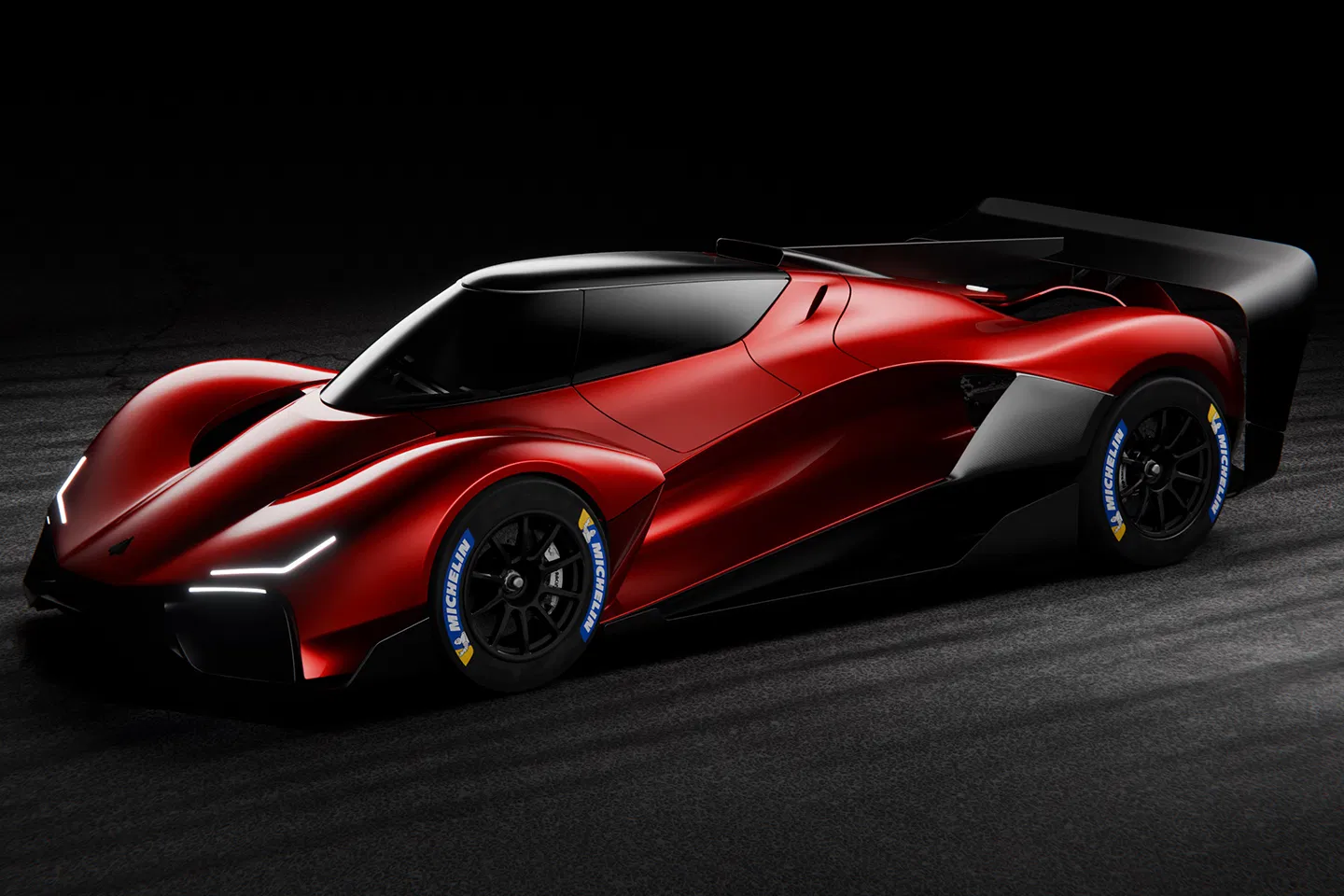
Drawing inspiration from the peregrine falcon and fighter aircraft, the One combines a low nose with slim LED headlights and bodywork wrapped tightly around the front wheels.
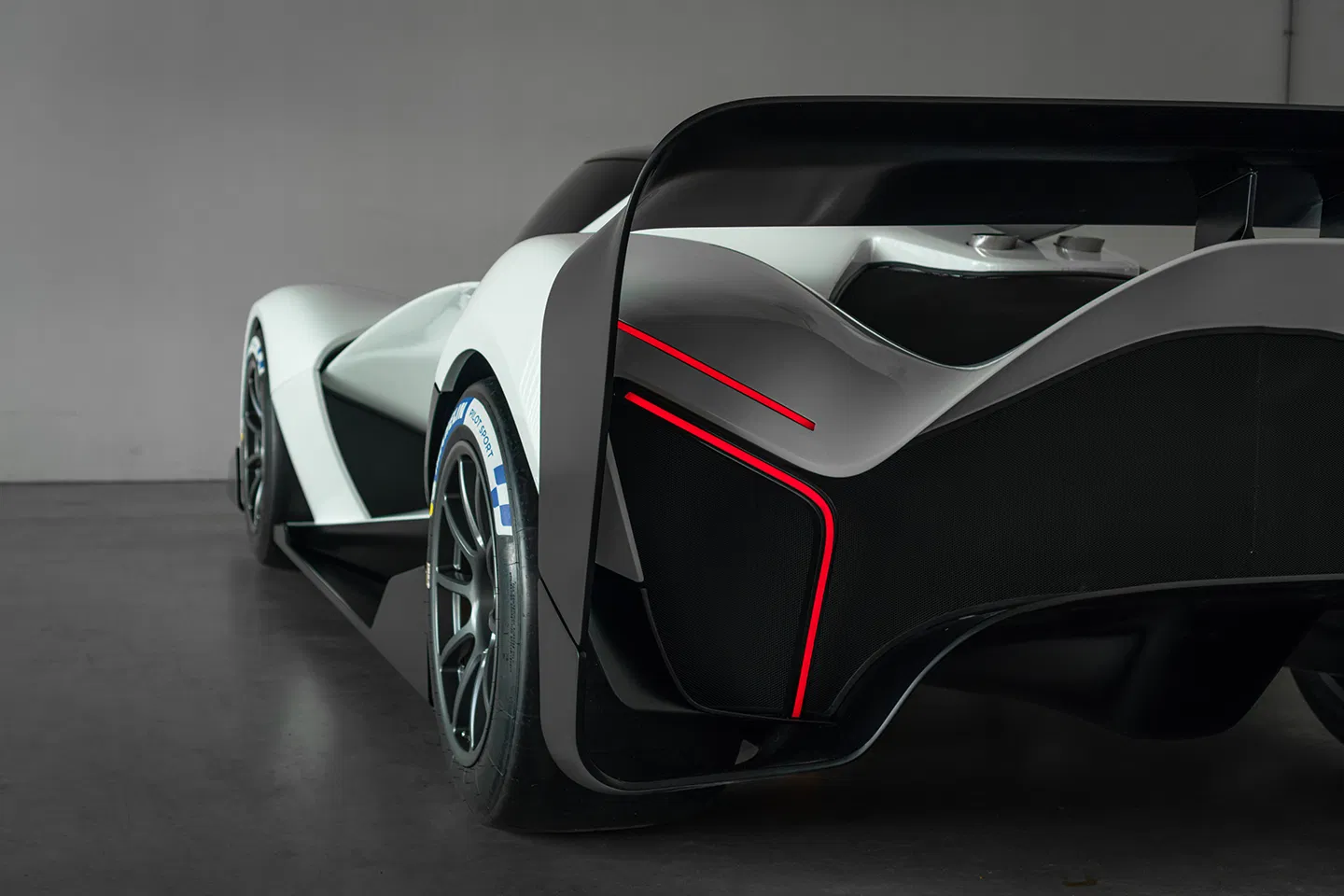
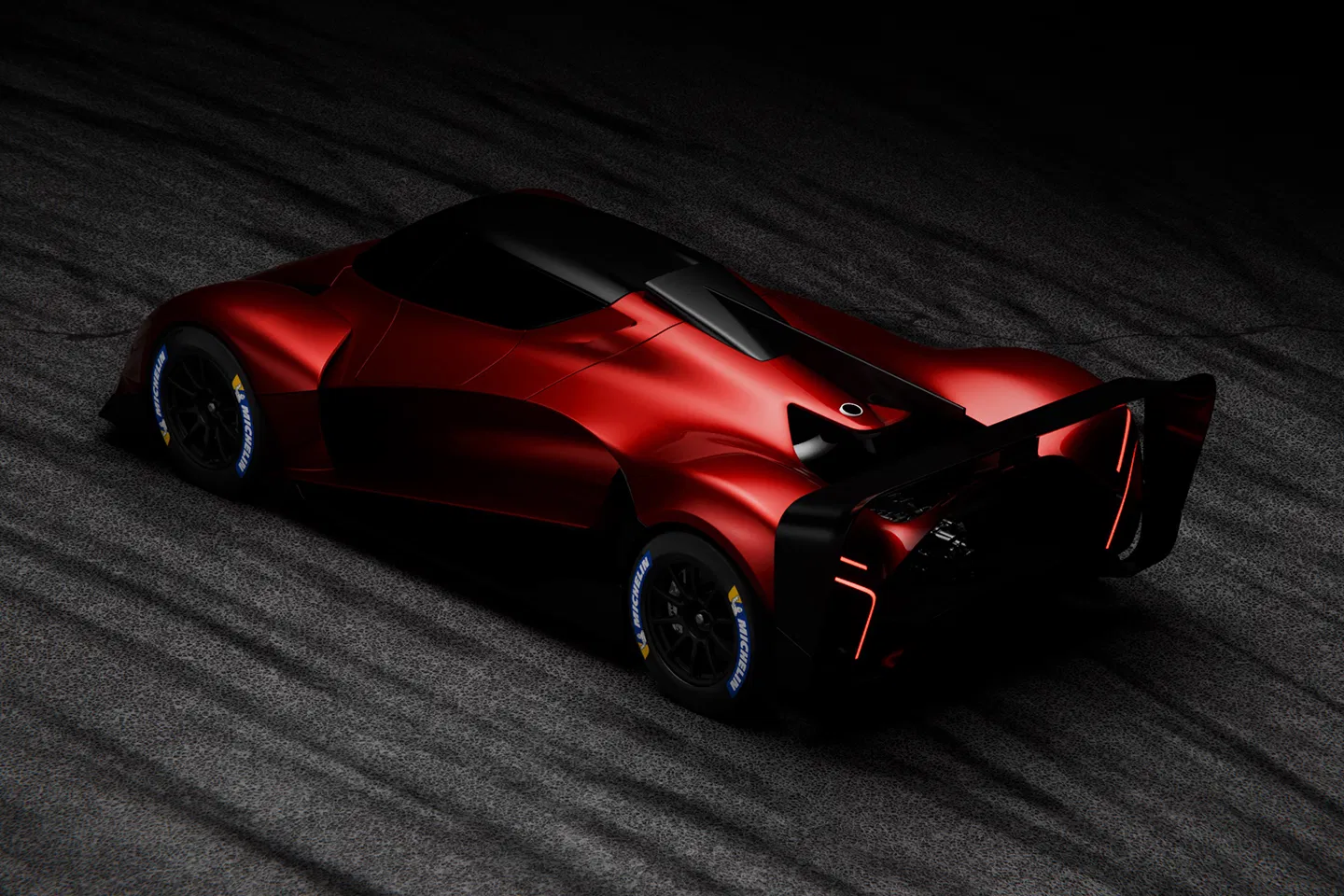
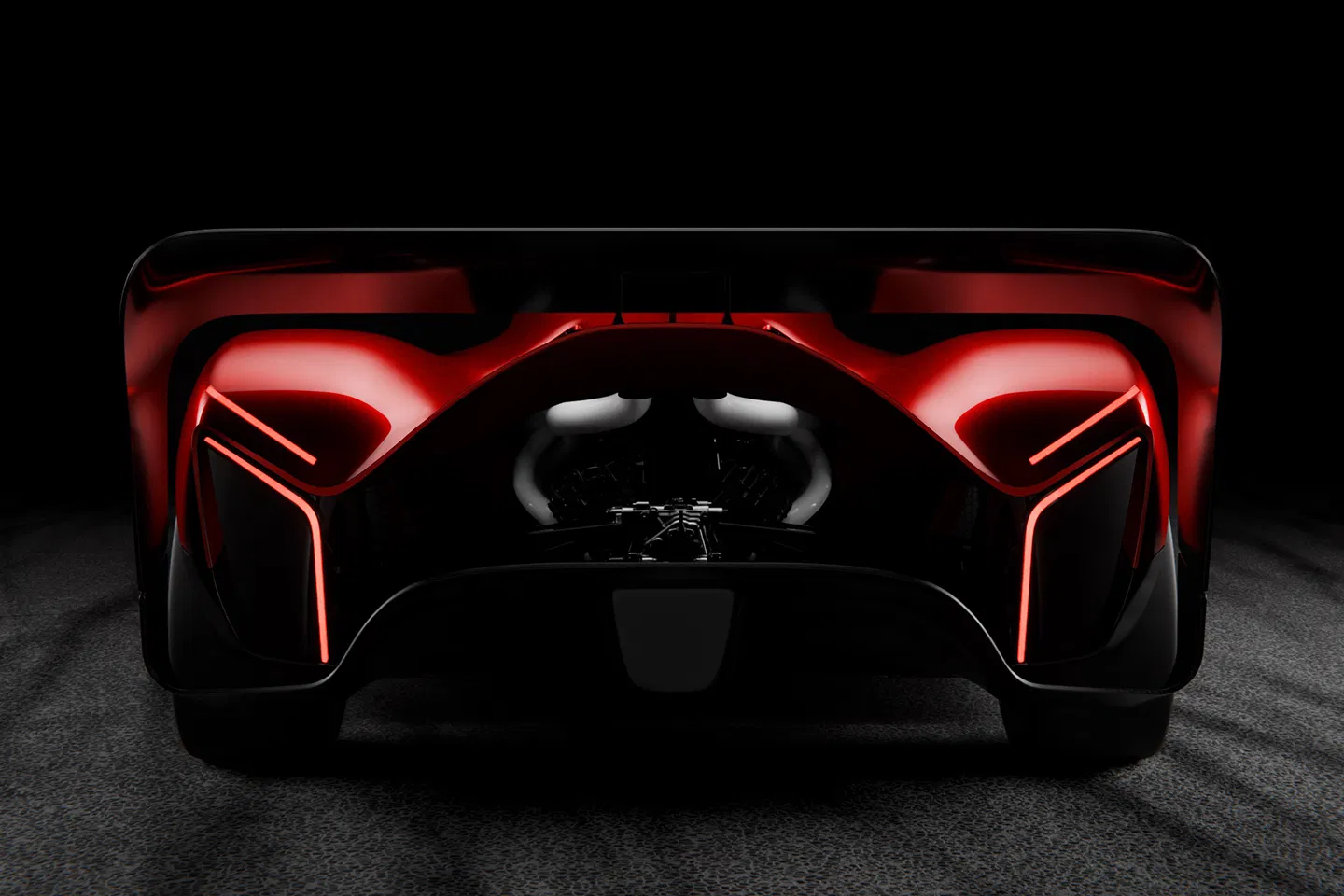
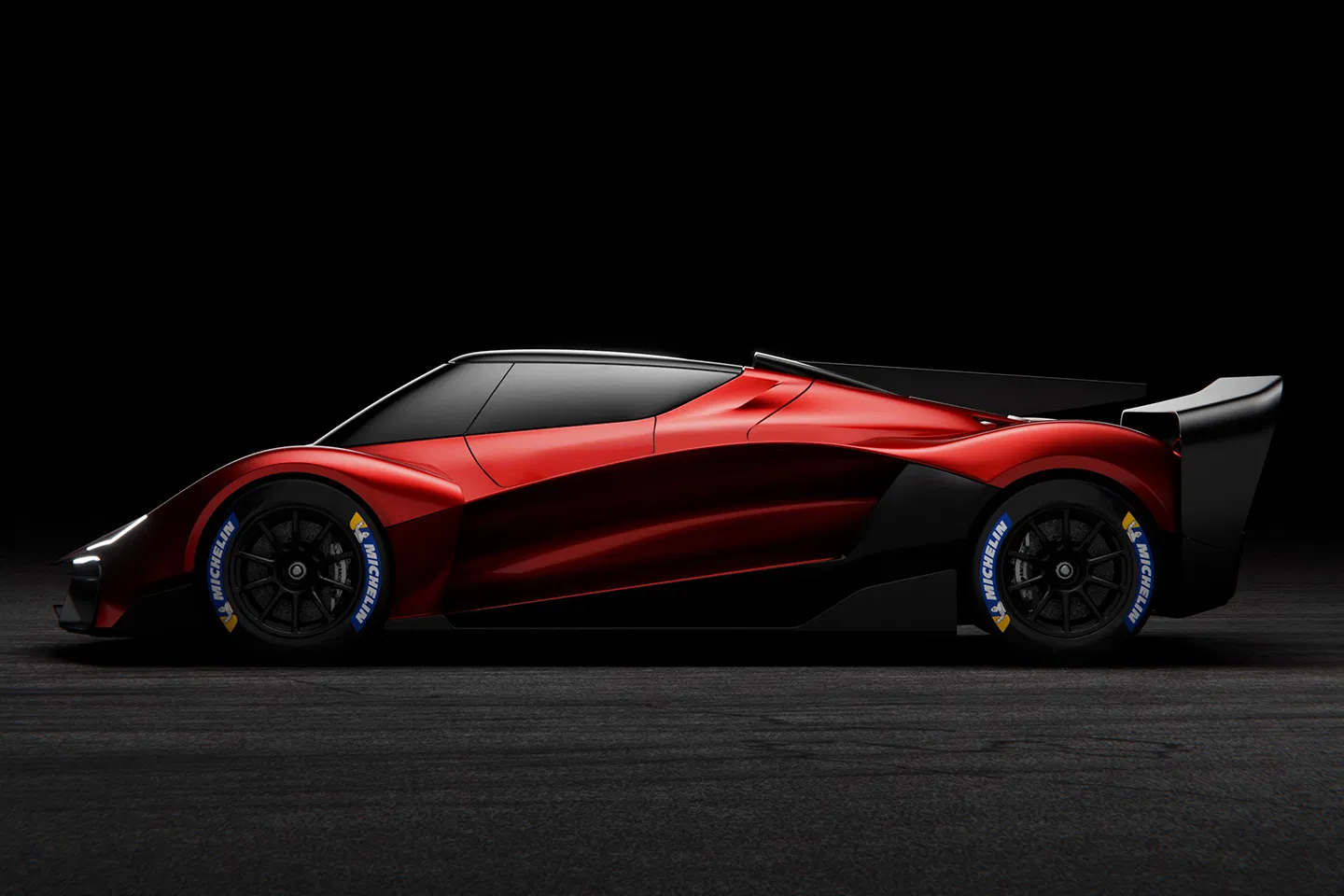
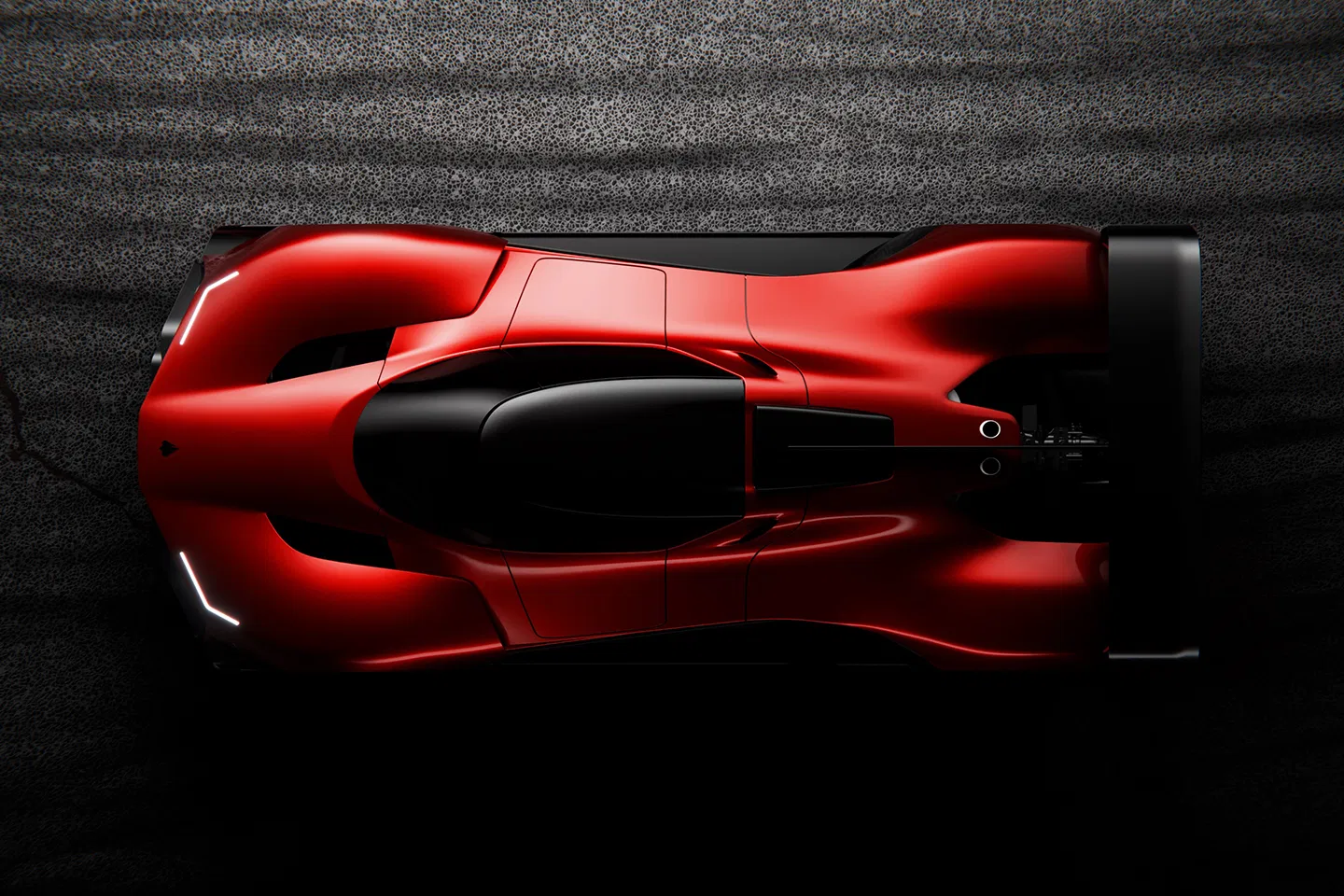
A single-piece canopy sits above the narrow cockpit, while deep side intakes and a substantial rear wing dominate the rest of the design. Open sections of bodywork provide routes for airflow and help release engine heat.
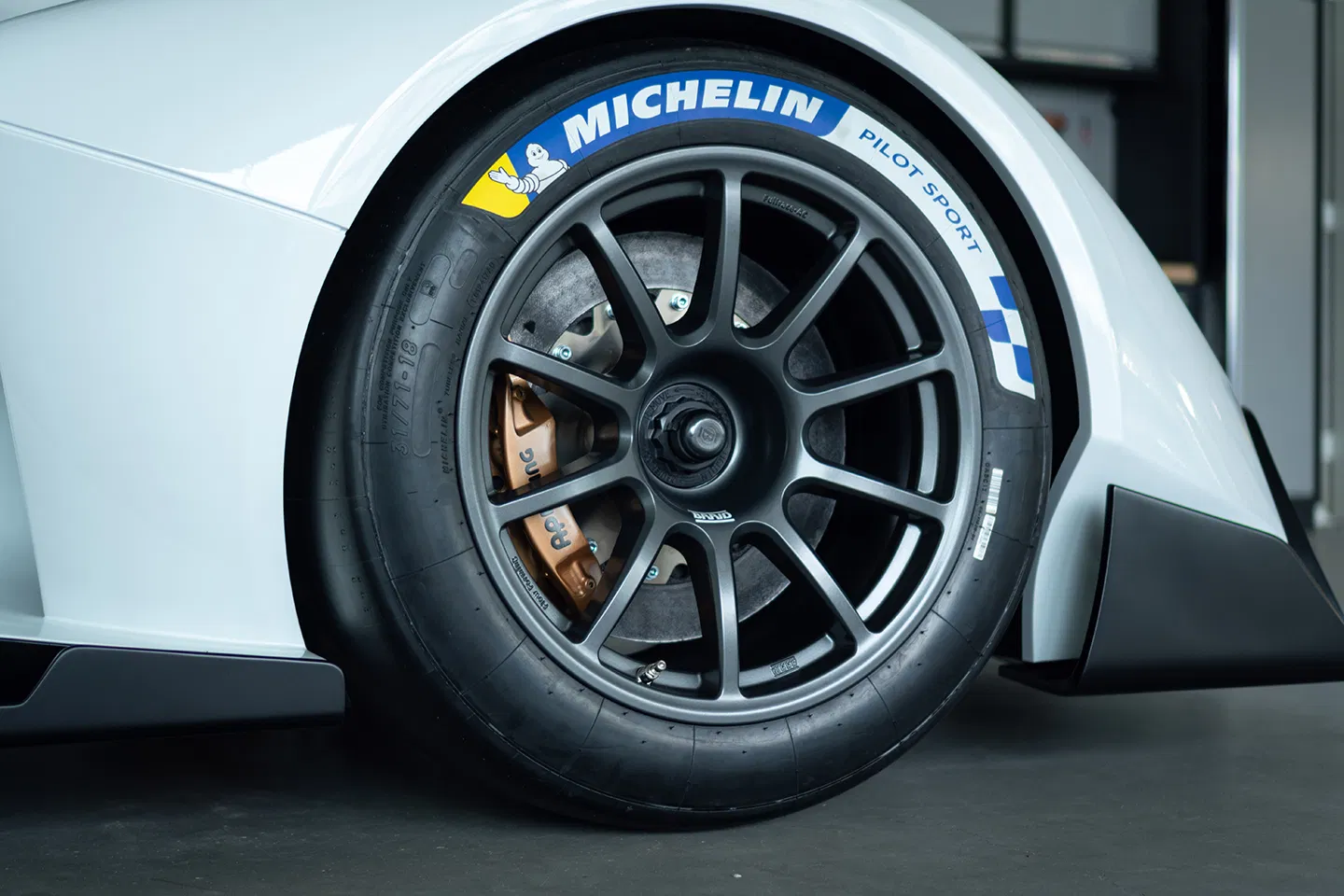
Exposed carbon fibre, track-focused Michelin tyres and a high-mounted exhaust complete the package. That exhaust arrangement brings to mind the McLaren 600LT and Aston Martin Valhalla, although the Sanrivatti takes a very different approach inside.
Apex Position Brings Superbike Thinking To Four Wheels
The cabin has yet to be fully revealed, but the driving posture is central to the project. Instead of reclining in a conventional seat, the driver adopts a more forward-facing stance intended to make the experience feel closer to riding a performance motorcycle.
Founder and CEO Santiago Sánchez Rivero wants that physical involvement to define the One. His thinking starts with how a rider interacts with a bike, where posture, balance and movement form part of the experience.
Sanrivatti says its developing technology will allow the driver to move more naturally with the car under acceleration, braking and cornering. Prototype work is helping the team assess how that position affects comfort, control and awareness.
Those benefits remain development goals. How convincing the arrangement feels during sustained track driving will be one of the project’s biggest tests.
Judd V10 Targets 800 BHP At 9,000 RPM
Mounted behind the driver will be a naturally aspirated 5.5-litre V10 supplied by Judd Power, the British racing engine specialist with Formula One experience.
Sanrivatti is targeting 800 bhp (597 kW) at 9,000 rpm and a weight of around 1,100 kg. If both figures are achieved, the One should have little trouble delivering performance to match its appearance.
The proposed chassis specification includes double-wishbone suspension with pushrod actuation, AP Racing carbon brakes and forged magnesium-alloy wheels. Development is ongoing, so the final specification could still change.
For Judd, the appeal extends beyond peak output. Throttle response and the way a naturally aspirated engine builds revs fit Sanrivatti’s ambition to make the driver’s inputs feel immediate.
McLaren And Singer Experience Behind The Project
Sanrivatti has assembled a team with experience spanning Lotus, Bentley and McLaren.
Its executive director of technology partnerships, Paul Arkesden, previously led the McLaren P1 programme and held a senior engineering role at Singer. He was drawn to the opportunity to explore a different approach to the relationship between driver and car.
The next step is to develop the One into a running prototype before beginning track testing. The exterior makes a dramatic first impression, but proving the Apex Position works will be the more significant milestone.