
Engine braking is a technique that can be used to slow down a vehicle by using the engine’s compression when off the accelerator. It’s an often overlooked and underutilized driving technique that every driver should implement behind the wheel. It can be a great tool for maintaining control over your vehicle and reducing excess wear on the car’s brake system. For drivers, it’s essential to have a good understanding of different techniques that can enhance safety and improve skills to take on any road condition.
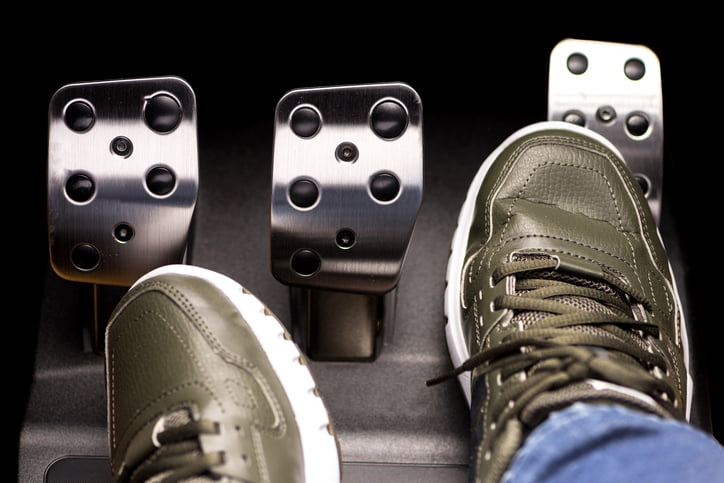
What is Engine Braking?
Rather than using the brakes, engine braking works by using the engine’s compression to create resistance. When the accelerator pedal is released, the engine’s intake valves close creating a vacuum that the cylinders must work against. The resulting compression opposes the rotation of the crankshaft which slows down the wheels. Drivers can control engine braking by controlling the vehicle’s RPMs by shifting gears to increase or decrease the compression force.
Benefits of Engine Braking
Reduce Wear and Tear on Brake Components
Engine braking allows the driver to slow down the car without applying the brakes. Excessive use of the brakes generates heat which causes premature wear to the brake pads and rotors.
Enhanced Control
A driver taking advantage of engine braking allows them to be more in control of their vehicle’s speed, notably when driving downhill or on a slippery surface. Engine braking can provide gradual deceleration without the driver having to risk losing control from applying the brakes too suddenly.
Improved Fuel Efficiency
When engine braking, modern cars are not injecting fuel for combustion meaning that zero gasoline is consumed.
When to Use Engine Braking
It’s important for drivers to know when it’s appropriate to use engine braking. Here are some scenarios when it can be particularly beneficial:
Descending Steep Hills or Mountains
When driving downhill, engine braking can help maintain a safe and controlled speed without riding the brakes. This gives your brakes more stopping power when needed as it reduces brake fade caused by excessive heat.
Slippery Road Conditions
When the road is wet, icy, or covered in loose dirt, relying solely on the brakes can lead to loss of traction. Engine braking allows drivers to gradually slow down the vehicle and maintain control of the vehicle.
Navigating Traffic
In heavy traffic or stop and go situations, engine braking can help reduce wear and tear on the brakes by minimizing the need for frequent braking. Drivers must leave plenty of cushion with the driver ahead to make full use of engine braking in these conditions, as following too closely is a common cause of car accidents according to Koch & Brim.
How to Use Engine Braking Effectively
Effective engine braking is more than just letting off the throttle. Here are some tips on how to be more effective with engine braking.
Step 1: Downshift to a Lower Gear
To avoid coasting, which is separate from engine braking, downshift to a lower gear appropriate for your vehicle’s speed and road conditions. Higher RPMs will maximize the engine’s braking power. Drivers can continue downshifting into a lower gear to keep RPMs high as the car slows down.
Step 2: Release the Gas Pedal
Once in a lower gear, release the gas pedal completely. This will close the throttle and create the vacuum that will slow down engine and, in turn, vehicle speed.
Step 3: Apply Steady Pressure to the Brake Pedal
Engine braking can help in slowing down your car, but it’s important to remember that brakes still play a crucial role in bringing the vehicle to a stop. Apply steady pressure to the brakes to supplement the engine’s braking power. This ensures drivers maintain control over the rate of deceleration and can adjust it as needed. Try to avoid sudden or aggressive braking as it can lead to a loss of traction.
Master Braking Control
Incorporating engine braking into your driving techniques can provide several benefits for everyday driving. It can be tricky to get the hang of, so make sure to give it some practice to perfect your engine braking technique. You will be rewarded with less brake wear and an improved fuel economy figure.