
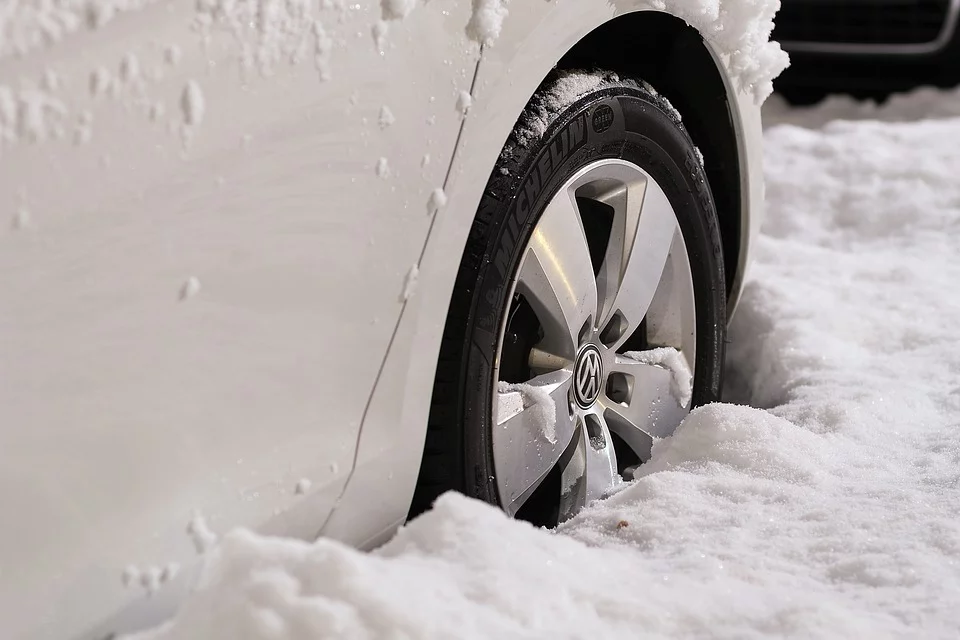
For many Americans, driving in the snow is an everyday part of life and has become second nature when the winter season arrives. For drivers inexperienced in handling these conditions, driving in snow can be a daunting task. Winter conditions call for taking some unique precautions and distinct skills. Here are the dos and don’ts of driving in the snow to help you stay safe and enjoy the snowy season to the fullest.
Preparing your Vehicle
Getting a vehicle winter ready takes a little more effort in order to handle the elements and some specialty snow equipment is required.
Winter Tires
One of the first and most important steps in preparing for snow driving is to equip the vehicle with winter tires. These specialized tires are designed to provide better traction on snow, ice, and cold weather, reducing the risk of slipping. Folks who live in a winter climate typically have a separate set of wheels and tires for winter. This makes swapping back to dry season tires simple once the snow clears.
Don’t attempt to drive on regular, all-season tires. They lack the grip, tread pattern, and lose effectiveness in cold temperatures. There are some exceptions, all season tires with the three peak mountain snowflake symbol on the sidewall are ready to handle lighter snow conditions.
Check Fluids
Ensure the vehicle’s fluids, including oil, antifreeze, and windshield washer fluid, are at the appropriate levels. Cold temperatures can affect these fluids, so regular checks during winter driving are crucial.
Battery Health
A strong and well maintained battery is essential for winter. Cold weather puts extra stress on batteries and their capacity may be reduced. Don’t wait until the battery fails in the middle of a snowstorm, regularly check your battery’s voltage to ensure proper starts in harsh conditions.
Driving Techniques for Snow
Slow and Steady Wins the Race
In snowy conditions, maintain reduced speeds. Drive slower than usual and allow for extra room in front for more braking room. The distance required to stop goes up significantly due to limited traction in the snow.
Smooth Braking and Acceleration
Practice smooth and gentle braking and acceleration to maximize traction. Sudden, jarring inputs to the gas and brake pedal can result in a slide. Gradual and controlled inputs are more effective in snow and ice.
Additional Safe Driving Tips
The Dos
- Keep your lights on. Keeping the lights on anytime the vehicle is being driven in the snow will increase your visibility to other drivers. In a snowy, low contrast environment, any visibility boost is encouraged.
- Clear all snow from the vehicle. Before driving, clear all snow and ice from the vehicle. Snow and ice can fall off the vehicle and cause a hazard for other drivers. In many states, it is against the law to drive with excessive snow on the car.
- Stay informed about weather conditions. Check the weather forecasts and road conditions before the drive. Plan your route
The Don’ts
- Don’t use cruise control. Maintain complete control over your vehicle in snowy conditions.
- Don’t turn off traction control. Traction control may be able to help get your vehicle unstuck, but should be left on in normal driving. This will help maximize the vehicle’s grip.
Stay Calm and Arrive Safely
Driving in the snow can be stressful, but it’s important to stay calm. Focus on driving, be patient, and avoid sudden maneuvers to get to your destination in one piece. If conditions become too treacherous, find a safe place to pull over until it’s safe to get back on the road. By following these guidelines, drivers will be well equipped to handle wintery roads. If you do find yourself involved in a car accident due to somebody else’s poor winter driving, a Denver car accident lawyer from Dormer Harpring can help you recover.