
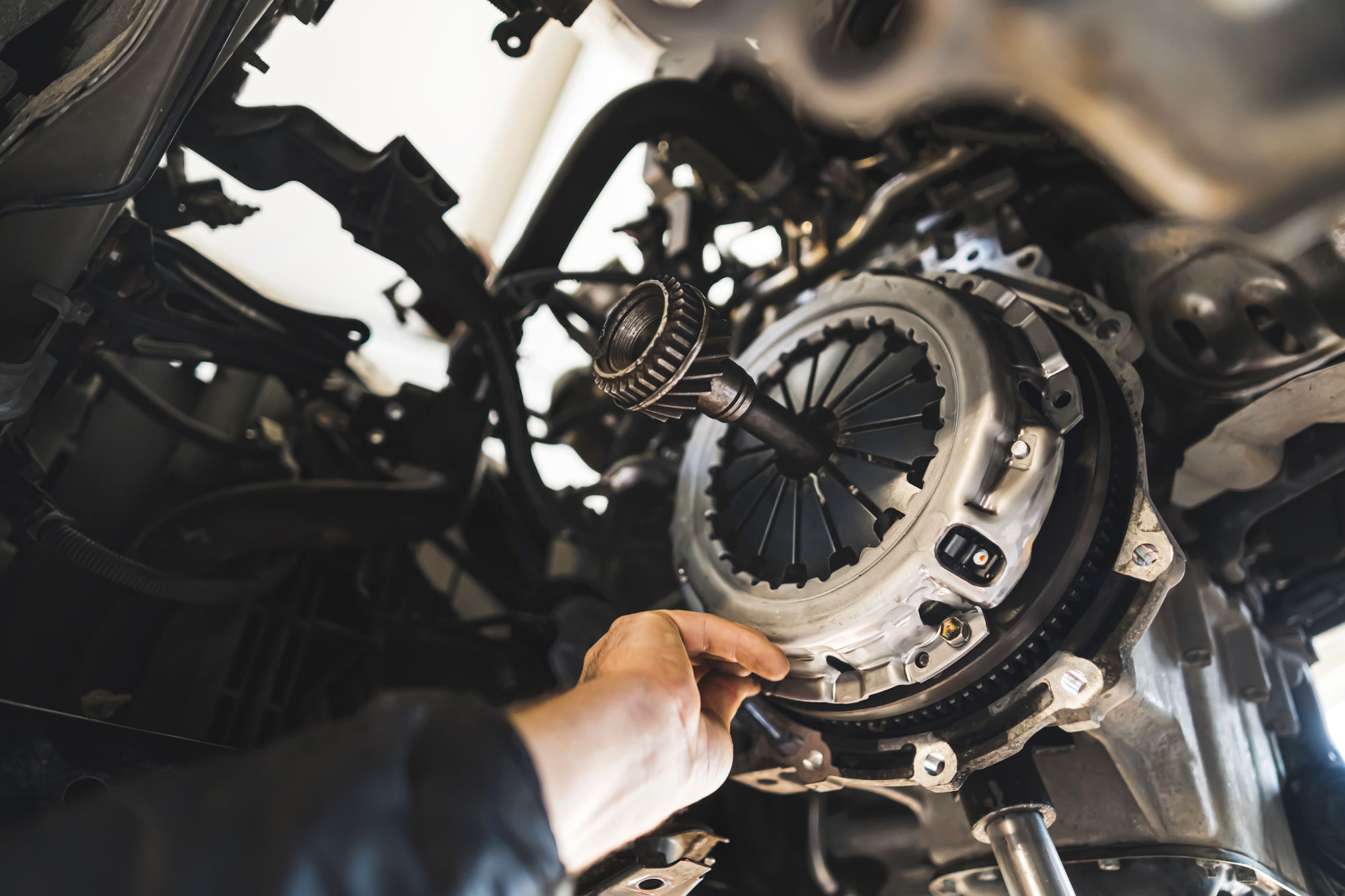
Quality car clutches are vital components in manual transmission vehicles that allow for seamless gear transitions and efficient engine operation. When a clutch begins to fail, it can significantly impact your driving experience and vehicle performance. Early diagnosis can save you from costly repairs and ensure your car stays in optimal condition. This guide will outline the five essential steps to diagnose car clutch issues effectively.
1. Identify Symptoms
Before diving into specific diagnostic steps, familiarize yourself with common symptoms of clutch problems. Understanding these signs can help you pinpoint issues faster and more accurately:
– Slipping Clutch: The most noticeable symptom is when the clutch slips during acceleration. This means the engine revs increase, but the vehicle speed does not correspondingly rise.
– Difficulty Shifting Gears: If you experience resistance or a grinding noise when attempting to shift gears, it could indicate clutch issues.
– Unusual Noises: Listen for squeaking or growling noises when pressing or releasing the clutch pedal.
– Spongy or Stiff Pedal: This can signal a problem with the clutch hydraulics or the presence of air in the system.
– Burning Smell: A noticeable burnt odor, especially during clutch use, often signifies excessive clutch wear.
2. Perform Visual Inspection
A visual inspection can reveal a lot about the condition of your car’s clutch. Here’s how you can perform a basic check:
Look for Fluid Leaks
– Inspect the area around the clutch master cylinder and slave cylinder for any signs of leaking fluid. Fluid loss can lead to hydraulic system failure, which directly impacts clutch operation.
Check Clutch Cable or Hydraulics
– For cable-operated clutches, inspect the cable for wear or fraying. For hydraulic clutches, make sure there are no leaks from the master and slave cylinders.
Examine the Clutch Pedal
– Check the pedal for unusual play or stiffness. Often, issues at the pedal can hint at broader problems within the clutch system.
3. Test Drive Analysis
Conducting a test drive is crucial for identifying clutch problems. Here’s what to focus on during your drive:
Gear Engagement
– Pay attention to how smoothly the gears engage. Difficulty in changing gears can be a clear sign of clutch trouble.
Clutch Slipping Test
– To test for clutch slipping, drive at a steady speed and then accelerate hard in a higher gear. If the engine revs increase disproportionately without a corresponding increase in vehicle speed, the clutch is likely slipping.
Listen for Unusual Sounds
– Drive with the windows down to more easily identify crunchy, squeaking, or growling noises, which can indicate various clutch-related issues.
4. Evaluate Clutch Pedal
The feel of the clutch pedal can provide insights into potential problems:
Check for Travel and Pressure
– The clutch pedal should have consistent pressure and travel smoothly. A spongy pedal might indicate air in the hydraulic system, while a hard pedal could suggest mechanical binding.
Inspect Pedal Free Play
– Excessive free play in the clutch pedal often points to cable or linkage problems, which can affect overall clutch performance. Adjustments might be needed to restore proper functionality.
5. Consult Professional Mechanic
If you’re unsure about any findings or if issues persist after your own diagnostics, consult a professional mechanic. A mechanic has specialized tools and expertise to diagnose and repair complex clutch issues effectively.
Use Advanced Diagnostic Tools
– Mechanics use advanced diagnostic tools to assess clutch system performance, including pressure tests and endoscopic inspections.
Detailed Inspection and Safety
– A professional can provide a thorough inspection, making sure that all potential problems, including hidden ones, are identified and addressed. This not only ensures the safety and efficiency of your vehicle but also extends its lifespan.
Conclusion
Diagnosing car clutch issues early can prevent significant damage and save you from expensive repairs. Keep in mind that regular maintenance and timely attention to any irregularities can greatly prolong the life of your clutch and improve your overall driving experience.