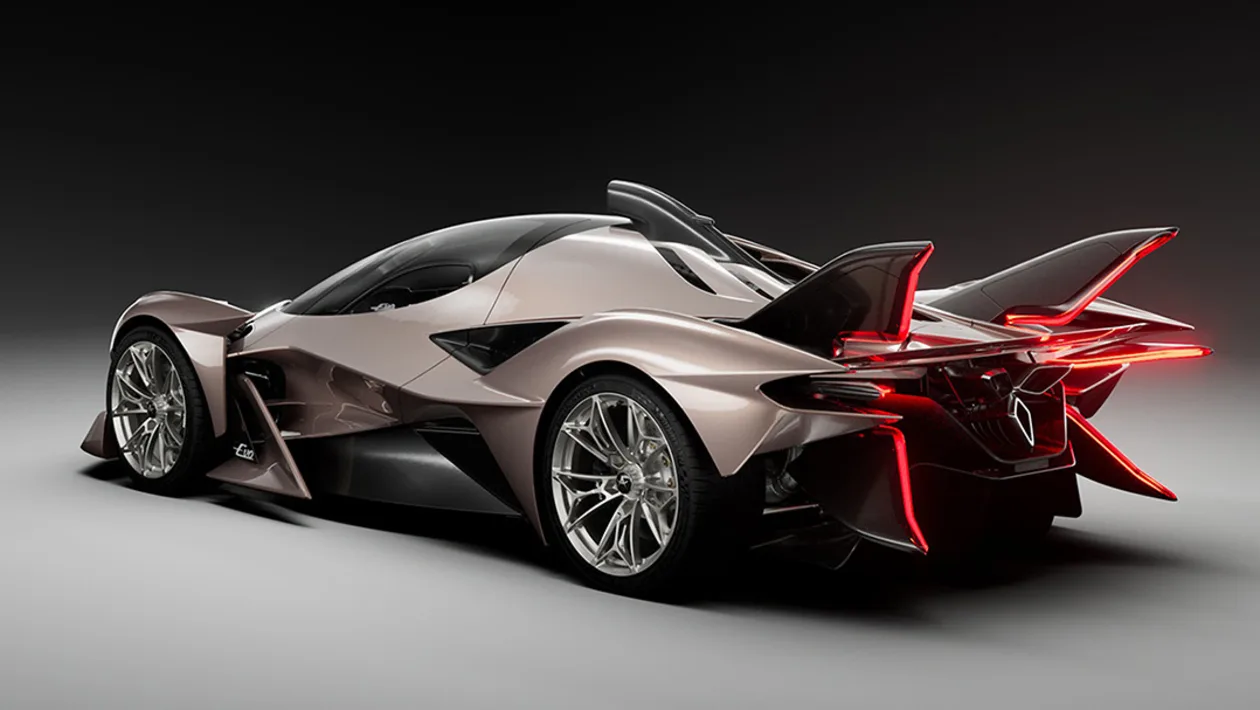
Apollo Automobil has revealed the full production specification of its new Apollo EVO, a feral, track-only hypercar that looks every bit as intimidating as it promises to sound.
The brand traces its roots back to Gumpert, the company behind the brutally focused Gumpert Apollo of the 2000s. Apollo Automobil launched in 2016 and, in the decade since, has built just 10 customer cars. Every one of them was the outrageous V12-powered Intensa Emozione.
The Apollo EVO will follow the same ultra-exclusive formula. Just 10 units will be produced, and it sticks with a naturally aspirated V12. The engine is the familiar 6.3-litre unit from the Intensa Emozione, originally sourced from Ferrari, but it has been pushed further. Output climbs from the 730 hp (544 kW) seen in the Ferrari F12 and the 770 hp (574 kW) of the Intensa Emozione to a full 800 hp (597 kW), with 765 Nm of torque available.
With a claimed kerbweight of just 1,300kg, which is lighter than a Ford Puma, Apollo says the EVO will sprint to 100 km/h (62 mph) in 2.7 seconds and hit a top speed of 335 km/h (208 mph). Realistically, it likely has more speed in reserve, but the priority here is downforce rather than vmax bragging rights. A hydraulically operated rear wing deploys in under a second and offers a wide range of attack angles. That wing alone can generate up to 1,350kg of downforce, although Apollo stops short of suggesting the car could run inverted.
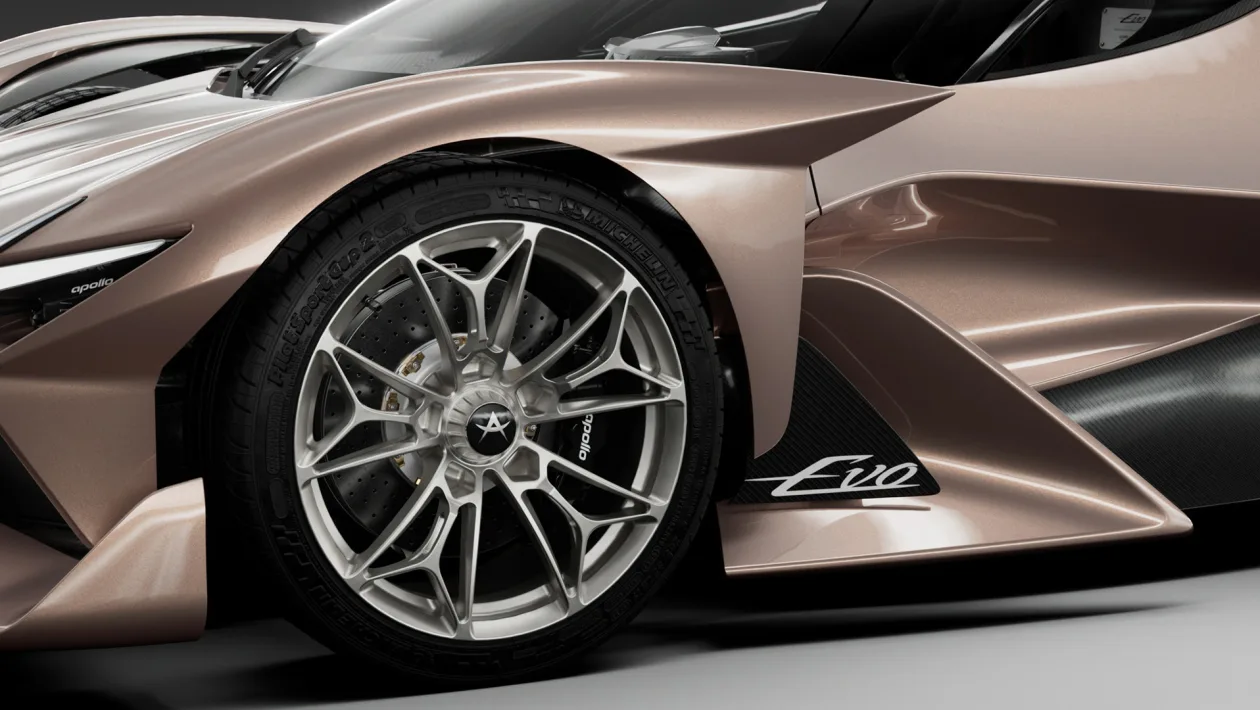
Drive is sent to the rear wheels through a six-speed sequential gearbox with a pneumatic paddle-shift system. It is rear-wheel drive only, but traction should not be in short supply thanks to 21-inch rear wheels and 20-inch fronts wrapped in Michelin Pilot Sport Cup 2 track tyres. Apollo says the forged aluminium wheels can be swapped for an alternative design optimised for slick tyres, and the carbon-ceramic brakes can also be replaced with racing steel brakes as part of an optional performance package.
Like the Intensa Emozione, the EVO’s body is constructed from carbon fibre. There is an all-new monocoque, though, weighing just 165kg. That is around 10 percent lighter than before, while offering a 15 percent increase in stiffness.
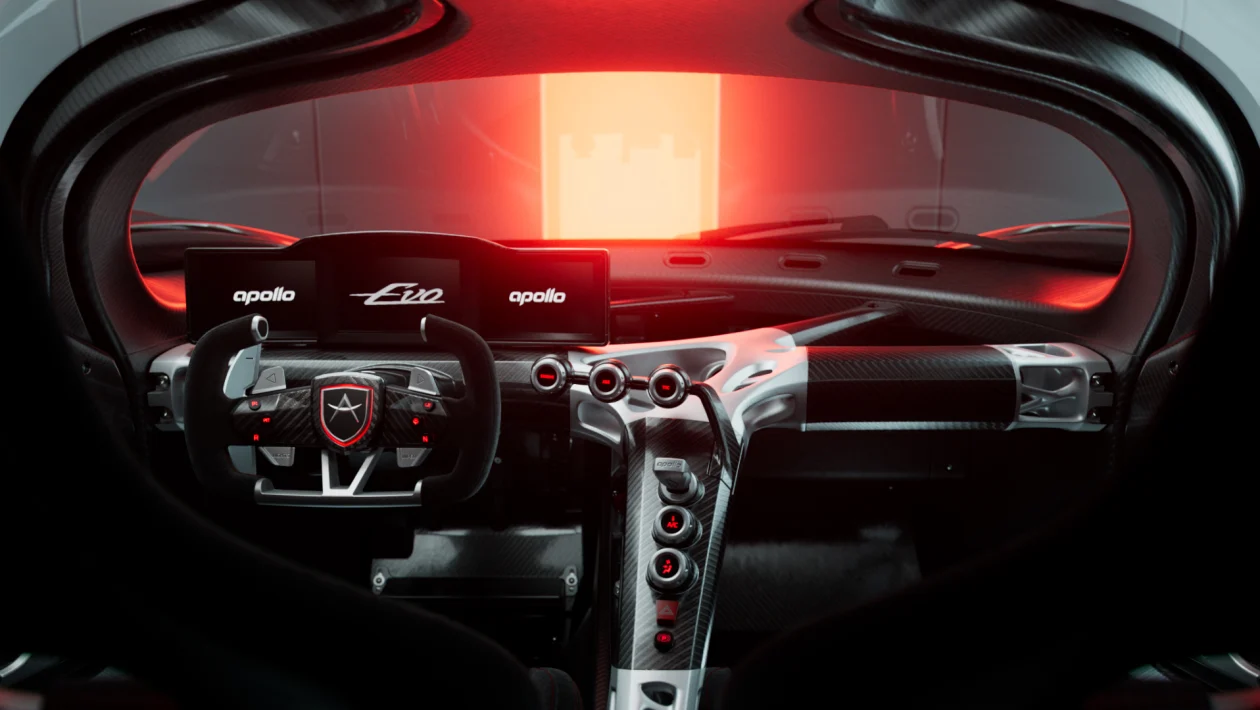
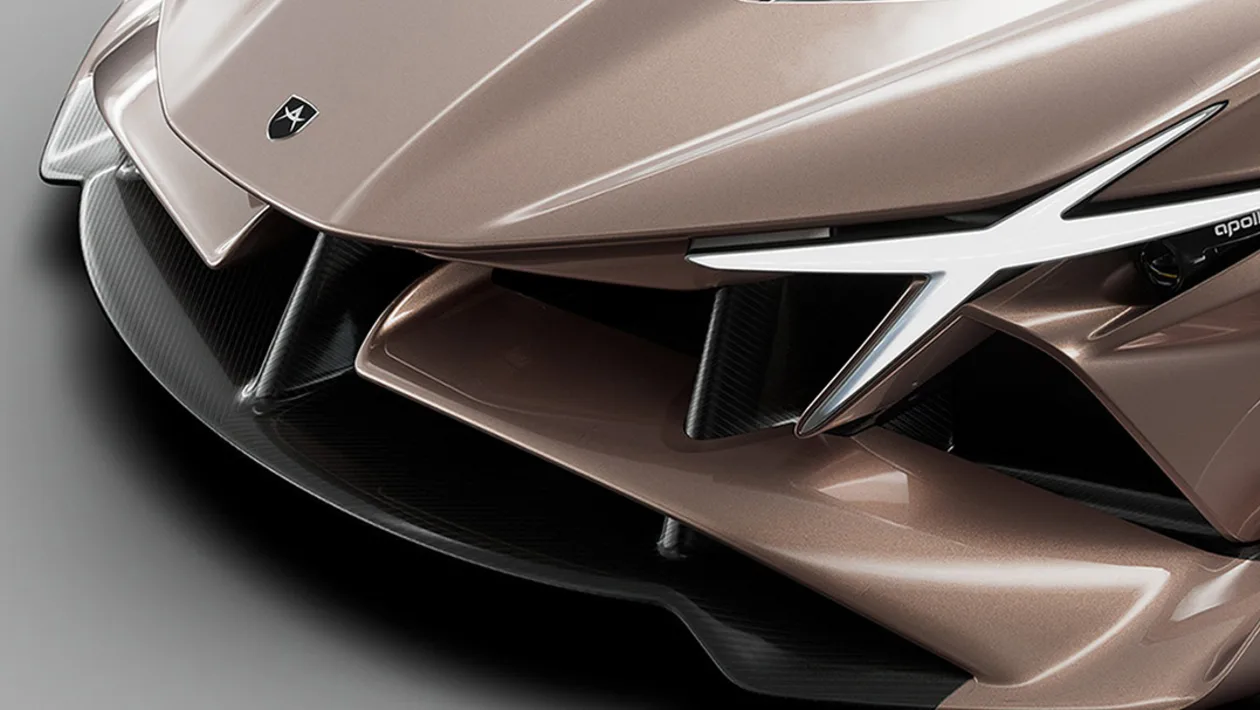
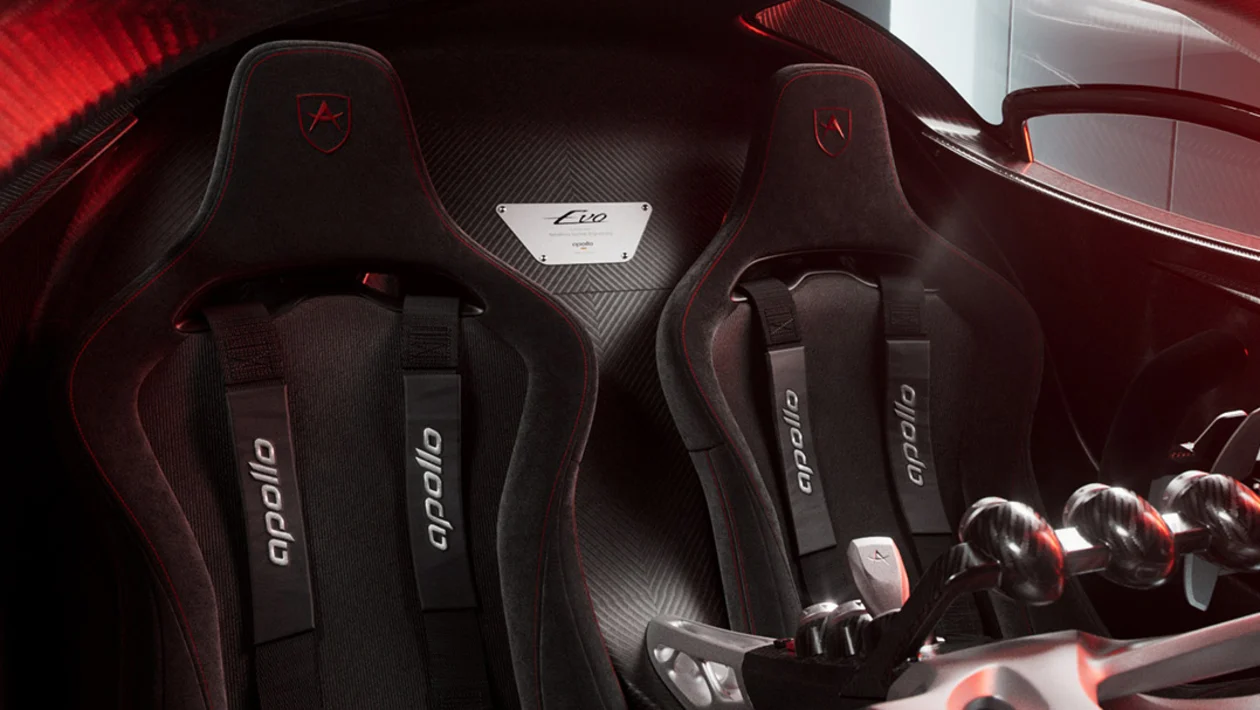
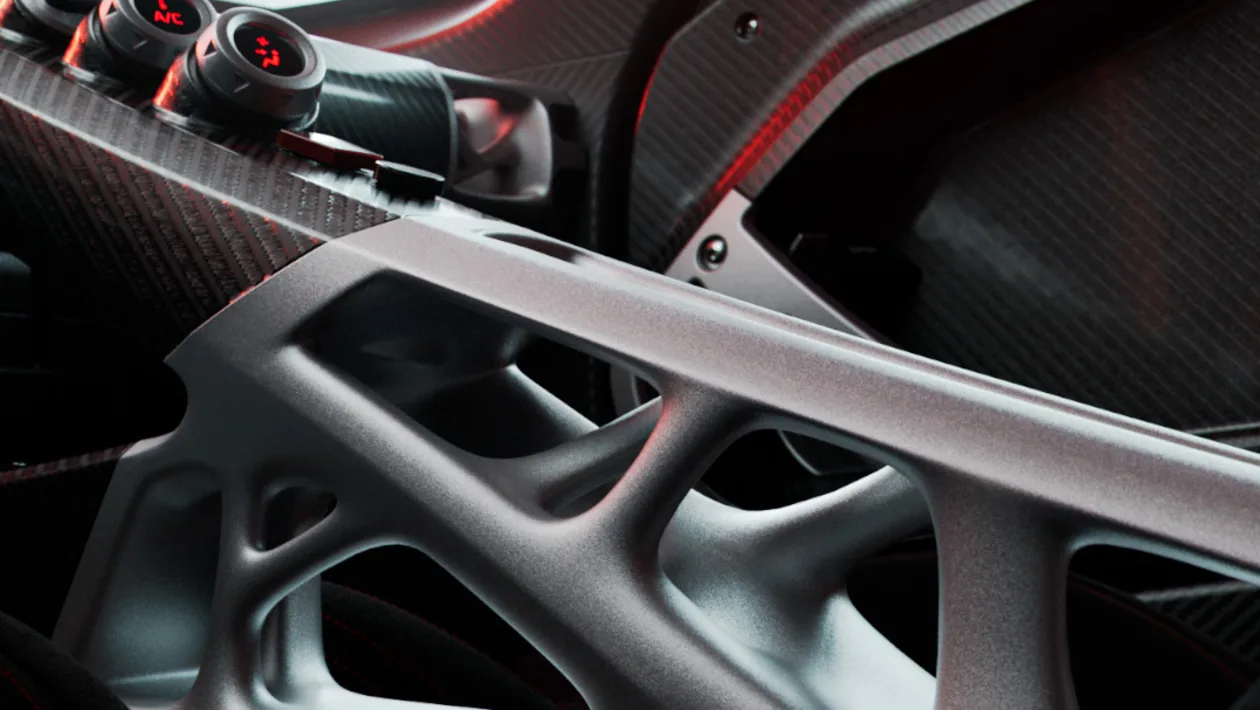
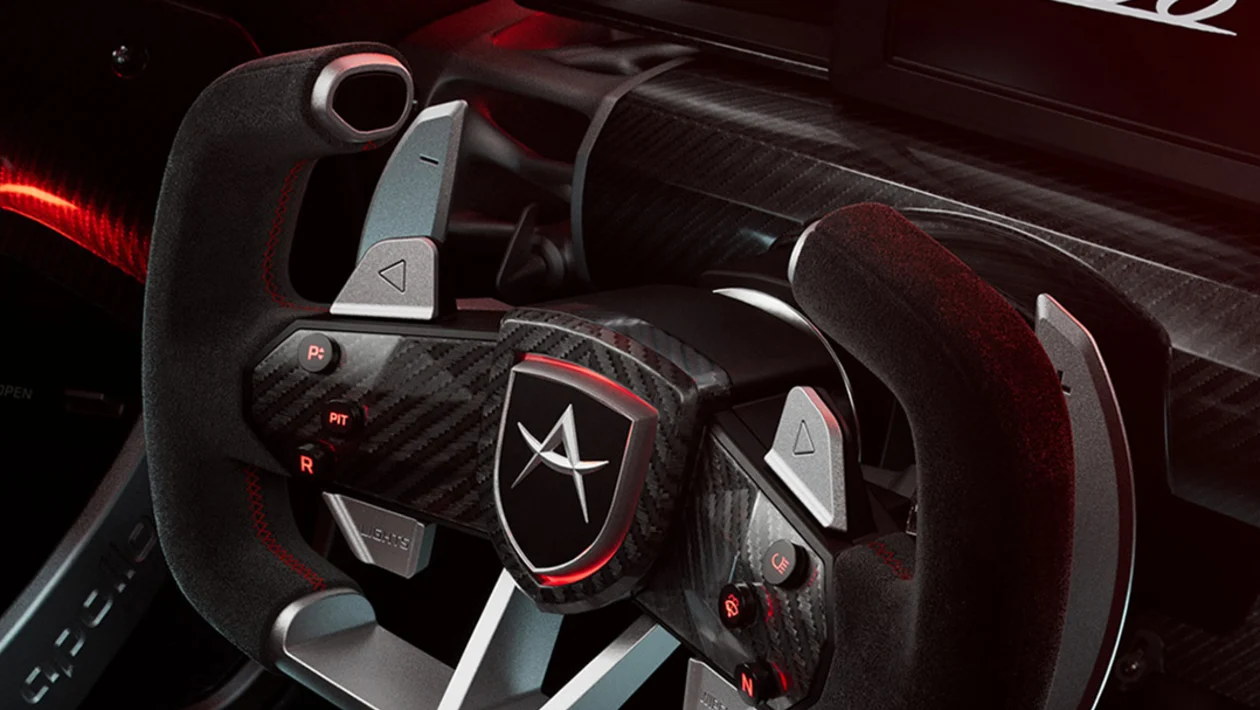
Visually, it is exactly what you would expect from Apollo. The design looks like something mid-transformation out of a Transformers film, with winglets, aggressive vents and exposed aero elements everywhere you look. The skeletonised aesthetic carries through to the cabin, where the lucky 10 owners will find an abundance of carbon fibre, motorsport-style switchgear, a yoke steering wheel, fixed bucket seats and full harnesses.
Apollo says no two EVOs will be the same thanks to its Apollo Forge programme, which allows for deep, bespoke customisation. Pricing starts at a staggering €3 million, with first customer deliveries scheduled for the first half of 2026.