
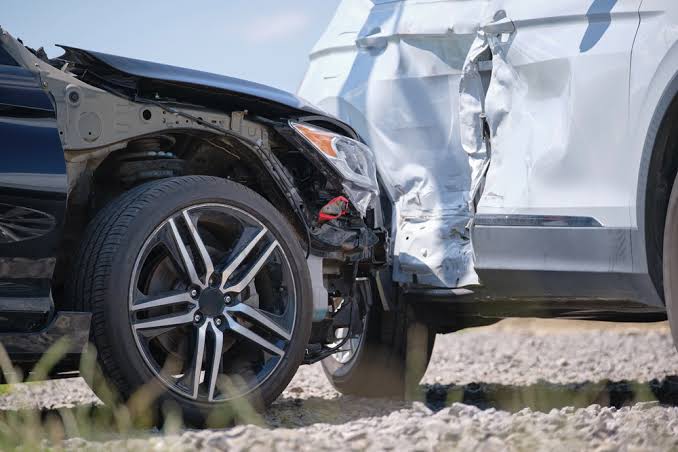
A cracked bumper or a crumpled fender tells only part of the story. Most car owners glance at the outside of their vehicle after a collision and form a judgment right away, either relief that it “isn’t that bad” or frustration at how much worse it looks than expected. Neither reaction accounts for what actually happens beneath the panels, where the real engineering of a car lives. Frame rails, subframes, engine mounts and suspension geometry absorb far more force than most drivers realize, and none of that shows up in a quick look at the paint.
Even a low speed tap can send energy through a car’s crumple zones, which are built specifically to bend and redirect impact away from the cabin. That protective design is exactly why a vehicle can look mostly fine on the surface while hiding a bent control arm, a shifted subframe or a radiator support that no longer sits where it should. Getting a full read on a car after any kind of impact means looking well past the dented metal, and that broader picture is where the rest of the story, including everything that follows a crash, really begins.
Where the Paperwork Starts to Matter as Much as the Metal
Once the initial damage gets assessed, attention usually shifts toward a different set of questions. Who covers the repair bill, what the impact speed actually was, whether there’s a police report on file, and how the timeline of events gets documented all start to carry as much weight as the physical repair itself. This is often the point where a car owner realizes that fixing the vehicle and settling the financial side of things are two very separate battles, and the second one tends to drag on far longer than anyone expects.
For many drivers, this stage is when specialized legal representation enters the picture, particularly firms built around handling disputes that arise from a car accident. According to Obral Silk & Pal, these practices work closely with mechanics, appraisers and sometimes medical providers to build a full account of what the crash actually cost the vehicle owner, not just in repair estimates but in lost time, diminished value and, where relevant, injury. A firm familiar with this kind of claim knows how insurers tend to undervalue damage or argue that certain issues existed before the crash, and having someone who can push back on that makes a measurable difference in the outcome.
How Body Shops Decide What Gets Fixed and What Gets Replaced
Every repair facility works from a similar starting point, an estimate built around manufacturer repair standards, but the decisions that follow are rarely as simple as patch versus replace. Shops weigh whether a bent panel can be pulled back into shape without compromising structural strength, or whether the safer and often cheaper long term option is a full replacement part. Original equipment parts tend to fit better and hold their integrity longer, while aftermarket components can save money upfront but sometimes introduce small inconsistencies in fit or material strength.
Labor costs often end up shaping these decisions just as much as parts pricing does. A frame that technically can be straightened might still get flagged for replacement if the labor hours required push the total cost close to what a new subframe would run. Shops that skip this kind of careful judgment tend to produce repairs that look clean in photos but develop rattles, alignment issues or premature wear within a year or two, which is exactly the outcome any serious car owner wants to avoid.
The Quiet Way Accidents Follow a Car’s History
A car that has been in a serious collision carries that history long after the repair is finished. Vehicle history reports now flag accident records in a way that shapes resale value for years, and buyers shopping for a used car have grown far more comfortable pulling that data before making an offer. A clean repair job does not erase the record, and most experienced buyers know to ask pointed questions when a listing seems priced a little too well for its mileage and condition.
Private sellers often underestimate how much this history affects negotiations. Even a well documented, professionally completed repair can knock a meaningful percentage off resale value simply because the accident exists on paper. Being upfront about it tends to build more trust with a buyer than trying to gloss over it, and sellers who provide full repair documentation generally close deals faster than those who leave buyers digging for answers on their own.
Sensors, Cameras and the Tech That Has to Be Recalibrated
Modern vehicles carry a dense network of cameras, radar units and sensors that support features like lane keeping, automatic braking and adaptive cruise control. Even a minor bumper repair can knock these systems out of calibration, since many of them rely on precise physical positioning to function correctly. A shop that skips this recalibration step in the repair process, whether from oversight or an attempt to save time, can hand back a car that looks perfect but reacts incorrectly in situations where those systems are supposed to protect the driver.
Recalibrating this technology adds real cost and complexity to what used to be a straightforward bumper job. It usually requires specialized equipment and a controlled environment, which not every repair shop has on site. Drivers who skip verifying this part of the repair often don’t notice a problem until months later, when a safety feature either fails to engage or triggers at the wrong moment, by which point tracing the issue back to the original repair becomes much harder.
Getting a Full Picture Before Calling the Car Fixed
Everything a crash touches, the frame, the paperwork, the resale value and the electronics, ties back to the same underlying point. A car that looks repaired on the surface can still be carrying unresolved issues in several directions at once, and treating any single piece of that puzzle as the whole story tends to leave car owners worse off down the road. Whether the concern is structural integrity, a fair settlement or a properly functioning safety system, the full picture only comes together when each piece gets checked on its own terms.
Car owners who take the time to look past the obvious damage, ask the right questions of their repair shop, and get proper support on the financial and legal side of things tend to come out of a bad situation in far better shape. A crash disrupts more than a car’s appearance, and treating the recovery process with that level of seriousness is what actually gets a vehicle, and its owner, back to normal.