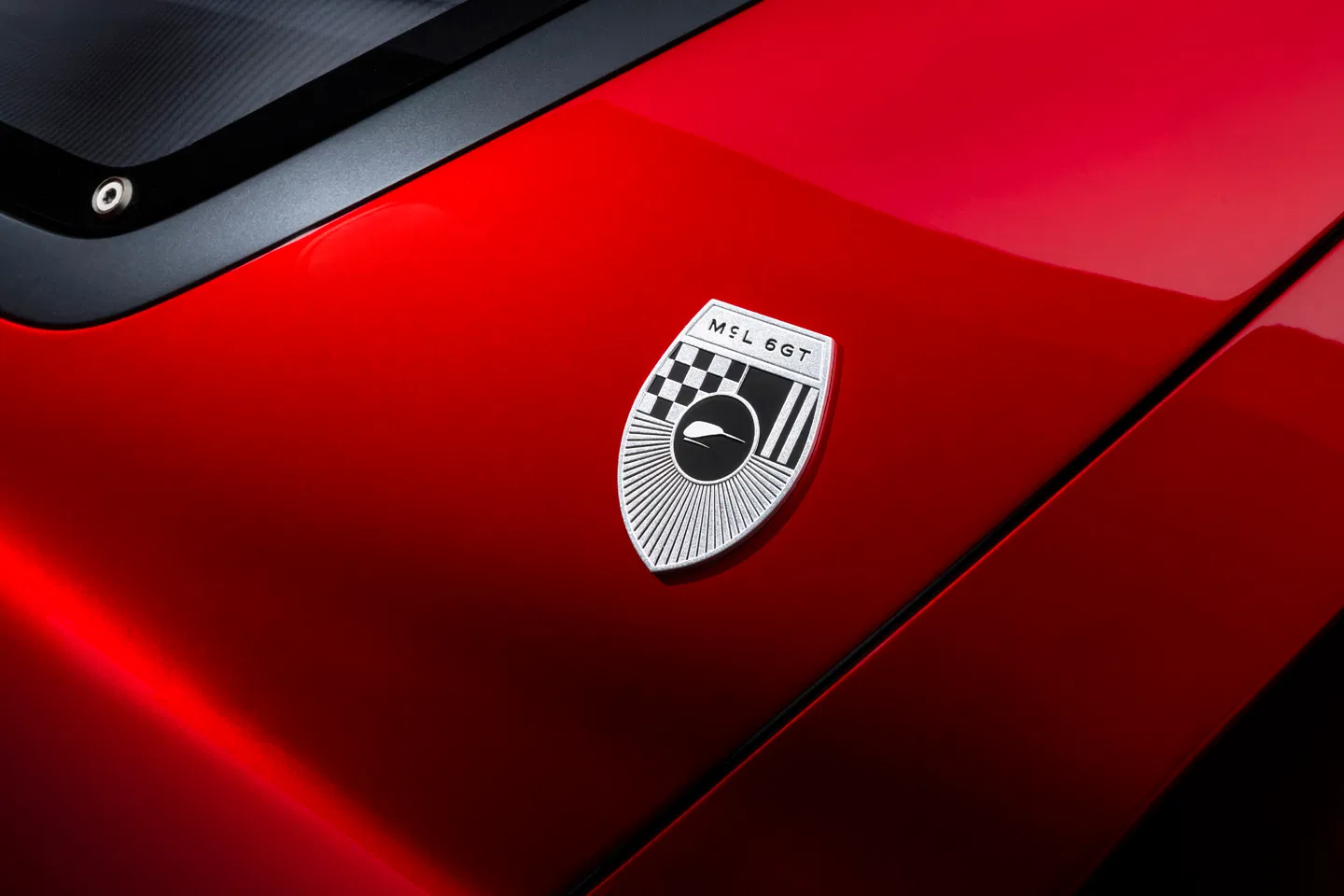
McLaren is digging deeper into its history for a new supercar that could become one of its most driver-focused road cars in decades. The McLaren McL 6GT has been revealed at Monterey Car Week as a concept previewing a production model scheduled to arrive in 2028.
Rather than chasing electrification, outright lap times or increasingly complex technology, the McL 6GT takes McLaren in a different direction. A V8 engine, manual gearbox, hydraulic steering and a cabin centred around physical controls form the basis of a car designed to put driver involvement ahead of everything else.
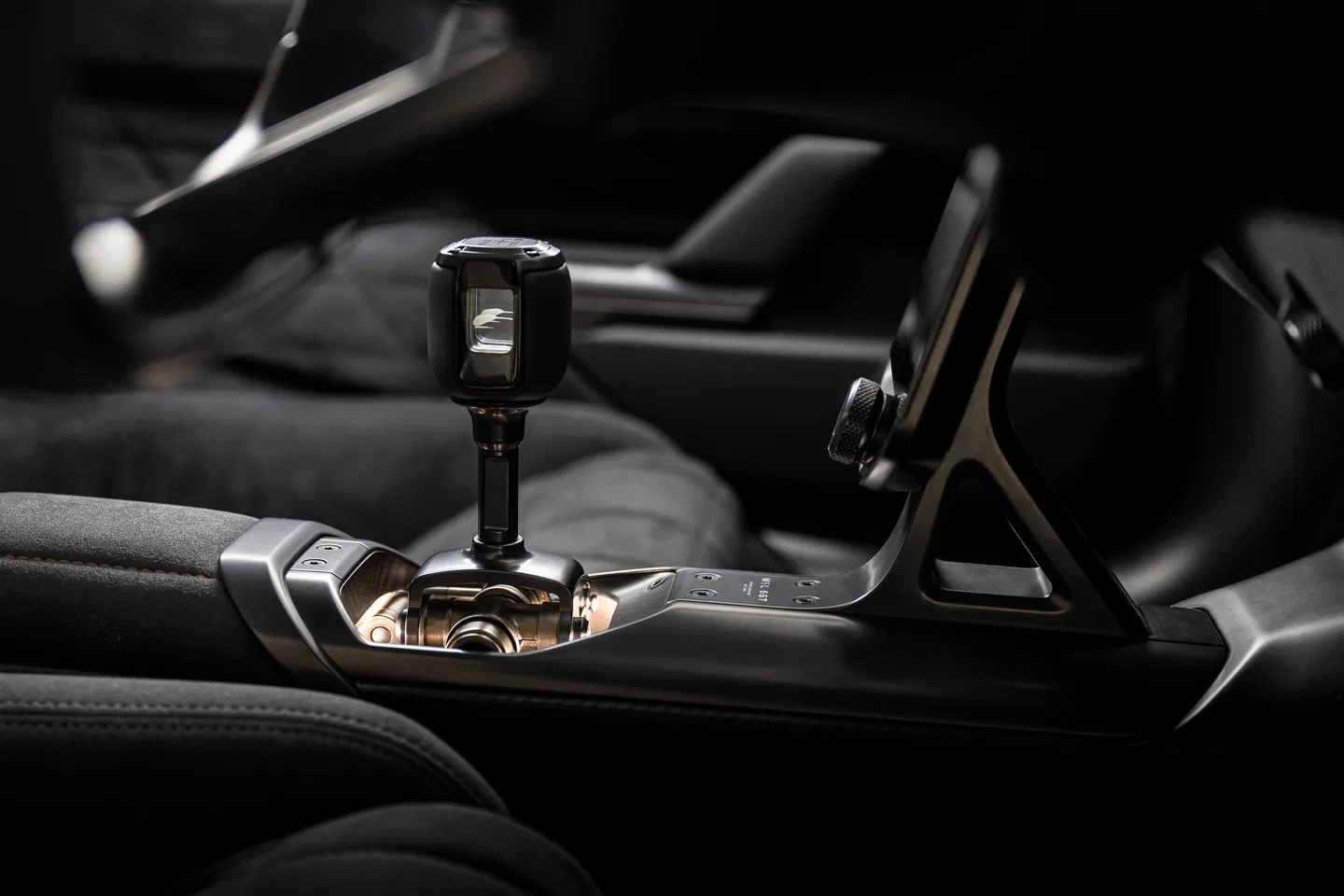
Perhaps most importantly, it marks the return of a manual transmission to a McLaren road car for the first time since the legendary F1.
McL 6GT Takes Inspiration From Bruce McLaren’s M6GT
The timing makes plenty of sense following McLaren Special Operations’ recent restoration of the original M6GT.
Bruce McLaren’s M6GT project was intended to take the company’s racing expertise onto the road, but his death in 1970 meant he never saw that ambition develop into a series-production road car.
More than five decades later, McLaren is revisiting the idea.
The McL 6GT isn’t intended to be a replica of the original. Instead, the company has taken the philosophy behind the M6GT and reworked it around modern McLaren engineering.
The concept previews a production car due in 2028 and represents a notable expansion beyond the familiar formula established by McLaren’s current supercar range.
A V8 With A Manual Gearbox
McLaren has yet to reveal full technical specifications for the McL 6GT, but one detail will immediately grab enthusiasts’ attention: it has a manual gearbox.
The transmission will be paired with a V8 engine and drive the rear wheels, with reports indicating the concept uses a twin-turbocharged V8.
McLaren hasn’t disclosed power, torque or performance figures yet. That almost seems secondary to the point of the car.
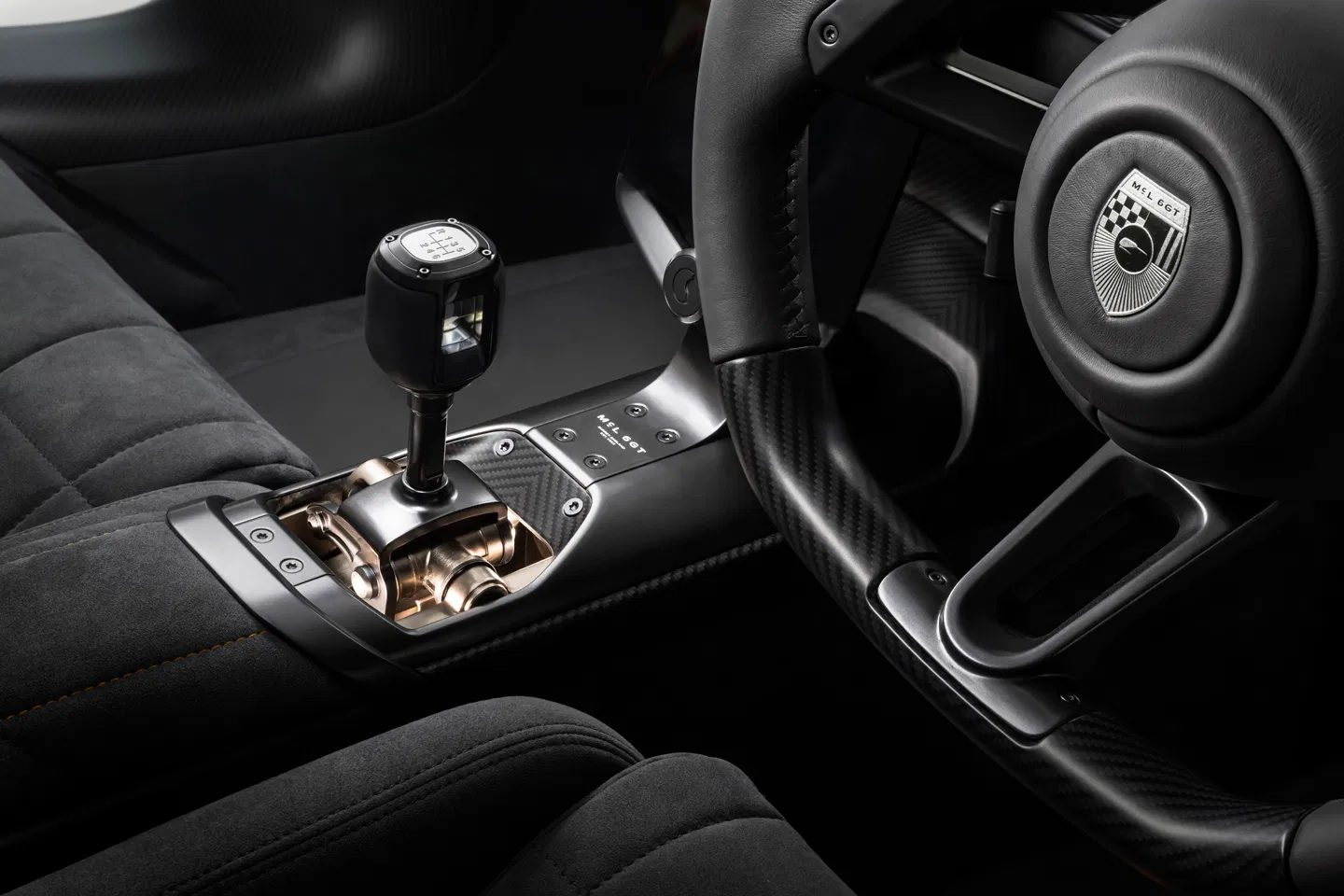
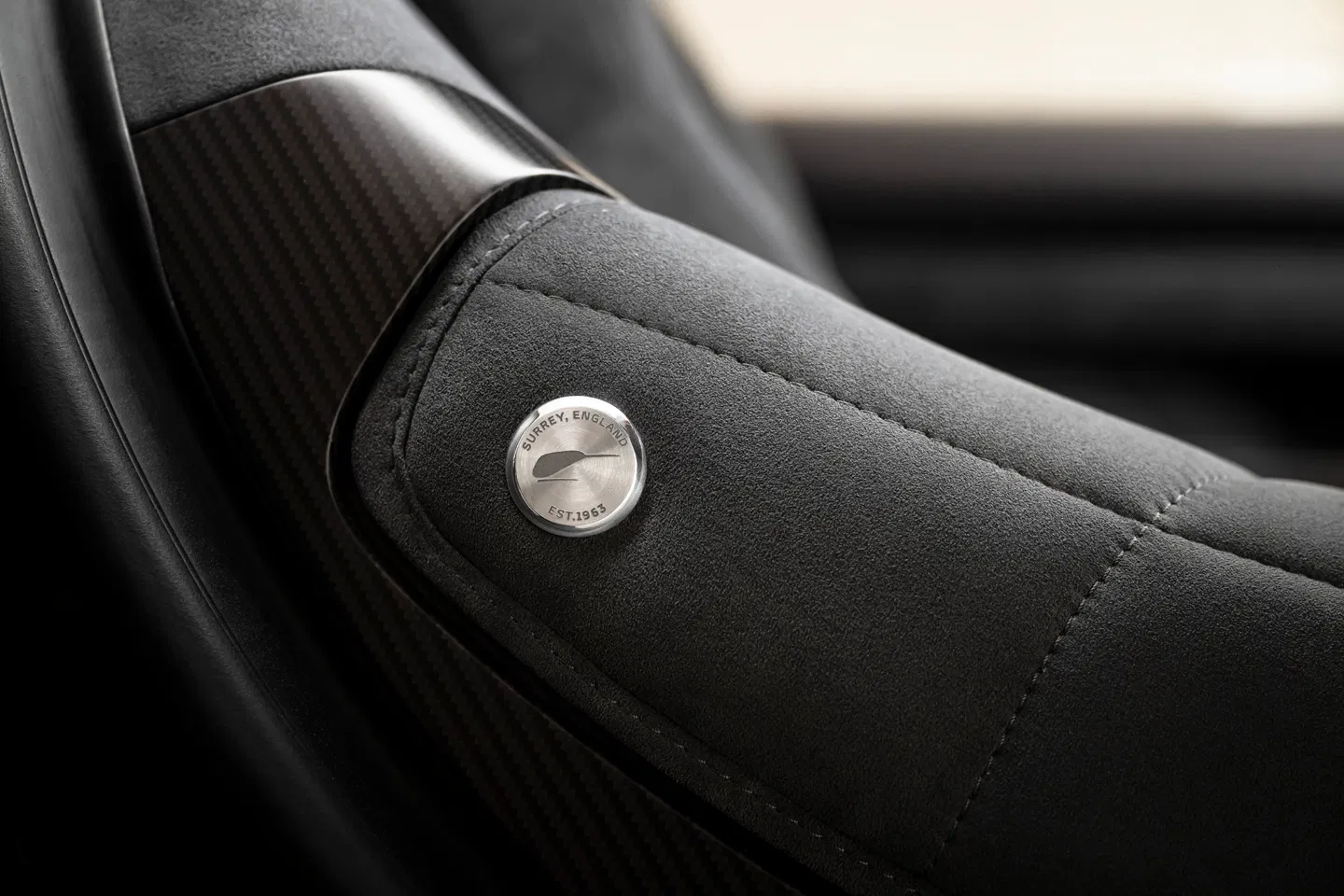
Instead, considerable attention has been given to how the McL 6GT feels from behind the wheel. The manual gearshift has been engineered around its movement, weighting and mechanical feedback, while a three-dimensional Speedy Kiwi emblem sits inside the upright gear lever.
Hydraulic steering adds another increasingly rare ingredient.
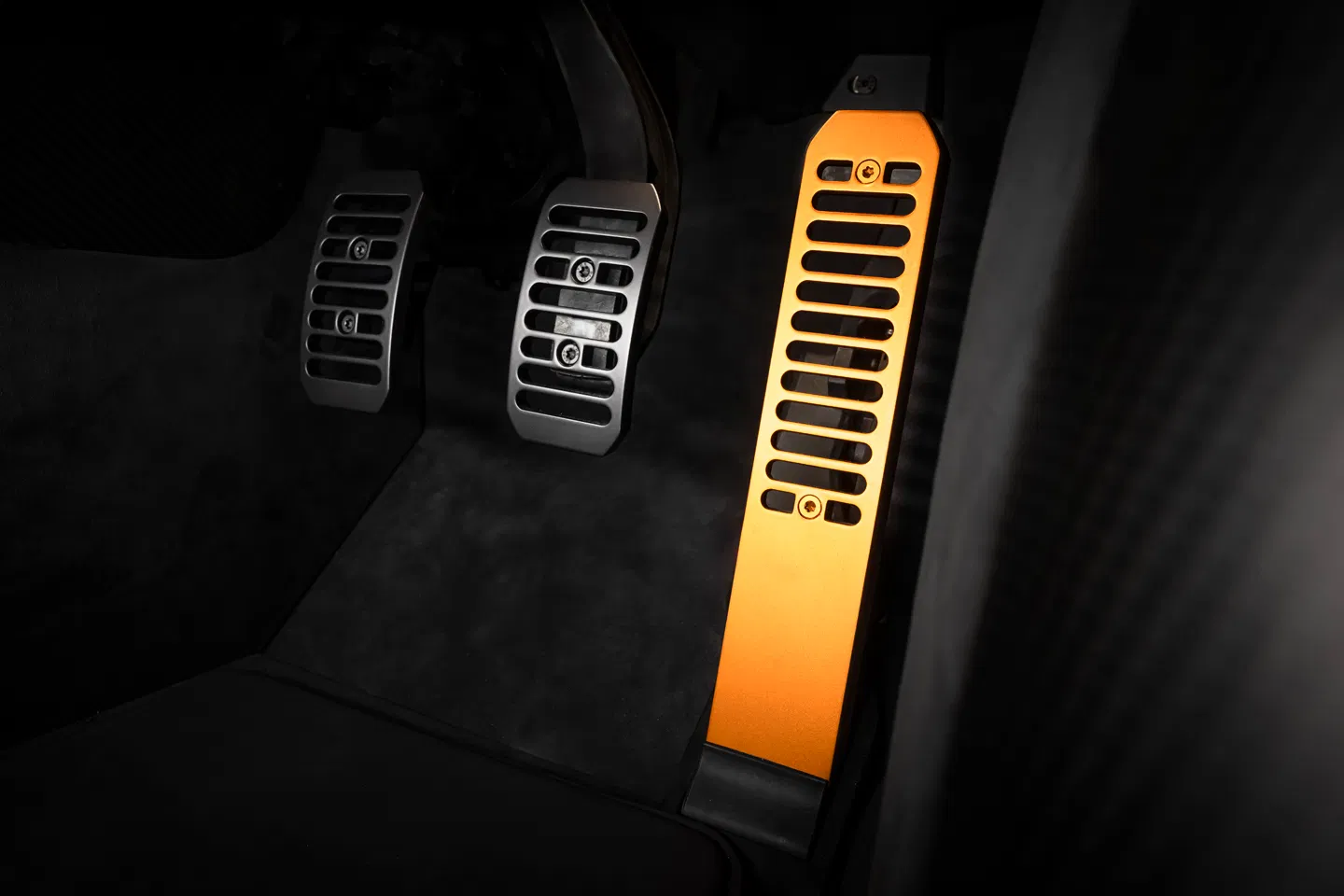
Together with machined aluminium controls and traditional tactile switchgear, McLaren wants the McL 6GT to deliver a noticeably more mechanical driving experience than its existing dual-clutch supercars.
Retro Influence Without Going Full Retro
The original M6GT has also played a major role in shaping the exterior.
McLaren hasn’t attempted to recreate the dramatic proportions of the 1960s machine. Modern safety requirements, packaging and aerodynamics make that virtually impossible anyway.
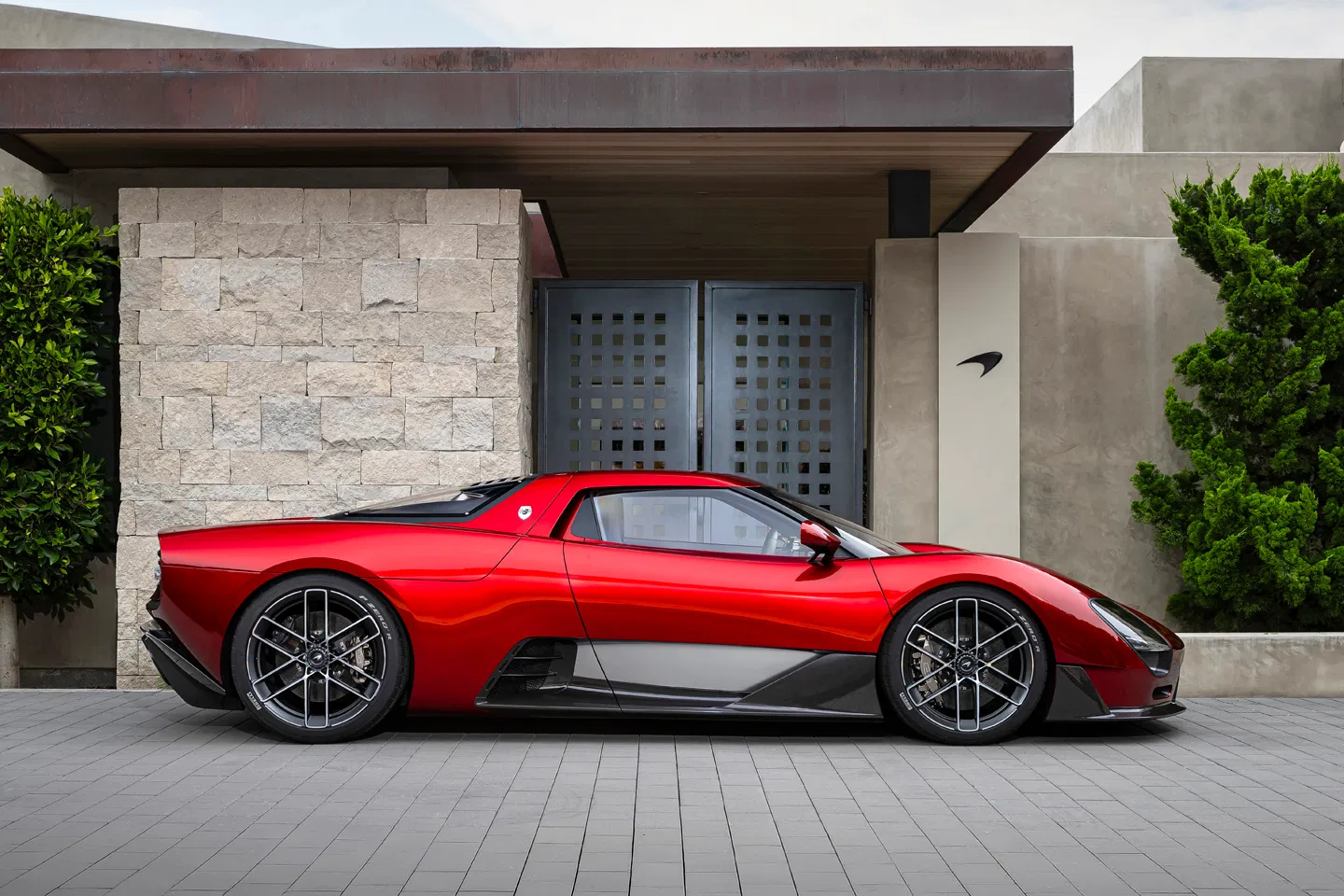
Instead, the designers have focused on the smooth surfaces and uninterrupted shapes associated with sports prototypes from that era.
The familiar low-slung, mid-engined McLaren proportions remain, but the McL 6GT moves away from some of the styling themes shared by cars such as the Artura and 750S.
Its body has been designed to appear as one continuous shape rather than a collection of increasingly complicated aerodynamic elements.
McLaren Keeps The Rear Surprisingly Clean
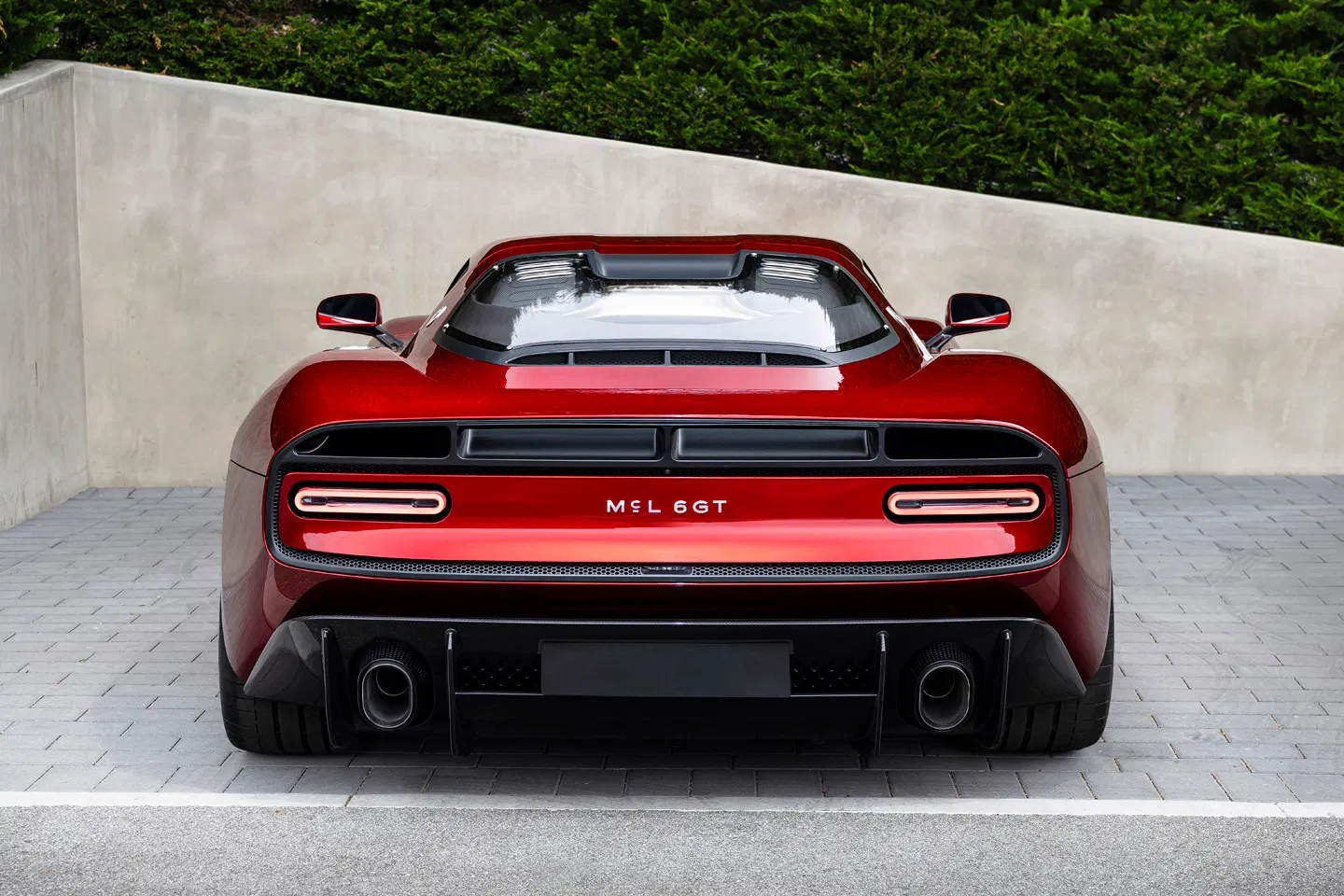
The retro influence becomes particularly noticeable at the back.
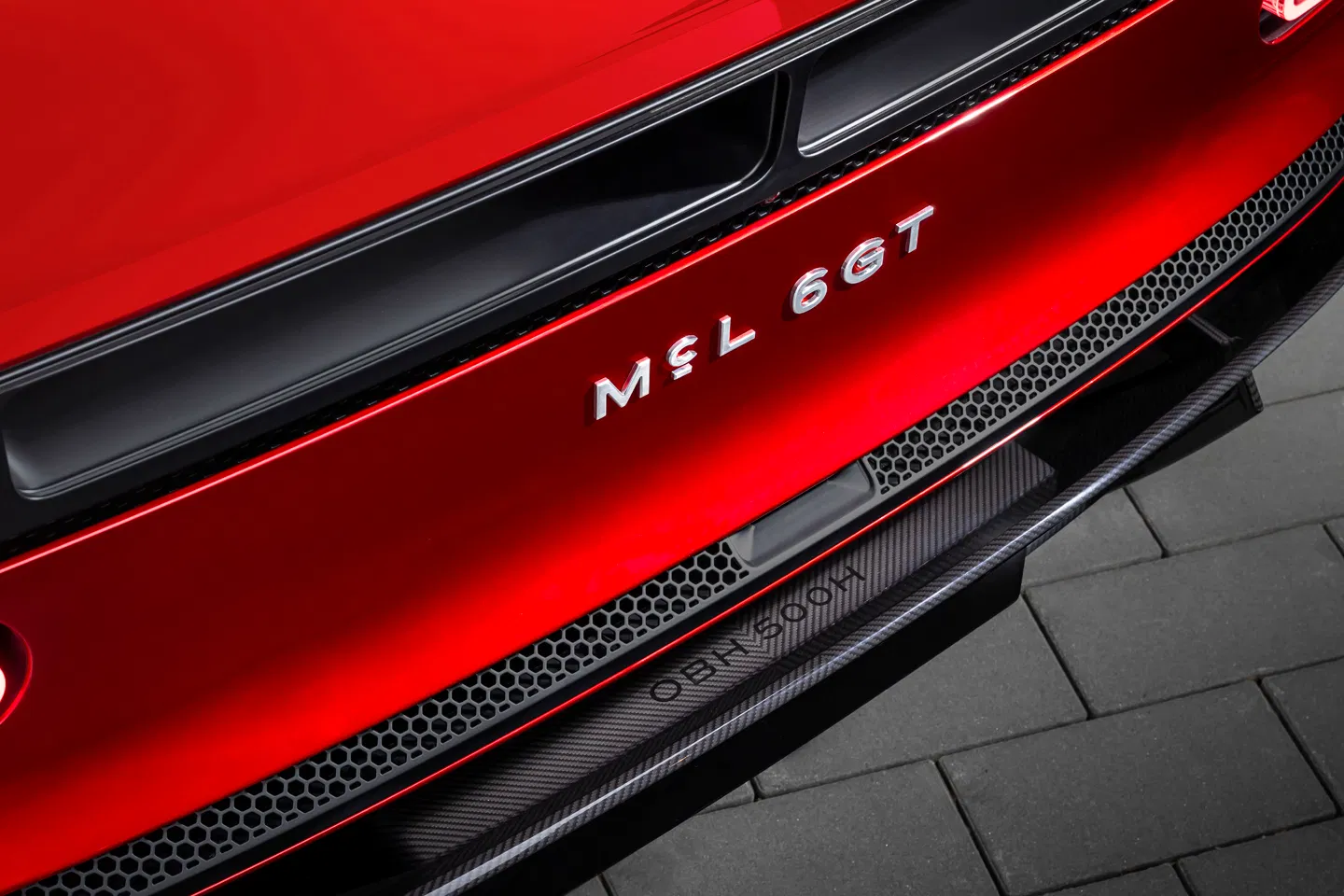
A new ‘Racing Loop’ lighting signature takes inspiration from the original M6GT’s rear lights, while a Kamm-style tail gives the concept a distinctive silhouette.
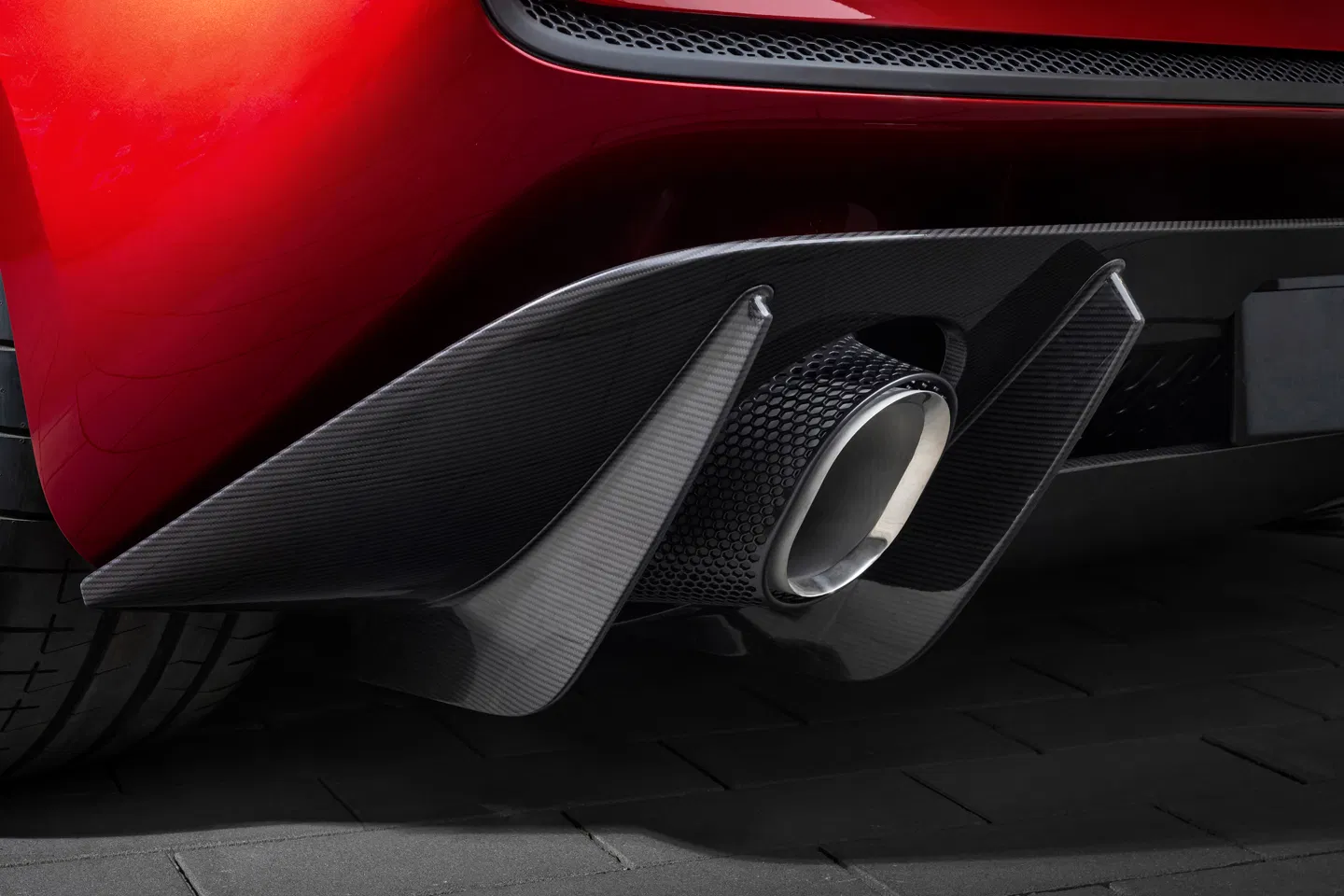
Twin exhaust outlets are positioned low in the rear bodywork, and McLaren has resisted the temptation to make an enormous diffuser the dominant feature of the design.
Carbon fibre is extensively used throughout the McL 6GT, including its bodywork and underlying monocoque.
There are still obvious links with today’s McLaren range inside. The digital instrument display, for example, appears closely related to hardware already used elsewhere in the line-up.
That isn’t particularly surprising. McLaren isn’t presenting the project as an entirely clean-sheet vehicle, and using existing architecture where appropriate should allow the company to focus development resources on the areas that make the McL 6GT different.
A Different Direction For McLaren
The McL 6GT arrives at an interesting time for the British manufacturer.
McLaren is preparing to expand beyond the traditional two-seat supercar market, with reports suggesting a more practical V8-powered model could also arrive around 2028. We previously covered the company’s plans for a future McLaren SUV with hybrid V8 power.
Against that backdrop, the McL 6GT serves a very different purpose.
Instead of expanding McLaren’s audience through practicality, it doubles down on the qualities enthusiasts traditionally associate with lightweight sports cars: rear-wheel drive, hydraulic steering, a combustion engine and three pedals.
McLaren CEO Nick Collins describes the project as a modern interpretation of the road car Bruce McLaren wanted to create, combining that original ambition with another six decades of engineering development.
No pricing, production numbers or final technical specifications have been announced.
With the road-going version not expected until 2028, there is still plenty of development ahead. More details are likely to emerge throughout 2027 as McLaren moves the concept closer to production.