
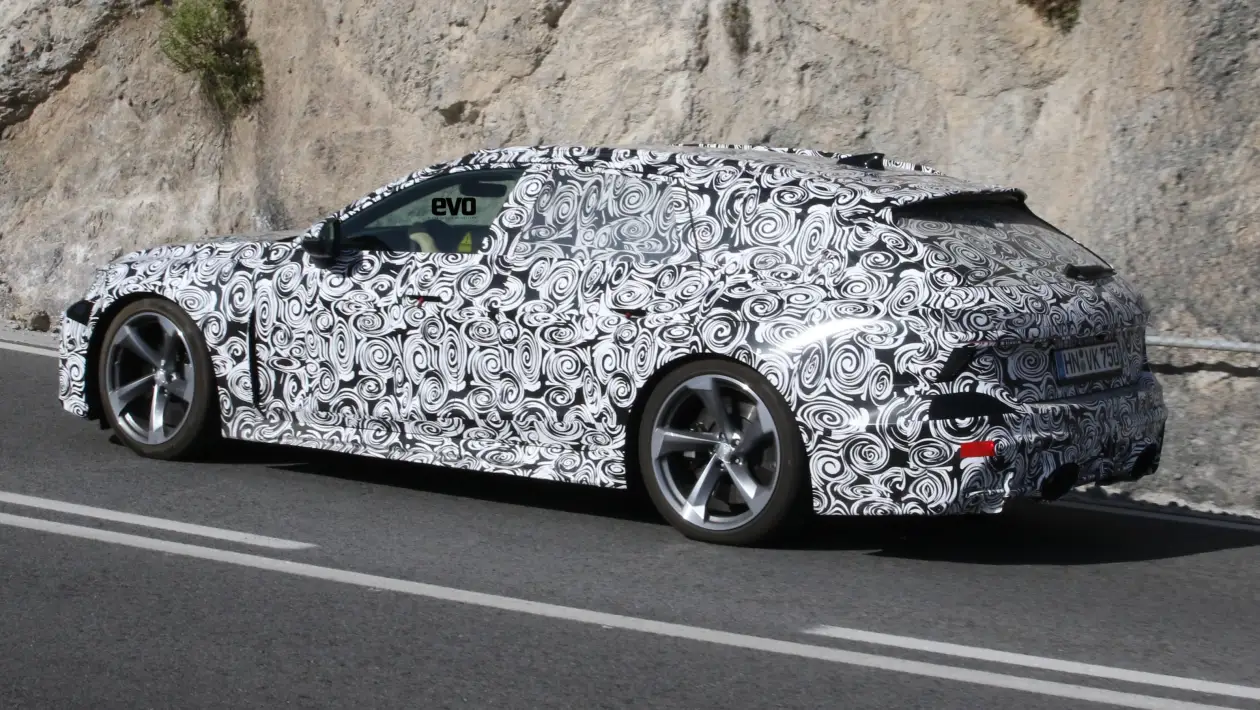
Audi’s next generation RS6 is edging closer to production, but buyers will have to wait a little longer than expected. While the high-performance model was originally tipped to arrive before the end of 2026, the latest information suggests the official unveiling has now been pushed back to March 2027.
The upcoming C9-generation RS6 promises a major shift in both technology and powertrain strategy while continuing to offer the blend of everyday usability and serious performance that has made the badge so popular.
New PPC Platform Underpins the C9 RS6
The new RS6 will ride on Audi’s Premium Platform Combustion (PPC) architecture, the brand’s latest platform for internal combustion and electrified performance models.
Unlike some previous generations that were limited to the Avant estate, the C9 RS6 is expected to be offered in both Avant and Sedan body styles, giving buyers a choice between two practical yet high-performance body styles.
Plug-in Hybrid V6 Replaces the V8
According to sources, Audi is expected to retire the iconic V8 in favour of a plug-in hybrid V6 powertrain.
Although speculation has suggested the RS6 could adopt a twin-turbocharged V8 plug-in hybrid setup similar to other Volkswagen Group performance models, current information indicates that such an option is unlikely to make production.
Instead, the new electrified V6 is expected to produce approximately 750 hp. While official torque figures have yet to be confirmed, that level of output should comfortably place the new RS6 among the fastest performance wagons and sedans on sale.
Power will continue to be sent to all four wheels through Audi’s renowned quattro all-wheel-drive system, ensuring strong traction and everyday usability regardless of the weather.
Set to Challenge the German Heavyweights
When it finally arrives, the C9 RS6 will square off against two familiar rivals: the latest BMW M5 and the upcoming Mercedes-AMG E63.
The move to plug-in hybrid power reflects the direction of the segment, with manufacturers increasingly combining electrification with high-output combustion engines to meet emissions targets without sacrificing performance.