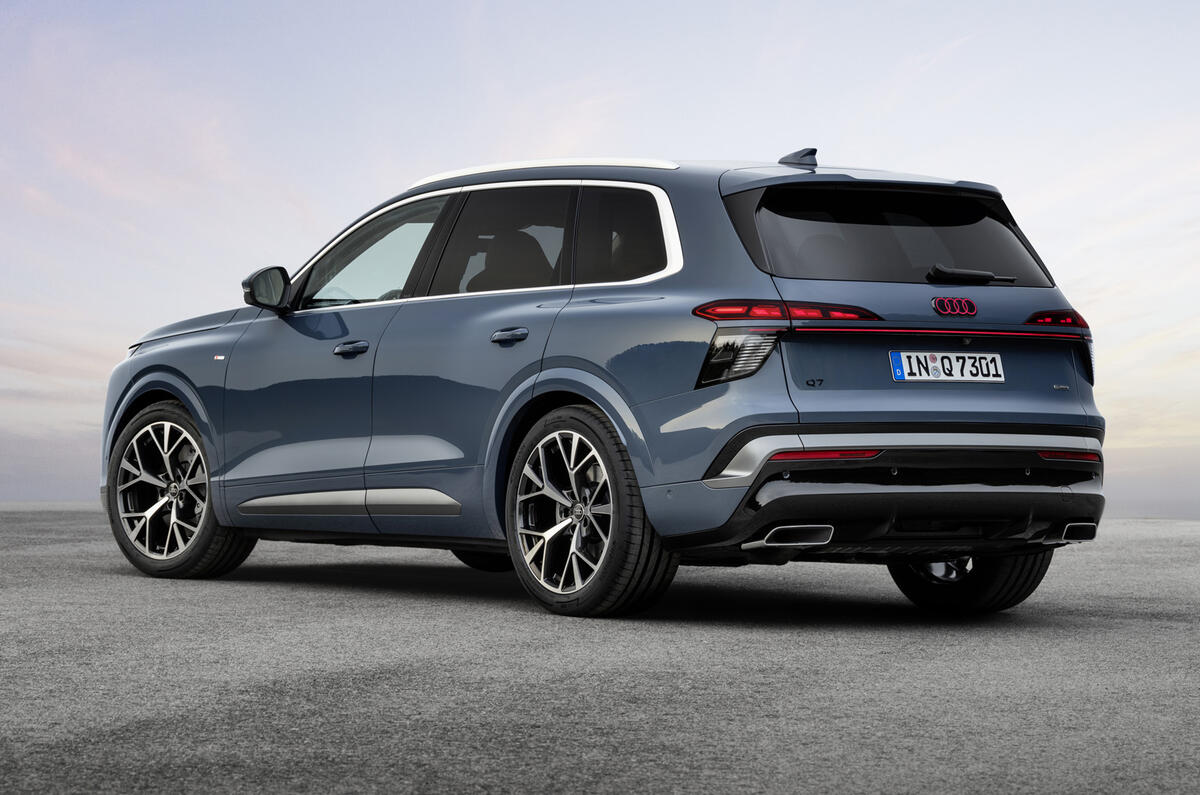
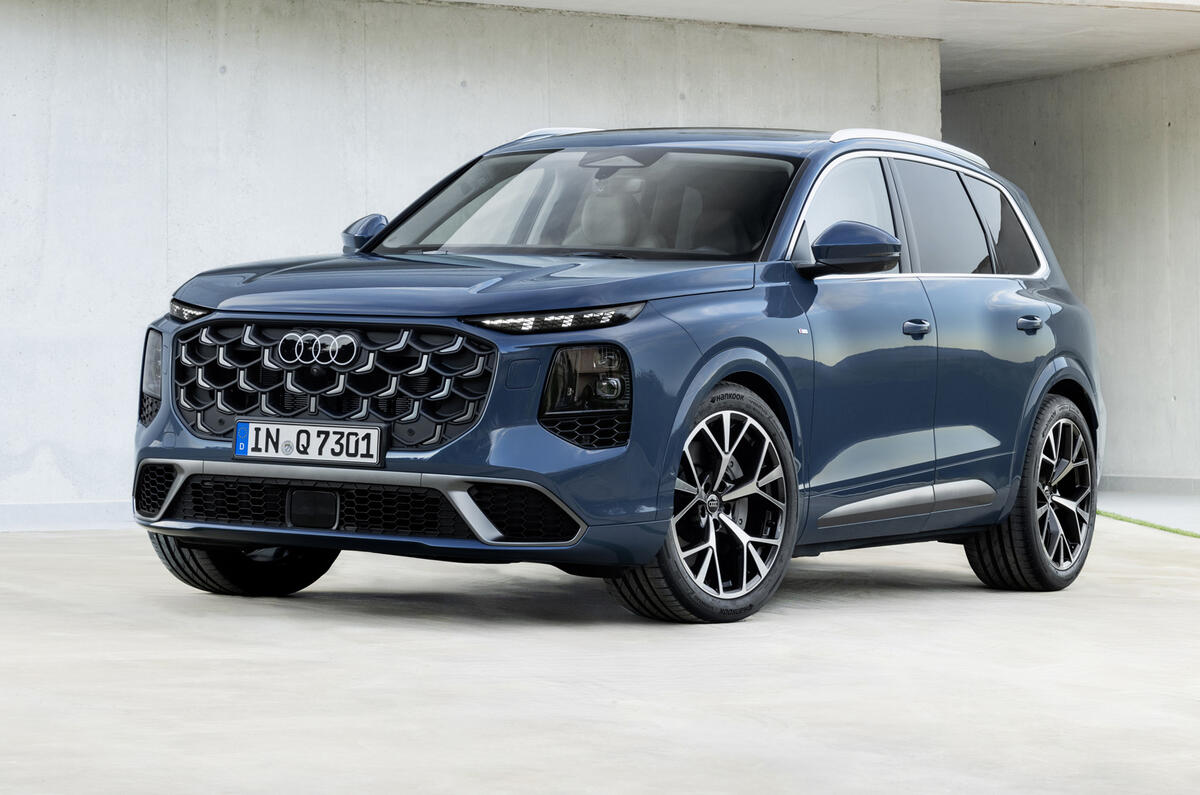
Audi has revealed an all-new third-generation Q7, bringing a dramatic redesign, a more advanced platform and a new-generation diesel powertrain to its flagship family SUV.
It enters one of the most competitive SUV segments, taking aim at rivals such as the Volvo XC90 and Hyundai Santa Fe.
Built on Audi’s Premium Platform Combustion architecture, which also underpins the latest A5, A6 and Q5 models, the new Q7 introduces a more upright and practical design philosophy than its predecessor.
Sharper Styling and More Practical Proportions
Where the outgoing model featured a flowing and curvaceous shape, the latest Q7 adopts a cleaner two-box silhouette with straighter lines and a more commanding road presence.
The revised proportions are not only intended to improve visual impact but also maximise interior space and practicality. Audi says the design language creates a stronger SUV identity, a theme that will soon be extended to the larger Q9 flagship SUV, which is expected to rival the BMW X7 and Range Rover.
New Diesel V6 Debuts
At launch, Audi is simplifying the Q7 range by offering a single 3.0-litre V6 TDI diesel engine, available in two power outputs and paired with quattro all-wheel drive.
The new powerplant introduces several technologies aimed at improving efficiency, responsiveness and refinement. Alongside a conventional 48-volt mild-hybrid system, it also features an electric compressor and a powertrain generator. The electrically driven compressor can spin the turbocharger to 90,000 rpm in just 250 milliseconds, helping eliminate lag and improve low-end response.
The standard version develops 242 hp (180 kW) and 500 Nm (369 lb-ft) of torque.
Buyers looking for additional performance can opt for a higher-output version producing 295 hp (220 kW) and 630 Nm (465 lb-ft), making it slightly more powerful than the outgoing V6 diesel offered in the previous-generation Q7.
Audi says the power delivery has been engineered to feel smoother and more immediate, drawing comparisons to the seamless acceleration characteristics typically associated with electric vehicles.
The 48V system itself contributes an additional 24 hp (18 kW) and 370 Nm (273 lb-ft), assisting during acceleration while also enabling limited engine-off coasting at lower speeds.
Performance Models Still Unconfirmed
While diesel is the sole option for now, Audi has not ruled out expanding the powertrain range in future.
The previous-generation Q7 was offered with petrol, diesel and plug-in hybrid options, while performance enthusiasts could choose the SQ7, powered by a twin-turbocharged V8 delivering 500 hp (373 kW).
At this stage, Audi has not confirmed whether a new SQ7 will join the lineup.
Technology Takes Centre Stage
Inside, the Q7 adopts Audi’s latest digital cockpit design, centred around a full-width infotainment system similar to that found in the newest Audi models.
A self-learning voice assistant forms part of the package and integrates ChatGPT functionality, allowing occupants to control vehicle features and access information through natural voice commands while driving.
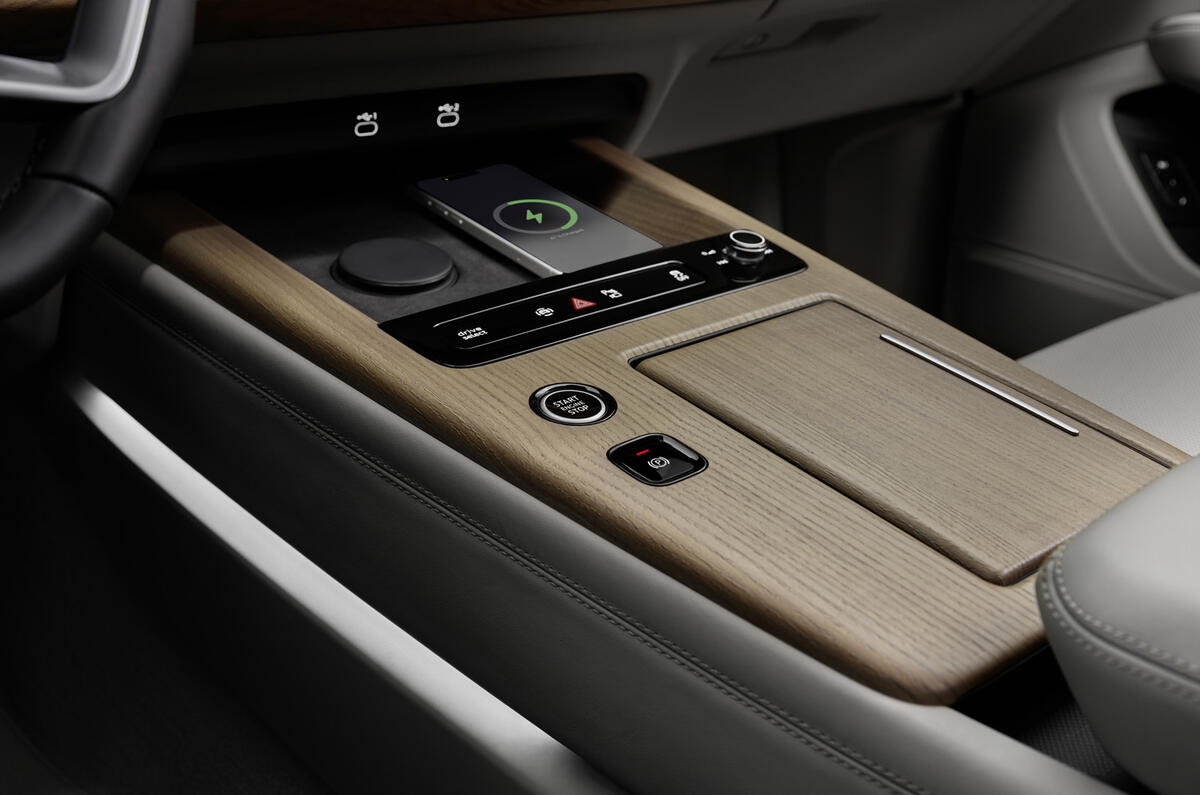
The cabin also introduces a wide range of premium comfort and technology features, including:
- Electrically adjustable air vents
- Cooled wireless charging pads
- Electrochromic panoramic glass roof
- 4D premium audio system
- Headrest-mounted speakers
- Seat-integrated vibration actuators
- Extensive personalisation options for colours and trim finishes
Flexible Seating and Increased Practicality
For the first time, Audi will offer the Q7 in five-, six- and seven-seat configurations.
All seating layouts feature electrically adjustable seats, providing greater flexibility for family buyers.
Cargo capacity reaches up to 670 litres with the third-row seats folded, while maximum luggage volume expands to an impressive 2,075 litres when both rear rows are stowed.
Air Suspension and Rear-Wheel Steering Available
The standard Q7 rides on steel suspension, but buyers can choose between two air-suspension systems.
The first is an adaptive air suspension setup with electronically controlled dampers, while the range-topping sport suspension lowers the vehicle by 30 mm and delivers a firmer, more dynamic driving experience.
Both systems are paired with all-wheel steering, improving manoeuvrability at low speeds while enhancing stability during highway driving.