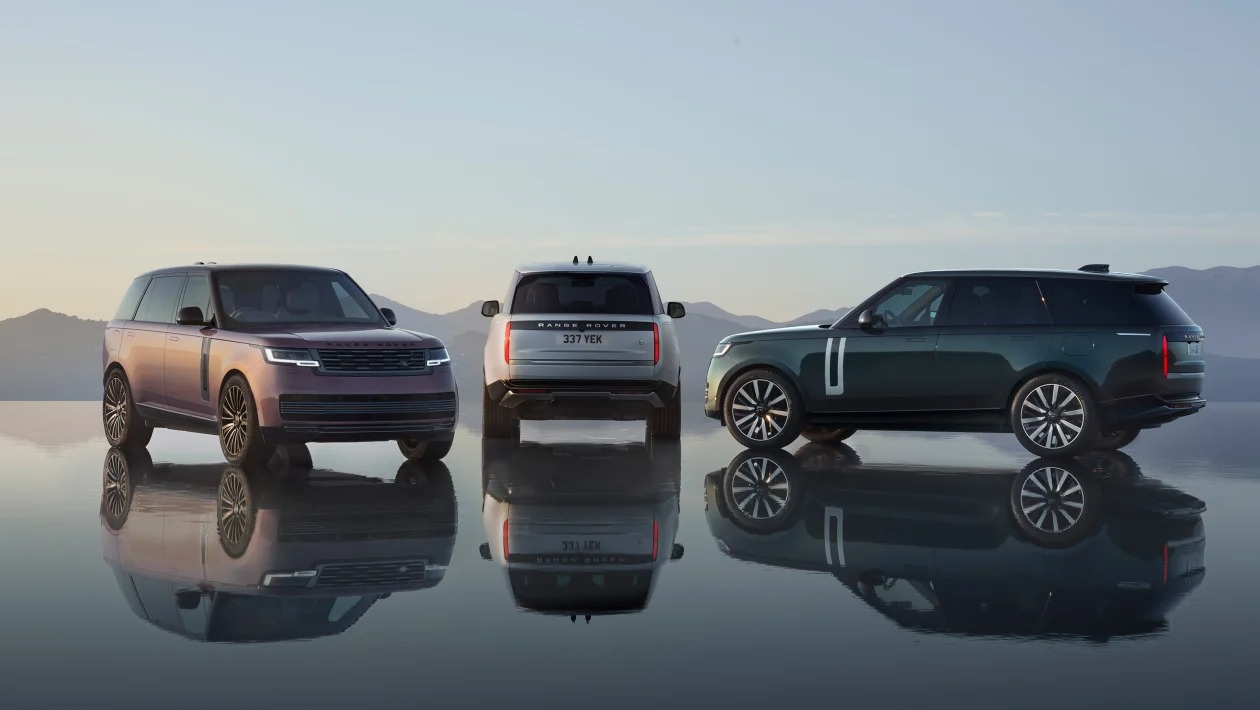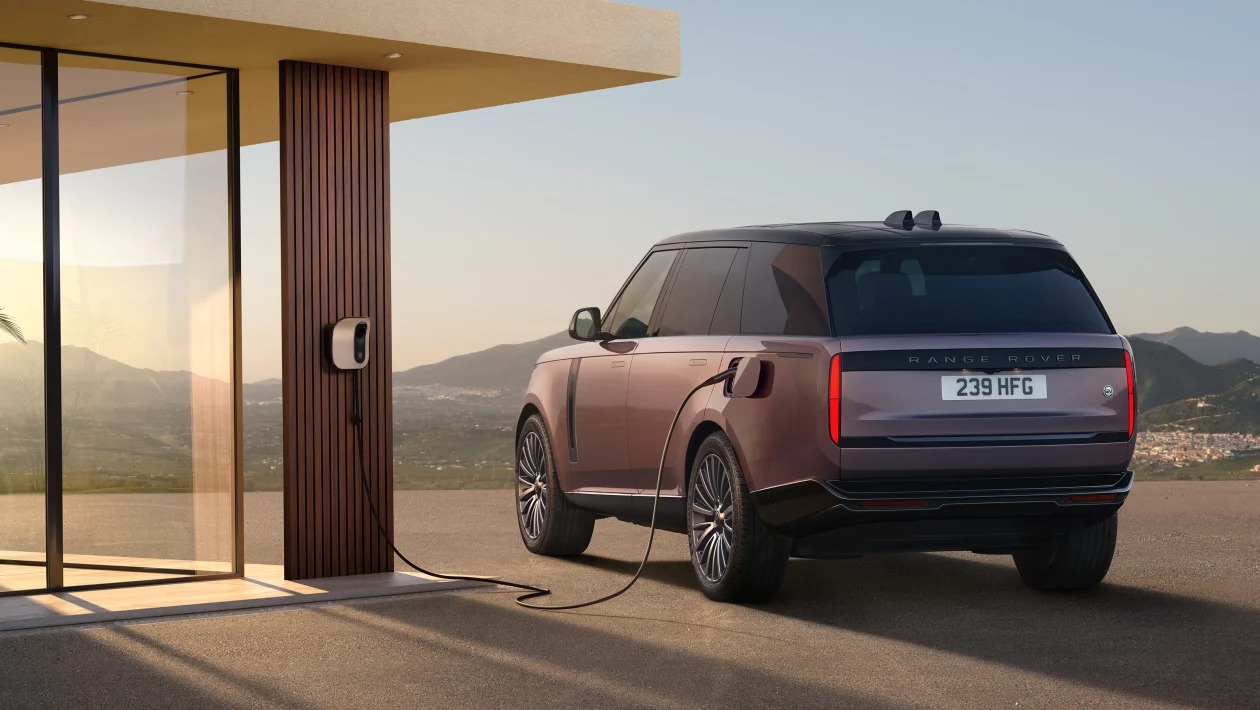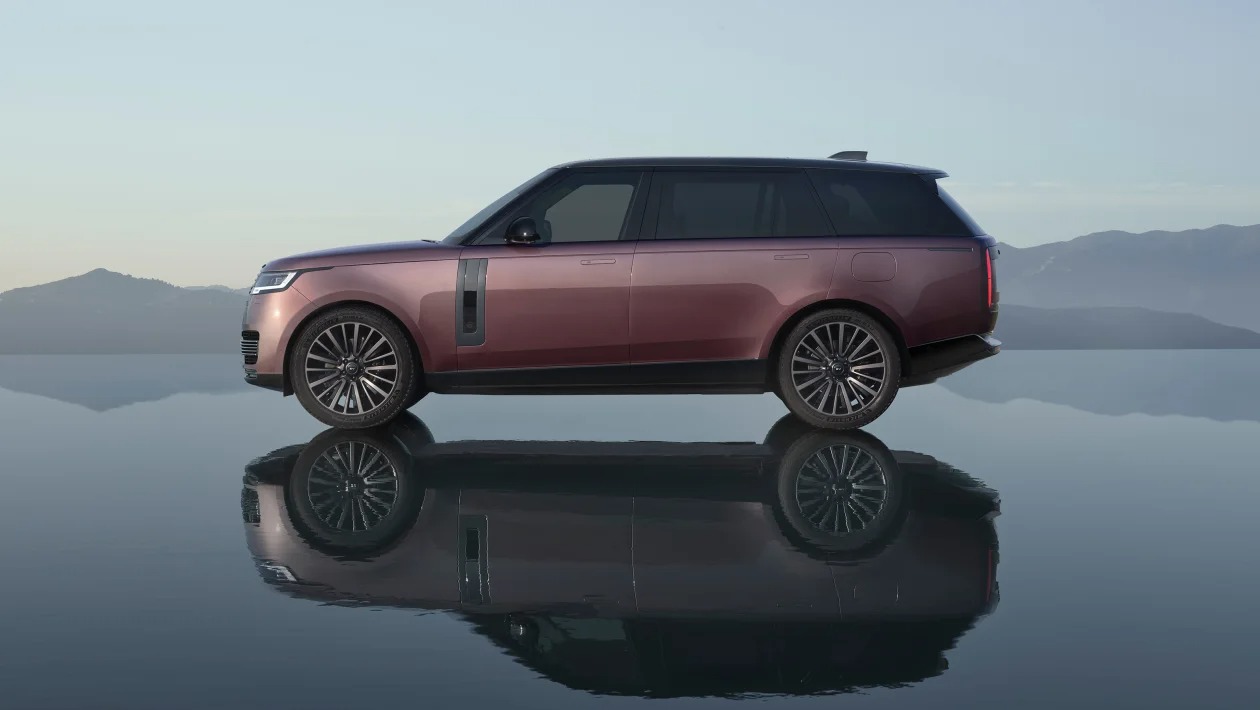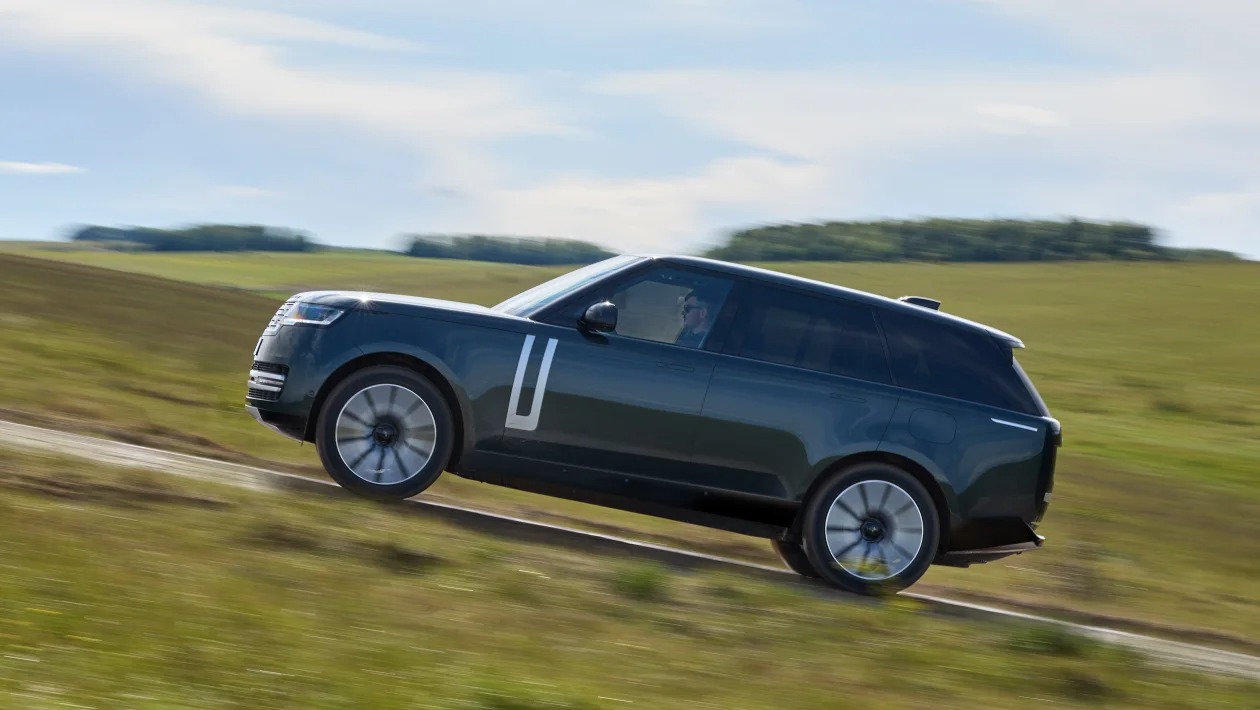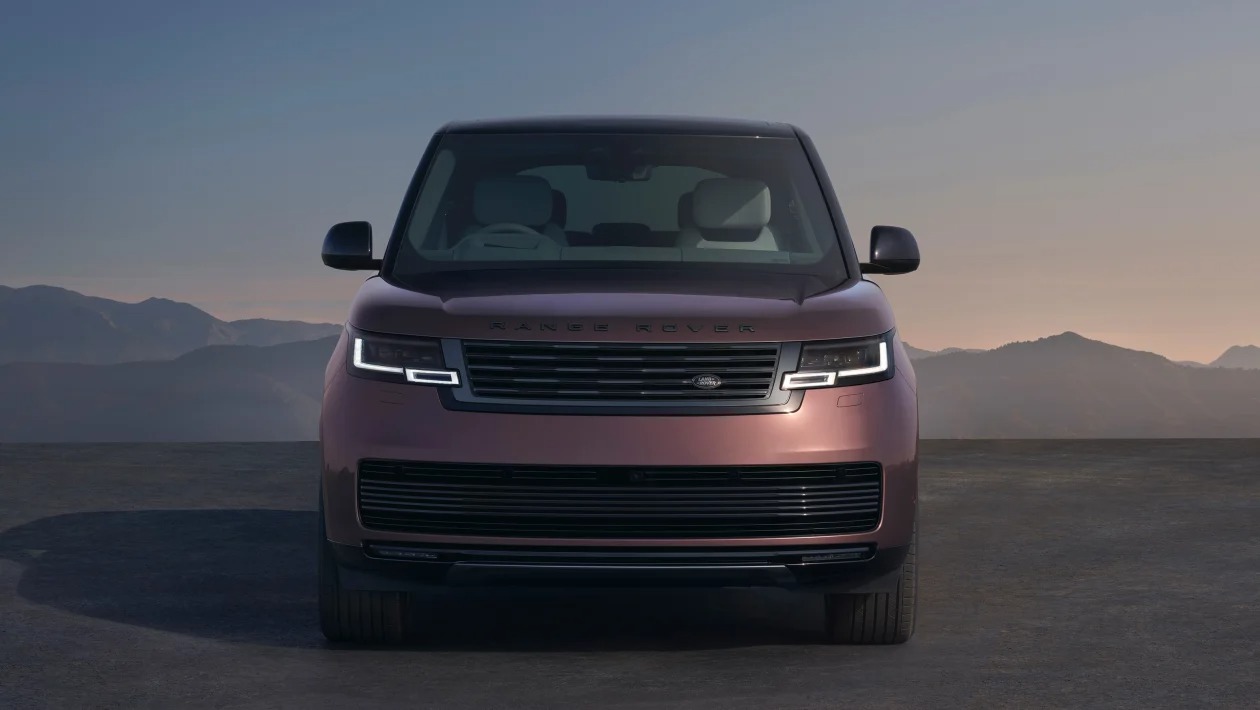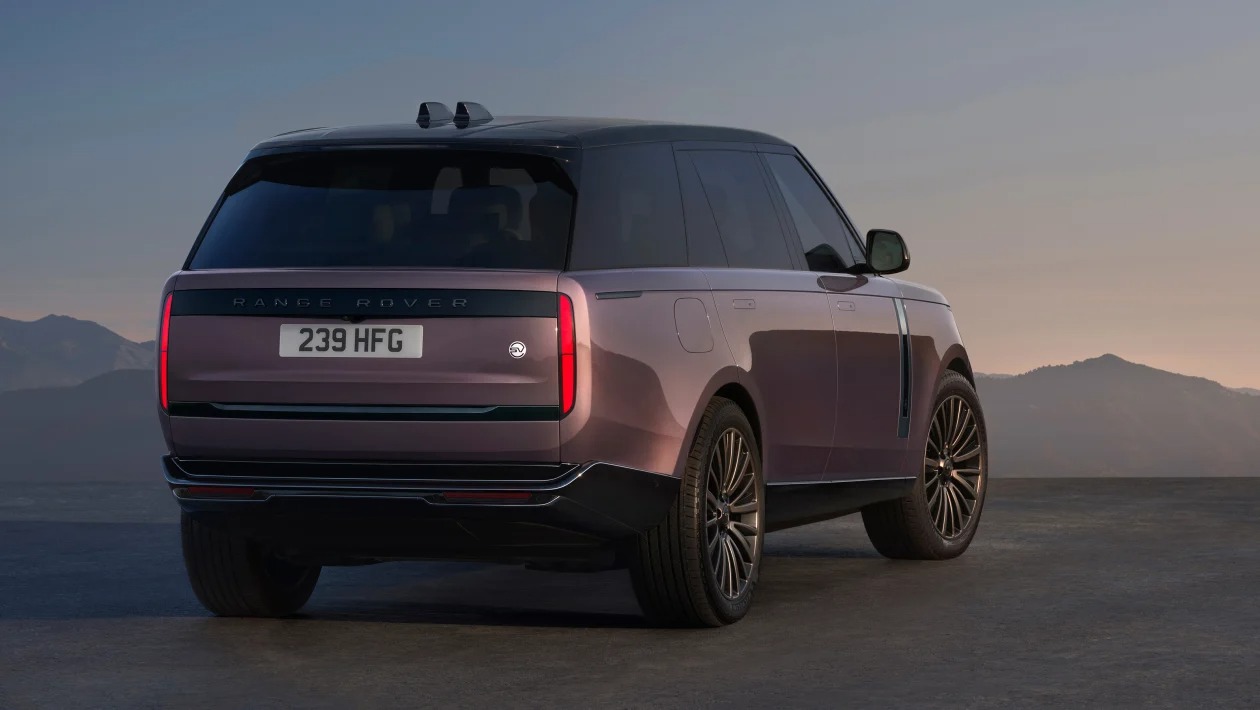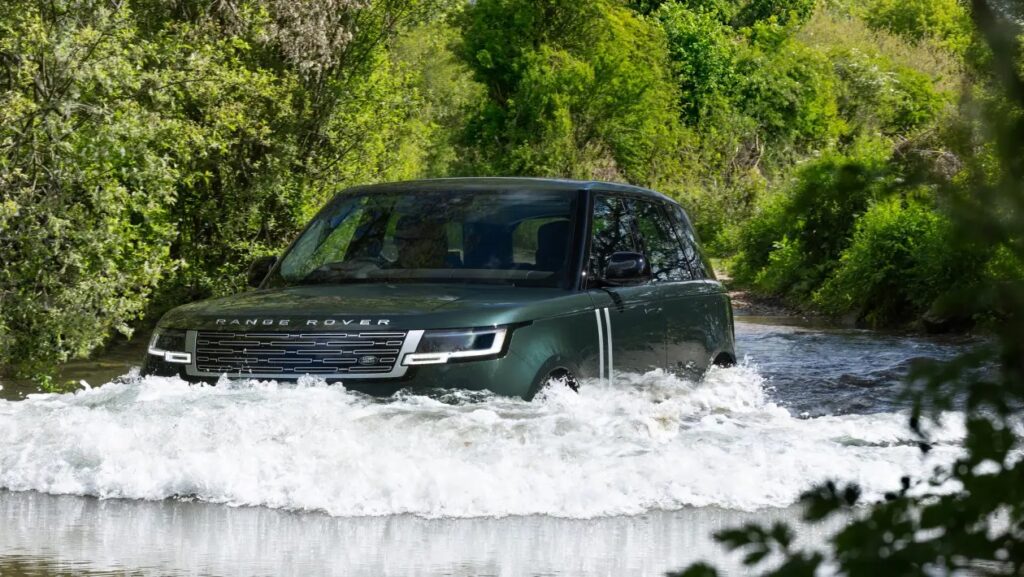
After years of development, the Range Rover Electric is finally ready for customers. The EV550 has entered production in both standard and long-wheelbase configurations, with the first examples expected to reach retailers before the end of 2026.
It has been a longer road than initially planned. Range Rover spent five years developing its first fully electric flagship, including a substantial powertrain rethink that delayed the programme. The result is an electric SUV designed to retain everything buyers expect from a Range Rover while adding near-silent electric performance.
Massive 118.5 kWh Battery Developed In-House
Rather than relying heavily on outside suppliers, Land Rover developed the EV550’s battery, electric motors and thermal-management technology internally.
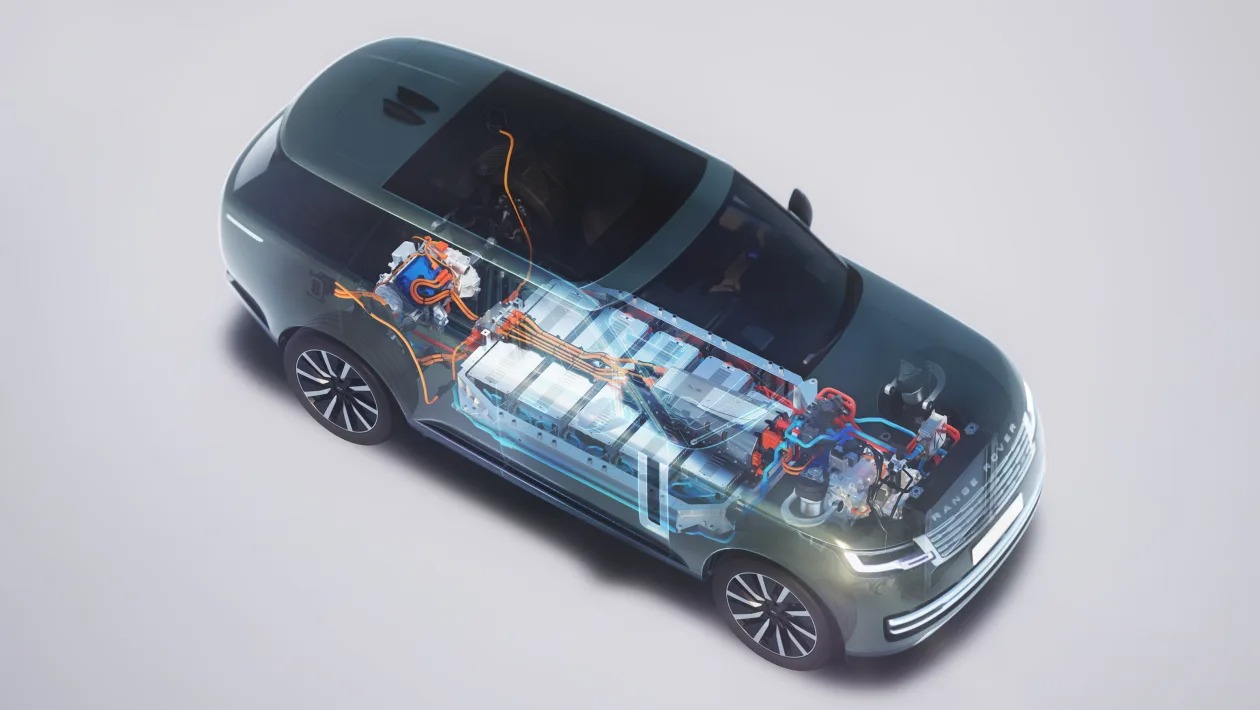
At the centre of the package is a substantial 118.5 kWh nickel manganese cobalt battery operating on an 800-volt architecture. Its twin-layer construction incorporates 344 cells, while the complete battery assembly weighs around 800 kg.
The battery is mounted between the wheels within the familiar Modular Longitudinal Architecture, better known as MLA. This is the same platform underpinning combustion and plug-in hybrid Range Rover derivatives, having been engineered from the outset to accommodate fully electric powertrains.
An externally mounted battery electric module manages functions including charging, power distribution and cell balancing. Range Rover also provides an eight-year/100-000 mile battery warranty.
Range Rover Electric Packs 542 HP and 850 Nm
A pair of electric motors provides all-wheel drive, with one mounted on each axle. While each motor is capable of producing up to 322 hp (240 kW), Range Rover deliberately limits combined system output to 542 hp (404 kW).
According to the development team, increasing the output further would require additional torque management and ultimately hurt efficiency.
Maximum torque stands at an impressive 850 Nm (627 lb-ft), giving the electric Range Rover more torque than the 4.4-litre twin-turbo V8 version.
Despite its considerable mass, the EV550 can accelerate from 0 to 100 km/h (62 mph) in 4.5 seconds. It is around 75 kg heavier than the 2,735 kg P550e plug-in hybrid, putting the EV close to the 2.8-tonne mark.
Dual-chamber air suspension helps manage the extra weight and instant electric torque. Positioning the battery beneath the cabin also lowers the centre of gravity by 88 mm while increasing structural rigidity by 56%.
Proper Range Rover Off-Road Ability Remains
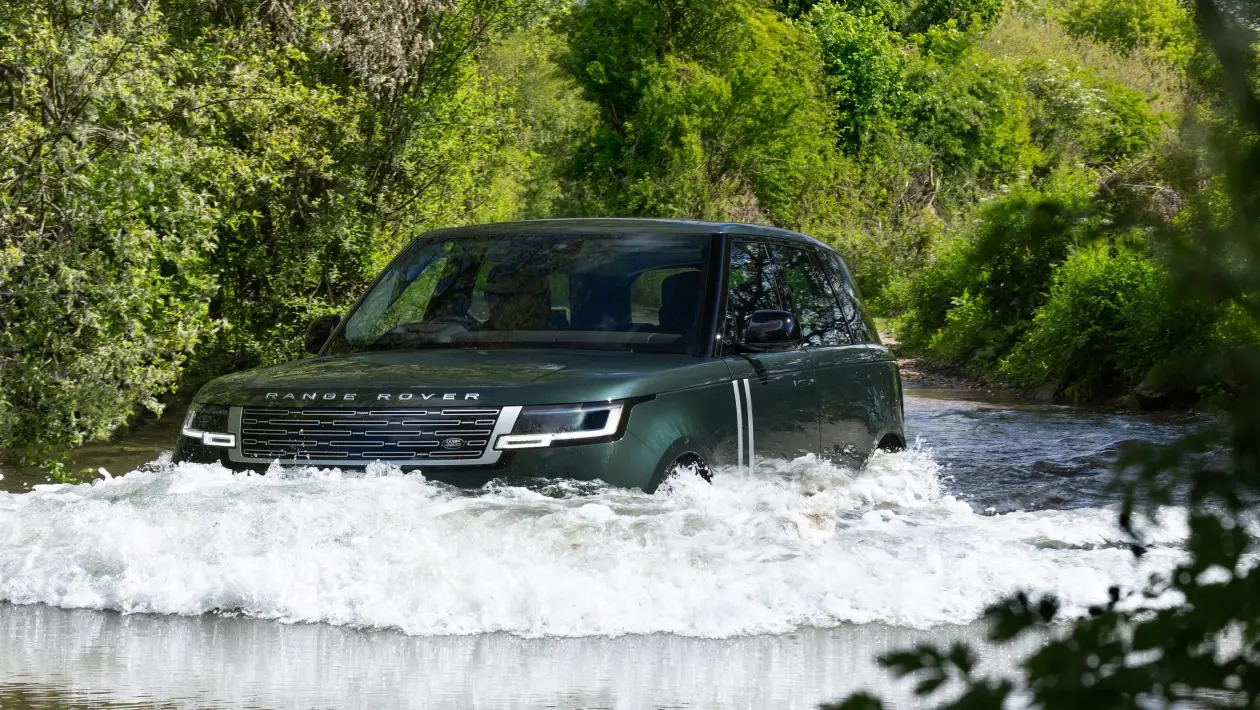
Going electric has not resulted in Range Rover abandoning its traditional off-road strengths.
The EV550 uses integrated traction-management technology capable of reacting in just 50 milliseconds. Combined with the instant and easily controlled electric torque, the system is designed to make maintaining momentum on difficult terrain easier.
It can tackle a 33-degree incline from a standing start and offers a maximum wading depth of 900 mm, matching its combustion-powered siblings.
Range Rover says its electric traction-management system reacts around 100 times faster than the equivalent system in its combustion models.
The Quietest Range Rover Yet
An electric Range Rover was always going to be quiet, but the engineering team has taken things considerably further.
The EV550 is claimed to be as much as seven decibels quieter inside than its combustion-powered equivalent.
Removing an engine does not eliminate every unwanted sound. Electric motors, high-voltage cables, road noise and other components become much easier to hear when there is no combustion engine masking them.
Engineers therefore isolated the front electric motor within a noise-suppressing subframe and added extensive acoustic insulation. Active noise cancellation is also standard on SV and Ultra derivatives when fitted with the Meridian audio system.
There is even a specially developed electric soundtrack. Rather than attempting to imitate a V8, Range Rover based the sound around an F major piano chord, adding additional layers to give it more character. Drivers who prefer complete silence can simply switch it off.
Up To 599 KM of WLTP Range
The 118.5 kWh battery provides an official WLTP driving range of 599 km (372 miles).
Range Rover is also quoting a more conservative real-world estimate of approximately 536 km (333 miles). According to the company’s analysis of more than 360 million journeys, that should be sufficient to complete around 97% of typical Range Rover owner trips without requiring a charging stop.
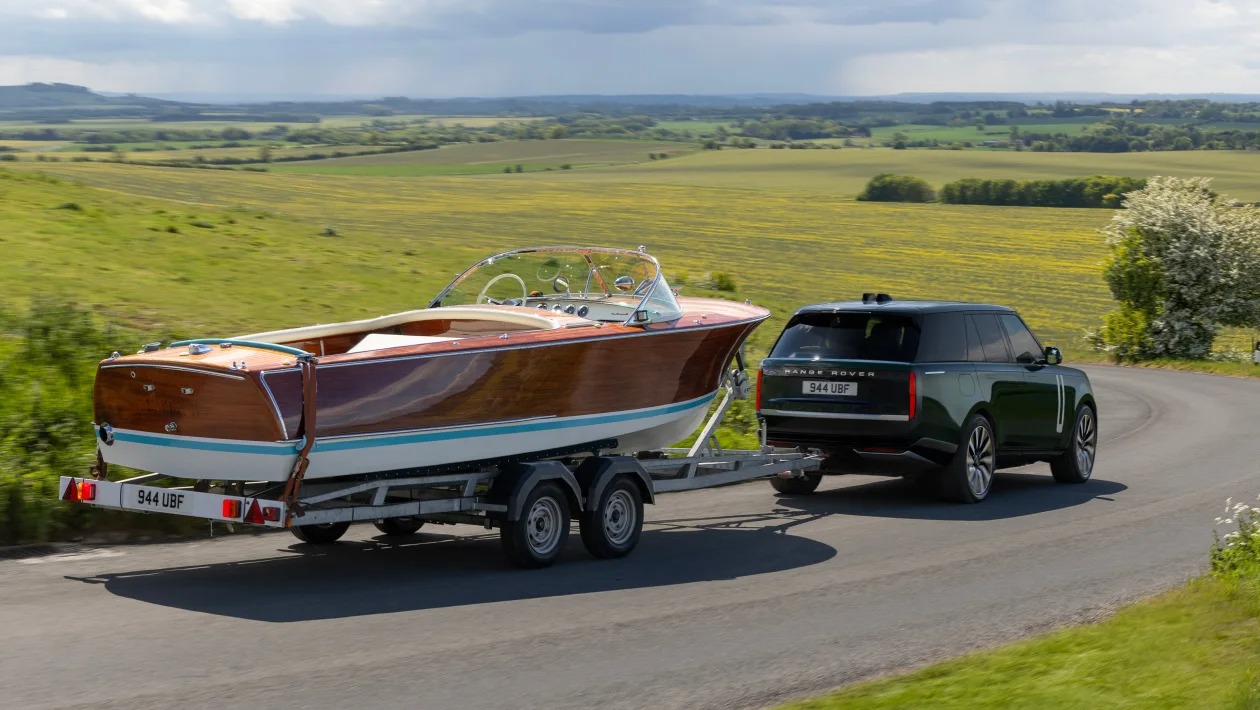
An intelligent range-prediction system continuously calculates the remaining driving distance and can compensate for factors such as towing.
Speaking of towing, the Range Rover Electric has a maximum braked towing capacity of 2,500 kg.
350 kW Rapid Charging
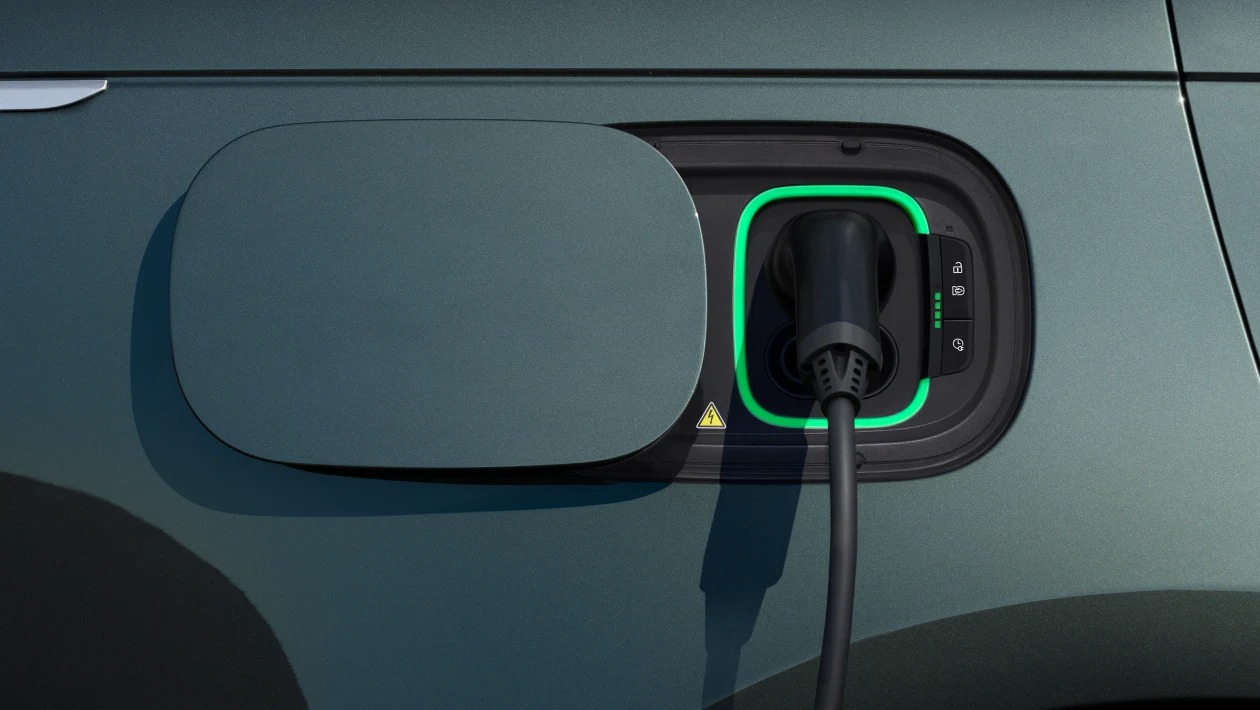
The 800-volt electrical architecture enables seriously quick DC charging.
Connect the EV550 to a suitable 350 kW DC charger and around 220 km (137 miles) of additional range can be added in approximately 15 minutes.
Charging from 10% to 80% takes around 22 minutes under ideal conditions.
Range Rover’s ThermAssist technology can heat or cool the battery to optimise charging performance while recovering waste heat to warm the cabin more efficiently. The system can potentially preserve around 40 km (25 miles) of additional driving range in cold conditions.
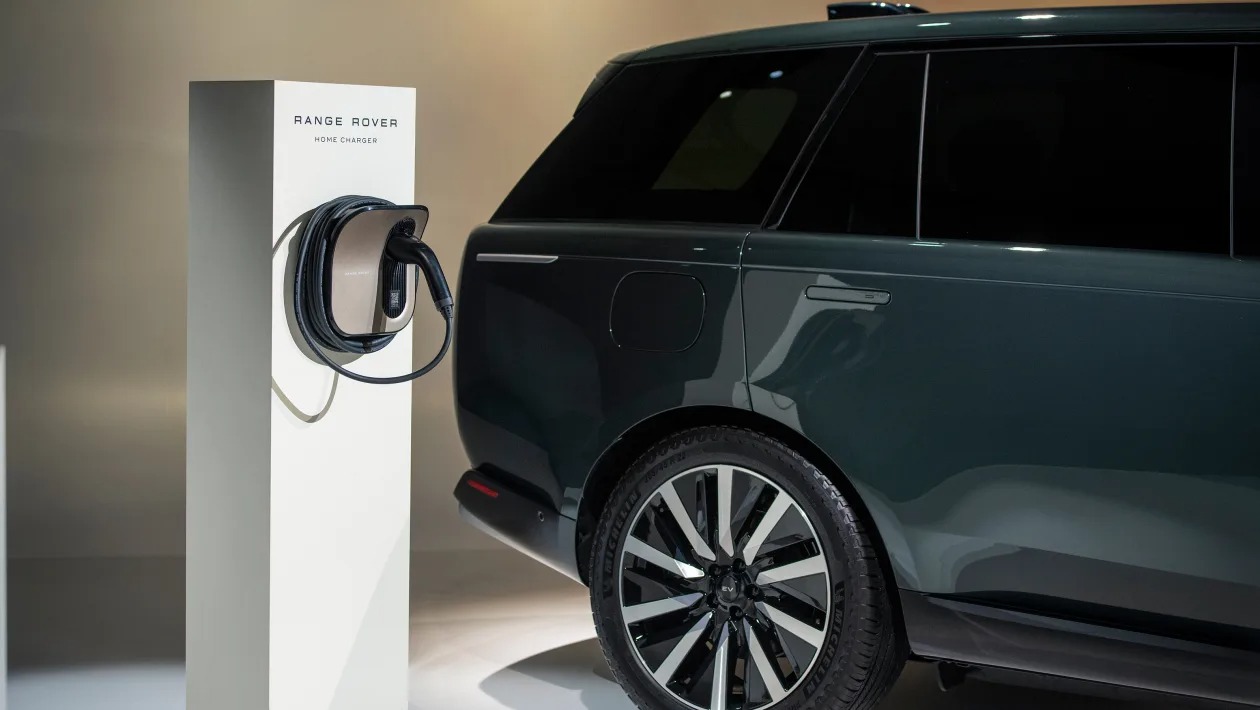
Using a 22 kW home wallbox, a full charge takes approximately seven hours.
Familiar Range Rover Design With Subtle EV Changes
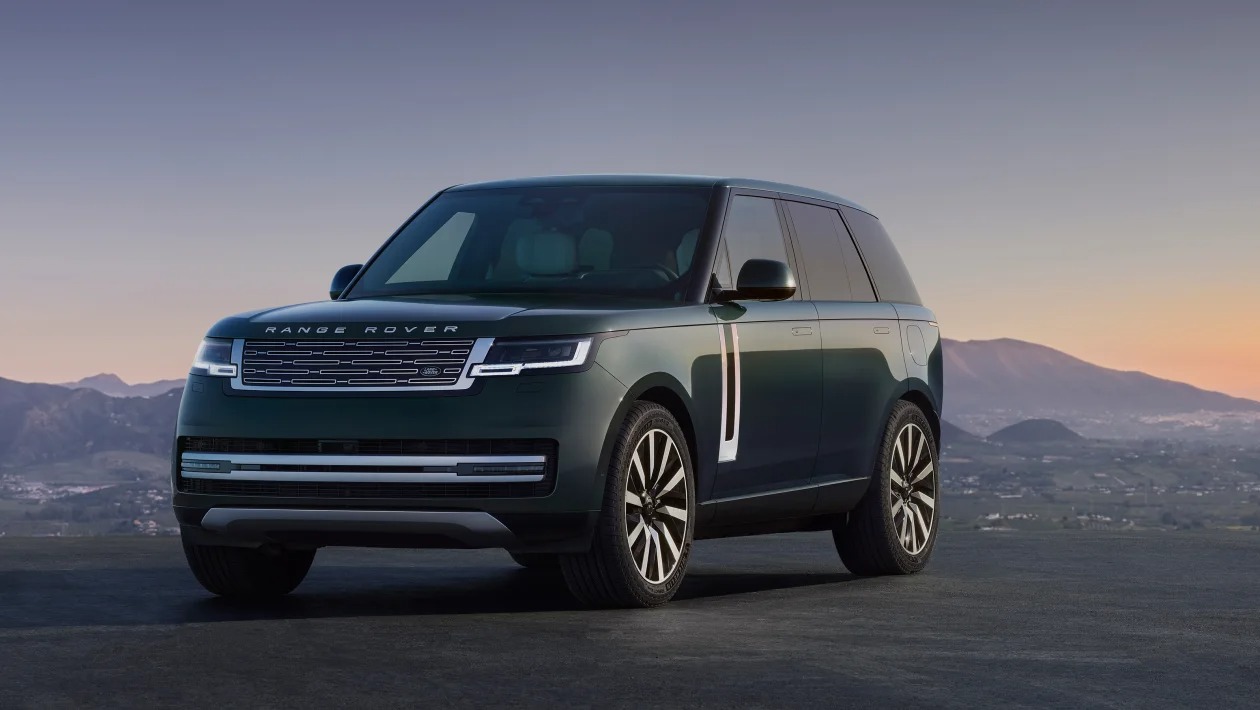
Range Rover has resisted the temptation to make its first electric flagship look radically different.
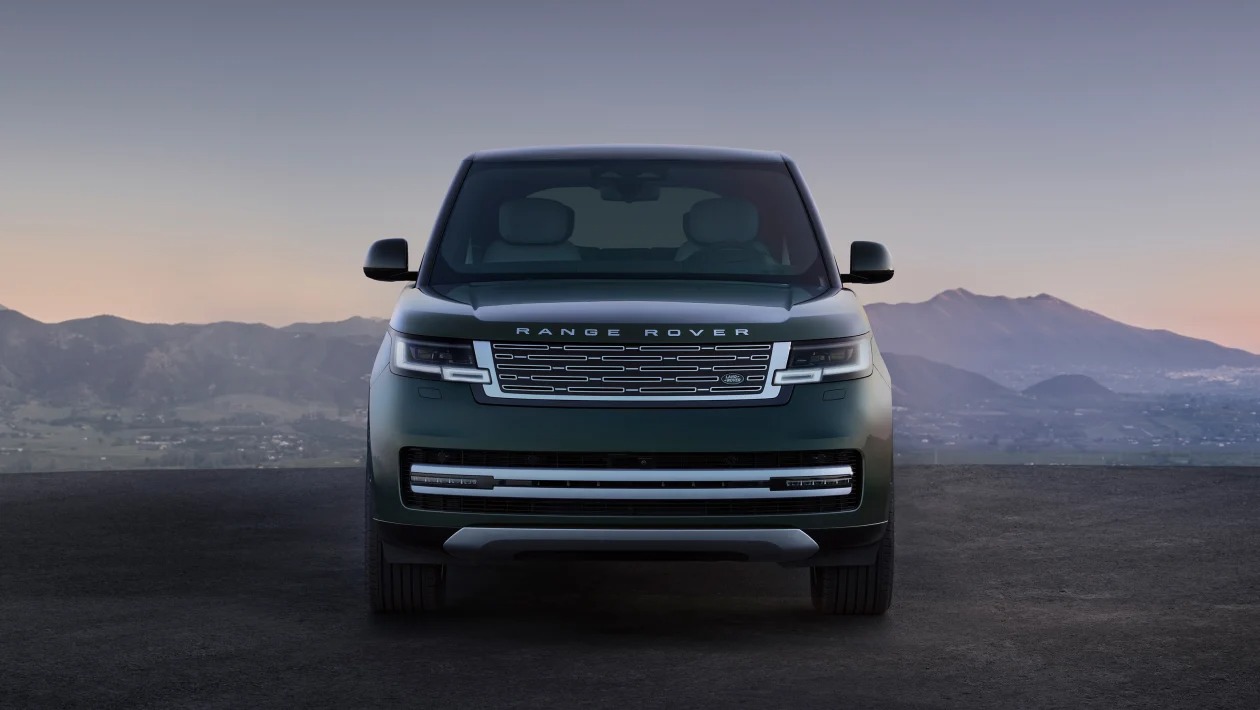
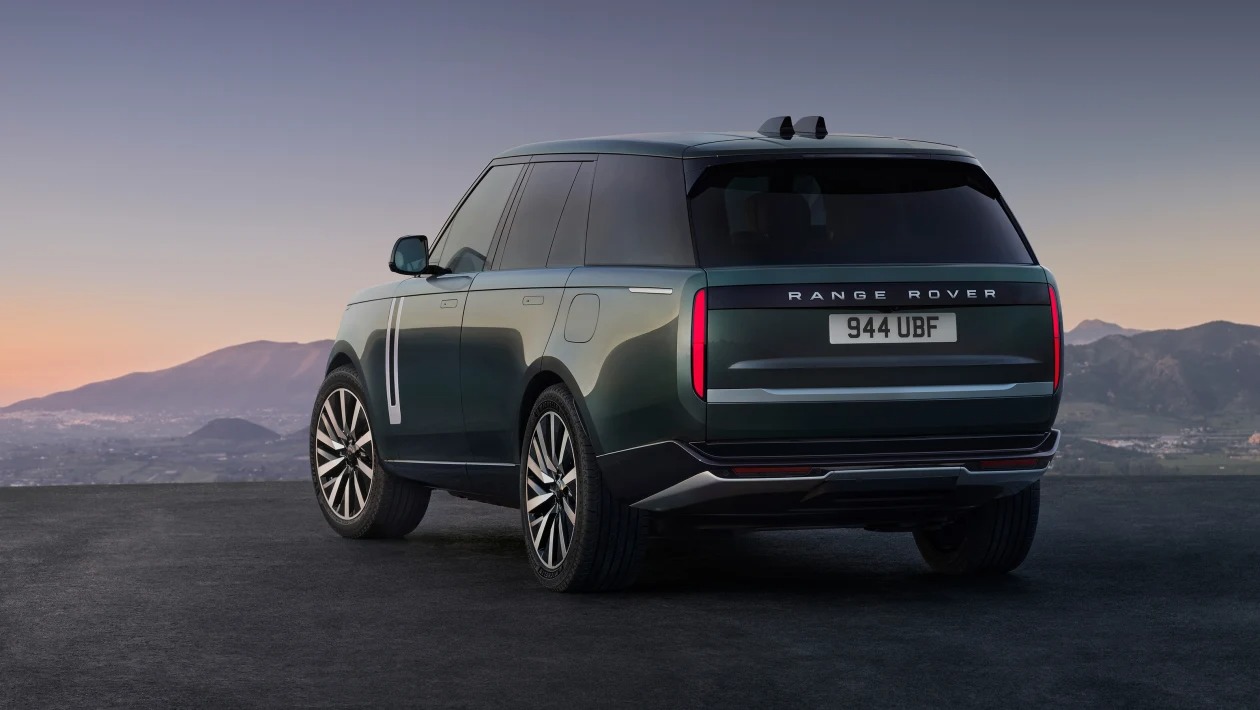
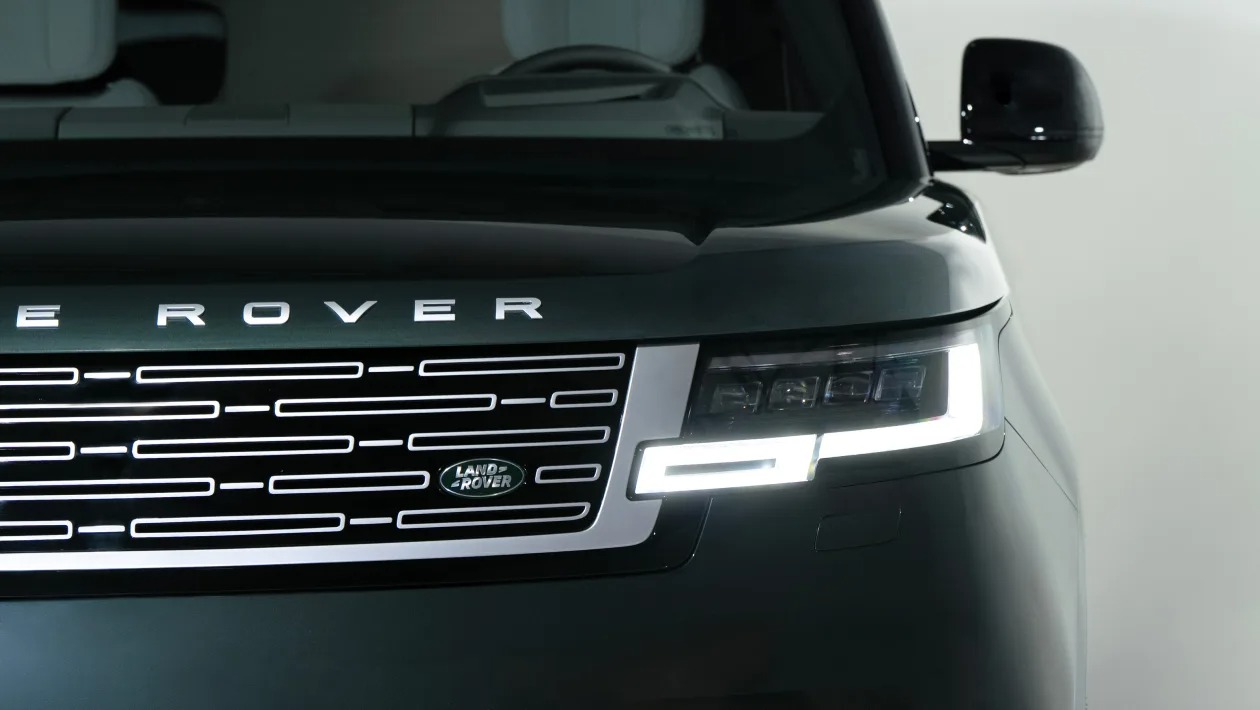
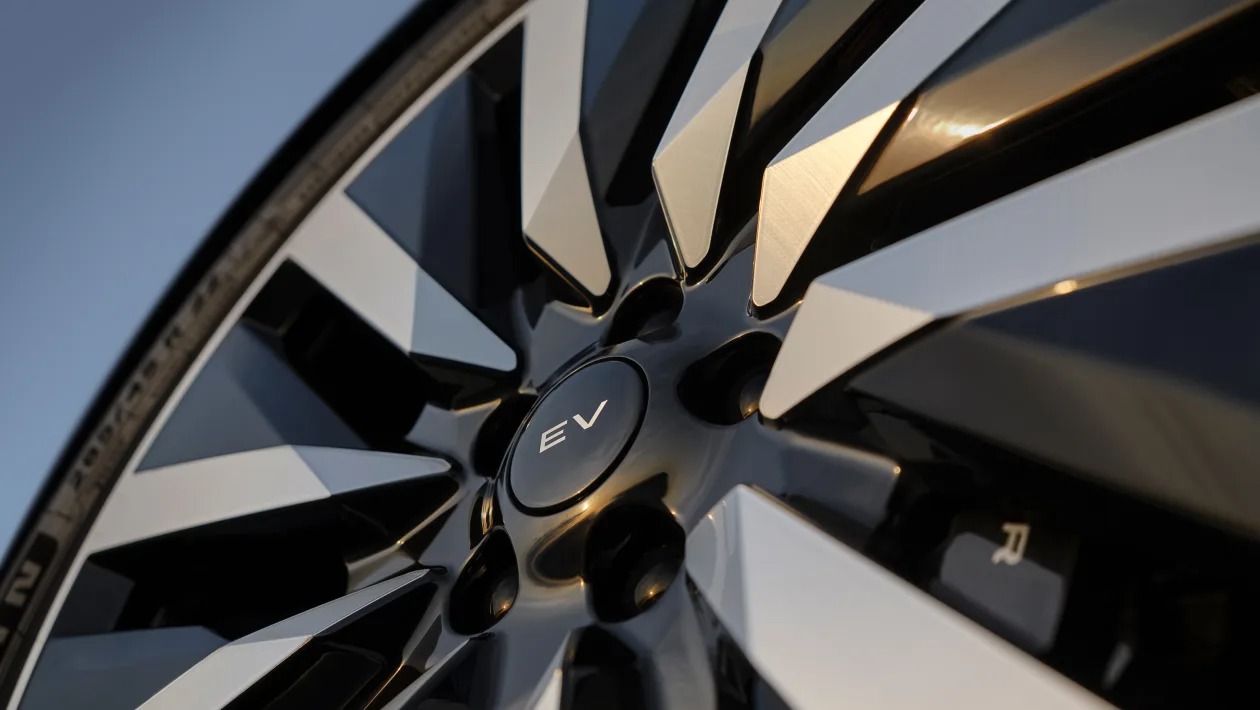
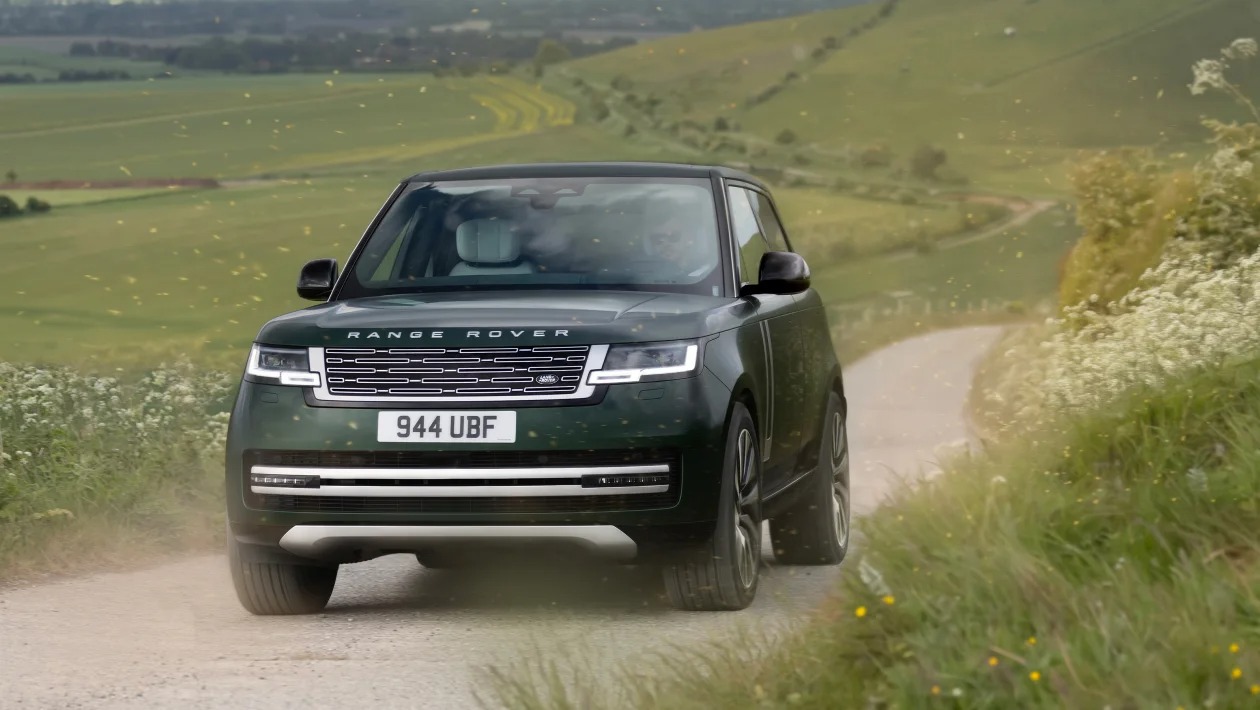
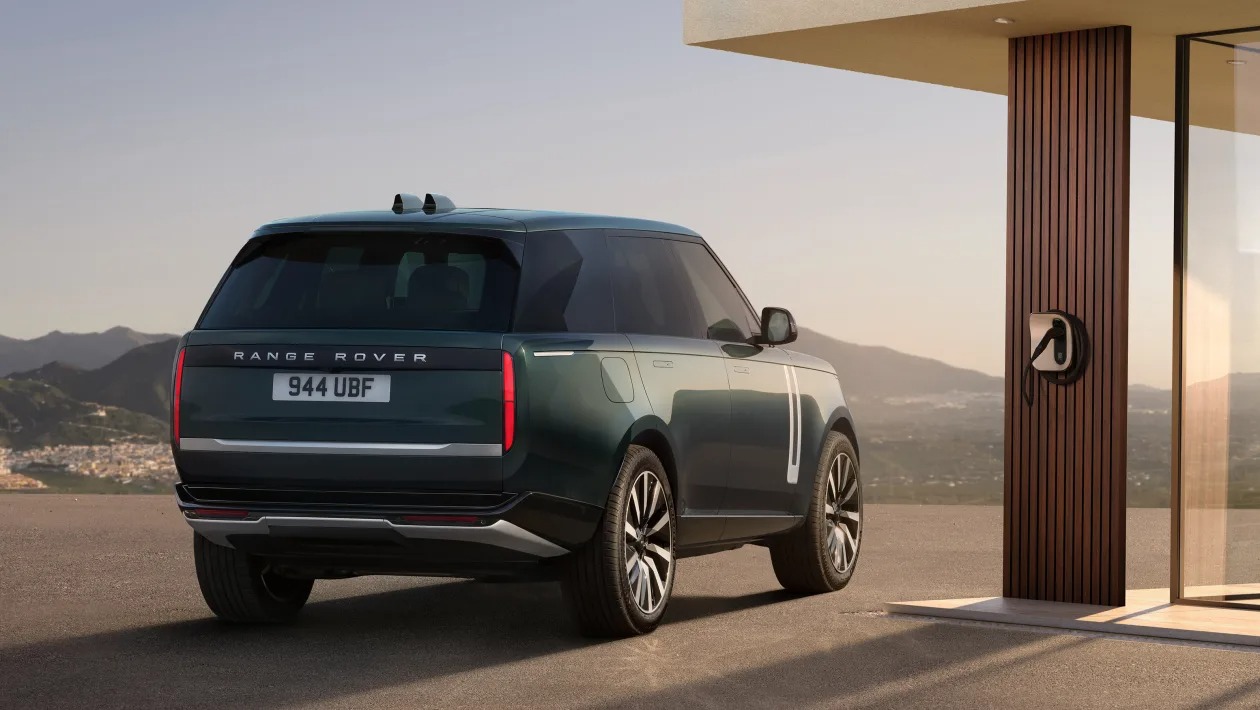
The basic shape remains virtually unchanged, with the most obvious visual differences including a closed front grille and aerodynamically optimised alloy wheels.
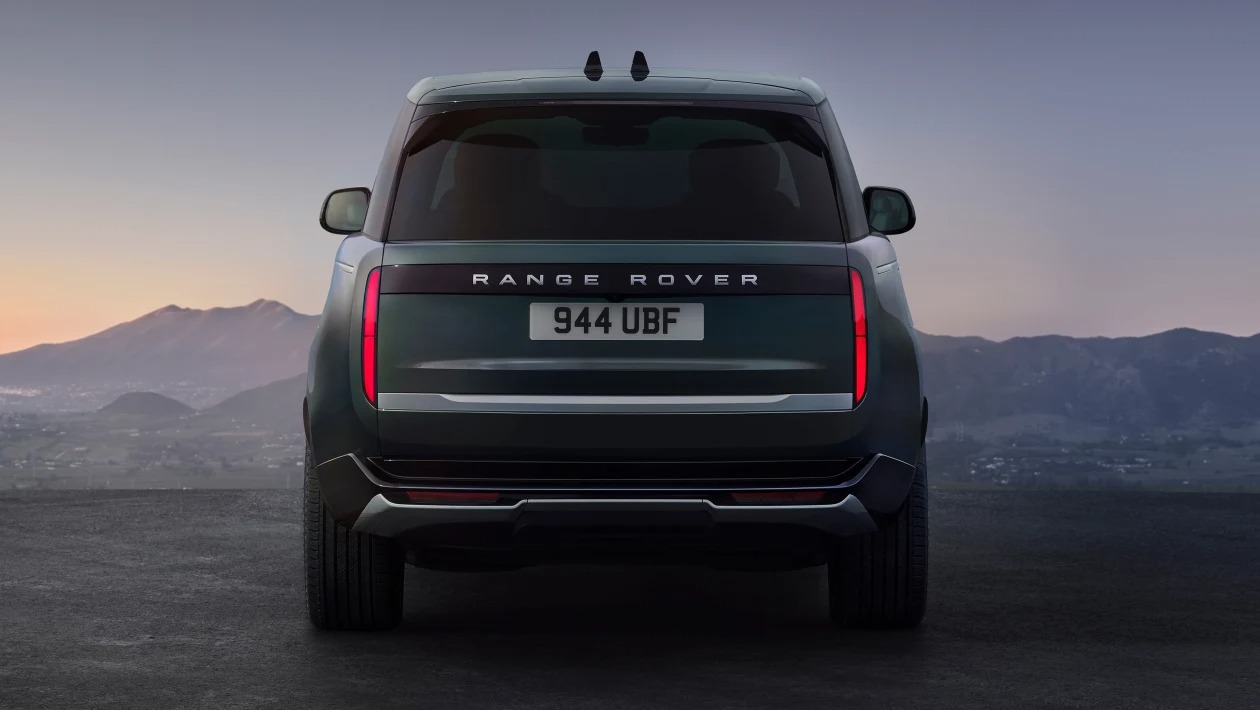
Changes beneath the vehicle, a revised rear diffuser and a slightly lower ride height help improve aerodynamic efficiency without compromising the approach and departure angles required for serious off-road driving.
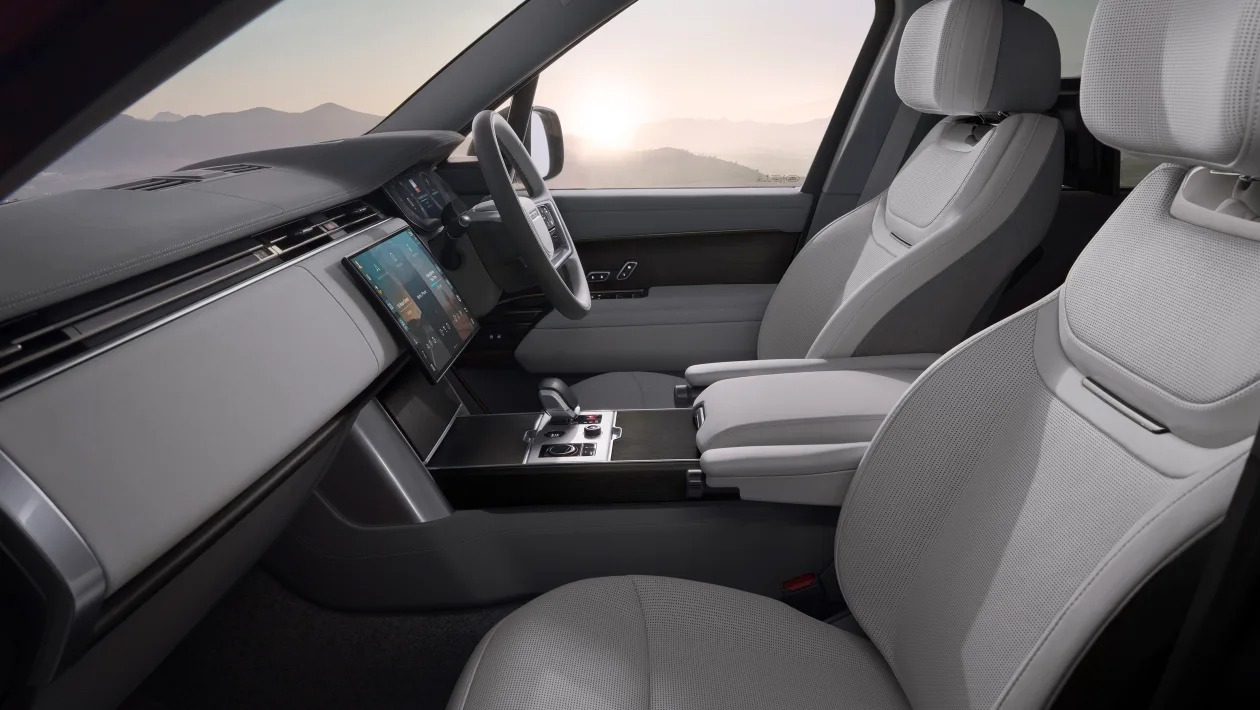
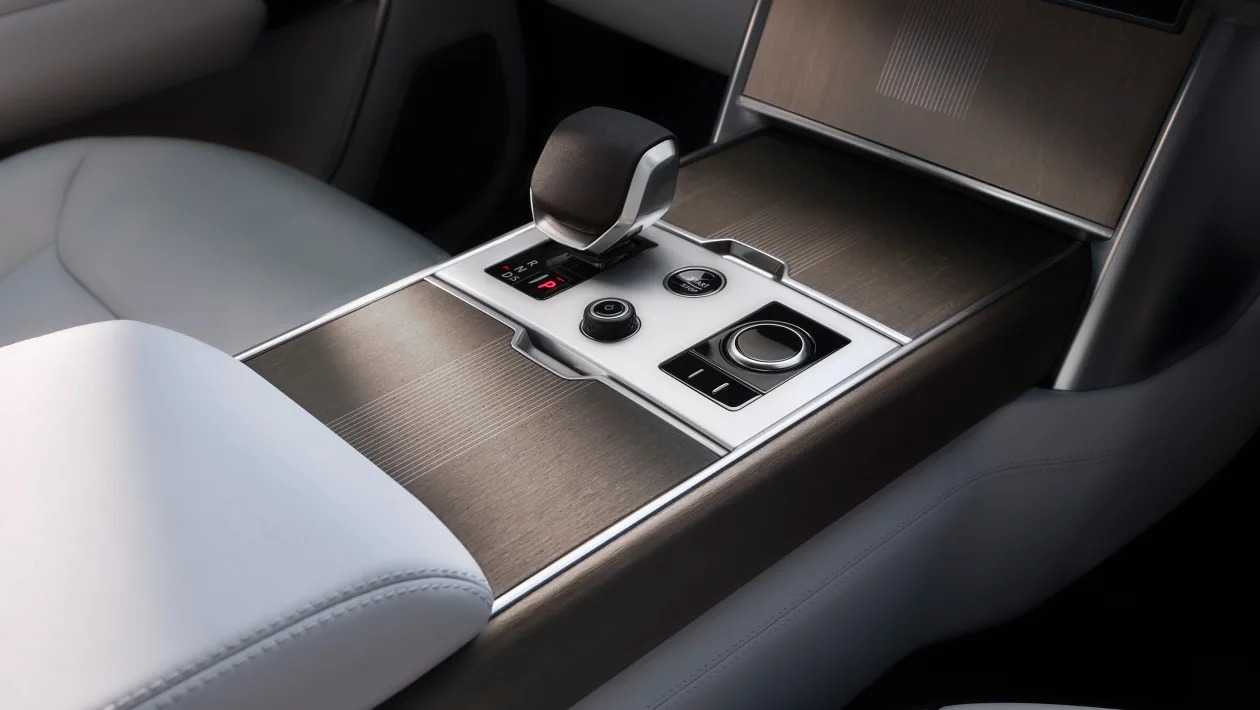
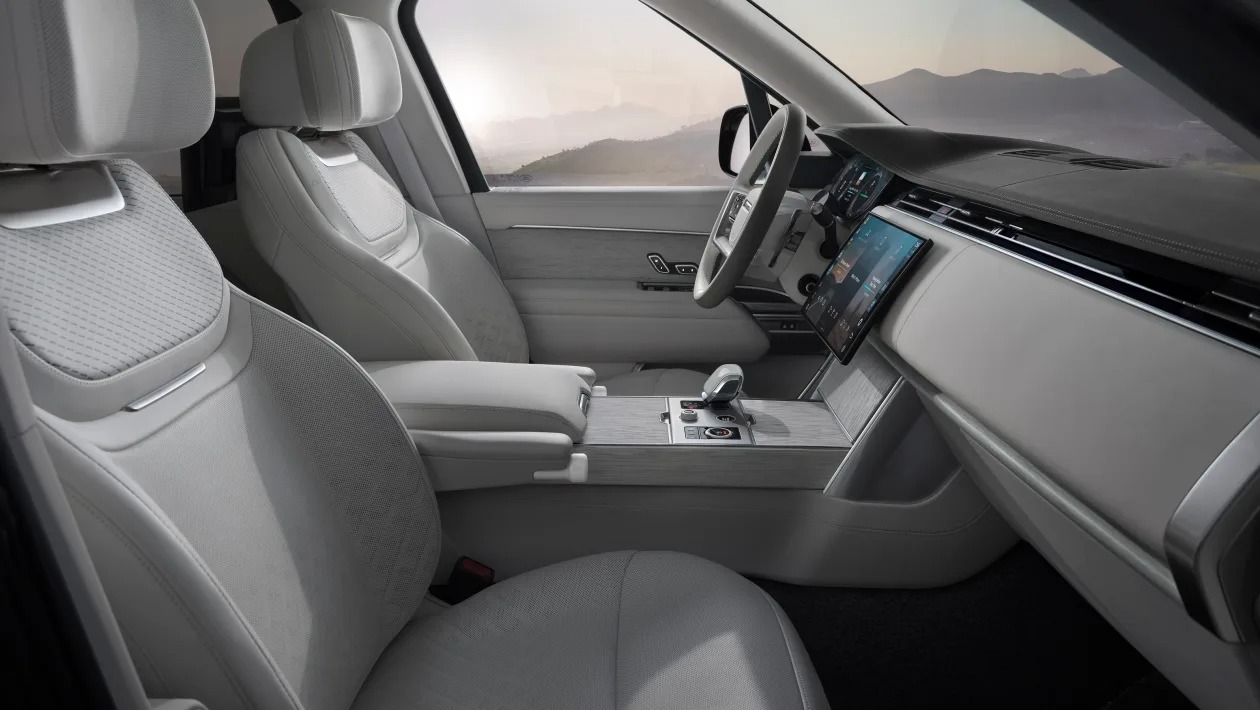
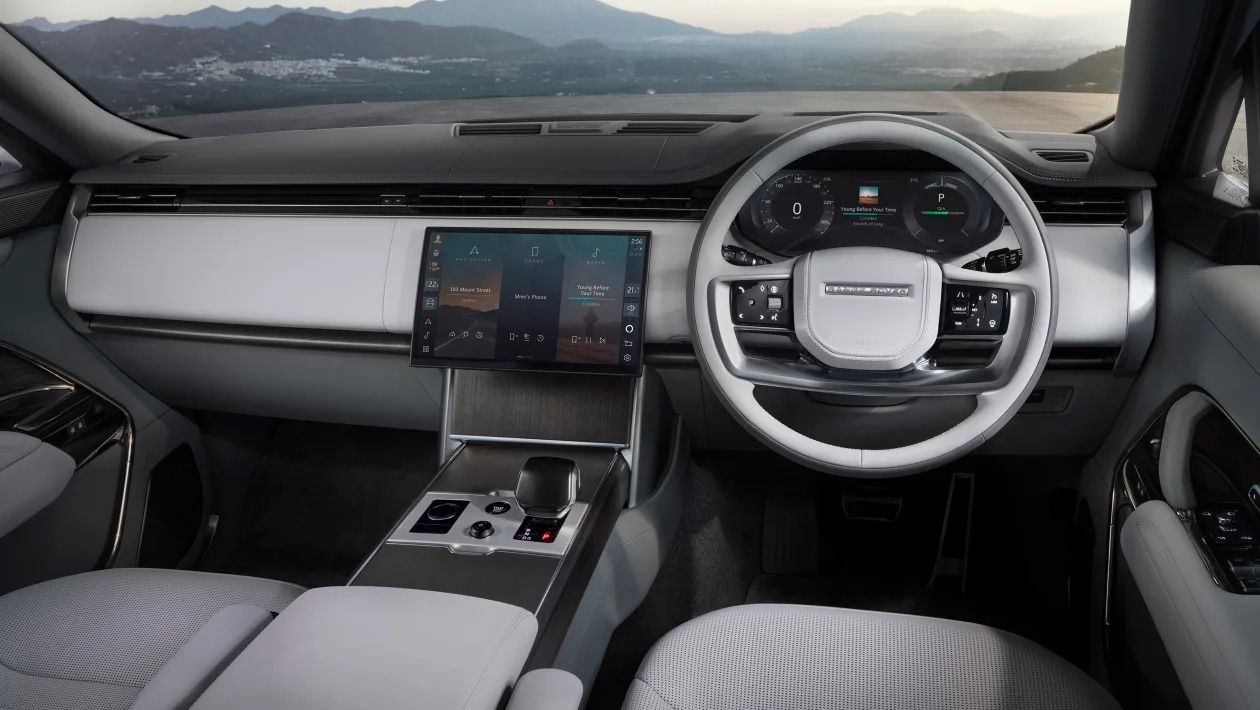
Inside, things are even more familiar.
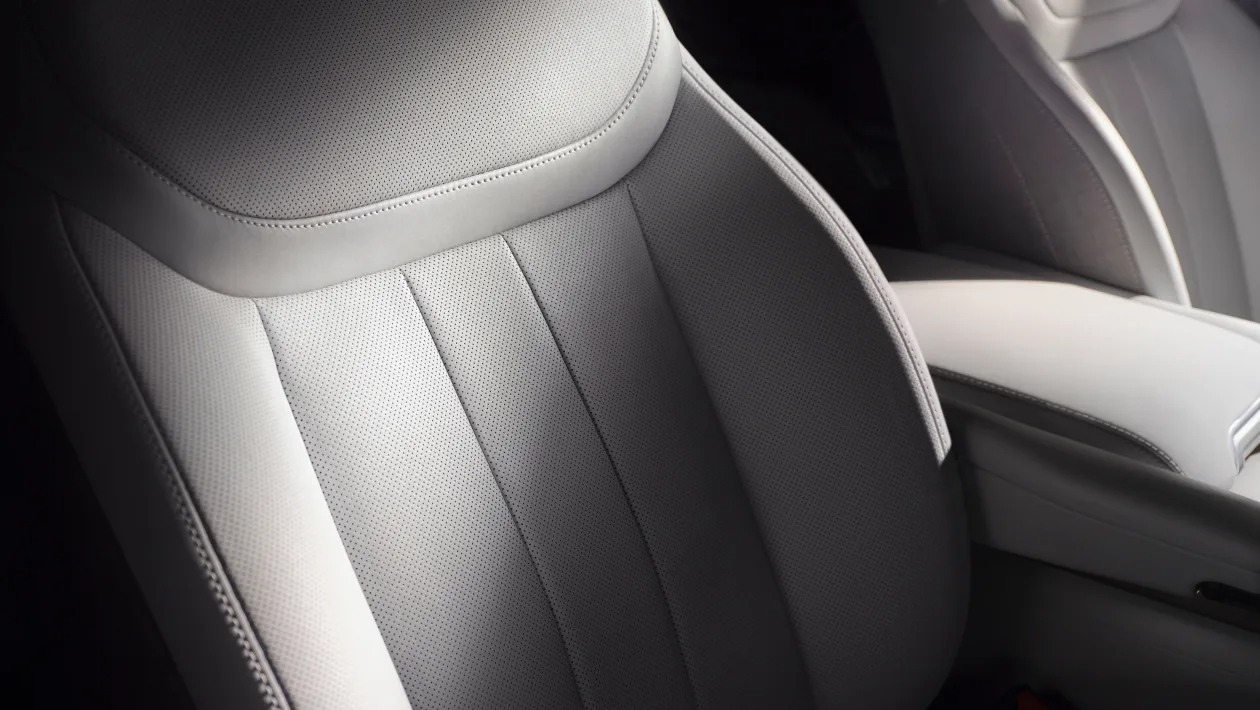
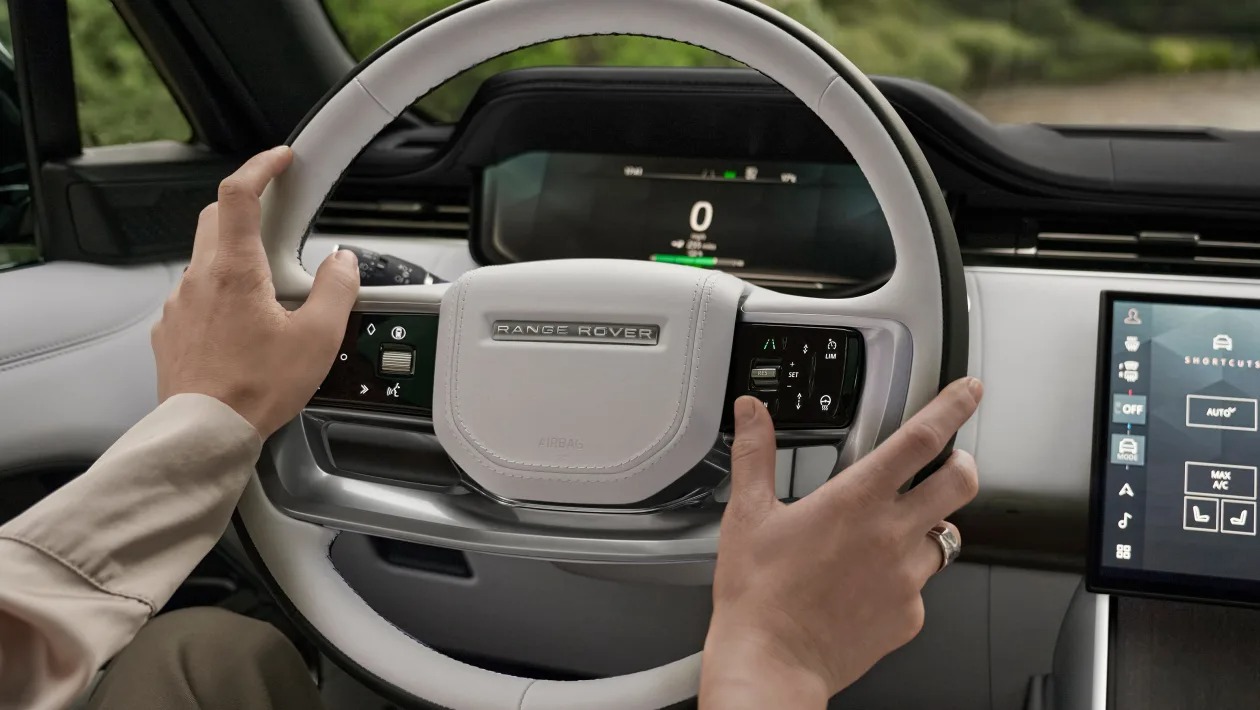
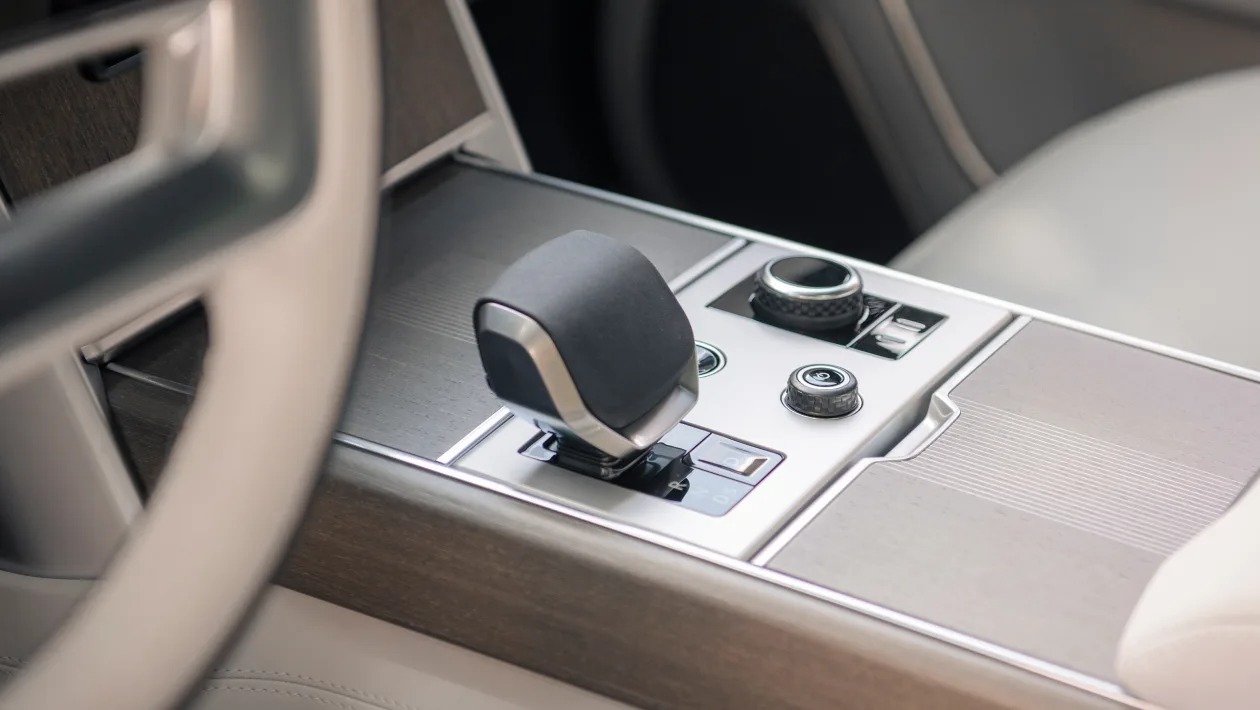
From the carpets upwards, the cabin is effectively identical to that of the combustion-powered Range Rover. Passenger space is unchanged and luggage capacity remains a substantial 818 litres.
There is no front luggage compartment, or frunk, because Range Rover decided the position would make it awkward and potentially messy to access.
Why The Range Rover Electric Was Delayed
One of the biggest challenges during development involved the front electric motor.
The original design used an induction motor because of its ability to freewheel efficiently when disengaged. However, extreme testing during 2024 exposed an overheating problem.
The issue became particularly apparent during repeated runs on Dubai’s enormous Big Red sand dune.
Engineers ultimately replaced the front motor with a permanent-magnet unit. That seemingly straightforward decision required substantial changes to the front cradle, software and component supply, followed by another extensive validation programme.
The redesign reportedly added around 18 months to development.
Range Rover Electric EV550 Price
Demand appears substantial before the first customer vehicles have even arrived.
Range Rover claims around 80,000 people are currently on the EV550 waiting list, with more than two-thirds reportedly new to the brand.
Pricing for the standard-wheelbase EV550 Autobiography starts at £154,070 in the UK placing it rather close to the Range Rover SV. Land Rover South Africa has confirmed the Range Rover Electric will start from R3,916,500 and orders are open.
That figure is before customers begin exploring Range Rover’s increasingly extensive bespoke options, where personalised paintwork, materials and embroidery can push the final bill considerably higher.
South African pricing and availability have not been confirmed in the supplied information.