
Electric cars were once associated mainly with efficiency, practicality, and quiet commuting. That image has changed dramatically. Today, electric powertrains are being used to create some of the fastest and most technologically advanced performance cars in the world.
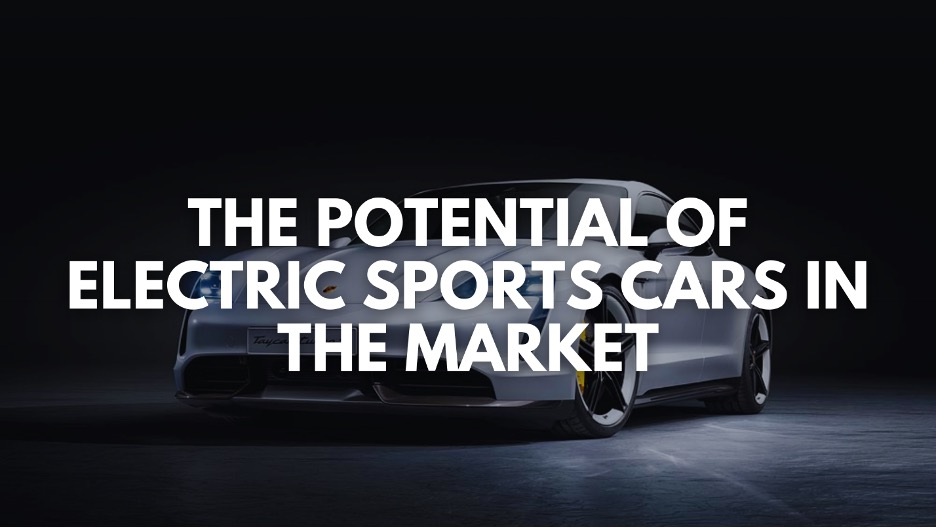
The rise of the electric sports car suggests that performance and electrification can coexist. Instant torque, sophisticated battery systems, advanced aerodynamics, and multiple electric motors are allowing manufacturers to rethink what a high-performance car can be.
While electric sports cars remain expensive and relatively exclusive, their potential in the market continues to grow as technology improves.
Why Electric Sports Cars Are Becoming More Capable
One of the biggest advantages of electric powertrains is immediate torque. Unlike many gasoline engines that build power as engine speed increases, electric motors can deliver substantial torque almost instantly.
This characteristic makes rapid acceleration one of the defining features of modern electric performance cars.
Electric powertrains also provide manufacturers with greater flexibility in power delivery. A vehicle equipped with multiple motors can independently manage torque at different wheels, allowing engineers to improve acceleration, traction, and cornering behavior.
This technology has helped electric sports cars move beyond simply being environmentally conscious alternatives. They can now compete based on performance.
Porsche Taycan Shows That EVs Can Be Driver-Focused
One of the most prominent examples is the Porsche Taycan, which helped demonstrate that an electric vehicle could still deliver the performance-oriented character associated with Porsche.
The Taycan combines rapid acceleration with precise handling and a performance-focused chassis. Recent versions have continued to improve power, charging capability, and driving dynamics. The latest Taycan Turbo S, for example, has been reported with up to 938 horsepower through overboost and continues to emphasize handling alongside straight-line performance.
Its importance goes beyond its specifications. The Taycan showed traditional sports-car enthusiasts that electrification does not necessarily mean abandoning driving engagement.
Rimac Nevera Pushes Electric Performance to the Extreme
If the Taycan represents a more usable performance EV, the Rimac Nevera demonstrates what happens when engineers prioritize outright performance.
The Nevera uses four electric motors and advanced torque-vectoring technology. The result is extraordinary acceleration and power. Current information on the 2026 Nevera describes a quad-motor setup producing up to 2,107 horsepower, while production is limited to only 150 units.
The Nevera is important because it highlights the technological ceiling of electric propulsion. It shows that batteries and electric motors are capable of producing performance that would be extremely difficult to achieve with conventional powertrains.
However, its limited production and multimillion-dollar positioning also demonstrate one of the current challenges facing electric sports cars: extreme performance does not automatically translate into a mass-market product.
Tesla Roadster Represents the Future Potential
The Tesla Roadster is another significant example because Tesla positioned it as an all-electric supercar rather than simply a premium electric car.
Tesla currently lists a claimed 0–100 km/h acceleration time of 2.1 seconds, a top speed above 400 km/h, and a targeted range of 1,000 kilometers.
The Roadster’s significance comes from the idea behind it. A high-performance electric car with substantial range could challenge the traditional assumption that sports cars must sacrifice practicality for speed.
The second-generation Roadster has also experienced a long development timeline, showing that translating ambitious EV technology into a production sports car remains challenging. Recent reports indicate that Tesla’s design leadership has suggested a reveal could be approaching.
Lotus Emeya Shows Another Direction
The Lotus Emeya demonstrates that electric performance does not have to mean building a traditional two-seat sports car.
The electric Hyper-GT combines high power with luxury and everyday usability. Lotus lists up to 905 horsepower and 985 Nm of torque for its dual-motor architecture, along with an 800-volt electrical system designed for rapid charging.
This approach could become increasingly important. Instead of targeting only traditional sports-car buyers, manufacturers can create electric performance cars that appeal to drivers looking for speed, comfort, technology, and practicality in one package.
What Is Holding Electric Sports Cars Back?
Despite their potential, several obstacles remain.
The first is price. High-performance batteries, powerful motors, advanced cooling systems, carbon-fiber components, and sophisticated software can make electric sports cars extremely expensive.
Weight is another challenge. Batteries are heavy, and sports-car engineers traditionally prioritize low mass. Manufacturers must therefore find ways to improve battery energy density and chassis efficiency.
Charging infrastructure also matters. A gasoline sports car can typically be refueled relatively quickly, while electric vehicles require charging infrastructure and sufficient charging speeds. Improvements in 800-volt systems and high-power charging are helping address this concern, but accessibility remains important.
Finally, there is the emotional factor. Some enthusiasts enjoy the sound, vibration, shifting, and mechanical character of gasoline engines. Electric sports cars offer a different experience rather than simply replicating the old one.
The Market Could Expand Beyond Supercars
The biggest potential for electric sports cars may eventually come from vehicles positioned below the hypercar segment.
As battery technology becomes more affordable and electric drivetrains become easier to manufacture, performance-focused EVs could become more accessible. Instead of being limited to million-dollar hypercars or expensive luxury models, electric performance technology could eventually appear in more affordable sports cars.
This could create an interesting new market where acceleration, handling, software, and charging technology become major selling points.
Even recreational digital experiences such as Perya on GameZone can reflect how technology is changing entertainment preferences, but the electric sports-car market operates on a much larger engineering scale. The common thread is the growing appeal of interactive, technology-driven experiences.
What the Future Could Look Like
The future of electric sports cars will likely involve a balance between performance and efficiency. Manufacturers are already exploring better battery chemistry, lighter materials, advanced aerodynamics, improved thermal management, and more sophisticated software.
Rather than simply making electric cars faster, engineers can use electric motors to fundamentally change how performance vehicles behave.
The result could be sports cars that accelerate instantly, distribute torque with extreme precision, recharge rapidly, and adapt their driving characteristics through software.
For enthusiasts, this could create an entirely new definition of performance.
Final Thoughts
The potential of electric sports cars extends far beyond impressive acceleration figures. Models such as the Porsche Taycan, Rimac Nevera, Tesla Roadster, and Lotus Emeya demonstrate different approaches to combining electrification with performance.
The segment still faces challenges involving price, weight, charging, and enthusiast acceptance. However, rapid advances in battery and motor technology suggest that electric sports cars are becoming more than experimental showcases.
As manufacturers continue refining the formula, electric performance cars could move from niche products toward a more important position in the broader sports-car market. Just as Perya on GameZone represents a familiar form of entertainment evolving alongside digital platforms, electric sports cars represent an evolving interpretation of what performance can mean in the modern era.