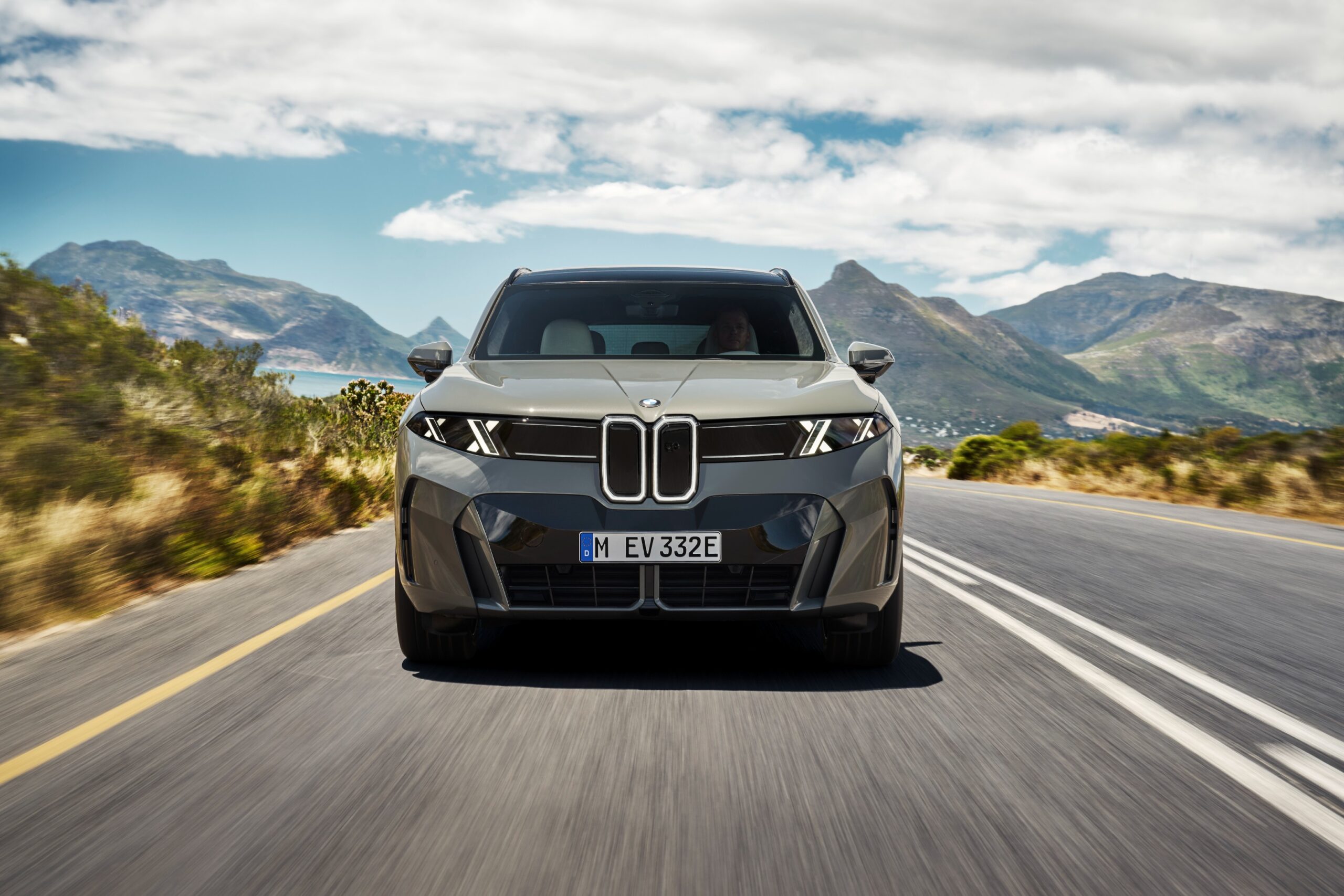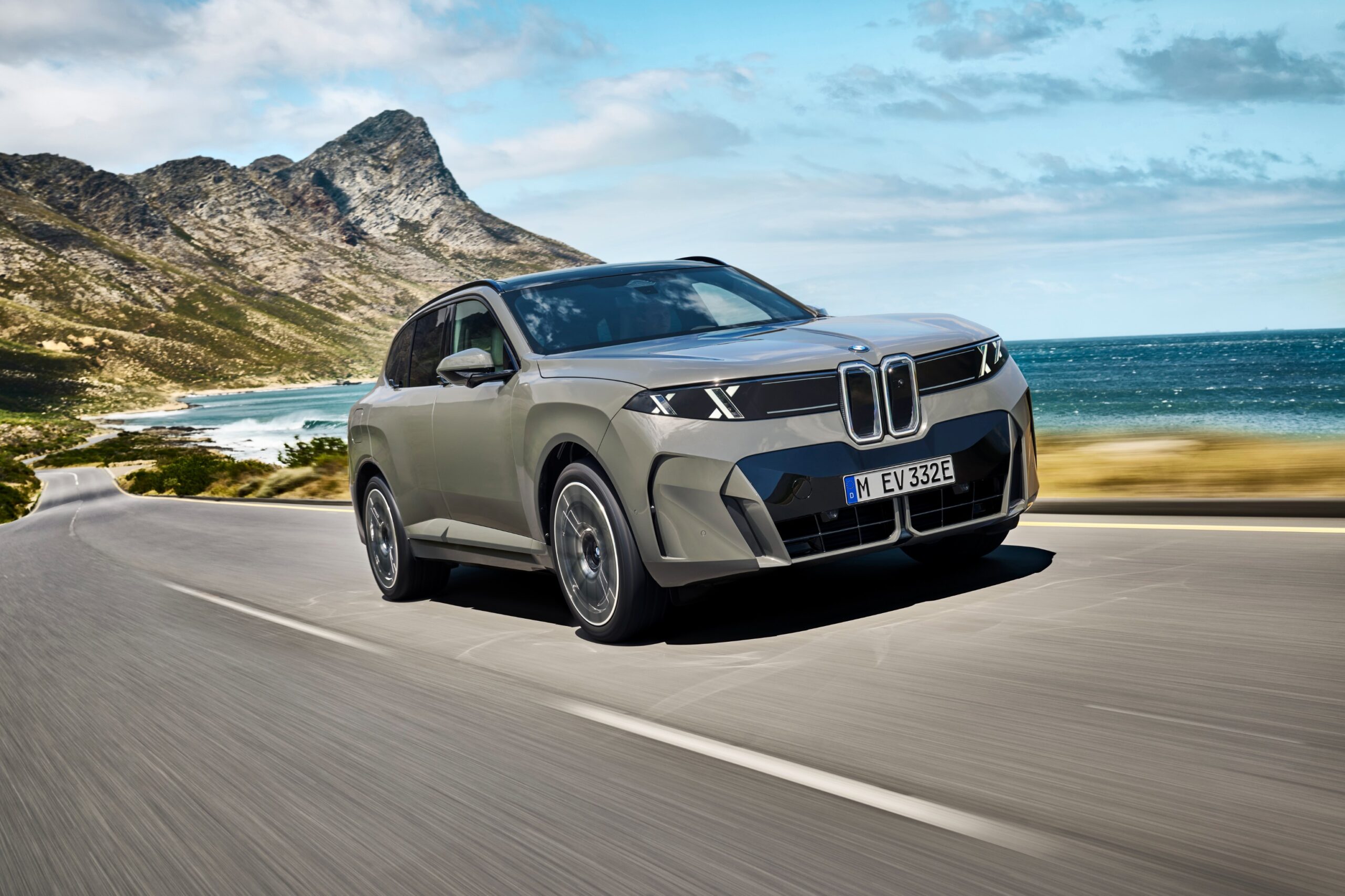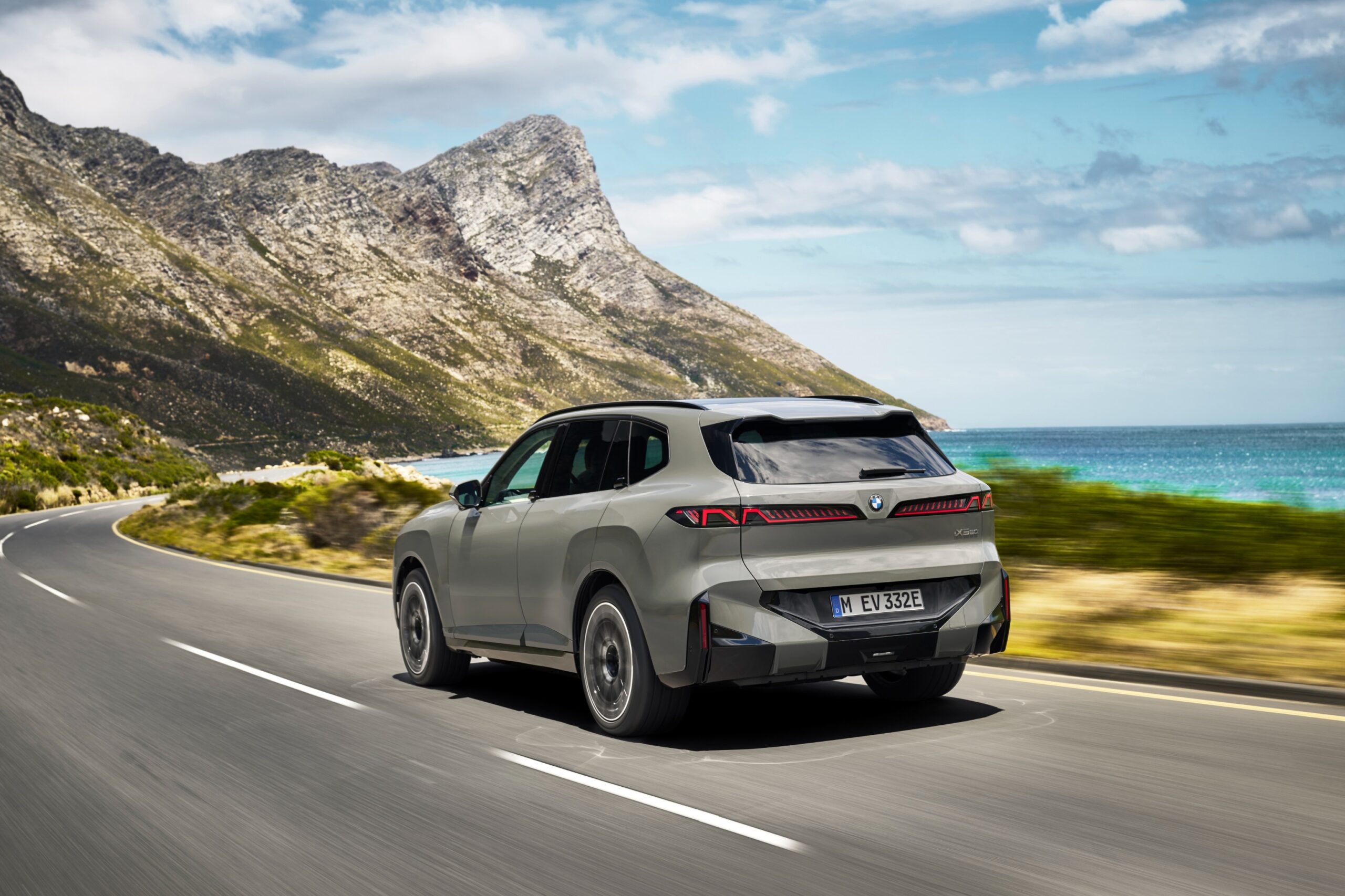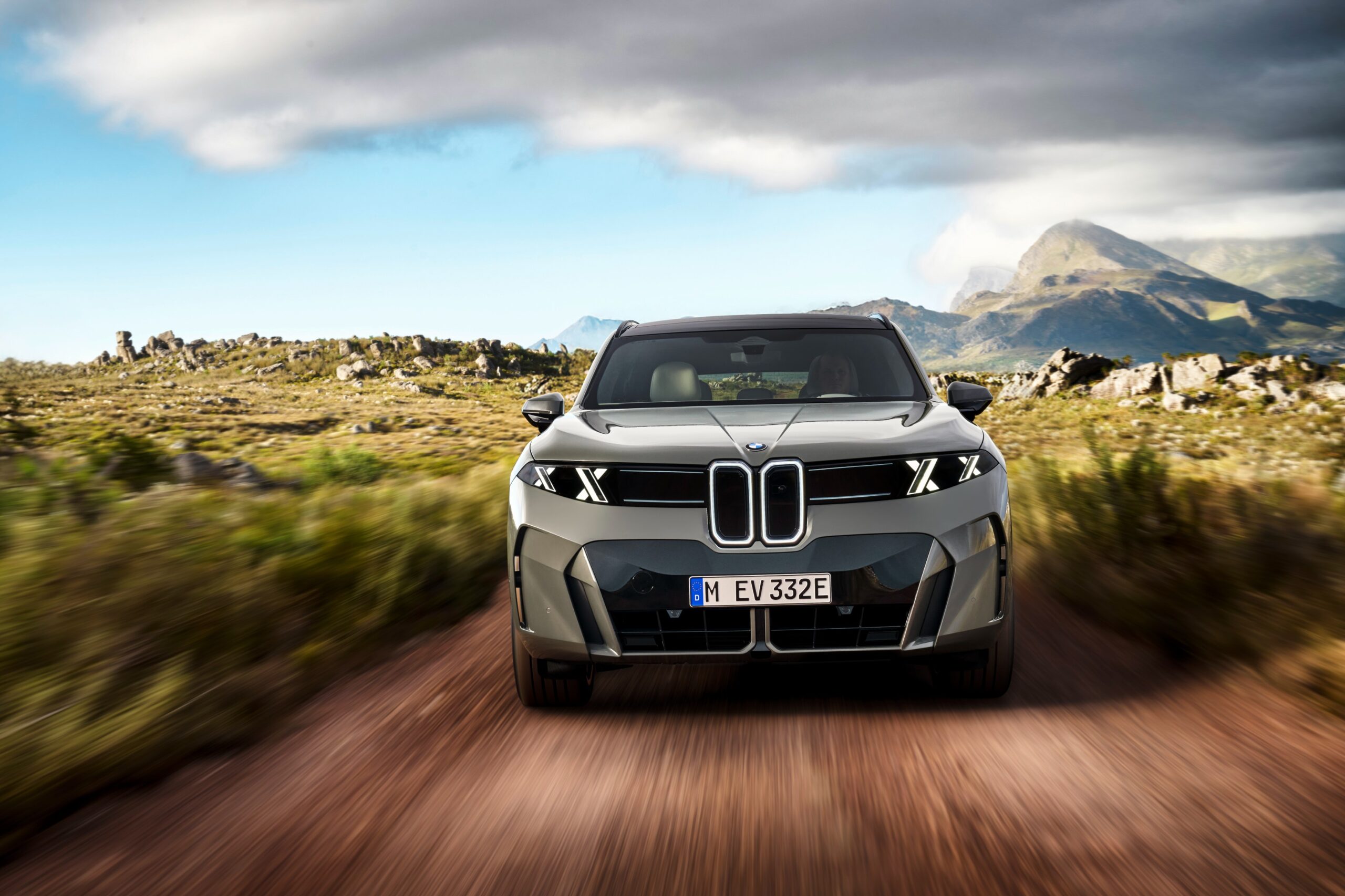
BMW has lifted the covers off the fifth generation X5, and this time round the Sports Activity Vehicle pioneer is offering something it has never done before: a genuine spread of powertrains under one roof. Diesel, plug-in hybrid and a pure electric variant will all sit on the same showroom floor, with a hydrogen fuel cell version reportedly joining the lineup further down the road in 2028.
For South African buyers, three derivatives are confirmed at launch: the xDrive40d, the 50e xDrive plug-in hybrid, and the fully electric iX5 60 xDrive. A high performance M Performance PHEV is also part of the global range, with a full M variant expected to follow once the new generation beds in.
A New Design Language Built On Neue Klasse Foundations
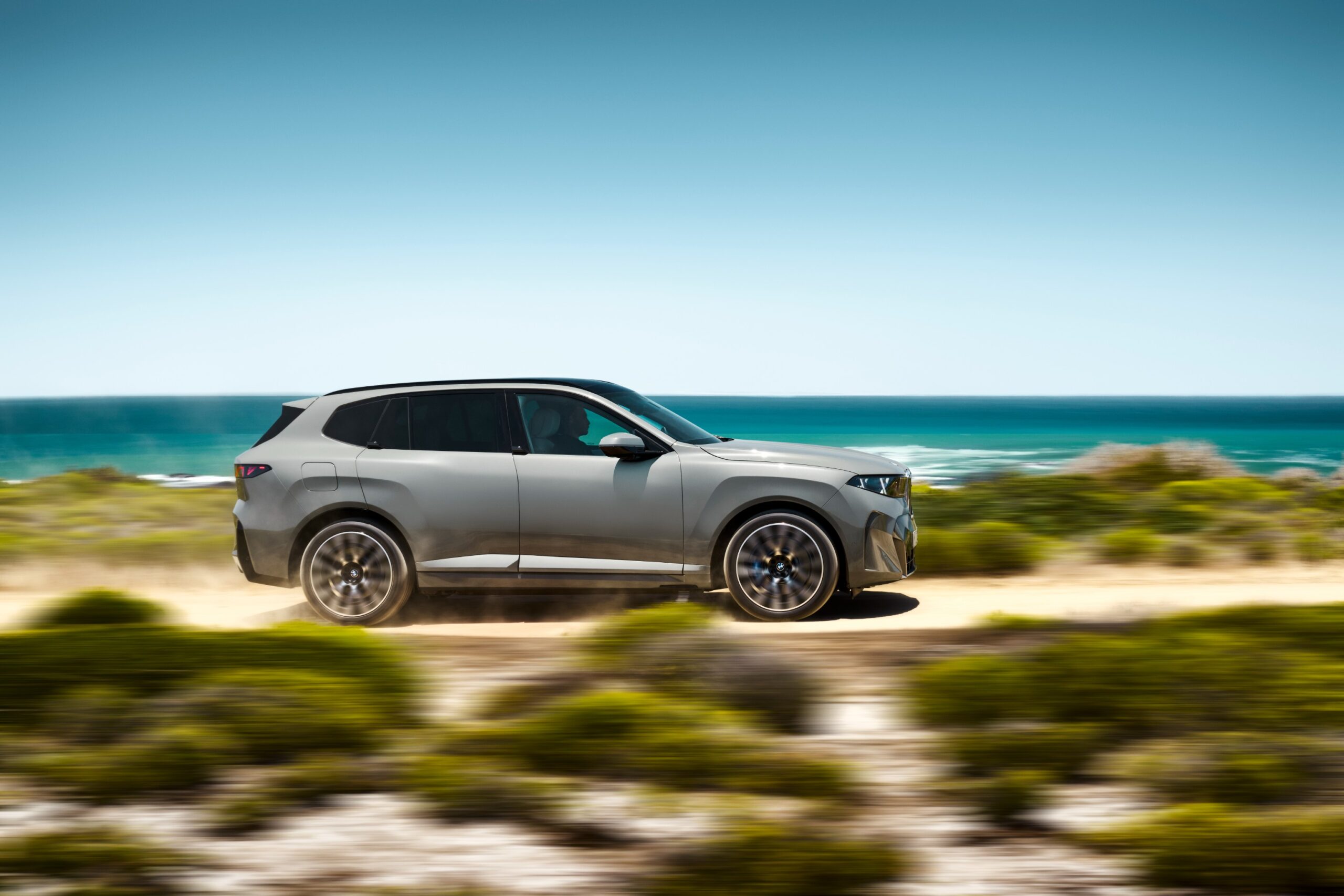
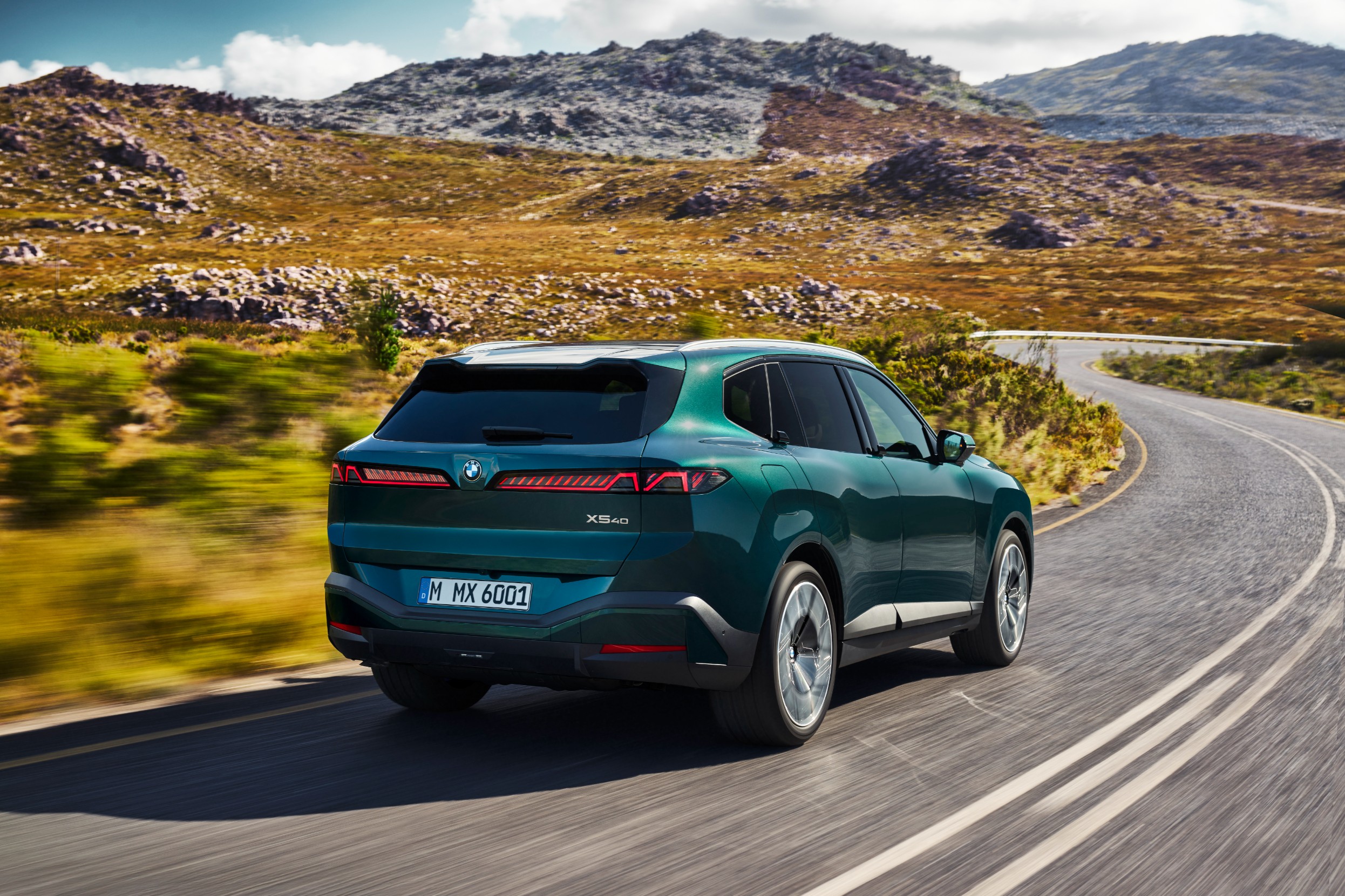
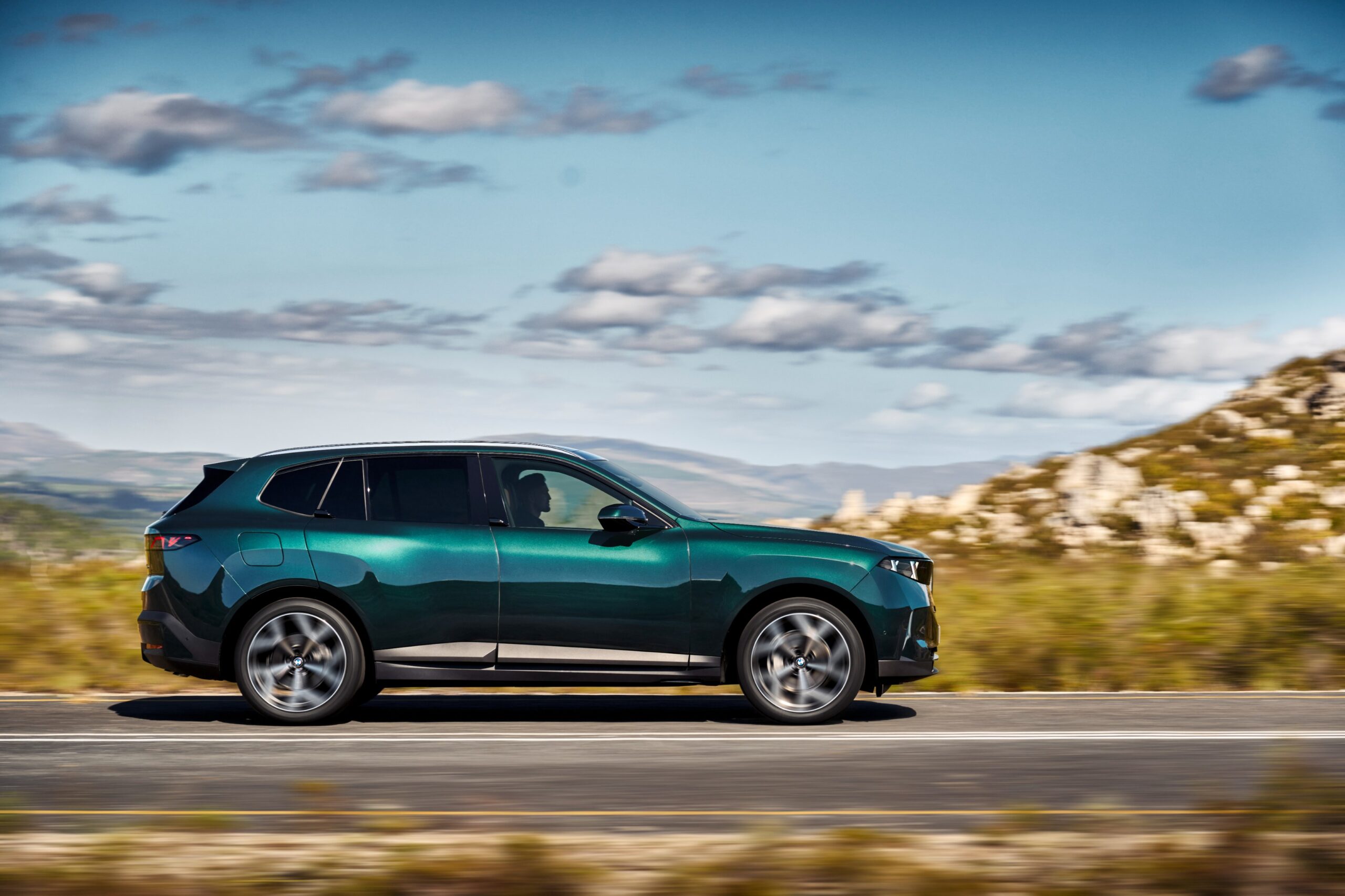
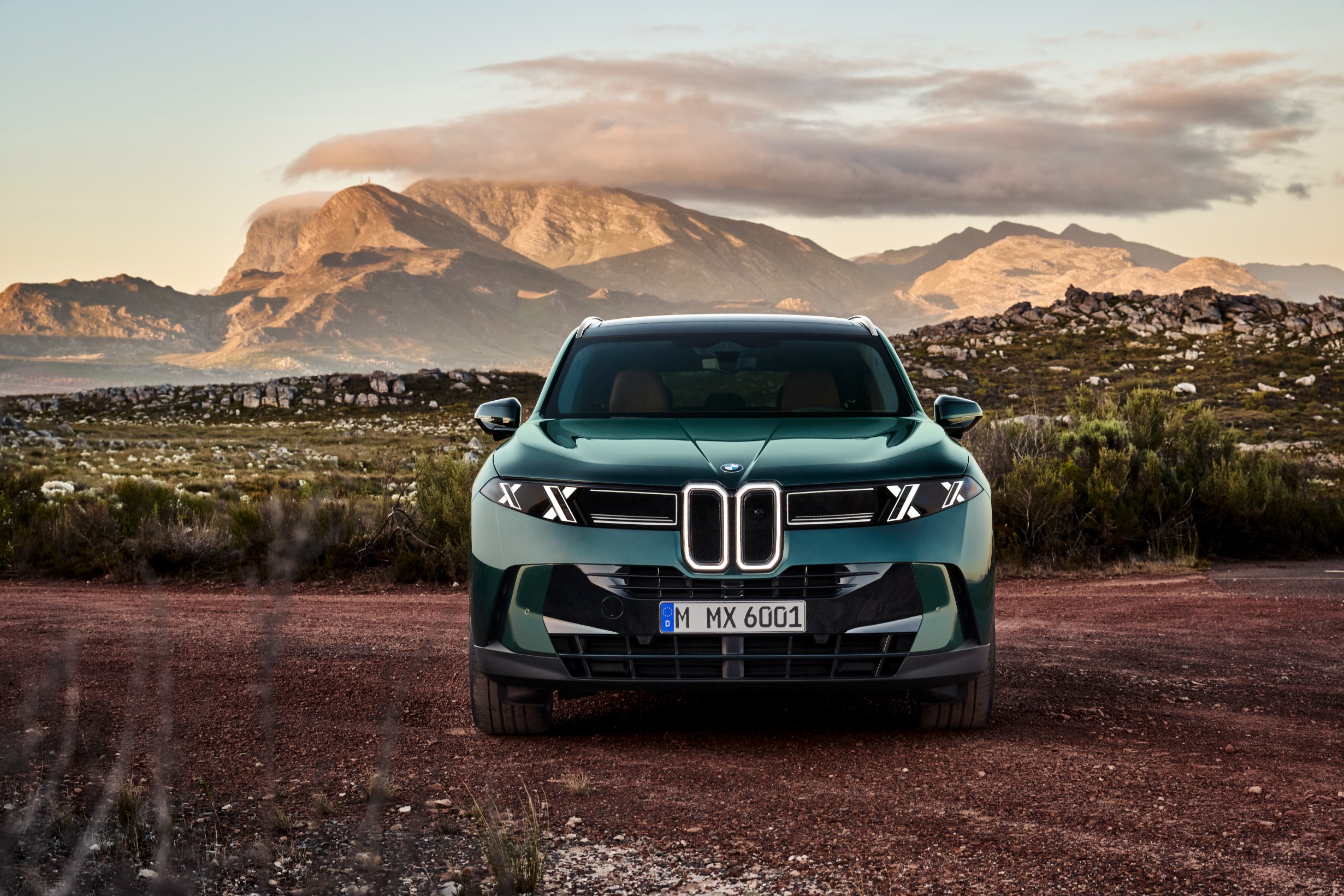
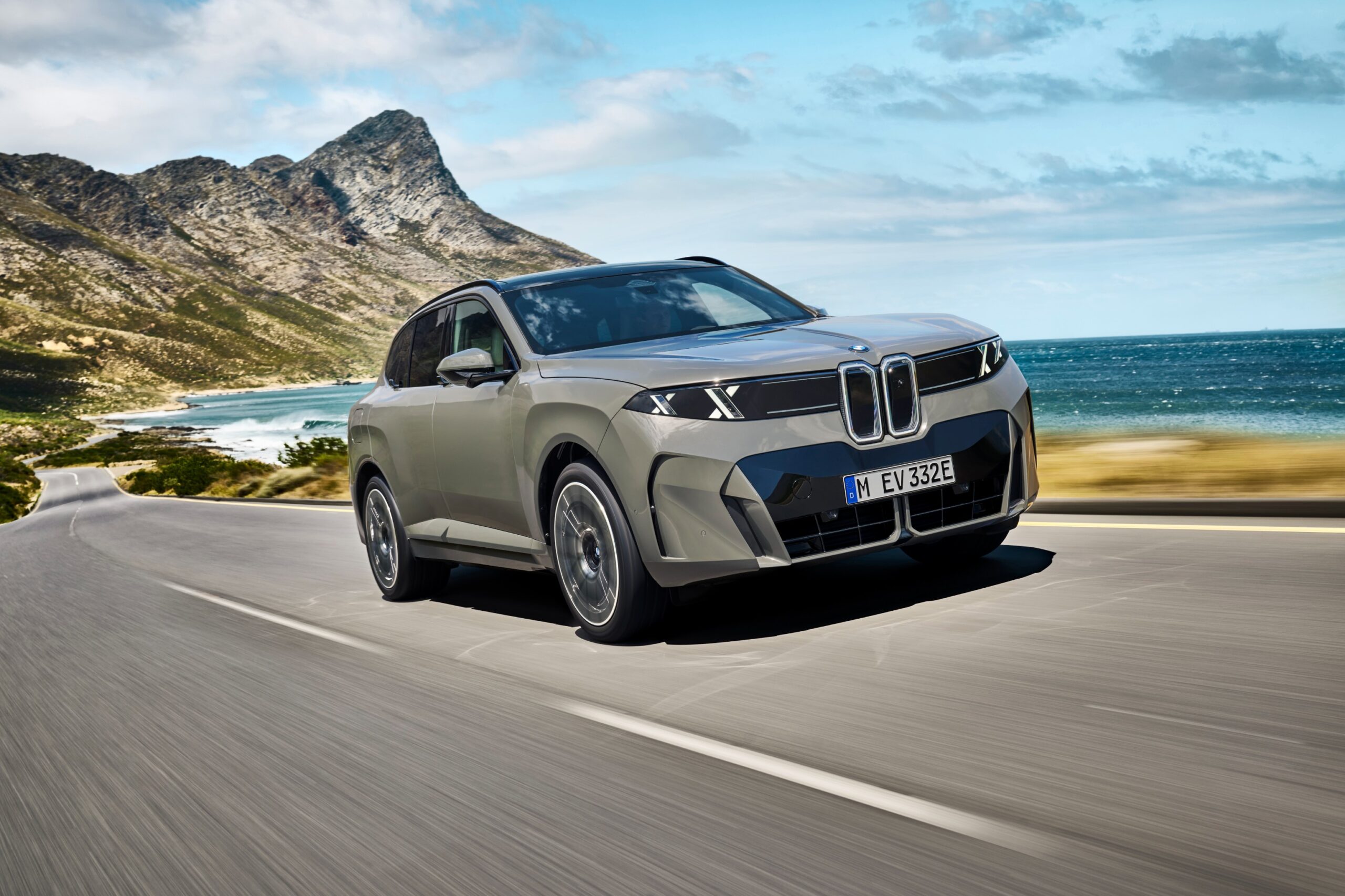
The new X5 carries over the same Neue Klasse design philosophy first seen on the smaller iX3, though it isn’t simply a stretched copy. The body has been pulled wide over its haunches, the wheel arches can swallow rims up to 23 inches, and the glazed kidney grille is flanked by sharp, technical headlight clusters.
Every version gets a new double X headlight signature as standard, though buyers who prefer a more familiar look can switch this to a simpler two bar design. M Performance models go a step further with yellow tinted headlight elements, although EU lighting rules mean they only illuminate in yellow when the main beam is switched on.
Door handles have disappeared entirely, replaced by small flush mounted nodules at the base of the window line, a move that echoes what Volvo has done on its new EX60 and gives the cabin sides a cleaner, almost concept car finish. One change that won’t please everyone is the move to a single piece tailgate, doing away with the split opening boot that has long been an X5 signature.
BMW X5 xDrive40d: The Diesel Anchor
The inline six cylinder diesel remains the volume seller in most markets, and it hasn’t been left behind in the shift toward electrification. The xDrive40d gains a 48V mild hybrid system that smooths out engine operation and extends idle stop functionality.
Output sits at 308 hp (230kW) and a meaty 670 Nm of torque, sent to all four wheels through an eight speed automatic gearbox. BMW pegs the 0 to 100 km/h (62mph) sprint at 6.1 seconds, putting it well ahead of the Audi Q7 TDI on both power and pace. Fuel economy is provisionally rated at 40.1mpg on the UK cycle.
BMW X5 50e xDrive: Plug-In Hybrid Muscle
Sitting above the diesel is the 50e xDrive, built around a 3.0 litre inline six petrol engine paired with an electric motor sandwiched between the engine and the eight speed transmission. Total system output comes in at 482 hp (359kW). For buyers wanting more, the M60e variant lifts this to 603 hp (450 kW), though it isn’t part of the initial South African lineup.
Both hybrid versions share a 26.5kWh battery pack mounted beneath the cabin floor, good for roughly 96km (60 miles) of electric only range depending on wheel specification. That puts the 50e firmly among the class leaders for EV range in a plug-in hybrid SUV. Under the newer, more realistic weighted test that accounts for a depleted battery.
BMW iX5 60 xDrive: The Fully Electric Flagship
This is the headline act. The iX5 effectively takes over from the outgoing iX as BMW’s flagship electric SUV, and the numbers are seriously impressive. The 60 xDrive uses a dual motor setup paired with a huge 141kWh battery pack, delivering a claimed range of up to 845 km (525 miles).
That figure puts real distance between the iX5 and key rivals. The latest Porsche Cayenne electric tops out at around 642 km (399 miles), while the Mercedes EQE SUV manages 599 km (372 miles) at best. Charging is equally strong, with peak DC rates of up to 460kW for those who can track down a charger capable of delivering it.
Performance hasn’t been sacrificed for range either. The iX5 60 xDrive produces 569 hp (424kW) and 805Nm of torque, enough to send it from 0 to 100k m/h (62mph) in just 4.6 seconds, with a top speed capped at 209km/h (130mph).
Chassis And Suspension Tech
The X5’s underpinnings are noticeably more sophisticated than what you’ll find on the smaller iX3. Adaptive air suspension is fitted across most of the range, while M Performance derivatives add active anti-roll control and rear-wheel steering for sharper handling at speed.
Cabin Tech: Panoramic i-Drive Takes Centre Stage
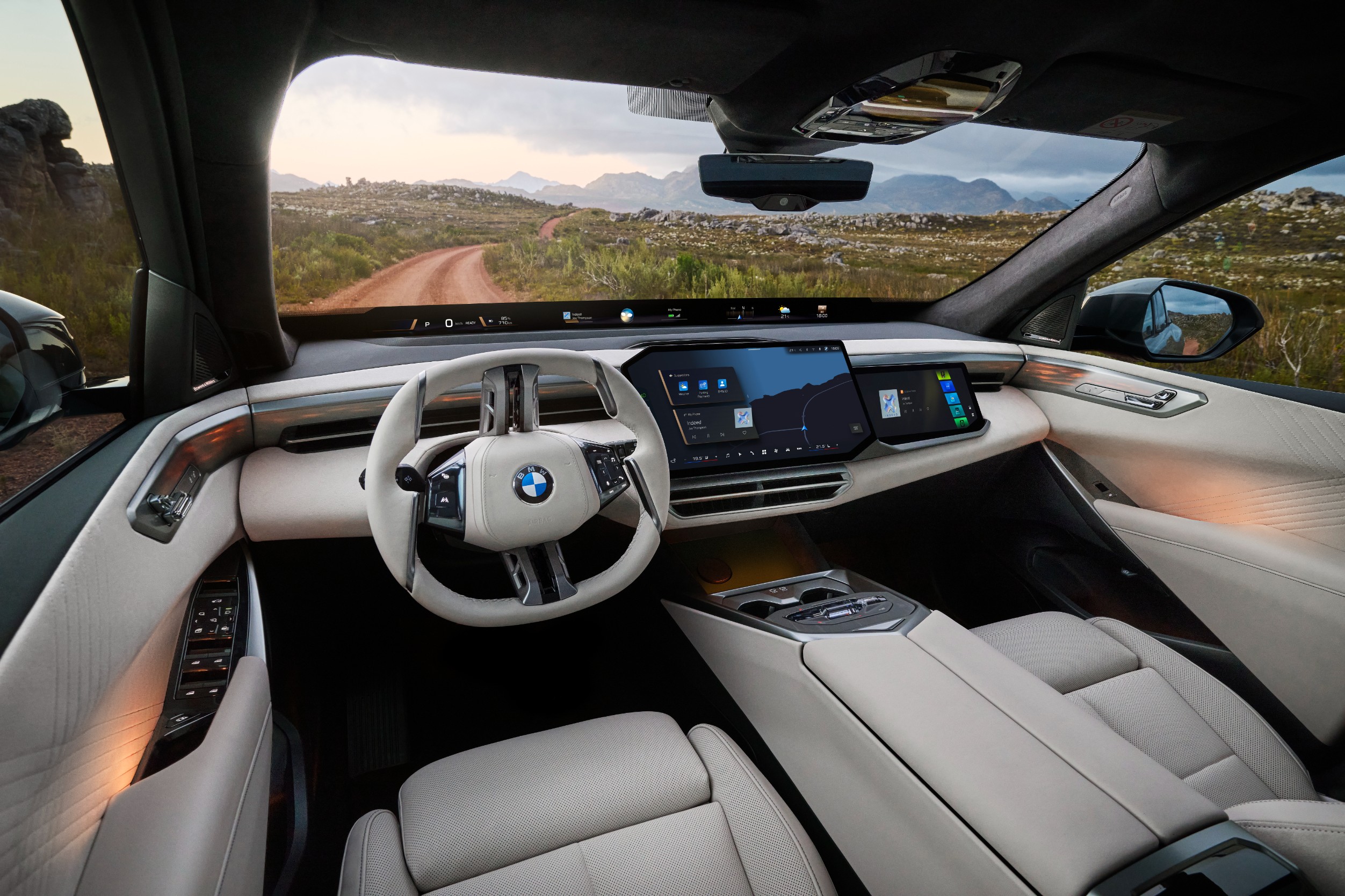
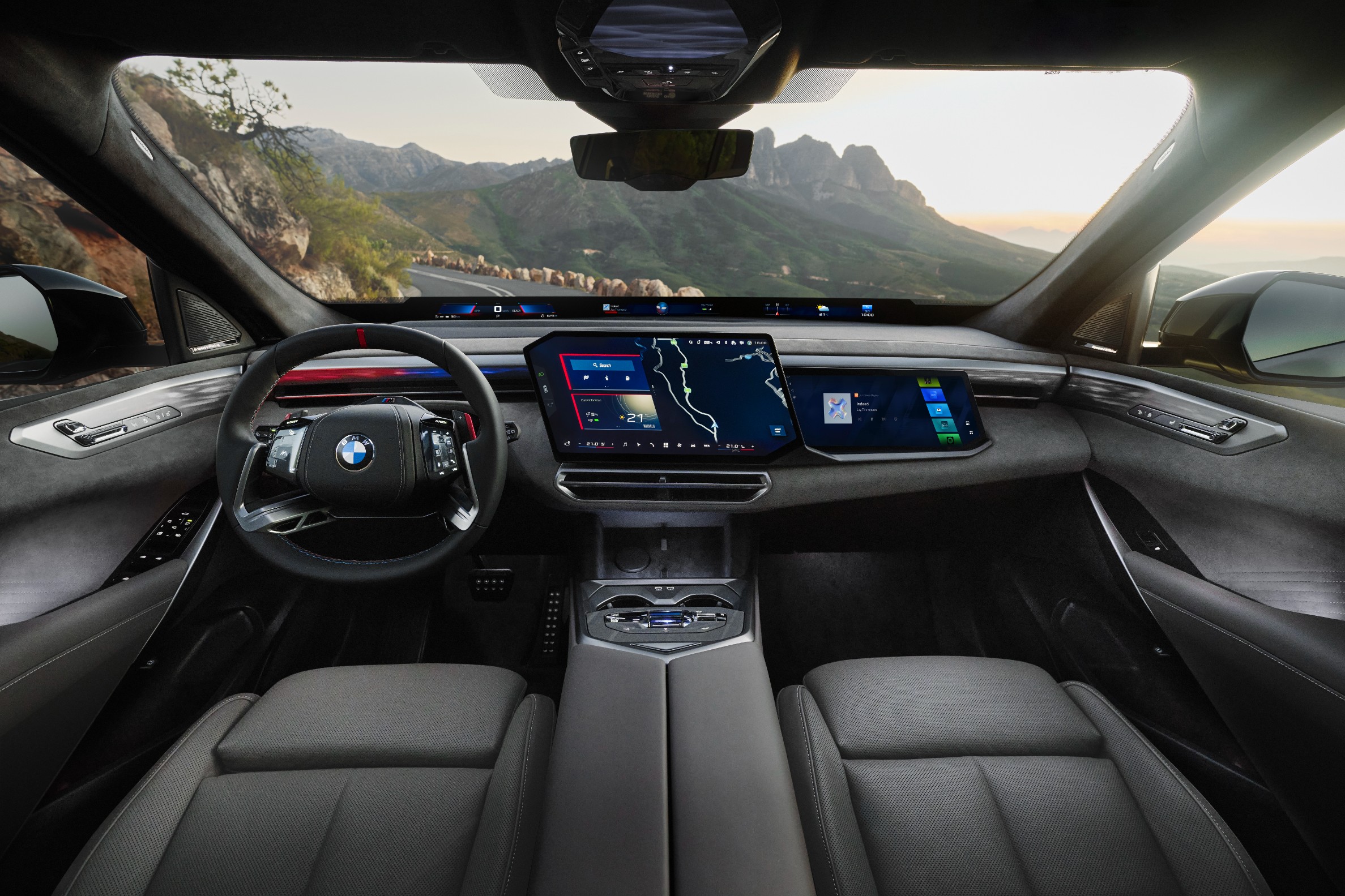
Step inside and the traditional driver’s instrument cluster is gone, replaced by BMW’s full-width Panoramic i-Drive display that stretches along the base of the windscreen. It’s a configurable strip that keeps key information directly in the driver’s line of sight without forcing their eyes too far from the road.
Two further screens dominate the dashboard, headlined by a 17.8-inch central touchscreen handling most of the car’s core functions, plus a secondary display angled toward the passenger. Both run BMW’s newest software, with route planning baked directly into the navigation system.
Material quality has been lifted noticeably above the iX3, with leather and suede-style fabric trim spread across the dash and doors, plus a new ambient lighting strip woven into a metallic panel that runs behind the screens and into the door cards. Practical touches haven’t been forgotten either, with twin cupholders, a deep central storage bin, and a MagSafe wireless charging pad for iPhone owners built into the lower dash.
For now, BMW has only confirmed a five-seat, two-row layout for the X5, with seven-seat duties expected to remain the job of the larger X7.