
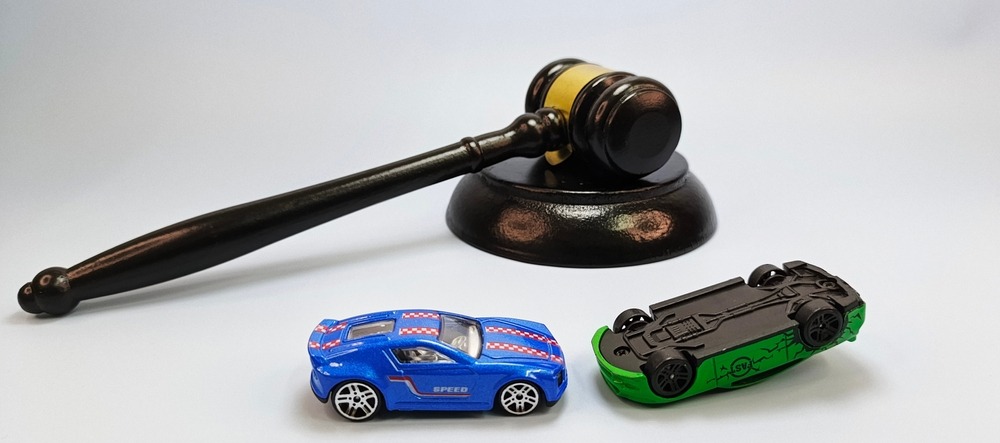
A car accident case can become confusing once the facts start pointing in different directions. In Grand Rapids, MI, a driver may have photographs of the crash but still face questions about fault, or a witness statement may conflict with the details in the police report. These problems can make it harder to show what really happened and why another party may be responsible.
A car accident attorney in Grand Rapids may help review the available evidence and identify issues that need closer attention. Recognizing the specific problem is a sensible first step toward understanding what options may be available.
Find Out What Is Holding Up Your Case
Before taking action, find out why your claim has run into trouble. An insurance company may be waiting for medical records, checking the accident report, or reviewing details about who caused the crash. Sometimes, the other driver gives a different account of the event, which can lead to further questions.
Start by reading the latest letters and emails from the insurer. Check whether the company has asked for documents you have not sent yet. If the reason for the delay is unclear, ask for a written update that explains what remains under review. Keeping these details together can help you spot missing information and avoid repeated calls about the same issue.
Check Whether Your Evidence Supports the Claim
A claim needs clear records to show what happened, which injuries followed, and how the crash affected your finances. If important details are missing, an insurer may ask more questions or disagree with parts of the claim.
Collect the documents related to your accident and arrange them in one place. These may include:
- Accident records: Keep the police report, photographs of the scene, vehicle damage, and contact details for witnesses.
- Medical documents: Save treatment records, bills, prescriptions, and notes about follow-up visits.
- Financial proof: Keep repair estimates, receipts for accident-related costs, and records showing income lost because of missed work.
Review the information for errors, such as an incorrect accident date or a missing bill. If the records do not match, ask the relevant person or office how the mistake can be corrected.
Respond Carefully to Insurance Disputes
Insurance claim disputes can slow a claim, especially if the company questions who caused the crash, how serious the injuries are, or how much money should be paid. A settlement offer may also seem too low to cover the losses supported by your records.
Read every offer and check what it covers before agreeing to anything. Pay attention to the payment amount, the losses included, and any terms that may affect your right to seek further compensation. A signed settlement may limit additional recovery for the same accident, depending on its terms.
Keep copies of messages and write down the dates of important calls. If an insurer rejects part of your claim, ask for the reason in writing. Clear records can help you understand the disagreement and decide what needs further review.
Know When to Seek Legal Support
Some claims are harder to handle without help, particularly if injuries are serious, fault is disputed, or several people may share responsibility. A rejected claim or a settlement disagreement can also raise questions about the evidence and available options.
A car accident attorney in Grand Rapids may review the accident records, examine the insurer’s response, and identify issues that need more attention. An attorney may also communicate with the insurance company and help organize documents that support the claim.
Getting legal support does not guarantee payment or a particular result. However, it may help you understand the process and the issues affecting your case. Before choosing a car accident attorney in Grand Rapids, ask about their experience with similar claims, how fees work, and what services they provide.
Keep Deadlines and Case Updates on Your Radar
Insurance delays should not cause you to overlook important deadlines. Michigan has a no-fault insurance system, which generally requires injured people to seek personal injury protection benefits through their own auto insurer. Claims for these benefits and claims against an at-fault driver may follow different rules and time limits.
For example, Michigan law generally sets a one-year deadline for filing a lawsuit to recover certain overdue personal injury protection benefits, subject to exceptions. Other accident-related claims may have different deadlines, so the rules that apply to your case need careful review.
Keep a simple record of claim numbers, contact names, letters, medical visits, and payments received. Ask the insurer which documents remain outstanding, and do not assume that ongoing settlement talks pause a legal deadline.
Take a Clearer Approach to a Difficult Case
A car accident case that runs into problems needs careful attention and a clear understanding of the facts. Reviewing the evidence, checking important documents, and keeping track of deadlines can help identify issues that need further attention.
If disagreements about fault or questions about the available evidence remain unresolved, speaking with a car accident attorney may help you understand the options available for your situation. Every case has its own facts, and the right next step depends on the circumstances. Contact a Grand Rapids car accident attorney to discuss the difficulties affecting your case and explore your options.